







Introduction:Cold brew coffee, with its smooth texture and low acidity, has become a popular choice in summer. This article delves into the key parameters of cold brew preparation, including the optimal steeping duration, ideal coffee-to-water ratio, and how different brewing times affect flavor layers. Through experimental data comparisons, it helps you find your preferred flavor balance and offers coffee bean selection tips to help you easily master this low-temperature extraction technique.

As temperatures rise, a cool and rich cup of cold brew coffee is undoubtedly a great companion for beating the heat. This extraction method, which involves steeping coffee grounds in cold water for an extended period, has gradually gained popularity in recent years. Unlike high-temperature brewing, cold brew utilizes a low-temperature environment to slowly extract flavors over 12 to 48 hours. During this process, fewer stimulating substances such as tannic acid are released, resulting in a uniquely smooth mouthfeel.

The final cold brew product often exhibits pronounced fruity aromas and sweetness, with bitterness significantly reduced, although caffeine content often remains high or even increases. To make it, simply prepare a sealed container and mix coffee grounds that are roughly 85% fine enough to pass through a No. 20 sieve, using a 1:12 coffee-to-water ratio with room-temperature water and ice. A recommended combination is 50 grams of coffee grounds, 400 milliliters of water, and 200 grams of ice. Stir well, then refrigerate and let time work its magic.
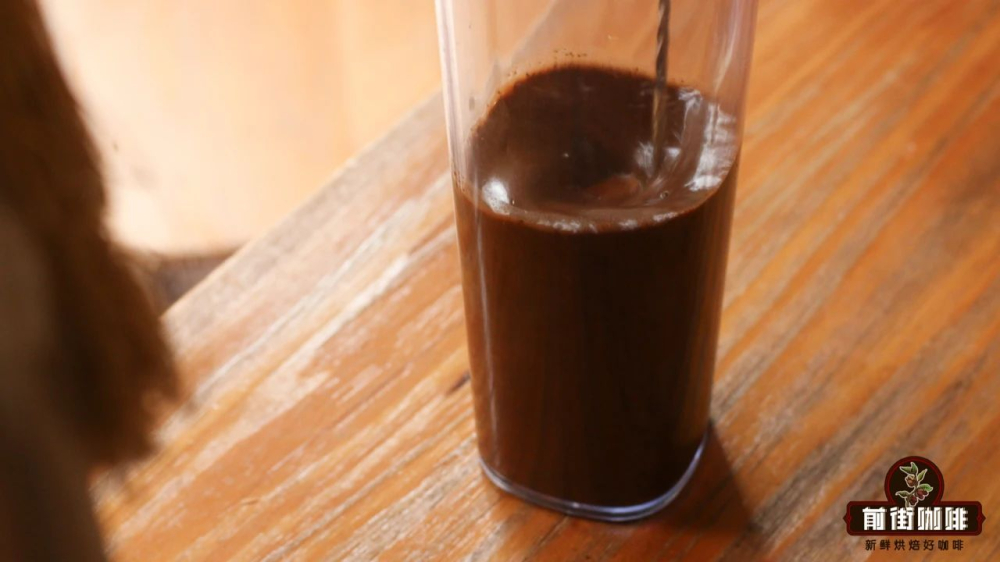
Regarding steeping time, the commonly recommended range is 12 to 24 hours.Experimental data shows that a 24-hour extractionyields the most complete flavor profile, showcasing rich layers of complexity; the 12-hour version delivers vibrant fruit acidity transitioning into a nutty finish; the 8-hour brew suits those who prefer a lighter taste, with bright fruit notes and gentle sweetness; the 4-hour brew, while aromatic, tends to have a more one-dimensional flavor. It’s worth noting that steeping beyond 24 hours may lead to over-extraction and an unbalanced taste.
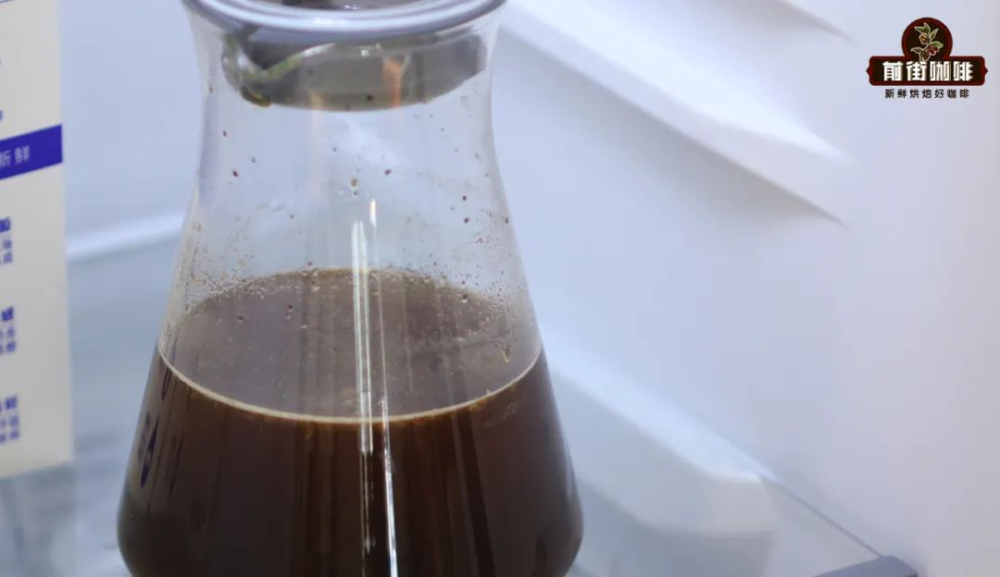
Flavor profiles change interestingly over time:An 8-hour extractionis dominated by bright citrus acidity, with weaker nutty notes;A 12-hour sampleshows a clear three-phase development—initial sweet and sour notes, a sweet-dominant mid-palate, and a nutty finish;The 24-hour groupbenefits from the highest water saturation, extracting the most comprehensive range of compounds, resulting in significantly enhanced complexity. Consumers can adjust the brewing time according to personal taste preferences to find their own unique balance point.
The choice of coffee grounds directly impacts the final product. Light-roasted beans generally better highlight the strengths of cold brew, with washed processing methods often bringing clean acidity, such as varieties like Yirgacheffe and Geisha; natural sun-dried beans impart richer sweetness, with Kenya and Huakui being popular choices. Coffee enthusiasts seeking unique flavors can try sherry cask-fermented or special honey-processed beans, while those preferring balanced profiles might consider bold beans from Indonesia or Central America.

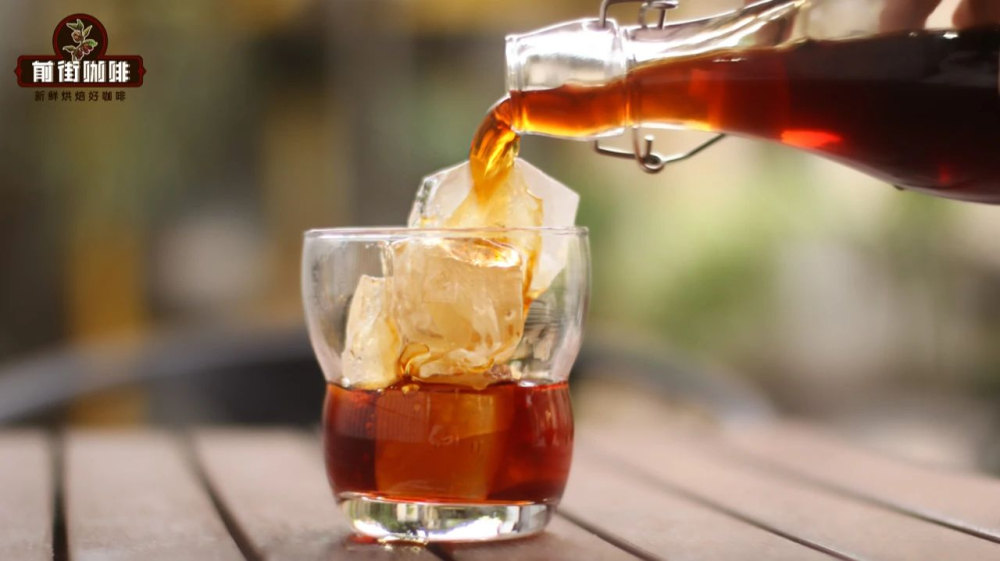
Several key details should be noted during the brewing process: use a coarse grind to avoid over-extraction, stir to ensure even contact between coffee grounds and water, and maintain a refrigerated environment to better control extraction temperature. During filtration, it’s recommended to use filter paper or a fine mesh to ensure all coffee grounds are fully separated. Allowing the finished cold brew to sit in the refrigerator for a few hours can enhance flavor integration, and adding fresh ice before drinking helps maintain the ideal concentration. Remember, there are no absolute standards for cold brew—continuous experimentation is the key to discovering the perfect combination for your palate.
The above content is compiled by CoffeeHunters, a coffee news website.


