







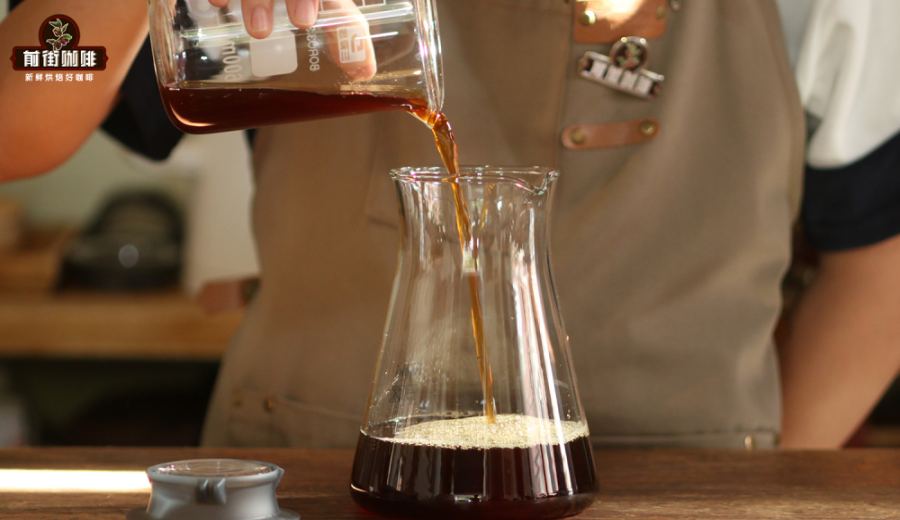
Introduction:Want to try cold brew coffee but don’t know where to start? This article provides an in-depth comparison between cold brew and cold drip, explains the principles of cold water extraction, teaches you how to choose the right coffee beans, master grind size and coffee-to-water ratio, along with practical tips on timing and storage. Even beginners can easily get started and enjoy a refreshing, low-acid cold brew coffee.
Besides the common method of hot water brewing, coffee can also be slowly steeped and extracted using cold water. This brewing method is widely known as "cold brew coffee." Compared to traditional hot-brewed coffee, cold brew offers a distinctly different flavor profile, making it especially suitable for summer consumption.
Cold brew coffee is mainly divided into two major types:Cold steeped coffeeandcold drip coffee. The former involves steeping coffee grounds in room temperature or chilled water, while the latter uses a dripping method where water slowly seeps through the coffee grounds layer by layer to extract flavors. Many people often wonder upon first encounter: "Can hot water be used for cold steeped coffee?" The answer is no—coffee made with hot water no longer falls under the category of cold brew. Authentic cold steeping must use either room temperature or ice water, and maintain a consistently low-temperature environment to achieve the desired flavor.
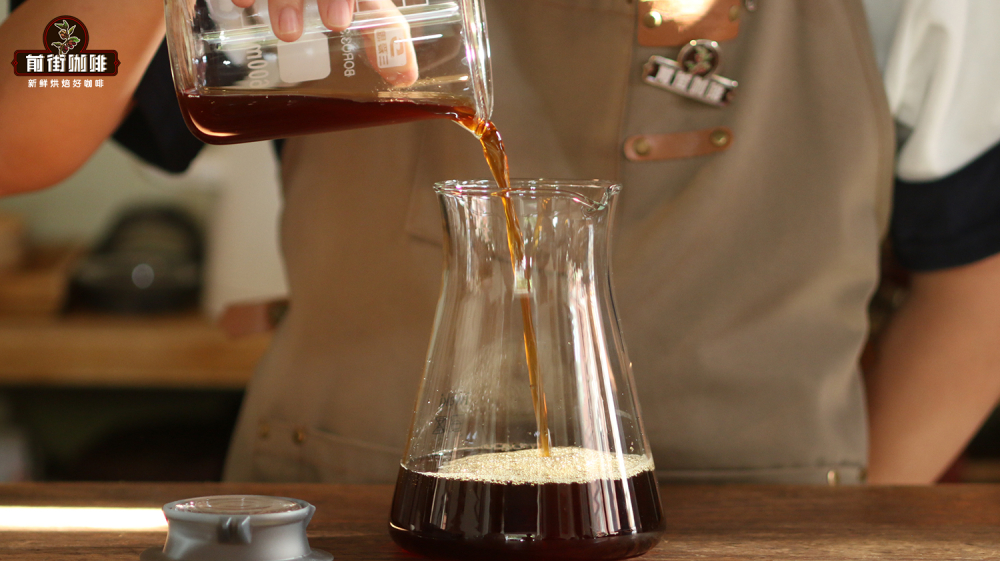
Since cold brew is in contact only with cold water at temperatures between 4 to 10 degrees Celsius throughout the entire process, the overall extraction rate is significantly reduced. Those bitter and astringent large molecular compounds that are easily released have difficulty dissolving into the water. However, during the long period of low-temperature steeping, flavor compounds such as sugars and organic acids are able to be released more fully, resulting in a final coffee that achieves an excellent balance betweenacidity, sweetness, and body, delivering a smoother and more rounded taste.
To brew a satisfying cup of cold brew coffee, careful attention should be paid from the very beginning—selecting the beans. To reduce the risk of mishaps, it’s recommended to prioritizemedium to light roastedcoffee beans. Compared to medium-dark roasts, they are more forgiving in terms of brewing conditions and are suitable for various processing methods and regional flavor profiles. Most pour over-grade single-origin beans on the market are suitable for cold brew, as long as you avoid dark roasts. While dark roast coffee can showcase rich aromas and full-bodied aftertastes when hot brewed, in a cold brew state, once chilled, it often carries noticeable burnt bitterness and carbonization, making it difficult to present the delicate layers found in hot beverages.
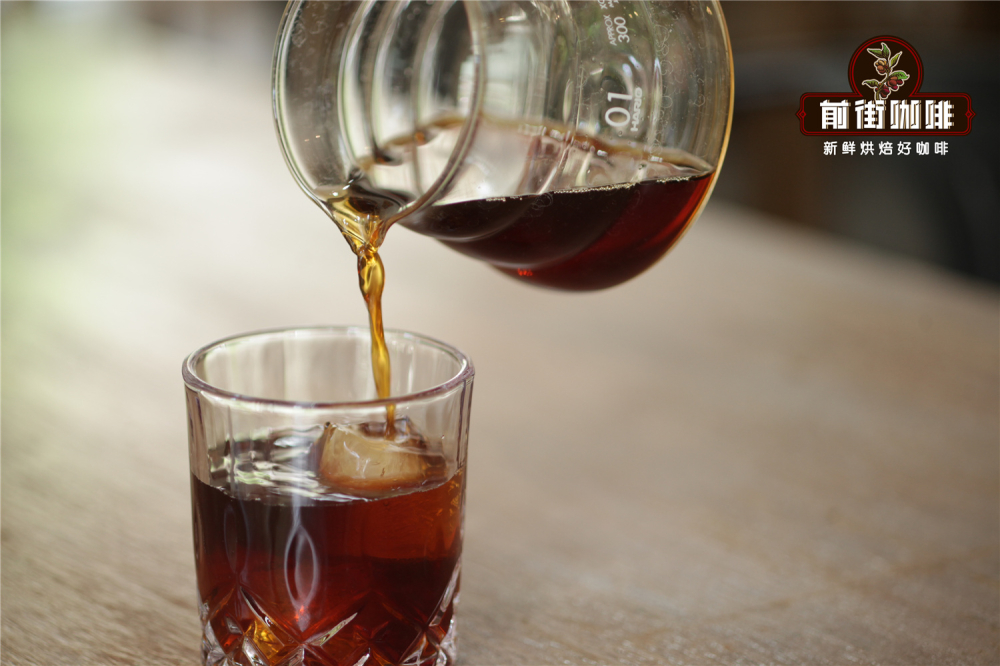
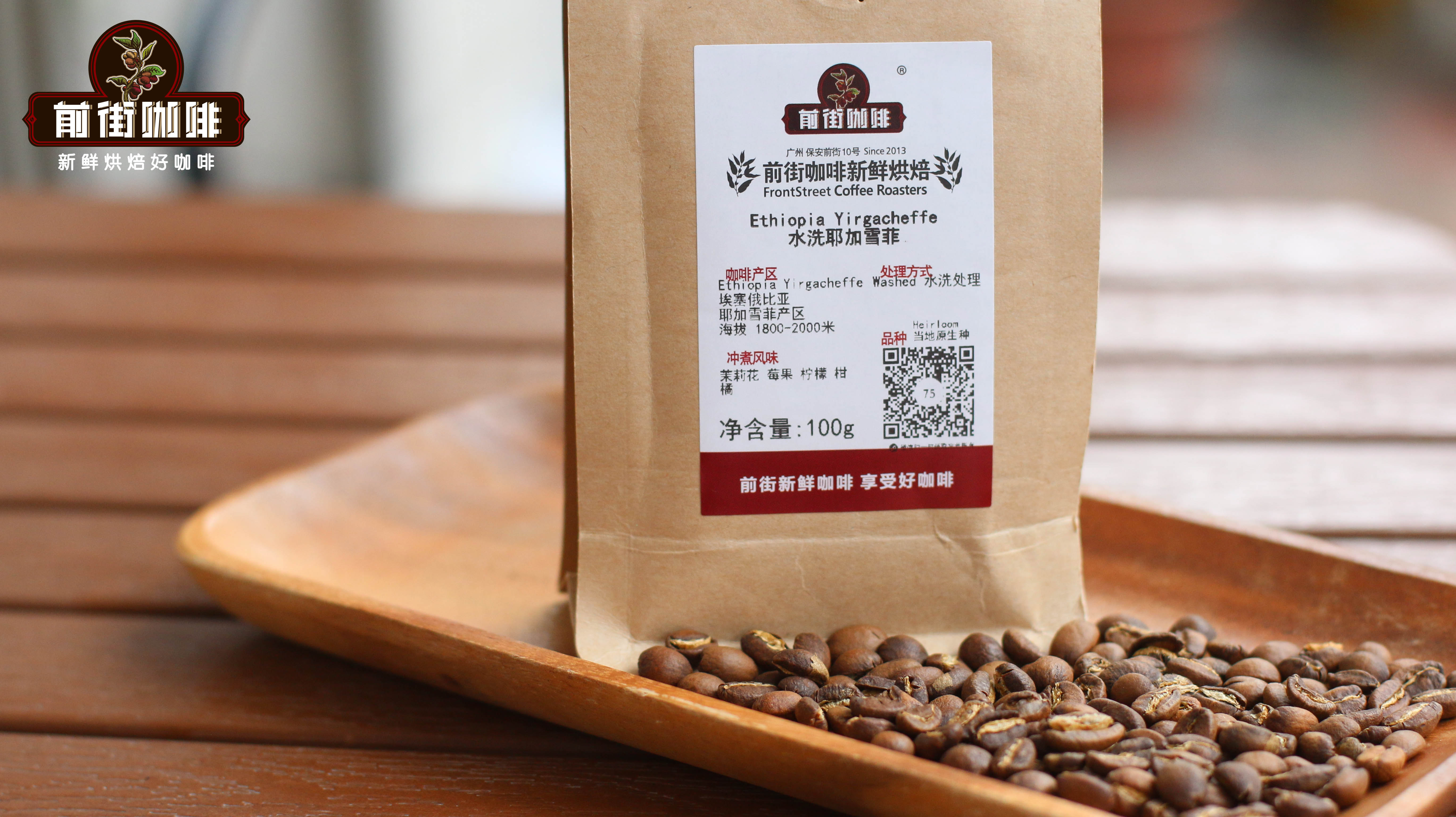
Depending on personal preferences, you can further select beans based on specific processing methods: if you’re seeking a refreshing juice-like flavor, consider light-roastedwashed processedbeans, such as those from Yirgacheffe or Kenya AA; if you prefer intense fruitiness and wine-like notes, wine barrel fermented or honey processed coffees such as Colombia Rosales Valley or Honduras Lishilan are great options; for those who dislike acidity and simply want a balanced coffee flavor, medium-roast beans such as Papua New Guinea Bird of Paradise are recommended.
In terms of grind size, since cold brew is conducted in a low-temperature environment, water’s extraction efficiency from coffee grounds is relatively slow, and bitter compounds are not easily released in large amounts. Therefore, compared to pour over coffee, control over grind coarseness, coffee-to-water ratio, and steeping time can be more flexible. As long as it roughly falls within a reasonable range, choosing the right beans usually ensures success. Based on practical experience, the grind size for cold brew coffee is generally slightly finer than that for pour over, approximately 75% to 80% passing through a Chinese No. 20 standard sieve, visually similar to the size of fine sugar granules. If using an EK43s grinder, the setting would be around 9.5 to 10; for hand grinders like the C40, it would be about 22 to 26 clicks.
Steeping time is one of the key factors affecting the flavor performance of cold brew coffee. Since the entire process involves contact only with water at 4 to 10 degrees Celsius, the extraction speed is relatively slow, and it is necessary to extend the steeping time to allow sufficient aromatic compounds, sugars, organic acids, and other compounds to be fully released, thereby achieving a balanced taste of acidity, sweetness, and body. It is generally recommended to control the steeping time between8 to 18 hours. Experiments have been conducted where the same coffee was steeped for 6, 10, 16, and 24 hours. The results showed that the 6-hour brew had overly thin flavor and insufficient aroma, while the 24-hour sample exhibited clear over-extraction and bitterness. In contrast, the 10 and 16-hour extractions performed best in terms of flavor richness and taste intensity.
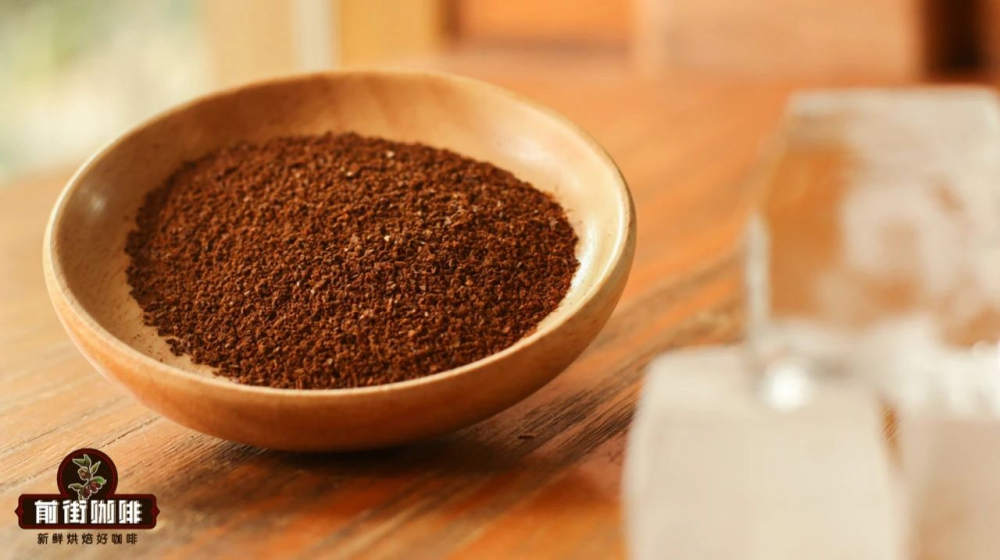
Coffee-to-water ratio is also an important parameter that determines the taste of cold brew coffee. Some users, for convenience, simply mix coffee grounds and water together without precise measurement, leading to unpredictable final flavors. To ensure stable extraction and consistent taste, it is recommended to control the coffee-to-water ratio between1:10 to 1:13. If the concentration is too high, you can adjust later by adding ice cubes. The right ratio allows the coffee’s flavor layers to stand out, avoiding extremes of being too weak or too bitter.
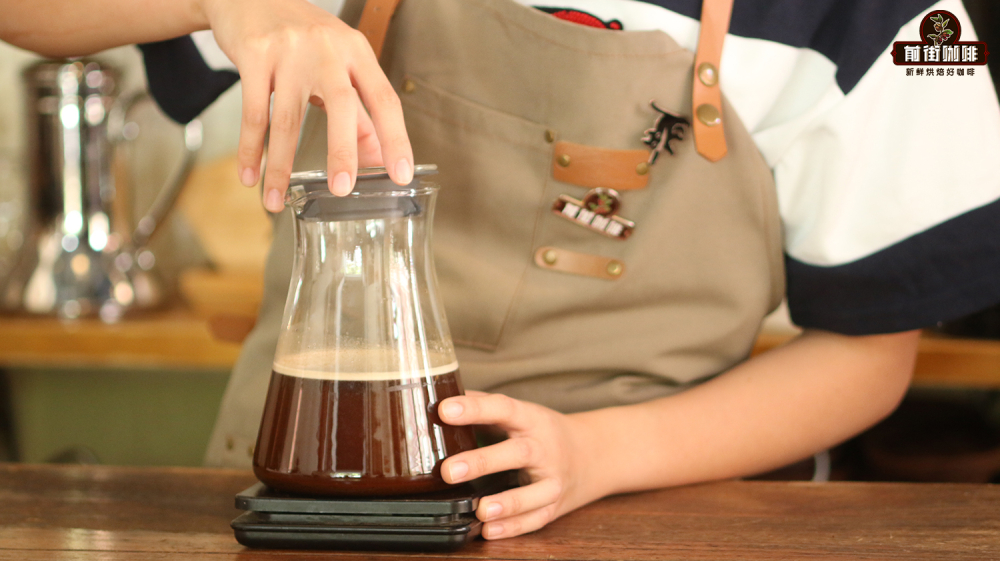
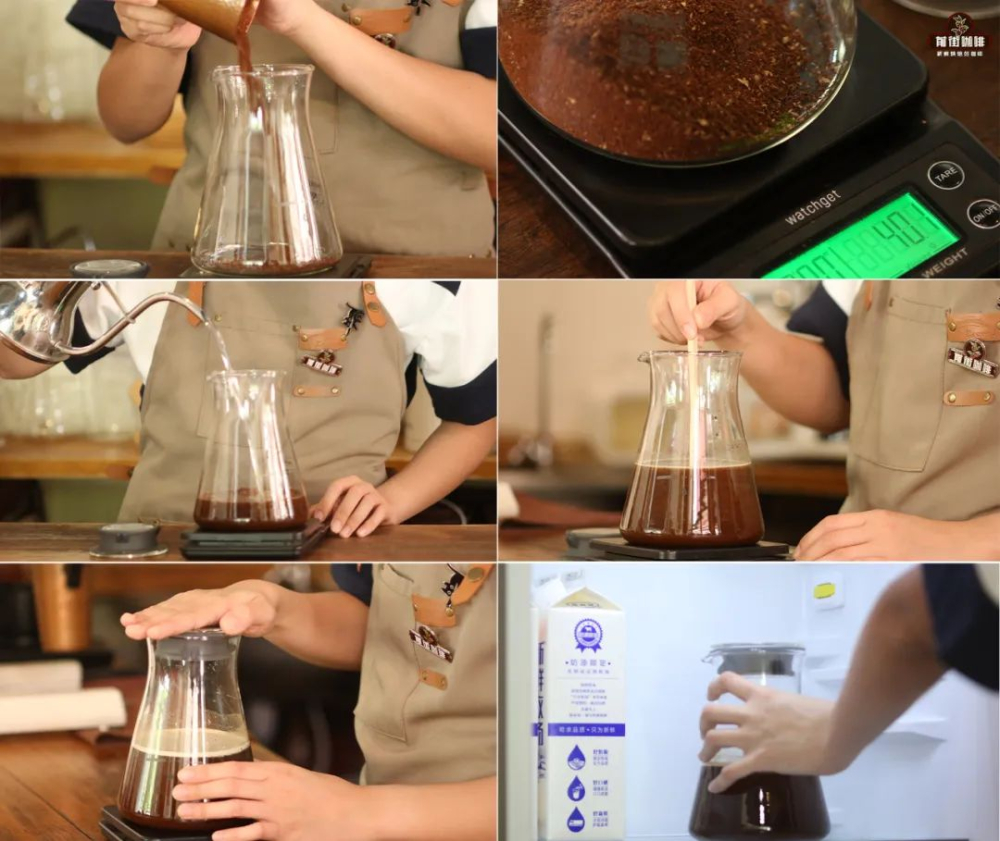
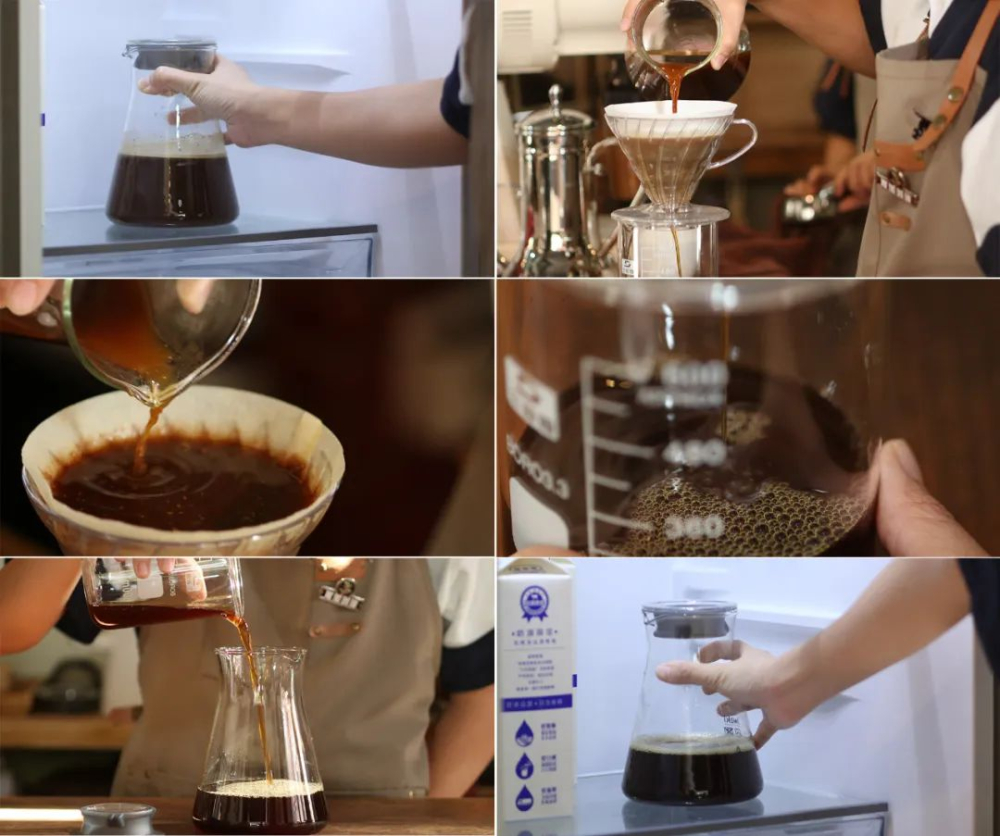
Combining the above elements, here is a practical reference for making cold brew coffee: Choose medium to light roasted coffee beans, prepare a clean, sealable container. For example, using 40 grams of coffee beans, grind them to a fineness where about 85% passes through a No. 20 sieve (roughly the coarseness of fine sugar), pour them into the container, then add 480 milliliters of cold water, stir gently to mix evenly, and cover with a lid. To prevent impurities or odors from affecting the brew, you can seal it with plastic wrap and place it in the refrigerator for about 12 hours. After extraction, filter out the coffee grounds, and you can enjoy a clear and transparent cold brew coffee liquid. If you’d like a rounder flavor, you can also bottle the filtered liquid and refrigerate it for another 4 hours. It’s important to note that whether you’re making cold brew or cold drip, due to the characteristics of low-temperature extraction, it is recommended to consume the coffee within 5 days after preparation to ensure optimal flavor and food safety.
The above content is compiled by CoffeeHunters, a coffee news website.


