







Introduction:Cold brew coffee is loved by many coffee enthusiasts for its refreshing and richly smooth flavor, but making cold brew at home that is well-balanced in flavor and smooth in mouthfeel is an art in itself. This article will take an in-depth look at cold brew steeping time, coffee bean selection, coffee-to-water ratio, filtration techniques, and storage methods to help you avoid common pitfalls, master key details, and easily enjoy professionally brewed cold brew coffee at home.
Many people assume that making cold brew simply involves mixing coffee grounds with cold water and letting it sit for a while before filtering—but actually, crafting a cup of cold brew with rich flavor layers and smooth mouthfeel requires attention to quite a few details. With the right method, it’s easy to achieve at home. Below, we’ve compiled the key points and considerations for making cold brew coffee, guiding you step-by-step to produce standard and delicious iced coffee.
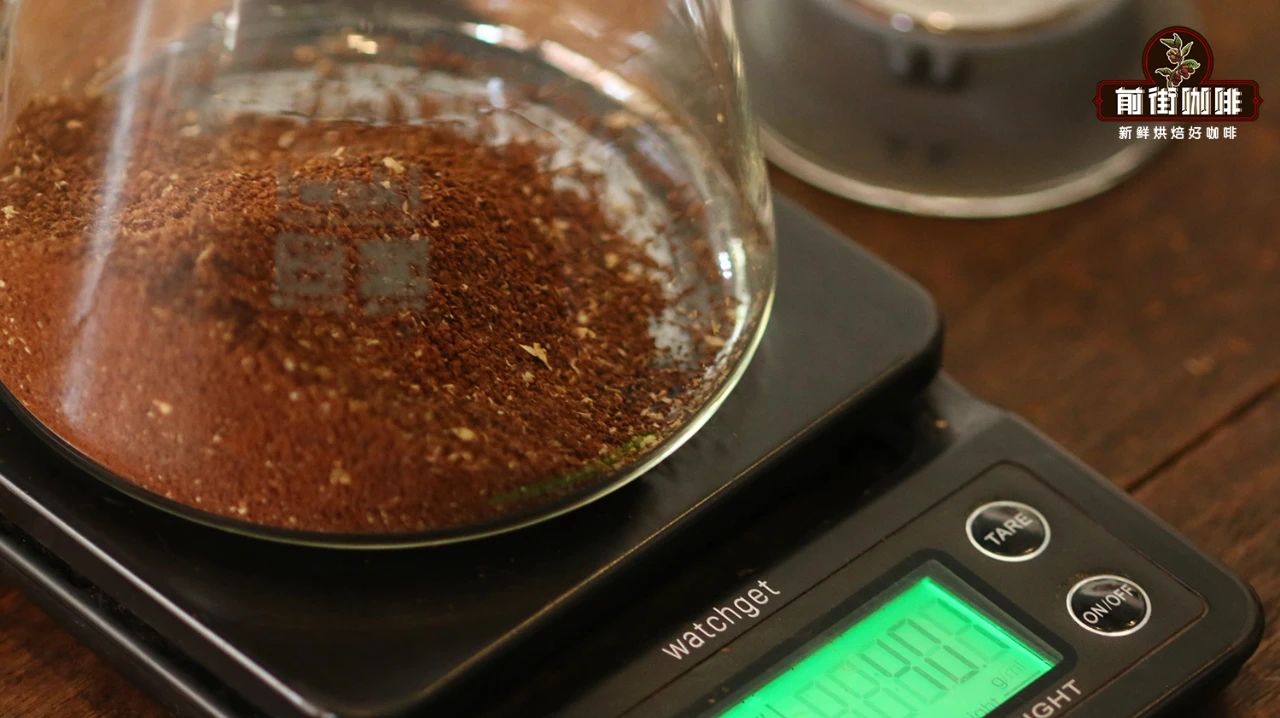
So-called cold brew refers to the process of combining ground coffee with room temperature or cold water and allowing it to steep for several hours in a low-temperature environment, enabling the gradual extraction of coffee flavor compounds. The coffee grounds are then filtered out using a filter medium to yield a clear and smooth iced coffee. All you need to get started is simple equipment such as coffee grounds, a clean container with a lid, and a refrigerator—your cold brew journey awaits.
Compared to hot water extraction methods such as pour over or espresso, cold brew offers much greater flexibility in parameters. From the roast date of the coffee beans, the material of the brewing container, coffee-to-water ratio, grind size, to steeping time, there's a lot of room for adjustment. As long as you’re not using extremely extreme combinations, most setups can still yield a decent cup of coffee, making it ideal for beginners to experiment with.

That said, steeping time remains one of the most important factors affecting cold brew flavor.It is generally recommended to keep the steeping time between8 to 18 hours.
If the time is too short, such as less than 8 hours, insufficient extraction of aroma and flavor compounds may result in a thin-tasting and underwhelming cup; if it exceeds 18 hours, over-extraction can occur, leading to bitterness or off-flavors. One experiment tested the same coffee beans steeped for 6, 10, 16, and 24 hours, and the results showed that the 10 to 16 hour range delivered the best cold brew performance, with the most balanced flavor, rich aroma, and full body.Another common misconception is that "the fresher the coffee beans, the better." While freshly roasted coffee beans often showcase more vibrant aromas when brewed with hot water, cold brew is different. Freshly roasted beans contain high levels of carbon dioxide, which can inhibit aroma release to some extent—especially during the cold and slow steeping process, where gas escapes even more slowly. This can lead to incomplete extraction and a flat-tasting coffee. Therefore, it’s recommended to usecoffee beans roasted more than 10 days prior,
at which point the carbon dioxide has been mostly released, helping the flavors dissolve more effectively into the coffee liquid.
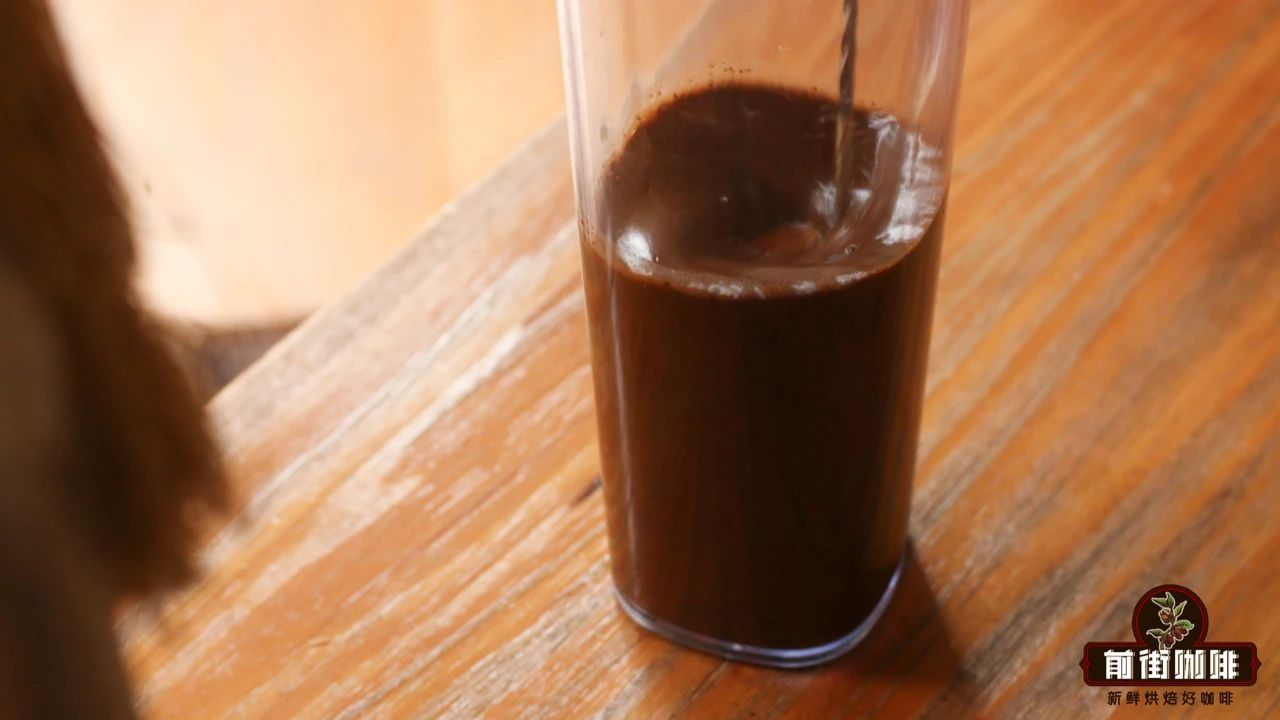
Additionally, many people, after adding water, simply seal the container and put it in the fridge, which can lead to uneven distribution of coffee grounds—with some areas not fully saturated by water, resulting in inconsistent extraction. It’s recommended to stir the coffee grounds and water thoroughly before steeping, using a stirring stick or long spoon to ensure every coffee particle is in contact with water. If using a sealed bottle, you can gently shake it with the cap on to achieve even mixing. After steeping, it’s also advisable to stir again before filtering, helping suspended coffee particles redistribute and facilitating more complete filtration later.
Filtration is one of the key steps that affects the mouthfeel of cold brew. Common filtration tools include built-in filters in cold brew pitchers, metal filters, filter paper, and French press cloth. These vary in mesh size and filtration effectiveness. For example, some cold brew pitchers have filters with around 245 mesh, which can block most coffee grounds, but extremely fine particles may still pass through—resulting in a slightly oily surface, a rougher mouthfeel, and even visible sediment at the bottom of the cup.
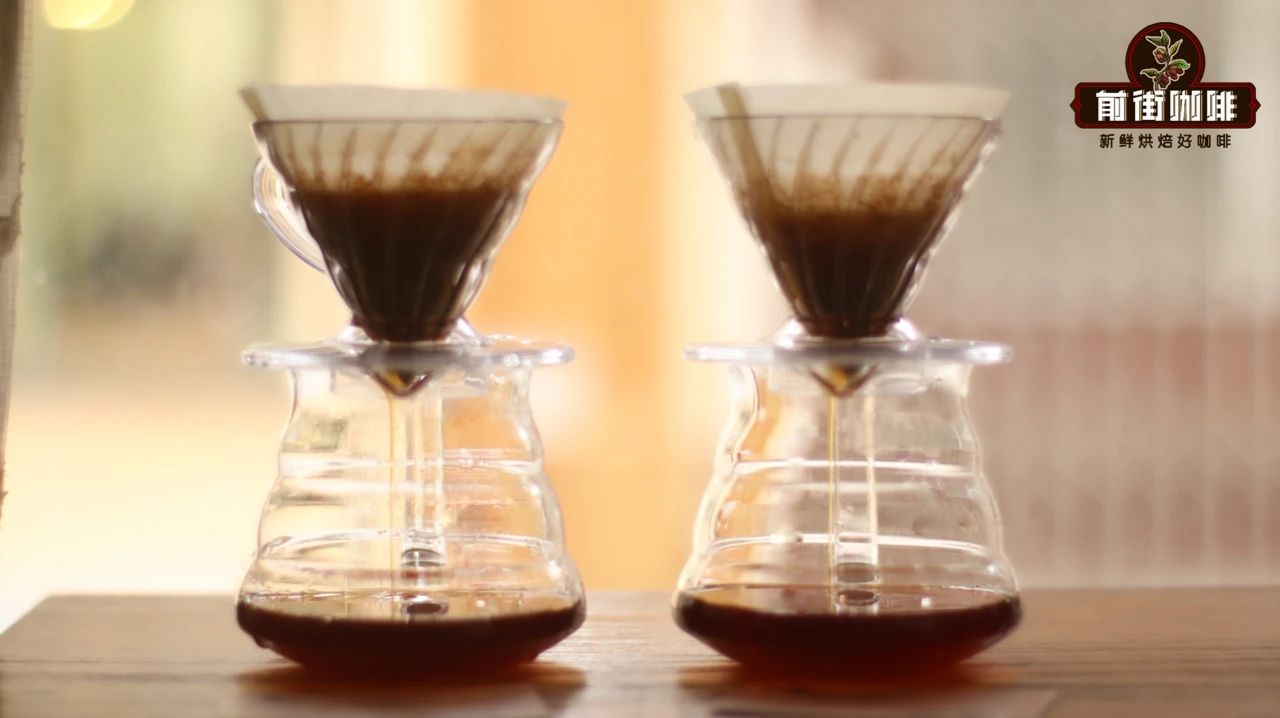
To enhance your drinking experience, it’s recommended to perform a secondary filtration using high-density filter paper, which can effectively remove fine particles and some oils, resulting in a cleaner and smoother coffee taste. After filtration, allow the coffee liquid to sit in the refrigerator for 3 to 4 hours, giving the flavors further time to settle and integrate. This helps the final coffee achieve a more rounded flavor, clearer acidity, and an overall profile closer to professional-grade quality.
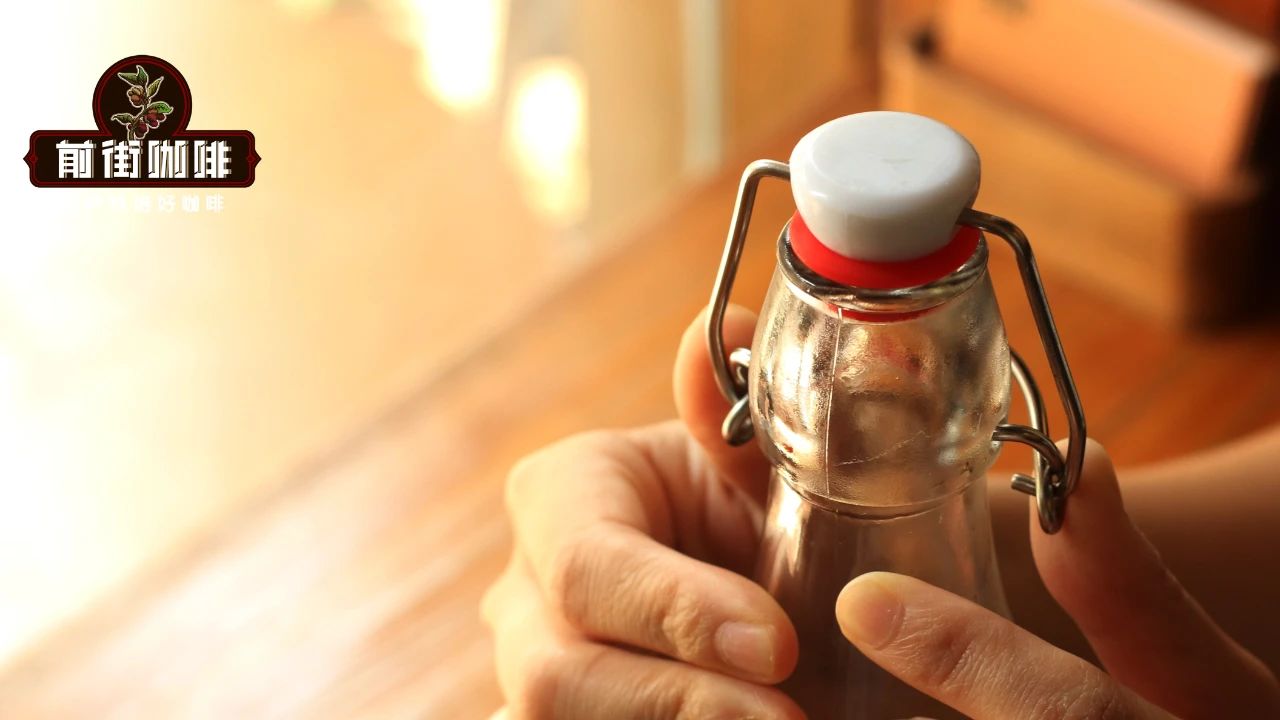
Do you need to refrigerate cold brew after it’s done? The answer is yes. Although the cold brew process already takes place at low temperatures, to prevent external contamination, it’s recommended to store the filtered coffee in a clean, tightly sealed container. Placing the filtered coffee in the fridge for 3 to 4 hours helps stabilize the flavor further and allows the compounds in the coffee to ferment slowly in the cold environment, contributing to a rounder, richer mouthfeel. Many shops also carry out this step before shipping to improve product consistency and flavor performance.How long can cold brew be stored? It is generally recommended to consume it within5 days

The above content is compiled by CoffeeHunters, a coffee news website.


