








Introduction:Cold brew coffee has become a favorite among many coffee enthusiasts in recent years, not only because of its simple preparation method but also due to its unique flavor profile. What is the difference in caffeine content between cold brew and traditional Americano? Which one is more suitable when you need a pick-me-up? This article delves into the key differences between cold brew, Americano, and pour over black coffee—from extraction principles and flavor characteristics to scientific research data—to help you choose the most suitable type of coffee based on your needs, and master practical cold brew preparation tips.
Thanks to its easy preparation process and captivating taste, cold brew coffee is widely popular both at home and in coffee shops. Compared to traditional high-temperature extraction methods, cold brew uses low-temperature long-steeping to more fully showcase the inherent flavor characteristics of the coffee beans, and is also more approachable for those new to coffee.
This low-temperature extraction method not only makes the coffee flavor purer and richer but also brings a smoother mouthfeel and abundant sweetness. In addition,the caffeine content of cold brew coffee is generally higher than that of regular iced Americano, making it more effective in providing an energy boost, and thus suitable for moments when you need to stay alert and focused.
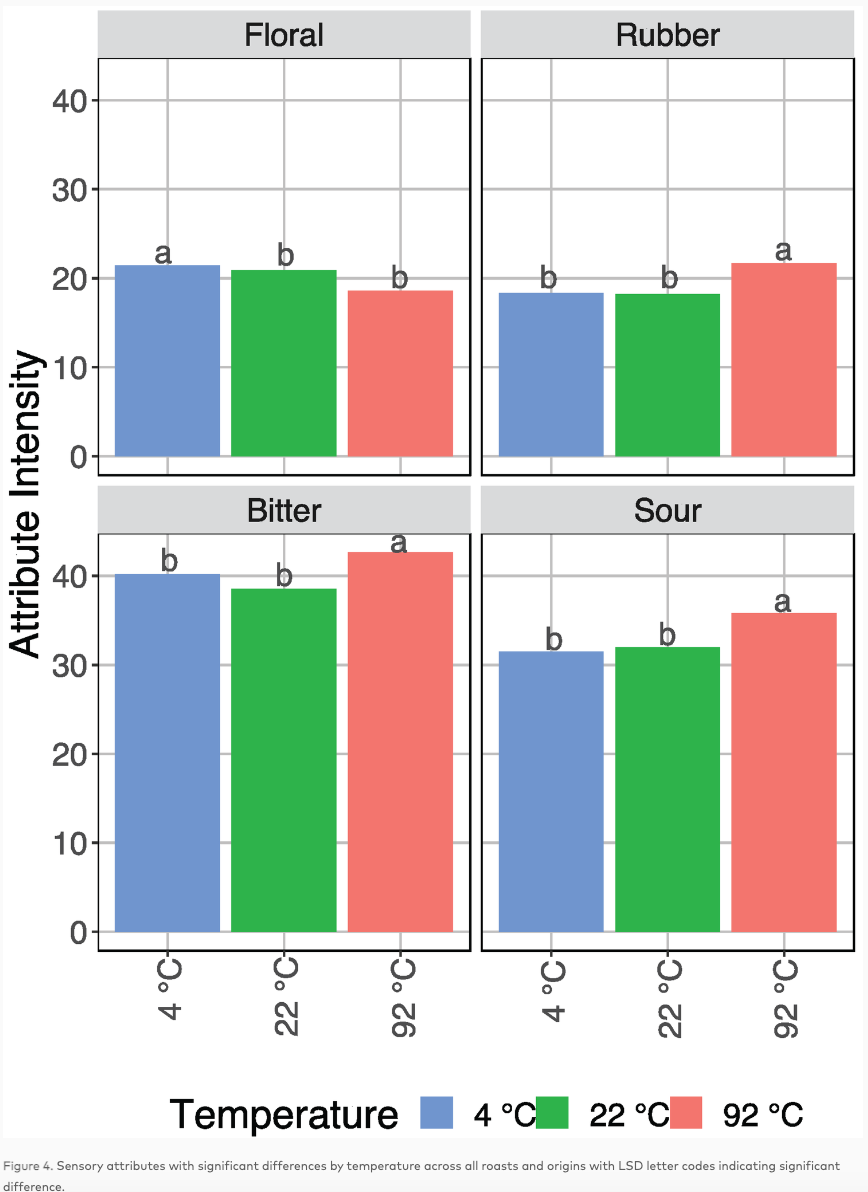
According to the latest coffee science research, coffee extracted through low-temperature immersion performs better in terms of flavor complexity. This extraction method can effectively reduce bitterness, acidity, and common off-flavors, while enhancing the release of floral and fruity aromatic compounds. These differences apply to coffee beans from various origins and roast levels, demonstrating the significant impact of temperature on extraction results.
The study specifically points out four key sensory attributes that are clearly related to extraction temperature: bitterness, acidity, and rubbery off-notes are more pronounced in high-temperature extraction, while floral characteristics are more abundant in low-temperature extraction. Even with the same coffee beans, dosage, and grind size, the rate and proportion of various chemical components dissolving differ significantly due to water temperature.
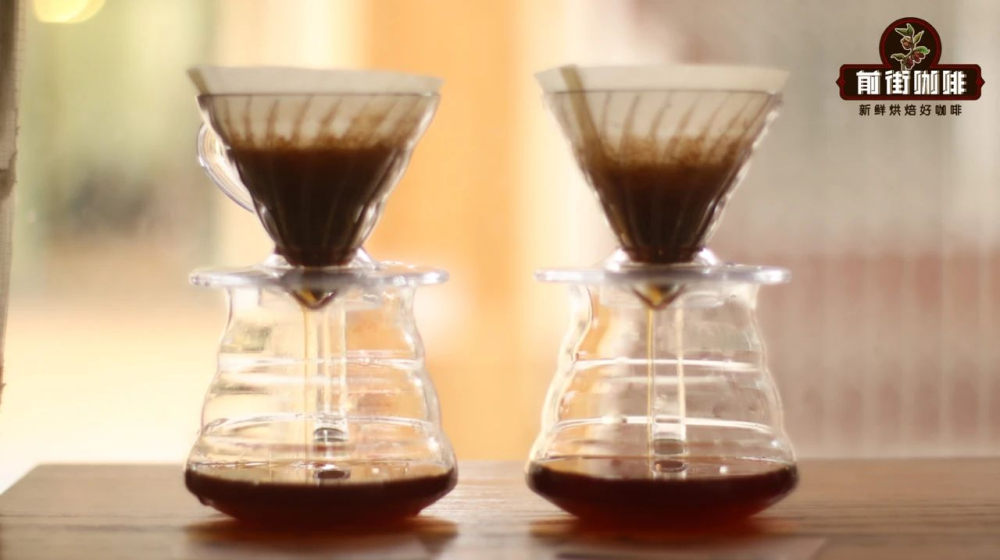
During high-temperature extraction, tannic acid is prone to breaking down into quinonic acid, coupled with the rapid release of fatty acids, which often leads to noticeable bitterness and sharp acidity in the coffee. In contrast, cold brew, using low-temperature water throughout the process, allows acidic substances to gradually transform, resulting in lower acidity and softer bitterness, while also effectively preserving more delicate aromas and avoiding aroma loss caused by high-temperature evaporation.
Nowadays, the flavor trend of coffee beans on the market leans towards bright acidity and light body, which, while favored by some consumers, also deters many who are averse to strong acidity or traditional heavy-bodied flavors.With its gentle acidity, low bitterness, and prominent floral and fruity aromas, cold brew coffee perfectly caters to modern consumers’ preference for a refreshing taste.
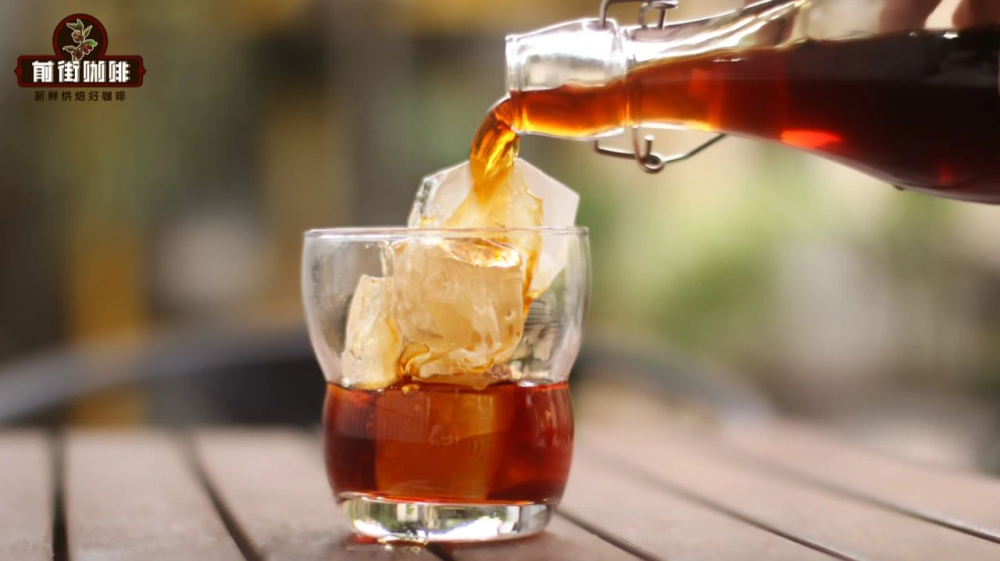
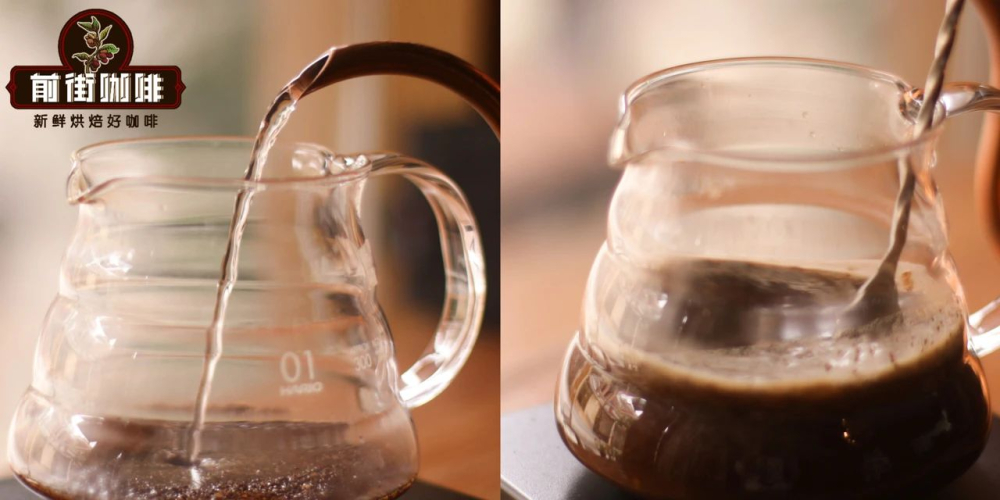
In terms of actual cold brew preparation, it is recommended to use a jar or pitcher as the container, placing pre-ground coffee powder inside and adding cold water at acoffee-to-water ratio of 1:12. Then let the mixture sit in the refrigerator or at room temperature for 8 to 12 hours before filtering for consumption. During this process, the grind size of the coffee powder is recommended to be similar to that used for ice drip coffee. If coarser particles are chosen, the steeping time should be extended accordingly to ensure sufficient extraction.
Once completed, cold brew coffee can generally be stored in the refrigerator for 5 to 7 days while maintaining a certain level of flavor. There are also cold brew-specific coffee makers available on the market, featuring built-in filtration designs that greatly simplify the filtering step, making the preparation process smoother and more convenient.
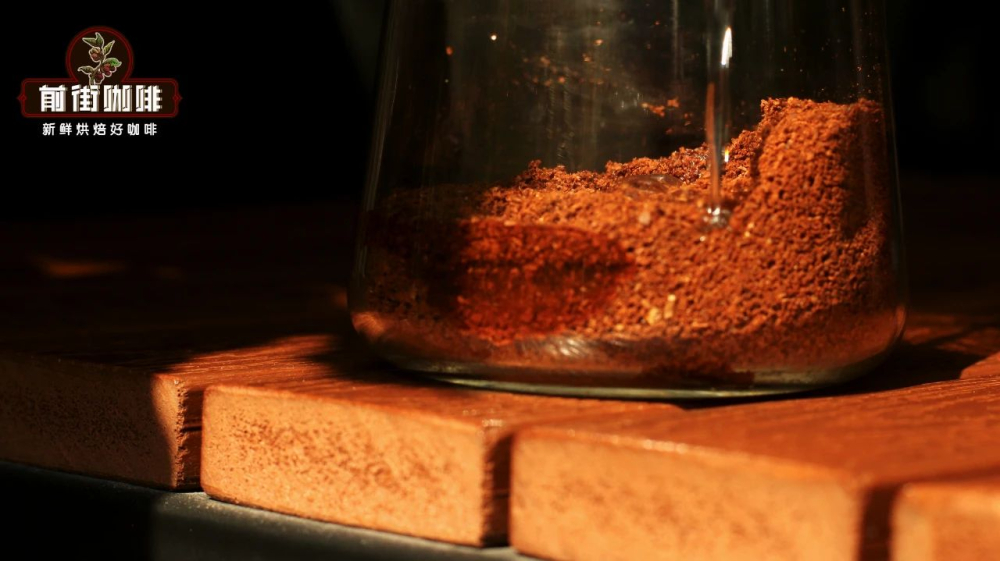
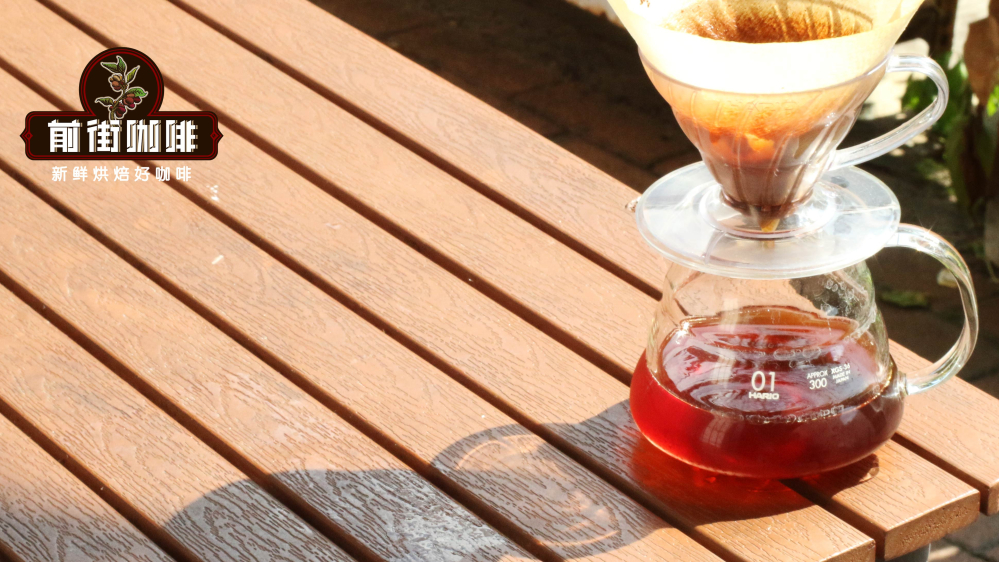
Cold brew coffee differs significantly from common Americano (usually black coffee made by diluting high-temperature extracted coffee with water) in terms of extraction method, flavor profile, and caffeine release efficiency. Americano, due to its high-temperature rapid extraction, often carries stronger acidity and sharper mouthfeel. Although the caffeine content per unit volume may be similar, the actual energizing effect can vary due to differences in total extraction volume and consumption amount.
Overall, if you are seeking a coffee experience that is gentler, lower in acidity, with prominent floral and fruity notes, while still delivering a decent energy boost, cold brew coffee is undoubtedly a worthwhile option to try. Whether you're looking for a refreshing pick-me-up on a hot summer day or exploring the diverse flavors of coffee in your daily routine, cold brew offers a uniquely delightful taste experience.
The above content is compiled by CoffeeHunters, a coffee news website.


