







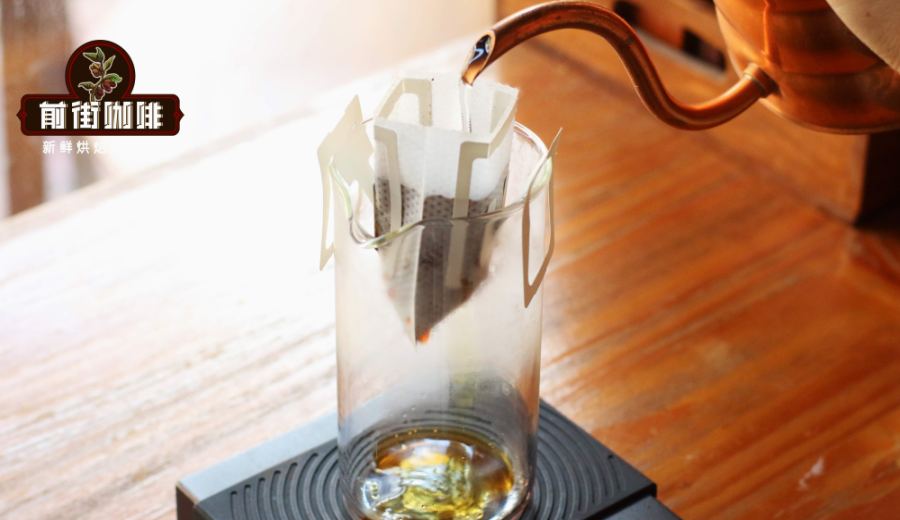
Introduction:Although both drip bags and instant coffee emphasize convenience, they differ greatly in production processes, flavor profiles, and health impacts. This article provides an in-depth comparison of their brewing techniques, processing principles, optimal consumption timelines, along with practical storage tips and extraction parameters to help you make a more suitable choice based on your needs. It also recommends several classic coffee bean varieties that are well-suited for making drip bags.
Though both drip bags and instant coffee offer convenience, they are fundamentally different. Drip bags are a form of pre-ground coffee, containing real coffee grounds that do not dissolve directly in water. They require brewing through a drip bag filter using hot water, where the paper filter separates the grounds and extracts the coffee. In contrast, instant coffee is produced by extracting roasted coffee beans at high temperatures, concentrating them, and then dehydrating them into soluble powder that dissolves instantly in water. Understanding these differences can help you determine which type of coffee better suits your taste preferences and lifestyle.
Production Techniques and Flavor Preservation Are Vastly Different
After coffee beans are roasted, they accumulate a large amount of carbon dioxide internally, which temporarily seals in the coffee's aroma and flavor. However, once the beans are ground into powder, their surface area increases significantly, causing aromatic compounds to dissipate quickly. Drip bag coffee is pre-ground to an appropriate coarseness before packaging and sealed individually in filter bags. Even so, it is still not possible to completely prevent flavor loss, so the optimal flavor period is usually20 to 25 days, and it is recommended to enjoy it within this time frame for the best flavor experience.
In comparison, freshly ground coffee is ground just before brewing, preserving the original aromatic compounds of the coffee to the greatest extent. If the coffee beans are freshly roasted and properly stored, their optimal flavor period can last up to30 to 45 days. Therefore, if you are pursuing ultimate flavor, freshly ground coffee is still the top choice.
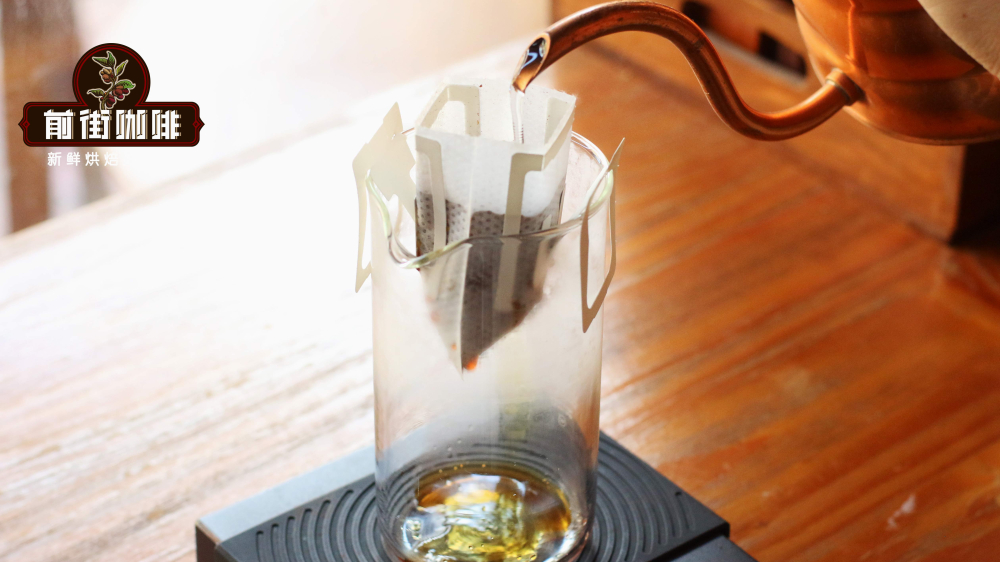
The Fundamental Differences Between Drip Bag Coffee and Instant Coffee
The coffee particles in drip bags are actual coffee grounds, primarily composed of plant fibers that are not easily soluble in water. As such, they cannot dissolve directly in water but require extraction through immersion and percolation using the filter bag and hot water. This process preserves more of the coffee’s original flavors and layers. The brewed coffee is typically rich in aroma and has a full-bodied taste, making it suitable for drinking black or customized with milk or sugar according to personal preference.
Instant coffee, on the other hand, undergoes processes such as high-temperature extraction, concentration, and spray drying, where soluble substances and additives (such as non-dairy creamers, sugar, etc.) are mixed into a powder. As a result, it can dissolve rapidly in water. Although it is convenient to brew and affordable, it often lacks the complex flavors of real coffee and may contain additional ingredients. Long-term or excessive consumption is not recommended.
How to Brew Drip Bag Coffee Correctly?
Brewing drip bag coffee is simple, but mastering the details can further enhance its flavor:
1. Prepare a straight-sided cup, pour in hot water to preheat the cup, then discard the water.
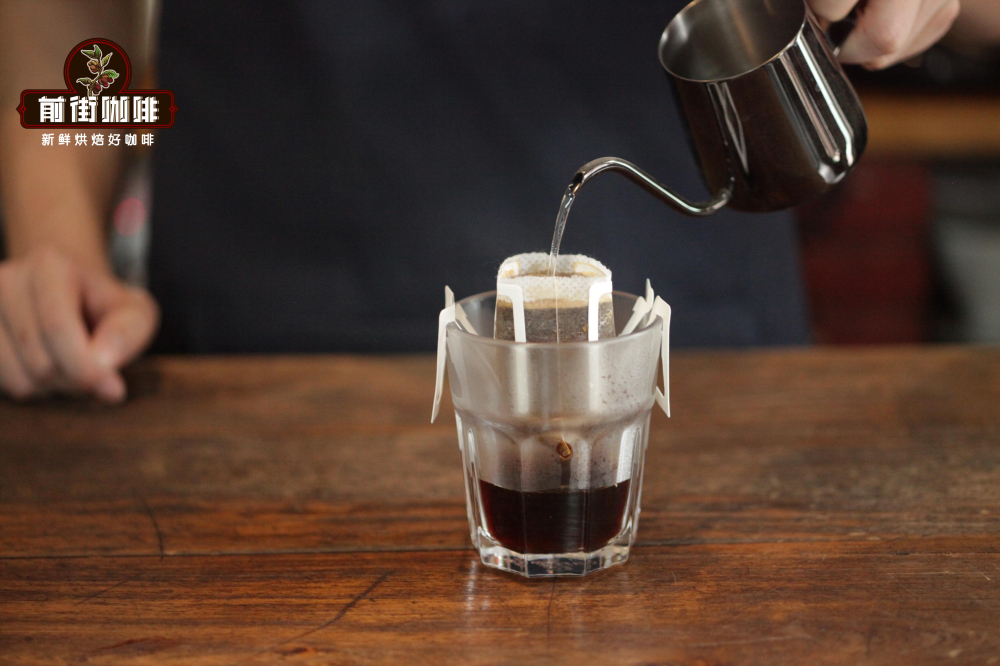
2. Open the drip bag package, tear along the dotted line to open the filter bag, and hang the two “ears” on the rim of the cup.
3. It is recommended to usehot water at around 92°C(if you don’t have a thermometer, let boiled water cool slightly).
4. First, pour about20ml of hot waterto evenly wet the coffee grounds, then let it bloom (steep) for about30 secondsto awaken the coffee aroma.
5. Then slowly pour in130ml of hot water(approximately double the volume of the drip bag), and it is recommended to use a narrow-spout kettle to pour in a steady circular motion from the inside out to ensure even extraction.
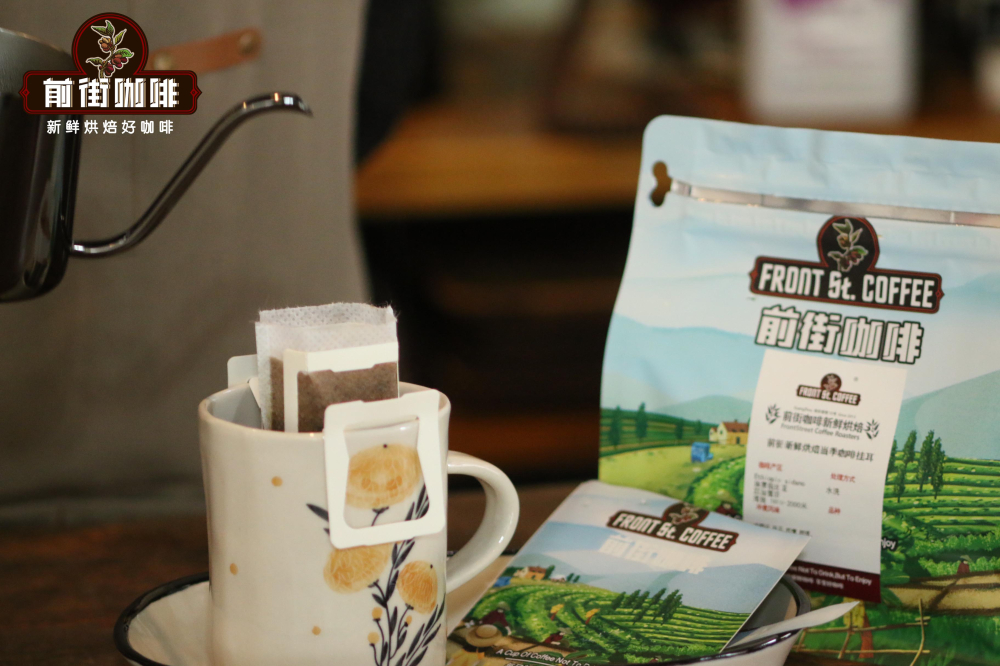
If you don’t have a narrow-spout kettle, you can also use a regular kettle, but pay special attention to maintaining a stable water flow and consistent pouring rhythm.
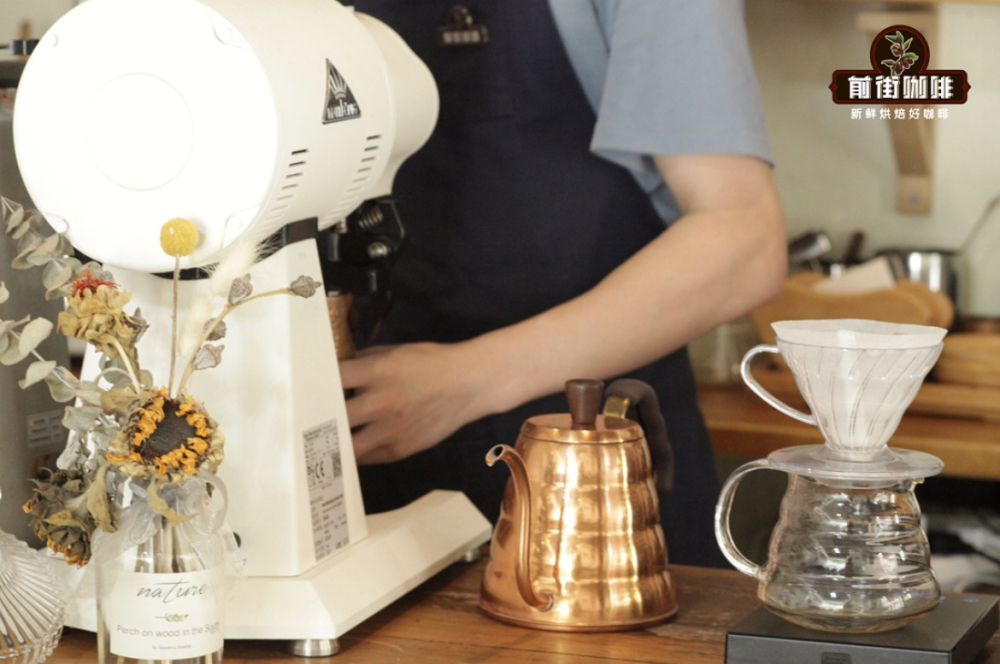
Storage Tips and Flavor Maintenance Techniques
Since drip bag coffee is already in a pre-ground state, its flavor deteriorates faster than freshly ground coffee. Therefore, it should be consumed as soon as possible after purchase. Ideally, it is recommended to finish it within20 to 25 daysafter roasting to fully experience the coffee’s layers and aroma. Additionally, store it in a cool, dry place, away from direct sunlight and moisture, to delay flavor degradation.
Three Classic Drip Bag Coffee Bean Recommendations
Below are bean varieties that are well-suited for making drip bags, with distinct flavor characteristics and high acclaim, ideal for coffee enthusiasts who enjoy trying different regions and processing methods.
1. Washed Yirgacheffe Gedeo Cooperative
Produced in the Yirgacheffe region of Ethiopia, at an altitude between1900-2300 meters, using the traditional washed processing method and local native coffee varieties. This coffee is known for its bright citrus and berry notes, complemented by lemon acidity and a refreshing green tea aftertaste, with a sugarcane-like sweetness balancing the overall flavor. It is suitable for those who enjoy fruity acidity and a fresh taste.
2. Brazilian Queen Estate
From the Mogiana region of Brazil, at an altitude of1400~1950 meters, predominantly the Yellow Bourbon variety, processed via the natural (sun-dried) method. This bean features a rich and mellow flavor, with aromas of dark chocolate, cream, and nuts. Its texture is round, and the aftertaste carries a subtle sugarcane sweetness. It is suitable for those who prefer a bold taste and low acidity.
3. Natural Honey Hua Kui
Originating from the 2017 Ethiopian TOH Natural Category Champion beans, produced in the Sidamo region at an altitude of2250-2350 meters, this is a local native variety processed using the natural (sun-dried) method. This coffee boasts unique strawberry cream aromas, with a mouthfeel as soft as floral tea and honey, accompanied by lemon acidity and black tea aftertastes. It has a rich layered profile and is highly distinctive.
The above content is compiled by CoffeeHunters, a coffee news website.


