







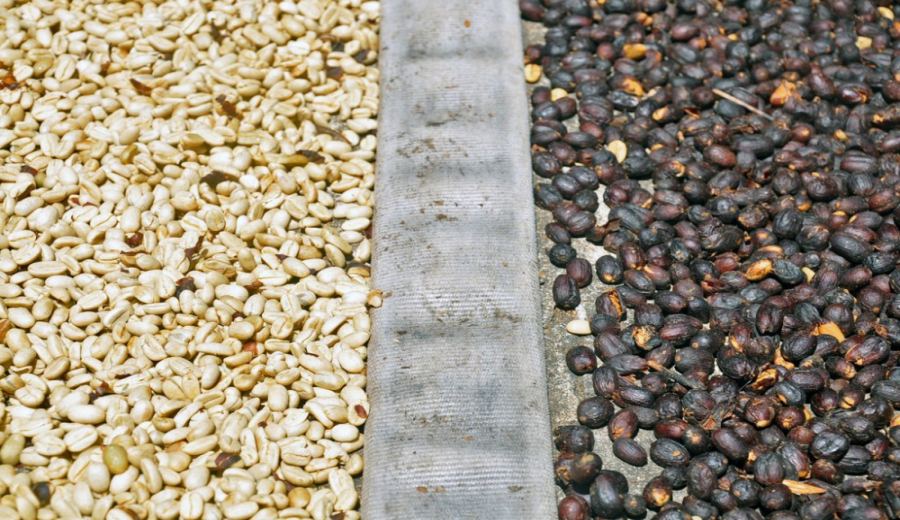
Introduction:Yirgacheffe Ariche G1 is one of Ethiopia’s representative specialty coffees, available in both natural and washed processes, showcasing distinctly different flavor profiles. This article delves into the geographic conditions of the region, the characteristics of the coffee variety, and the processing methods, while providing a detailed analysis of the flavor traits, roasting strategies, and cupping performance of the two processing methods. It aims to help you more accurately master the brewing essentials and tasting direction of this popular pour over bean.
As one of the birthplaces of coffee, Ethiopia’s high altitude, abundant sunshine, and moderate rainfall create ideal coffee-growing conditions, especially conducive to the use of the natural processing method. The natural process involves spreading freshly harvested ripe coffee cherries flat on raised beds or drying racks and allowing them to slowly dry under natural sunlight. The cherries must be frequently turned during this period to prevent mold, typically taking two to four weeks. This method preserves the maximum amount of sugar and fruit aroma from the pulp, resulting in coffee beans with intense tropical fruit, berry, and sweet flavor notes. The acidity is bright, the sweetness is rich, and there are unique fermentation layers.
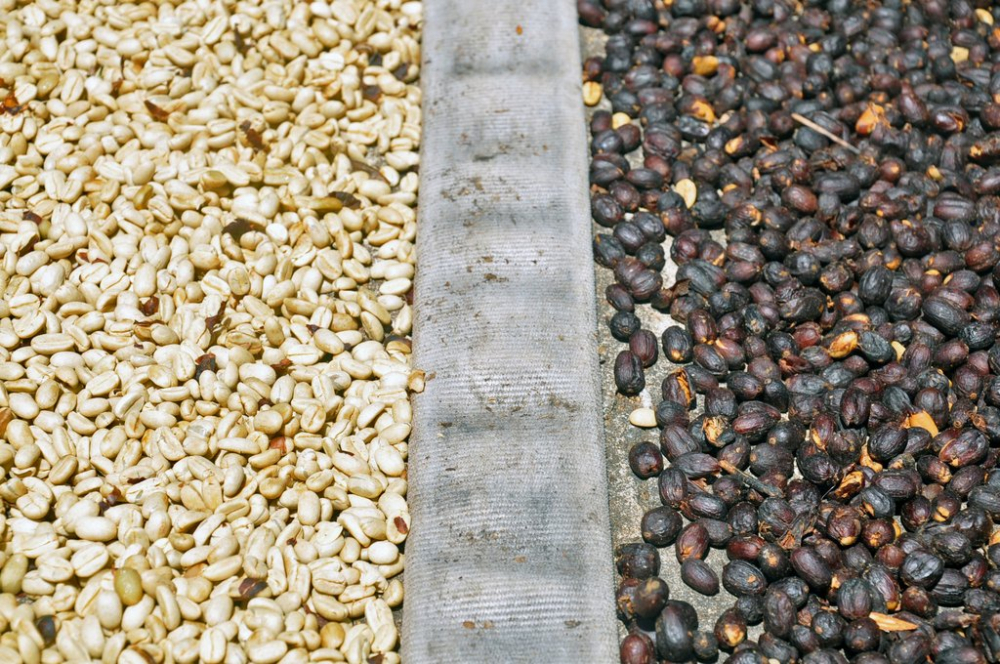
In a red cherry series launched by a certain brand, Yirgacheffe natural beans were used. By precisely controlling the weather and temperature during drying, along with moderate manual turning, the cherries gradually released their aroma and matured during the drying process. During the roasting phase, to highlight its acidic profile, the brand opted for a medium-light roast to ensure that caramelization did not overly interfere with the inherent flavors. Cupping results showed that this batch of natural red cherries exhibited clear floral notes, citrus acidity, and a finish with honey sweetness and a hint of spice. It is suitable for pour over or filter brewing, fully showcasing bright fruit acidity and layered complexity.
On the other hand, the Yirgacheffe Ariche G1 washed process beans present a distinctly different character. Grown at an altitude of 1900–2100 meters in the Gediyo micro-region, these beans are processed by the Kebel Aricha washing station, which gathers coffee from approximately 650 to 700 smallholder farmers. These farmers deliver their harvested ripe berries to the washing station, where they undergo strict sorting before being processed using the washed method. The washed process involves removing the pulp, fermenting to remove the mucilage, then washing with clean water and drying. The overall process is more precisely controlled, effectively reducing the intrusion of impurities and undesirable flavors, thus typically resulting in cleaner flavors, brighter acidity, and a more balanced sweetness and body.
The cupping profile of Ariche G1 washed beans starts with a light fermented wine-like aroma, followed by sweet orange, spices, and a honey-like finish, accompanied by complex fruit notes such as stone fruits, dark berries, lychee, and peach. The overall profile is refreshing and layered. The green beans have been rated G1 by the ECX, indicating that they meet Ethiopia’s high internal standards in terms of bean consistency, dry fragrance, and flavor purity. It is an excellent choice for pour over enthusiasts looking to explore the classic flavors of Yirgacheffe.
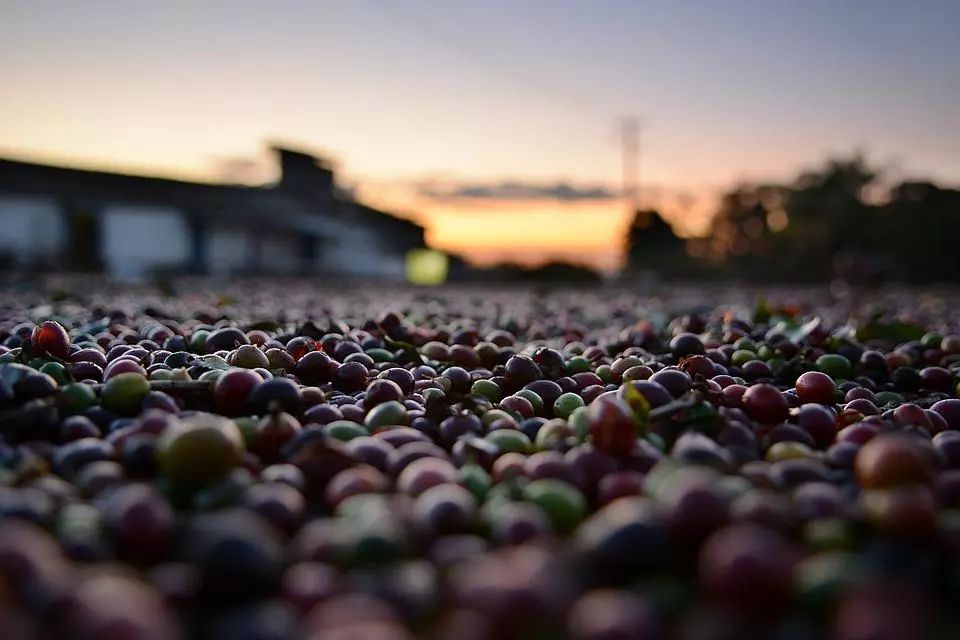
Regarding the confusion between the names Aricha and Idido, it actually stems from the fact that the washing station was previously affiliated with the well-known exporter Abdullah Bagersh. At that time, the coffee from this producing area was often labeled as Idido Misty Valley (abbreviated as IMV) and marketed under the Bagersh brand, thereby establishing a high-end image. Although the Aricha washing station is now under new management, most of the staff and basic processing procedures continue the previous standards, so the flavor profile remains stable and it is still considered one of the representatives of the Misty Valley region.
If you are further interested in the specialty coffee supply chain and green bean traceability, you may want to pay attention to initiatives like Project Origin, driven by World Barista Champion Sasa Sestic. This project aims to directly connect roasters with coffee farmers by offering purchase prices above the market average, encouraging farmers to invest in quality improvement and enhancing technical exchange between both parties. To date, it has established collaborations with producers in countries such as Brazil, Panama, and Ethiopia, contributing to the overall quality and traceability of specialty coffee worldwide.
The above content is compiled by CoffeeHunters, a coffee news website.


