







Introduction:Espresso is extracted under high pressure in a short period of time, resulting in an intense and concentrated flavor profile, but it is also extremely sensitive to extraction parameters. This article delves into the four core elements that influence flavor: grind size, dose, extraction time, and yield, analyzing how they affect flow rate and the final cup profile. It also shares practical adjustment tips to help you address common issues such as over-extraction bitterness, watery taste, or uneven extraction, mastering the skills to brew a balanced and aromatic shot of espresso.
Espresso is extracted using high-pressure steam in a short span of time. Though a single shot is only about 30 milliliters, it can showcase a rich and complex flavor. However, precisely because the extraction time is brief and the pressure is high, even slight changes in any parameter can significantly impact the final taste and aroma. This article focuses on four adjustable core parameters — dose, extraction time, yield, and grind size — analyzing how they influence flow rate and flavor development, and providing practical guidance for adjustment so you can more accurately control the quality of your espresso extractions.
Espresso originated in Italy in the early 20th century when people began using steam pressure to quickly extract coffee. This method gradually evolved into the well-known form of espresso we know today. The principle involves using high-pressure water to rapidly pass through a compact puck of coffee grounds, extracting aromatic compounds. Because the process is short, only some small, easily soluble molecules are fully extracted — these are key components that deliver aroma and layered flavors.
The extraction of a shot of espresso is influenced by multiple factors, including the boiler pressure and water temperature of the espresso machine, the evenness of coffee distribution, tamping pressure, dose, extraction time, yield, and most importantly, grind size. Among these, the pressure and temperature of the machine are mostly pre-set, while distribution and tamping can vary from person to person. Therefore, the variables most frequently adjusted during daily brewing are dose, extraction time, yield, and grind size.
Grind Sizeis one of the most critical factors determining the flow rate and extraction efficiency of espresso. The finer the coffee is ground, the greater the resistance the water encounters as it passes through, thereby lengthening the extraction time; conversely, if the grind is too coarse, water flows too quickly, which may lead to under-extraction. Not only does grind fineness play a major role,the uniformity of coffee particlesis also crucial. If particle sizes vary greatly, the density after tamping will be inconsistent, leading to uneven water flow and affecting the overall balance of flavors. Even a difference of just 1 gram in dose can result in several seconds' difference in extraction time for the same yield. Therefore, it is recommended to use a stable and precise grinder, and strive to maintain consistency in grind size.
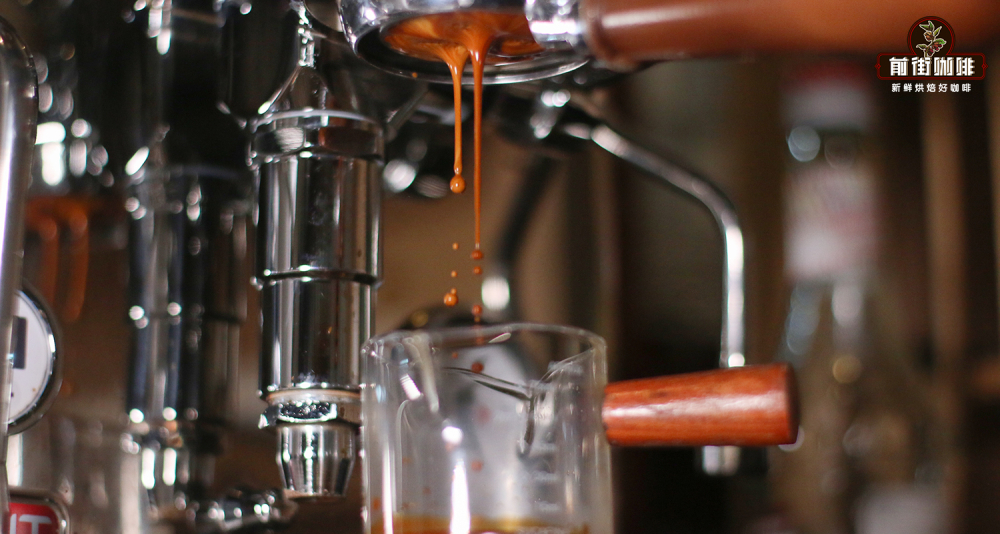
The so-calleddose-to-yield ratio, which refers to the ratio between the weight of coffee grounds used and the final weight of liquid extracted, is an important indicator for evaluating whether the extraction is appropriate. A standard double shot of espresso typically uses around 20 grams of coffee grounds with a target yield of 40 grams — the widely recommended ratio of 1:2. In the past, many baristas relied on observing changes in crema color to judge the end of extraction — stopping when the color shifts from deep brown to golden, and then to white. However, modern methods emphasize data-driven approaches, maintaining a consistent 1:2 dose-to-yield ratio helps achieve more uniform flavor profiles.
In terms of extraction time, it is generally recommended to aim forbetween 25 and 30 seconds. With a fixed dose-to-yield ratio, the shorter the extraction time, the faster the flow rate, meaning fewer substances are dissolved into the liquid, which may result in a thin or watery taste; on the other hand, too long an extraction may lead to over-extraction, releasing excessive bitter and burnt compounds. If you find that your espresso has a noticeable burnt or bitter taste but still has decent strength, it usually indicates the extraction time is too long, and you can adjust by coarsening the grind to speed up water flow. Conversely, if the flavor is too light or lacks complexity, the grind may be too coarse or the dose too low — in this case, try fine-tuning the grind to be slightly finer or increasing the dose slightly to extend extraction time and enhance the flavor concentration of the espresso.
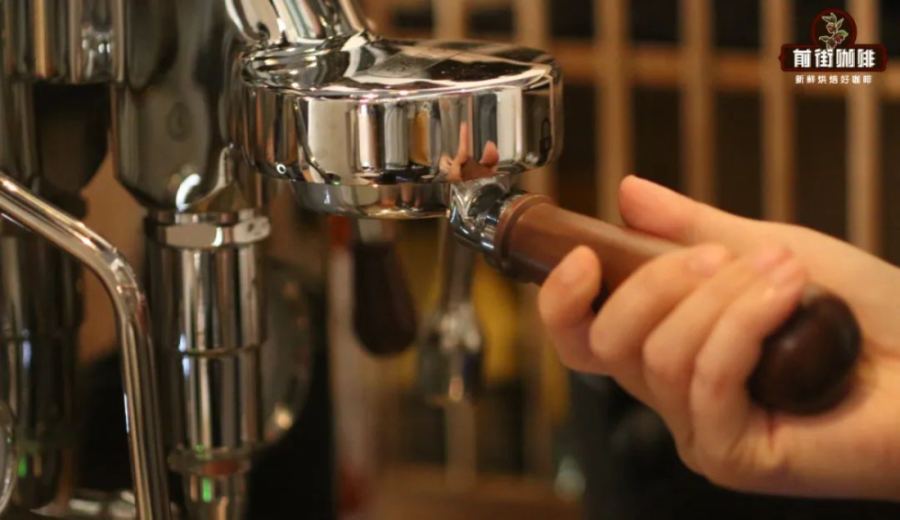
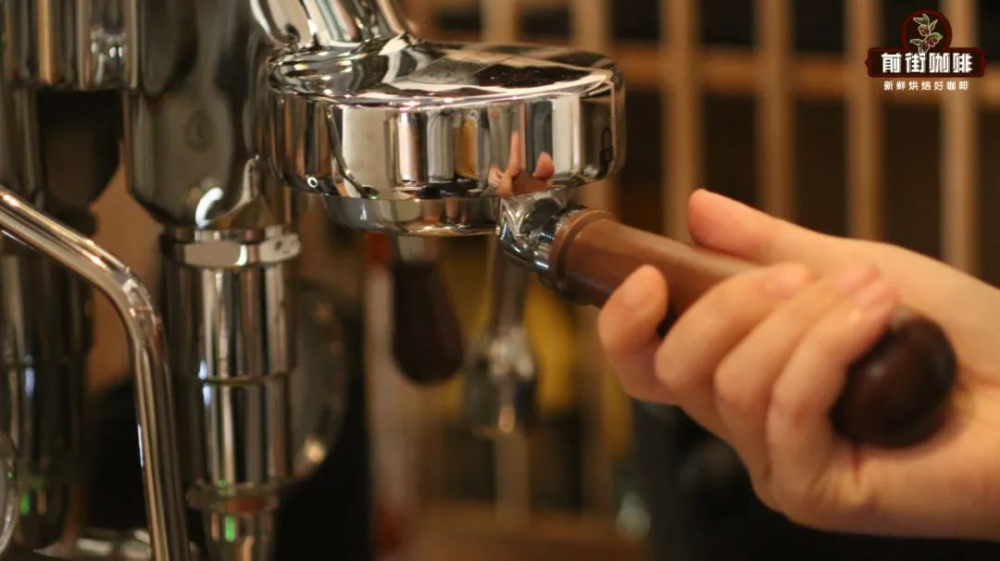
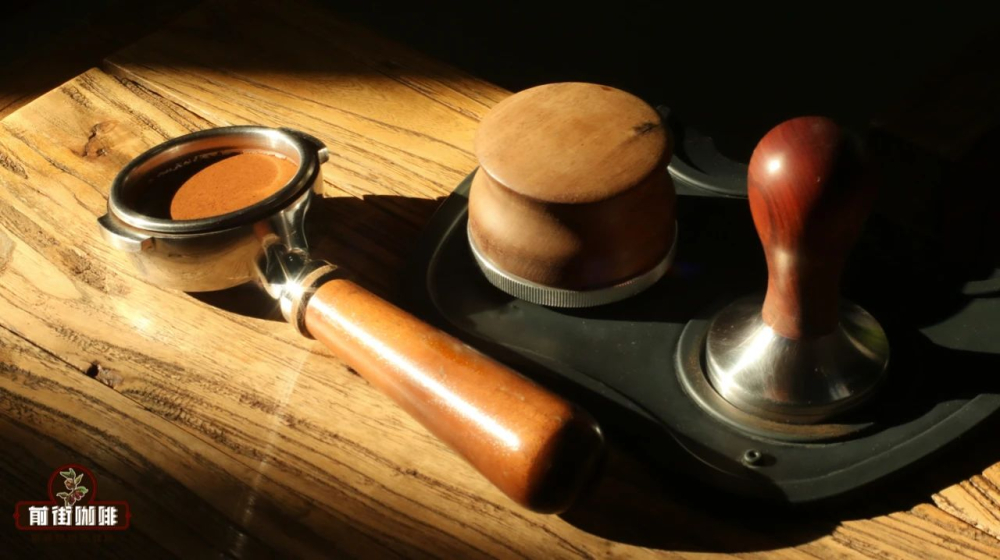
In addition to these data-driven adjustments, some practical operational details are equally important.Whether the coffee is distributed evenlyandwhether the tamping pressure is consistentboth directly affect puck density and the evenness of extraction. Uneven tamping may cause channeling, where hot water finds the path of least resistance, leading to localized over-extraction or under-extraction. Additionally, when locking the portafilter into the group head, make sure it is aligned steadily and avoid bumping the machine, as this could crush the puck and severely compromise extraction. After each extraction, it’s recommended to rinse the shower screen immediately with water to prevent residual coffee grounds from baking under heat, which could negatively affect the flavor of the next shot.
The top of an espresso is typically covered with a dense layer of golden foam, known as theCremacrema. This foam forms under high pressure from the carbon dioxide released by freshly roasted coffee beans. Not only does it carry a rich aroma, but it also serves as the foundation for creating latte art. The texture and thickness of the crema often reflect the freshness of the coffee and the state of the grind and extraction, so it is recommended to use coffee beans roasted within 5 days for the best results.
Finally, because espresso is extracted under high water temperature and pressure, it also places special demands on the roast level and blend of the coffee beans. Generally, dark roasted blends are better able to withstand high-pressure extraction, showcasing characteristics such as richness, sweetness, and caramel-like notes. Blends, by combining beans from different regions and processing methods, complement each other's shortcomings and provide a more stable and consistent extraction experience, making them the preferred choice for many specialty coffee shops.
The above content is compiled by CoffeeHunters, a coffee news website.


