








Introduction:In the face of China’s rapidly expanding coffee market, many are eager to open their own cafés, but can they really make easy profits? This article takes an in-depth look at the current state of the industry, breaking down the essential conditions for successful operation—from precise positioning and identifying target customer groups to financial planning—and warns against falling into the trap of price wars. It also explores common misconceptions among beginners and offers practical advice to help entrepreneurs fully prepare before opening their shops.
In 2023, China’s coffee consumption market continued to grow, and various impressive statistics have drawn the attention of many entrepreneurs, with opening a café becoming a top investment choice for many. But is it really as easy to run a consistently profitable coffee shop as outsiders imagine? In reality, beyond market potential, what matters more is whether entrepreneurs can grasp the core elements of running a business.
First, a clear store positioning is the first step to success. You need to clearly define your café’s core features—whether it focuses on specialty pour over coffee, quick takeout, or a leisure space. This will directly influence subsequent decisions on décor style, product offerings, and target customer demographics. At the same time, identifying the primary consumer groups in the surrounding area is also crucial. For example, the needs of customers in office districts differ greatly from those in residential areas, and incorrect positioning often leads to operational difficulties.
Funding preparation is another non-negligible aspect. In addition to the fixed expenses of initial decoration and equipment procurement, ongoing costs such as raw material expenses, rent, and staff salaries all require detailed budgeting in advance. Many beginners often underestimate the need for working capital, leading to cash flow crises shortly after opening.
Moreover, price wars are a trap that many new coffee shops easily fall into. Seeing competitors offer discounts and promotions, some operators follow suit by lowering prices. But without sufficient scale or cost advantages, this approach often only accelerates losses. Entrepreneurs are advised to build differentiated competitiveness by improving product quality, optimizing customer service, or creating a unique brand style, rather than relying solely on low prices to attract customers.
After a new shop opens, it usually goes through an “awkward period” where both customer traffic and revenue are unstable. Adequate pre-opening planning—including market research, positioning strategy, and budget control—can help shorten this adjustment period and lead to a stable profit phase more quickly. If the shop’s style does not match the needs of the surrounding customer base—for example, opening a high-end avant-garde café in a residential area or running a minimalist shop that only sells pour over coffee on a busy street—it may face the dilemma of having few or no customers.
It is worth emphasizing that opening a café cannot rely solely on personal passion or enthusiasm; solid professional knowledge is also essential. If you know nothing about coffee brewing, tasting, or roasting, it is recommended to first receive professional training to familiarize yourself with basic extraction parameters, the flavor characteristics of different coffee beans, and common brewing methods—such as the coffee-to-water ratio, water temperature control, and grind size for pour over. These are all key factors that affect the customer experience.
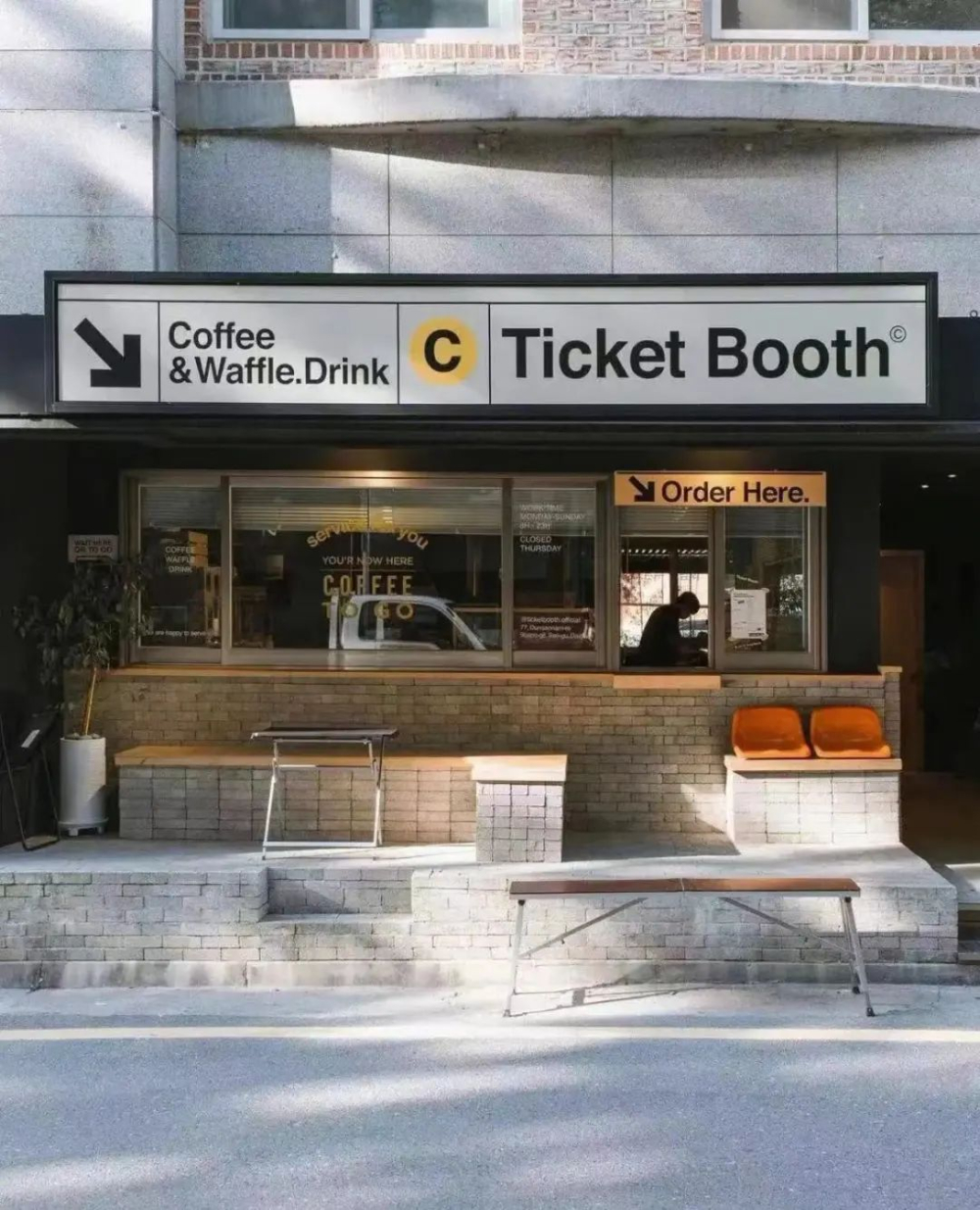 Only when you truly understand the market situation and master the technical skills of product production can you accurately define your target customer group, design a product line that meets their needs, and develop effective marketing strategies. Never invest your funds only to later discover that your capabilities are out of sync with market demand—that is often the most common reason for failure. Successful café management is built on solid preparation and continuous optimization.
The above content is compiled by CoffeeHunters, a coffee news website.


