







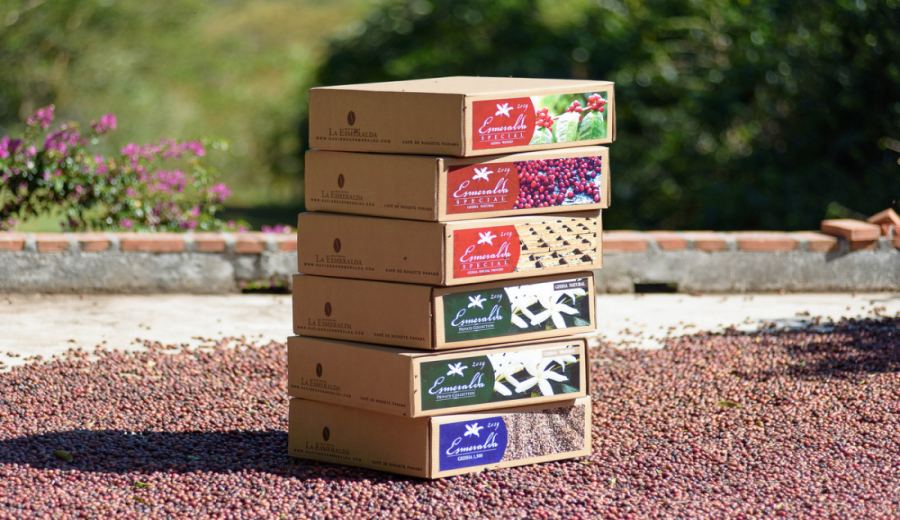
Introduction:An in-depth analysis of the flavor profiles, regional differences, and roasting parameters of the three-tiered Geisha offerings from Panama’s Hacienda La Esmeralda, along with expert pour over recommendations. From the high-altitude Jaramillo plots to the volcanic notes of the Blue Label, this article details the distinctions between the Red Label auction lots, Green Label blends, and the more affordable Blue Label options, and includes the Yang 800N roasting curve and V60 three-stage extraction parameters to help you master brewing top-tier Geisha.
The Geisha (Geisha) coffee variety became a legend in the specialty coffee world after winning the BOP competition at Panama’s Hacienda La Esmeralda in 2004. This Ethiopian-origin cultivar, refined by Panama’s high-altitude environment, exhibits unique floral and fruity characteristics. This article focuses on the estate’s three iconic grades — Red Label, Green Label, and Blue Label — analyzing their terroir variations, processing features, and brewing essentials, and through actual roasting and pour over parameters, takes you deep into the allure of this premium coffee.
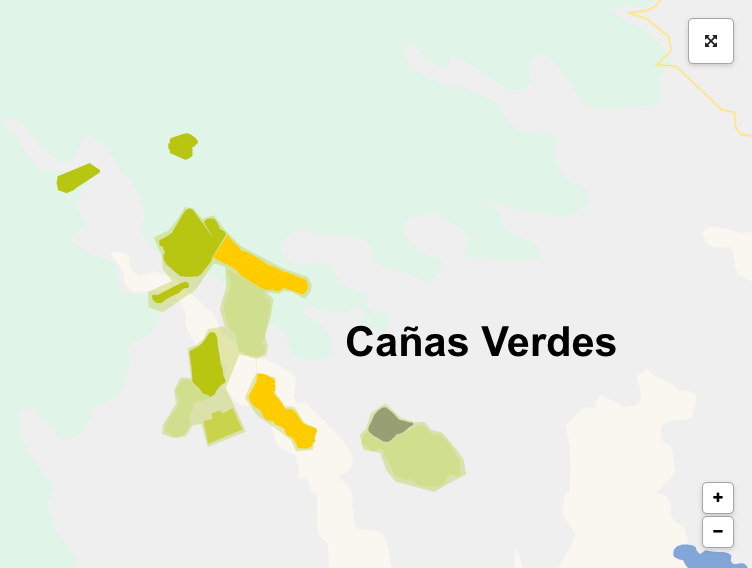
Hacienda La Esmeralda is located in Panama’s Boquete region, with its Geisha plantings divided among three core plots: Jaramillo, Cañas Verdes, and El Velo. Jaramillo, with an annual rainfall of 4000 mm, an 8–14°C day-night temperature variation, and high altitude (1600–1700 meters), produces Geisha with the most intense flavors, further subdivided into five micro-plots including Mario and Queen.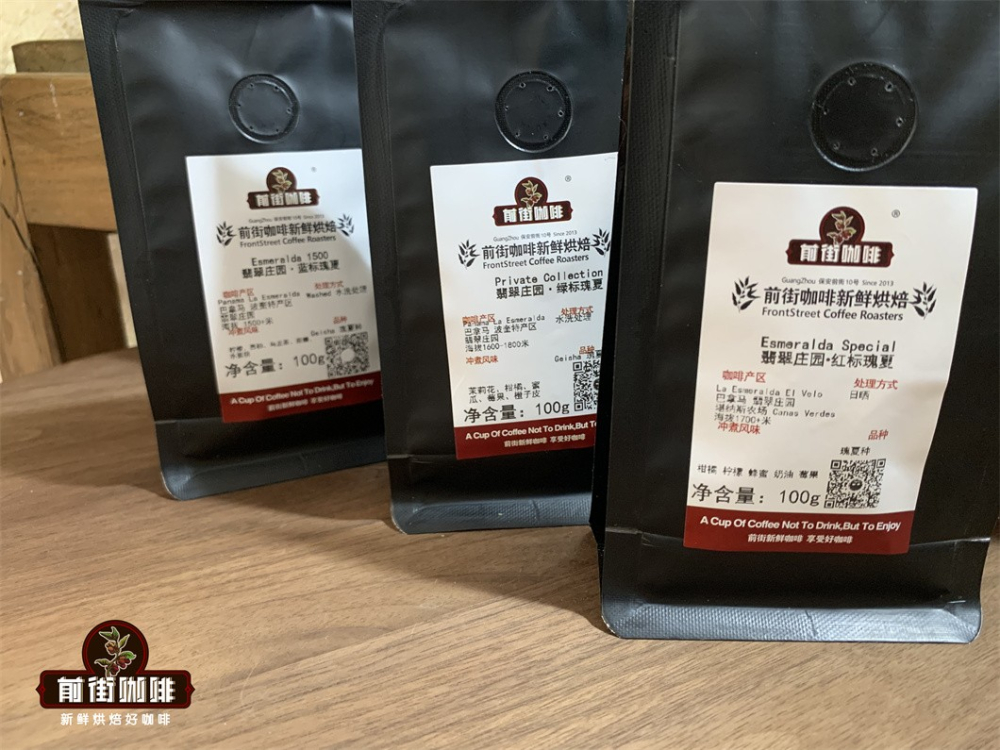 Cañas Verdes sits at a slightly higher elevation (1600–1800 meters), with an annual rainfall of 3500 mm and a stable microclimate that offers balanced acidity and sweetness; the newly developed El Velo plot (1700–1900 meters) experiments with mixed varieties such as Laurina and Pacamara, showcasing more experimental flavor profiles.
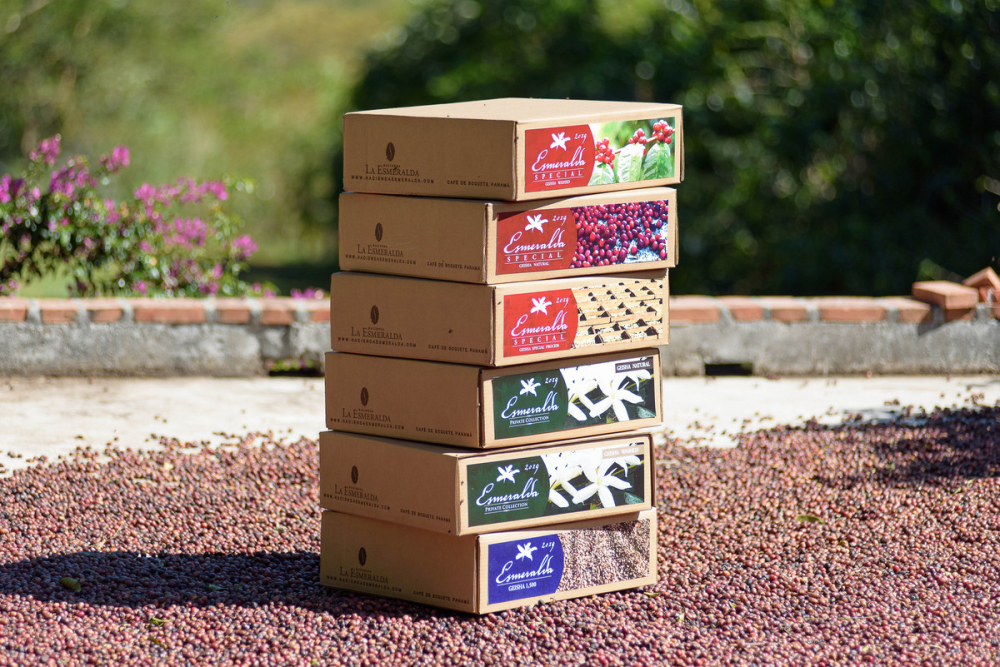
Hacienda La Esmeralda’s grading system reflects strict quality control: the Red Label is auction-grade Geisha, selecting only beans from Jaramillo and Cañas Verdes at altitudes of 1600–1800 meters with cupping scores above 90.For example, the natural Red Label from the Jaramillo plot, fermented under sunlight, exhibits intense floral aromas and berry-like acidity and sweetness.The Green Label consists of micro-lots not entered into auctions, though also from core plots, its flavor profile is slightly more restrained compared to the Red Label, and washed versions often carry a fresh jasmine and ginger flower note.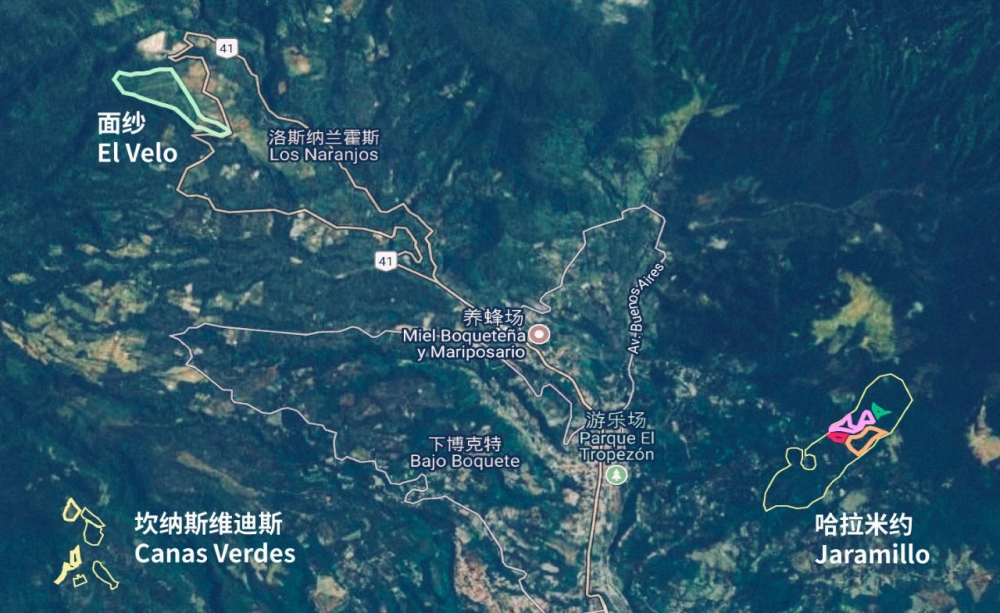 The Blue Label (formerly Geisha 1500) is positioned as an entry-level option, blending beans from all three plots at altitudes of 1400–1500 meters. Since 2020, a natural option has been added, offering a more affordable choice with slightly lower sweetness and fermentation-driven aromas.
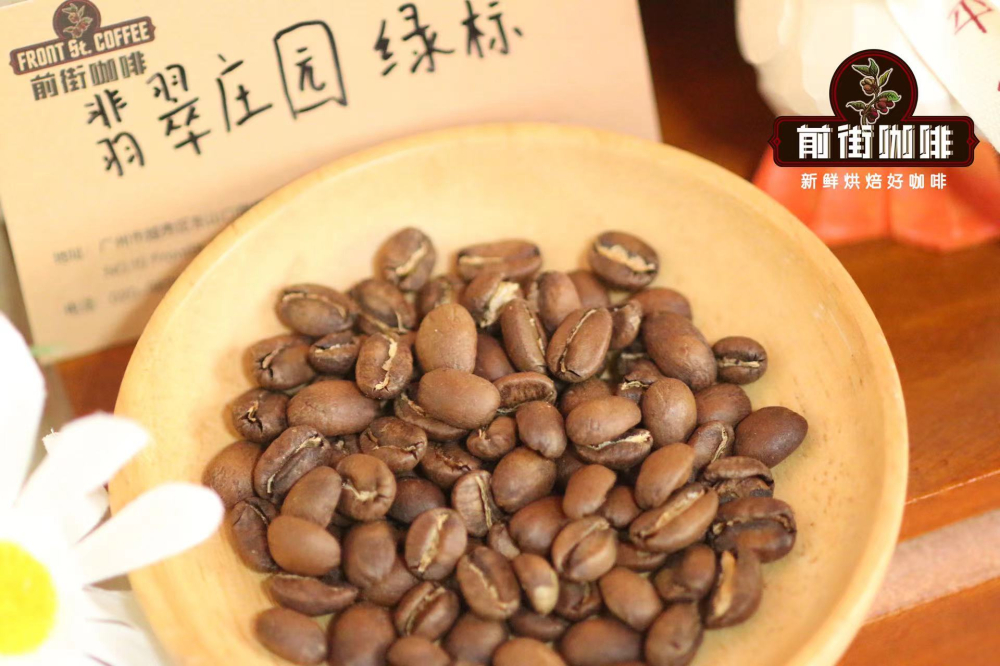
Roasting parameters need to be adjusted by grade: the Red Label is recommended to be lightly roasted to preserve floral and fruity notes, such as with the Yang 800N machine set at an inlet temperature of 150°C, developing for 1 minute 28 seconds after first crack and dropping at 189.5°C; the Green Label extends development time to 1 minute 30 seconds, with a drop temperature of 193.5°C to enhance body.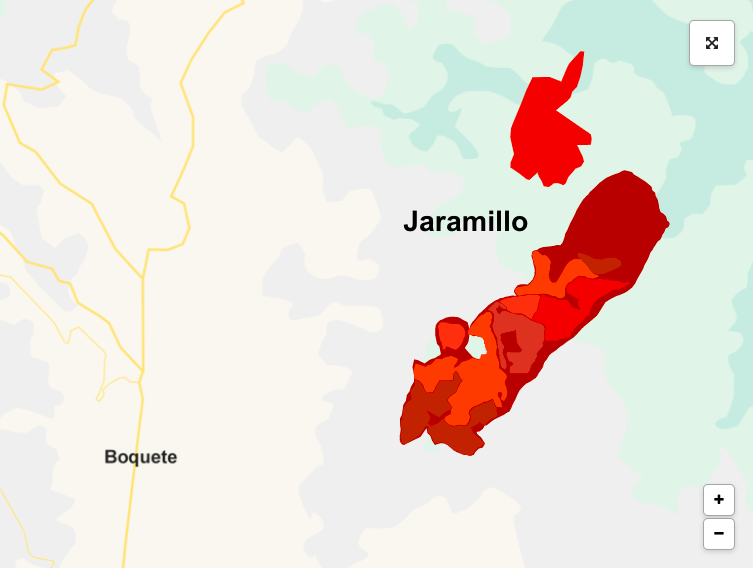 The Blue Label washed version uses a similar temperature curve, but shortens post-first-crack development to 1 minute 28 seconds, resulting in a brighter acidity. It is important to note that different processing methods (such as natural and washed) within the same grade may require fine-tuning of heat and air settings to avoid over- or under-extraction.
For pour over, it is recommended to use a V60 filter with water at 90°C, using a 1:16 powder-to-water ratio as the baseline. The Red Label suits medium-coarse grinding (e.g., BG#6M, 80% passing through a #20 sieve), with a three-stage pour: the first 30g bloom for 30 seconds, then pouring to 135g until the water level drops and topping up to 240g, with a total extraction time of about 2 minutes.This parameter balances floral-fruity aromas with citrus acidity, highlighting the layered complexity of Geisha.If brewing the Blue Label natural version, you can slightly reduce the grind size to 82% passing rate and extend the bloom time to 40 seconds to bring out the fermentation aromas.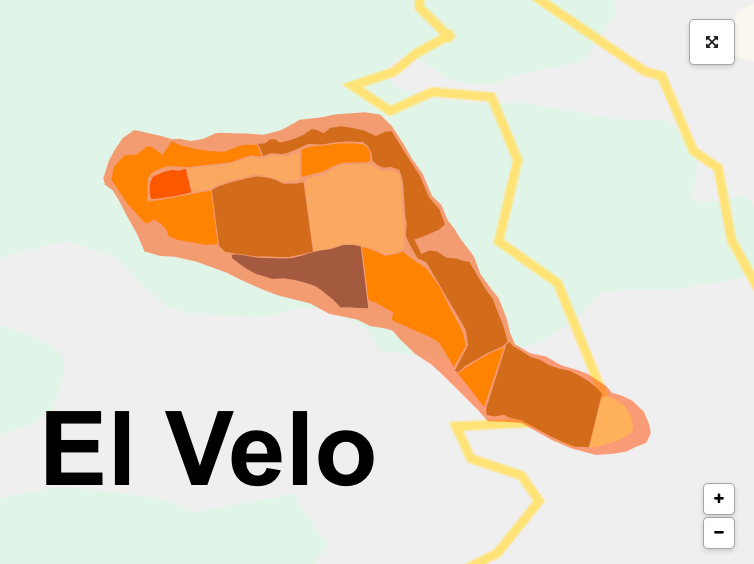
Janson Estate Geisha, a hidden gem in the Boquete region, features a natural bean from the Volcán region at 1750 meters altitude that presents tropical fruit tones similar to the Blue Label but more intense. Roasting requires extending the drying phase to 4 minutes, and post-first-crack development to 2 minutes 40 seconds to fully develop sugars.For pour over, a 1:15 powder-to-water ratio and superfine sugar grind are recommended, starting with 30g bloom followed by a circular pour of 125g, then topping up to 225g to complete extraction.This highlights its elegant citrus acidity and smooth black-tea-like finish.
In summary, the three grades of Hacienda La Esmeralda Geisha each have distinct characteristics: the Red Label leads with auction-grade quality and complex flavors, the Green Label offers balanced value, and the Blue Label lowers the barrier for more people to experience the charm of Geisha. Regardless of which grade you choose, precise control of the roasting curve and pour over parameters can unveil the layered flavor profile of this legendary bean.

The above content is compiled by CoffeeHunters, a coffee news website.


