







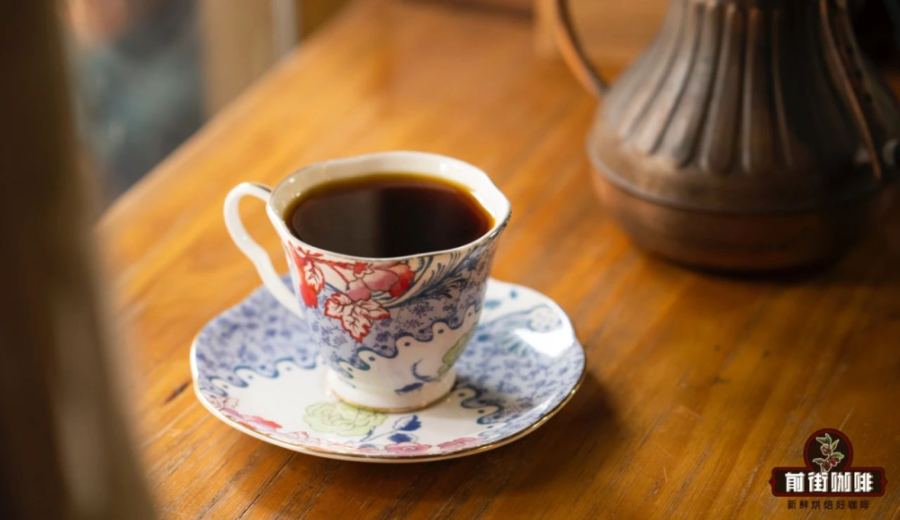
Introduction:Yirgacheffe coffee is renowned for its bright floral aroma and citrus acidity, making it the top choice for beginners in the world of specialty coffee. This article delves into its growing regions, the differences between washed and natural processing methods, and details how roasting and pour over parameters influence flavor, offering practical brewing tips to help you master the essence of this classic coffee.
The fame of Yirgacheffe (Yirgacheffe) coffee stems from its distinctive bright acidity and fresh floral notes, often serving as many people’s first introduction to light-roast specialty coffee. This flavor profile is no accident but the result of a combination of regional environment, processing techniques, and roasting strategies. From the high-altitude growing conditions to the intricacies of washed and natural processing, and further to roast levels and pour over techniques, every step deeply influences the final cup.

The Yirgacheffe region is located in Ethiopia, considered one of the birthplaces of coffee. With high altitudes, cool climates, and moderate rainfall, it provides an ideal environment for coffee trees. Local farmers often grow coffee on misty mountain slopes, frequently intercropping with bananas and other crops to create natural shade and microclimates. The significant diurnal temperature variation at high altitudes slows the ripening of coffee cherries, allowing them to accumulate richer aromatic compounds and delaying the harvest season to between October and January of the following year.
When it comes to the unique flavors of Yirgacheffe, the washed processing method plays a crucial role. In earlier years, the region mostly used traditional natural processing, but the quality was inconsistent, often with impurities or off-flavors from poor fermentation. In 1972, after Ethiopia introduced washed techniques from Central and South America, the situation improved significantly. In the washed process, coffee cherries are first floated to remove unripe ones, then the pulp and skin are removed. Next, the mucilage is broken down in fermentation tanks for 18 to 36 hours (adjusted according to temperature and humidity), followed by washing in channels to remove impurities. Finally, the parchment beans are dried on African beds for about 14 days. This method highlights the coffee’s citrus notes and white floral tones, resulting in a cleaner, brighter flavor — also the key reason Yirgacheffe stands out from the Sidamo region.

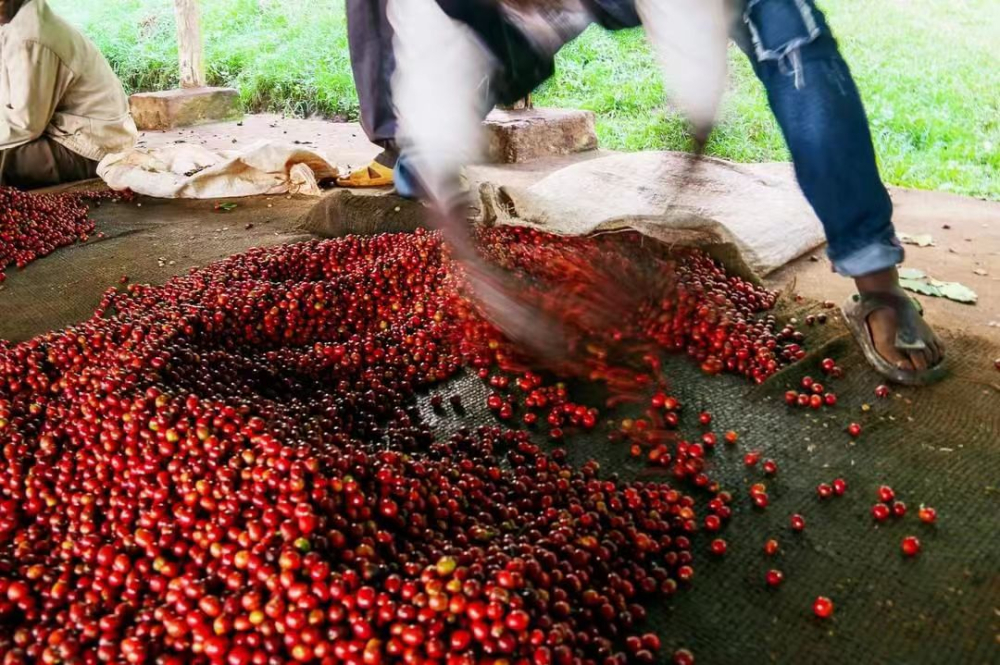
Of course, naturally processed Yirgacheffe has its own charm. For example, some high-quality batches involve slowly drying the coffee cherries in the sun, requiring frequent turning by hand to prevent over-fermentation. This method imparts a richer fruitiness and sweetness to the coffee, with a flavor profile quite different from the washed version, and is equally worth trying.
Roast level greatly impacts the flavor expression of Yirgacheffe. Light roasting preserves the coffee’s original acidity and fruity characteristics, avoiding the heavy bitterness brought by dark roasting. In the past, many people mistakenly thought all coffee was bitter and astringent, but the light roast of Yirgacheffe showcases pleasant lemon and berry acidity along with sugarcane sweetness, making it a favorite among many coffee newcomers. A moderate roast (close to medium-light) can maintain acidity while also preserving a certain level of sweetness and balanced aftertaste.
To brew a cup of Yirgacheffe with standout flavors, both bean selection and technique matter. It’s recommended to choose freshly roasted beans within 4 to 7 days of roasting, when the flavors are most vibrant. Since Yirgacheffe is a high-altitude hard bean, even after light roasting, the beans remain dense, so a slightly higher water temperature (around 91–92°C) is advised to fully extract aromatic compounds. The grind size is recommended to be medium-fine (e.g., 78% passing through a #20 sieve), paired with a V60 filter cone. Its spiral ridges aid in degassing, making it easier for acidic and aromatic compounds to be released.
A three-stage extraction is recommended: start with a 30-second bloom using 30 grams of water, then pour in a small circular motion until reaching 125 grams, pause when the water level drops and is about to expose the coffee bed, then continue pouring to 225 grams before stopping, with total extraction time controlled to around 2 minutes. This method balances acidity, sweetness, and aroma, showcasing the multi-layered flavors of Yirgacheffe.
After brewing, you’ll notice a distinct floral and fruity aroma. The first sip brings a refreshing lemon and berry acidity, accompanied by a bright sugarcane sweetness. As the temperature cools, the mouthfeel may shift to a green-tea-like crispness, with a long-lasting aftertaste that lingers pleasantly. Whether you’re just starting out or a seasoned coffee enthusiast, Yirgacheffe offers a uniquely delightful tasting experience.
The above content is compiled by CoffeeHunters, a coffee news website.


