








Introduction:Gain an in-depth understanding of the main variety characteristics and regional differences of Yunnan small-grain coffee — from the classic Catimor to the sun-dried Typica with its complex flavors — and master the key distinctions in their flavor profiles and suitable brewing methods. This article also provides detailed step-by-step instructions for cold brewing a certain brand’s sun-dried Typica, covering grind size, coffee-to-water ratio, and filtration techniques to help you fully showcase the layered complexity of this highland coffee.
The story of Yunnan small-grain coffee is not merely a history of introducing a crop, but a comprehensive outcome shaped by climate, varietal evolution, and market demand. The early introductions of Typica and Bourbon, both classic Arabica varieties, brought a pure and rounded sweetness base with gentle acidity. However, they relatively had low yields and limited resistance to pests and diseases, making them unsuitable for large-scale cultivation.
As market demand expanded, Yunnan gradually shifted toward planting Catimor. As a cross between Caturra and Timor, Catimor not only has high yield potential but also exhibits good disease resistance, making it one of the most widely planted varieties in Yunnan’s coffee fields today. This type of coffee is usually processed via washed methods, clearly showcasing the local terroir. Its flavor profile often features prominent caramel sweetness, nutty tones, and a hint of plum-like acidity, making it a very approachable entry choice for those new to specialty coffee.

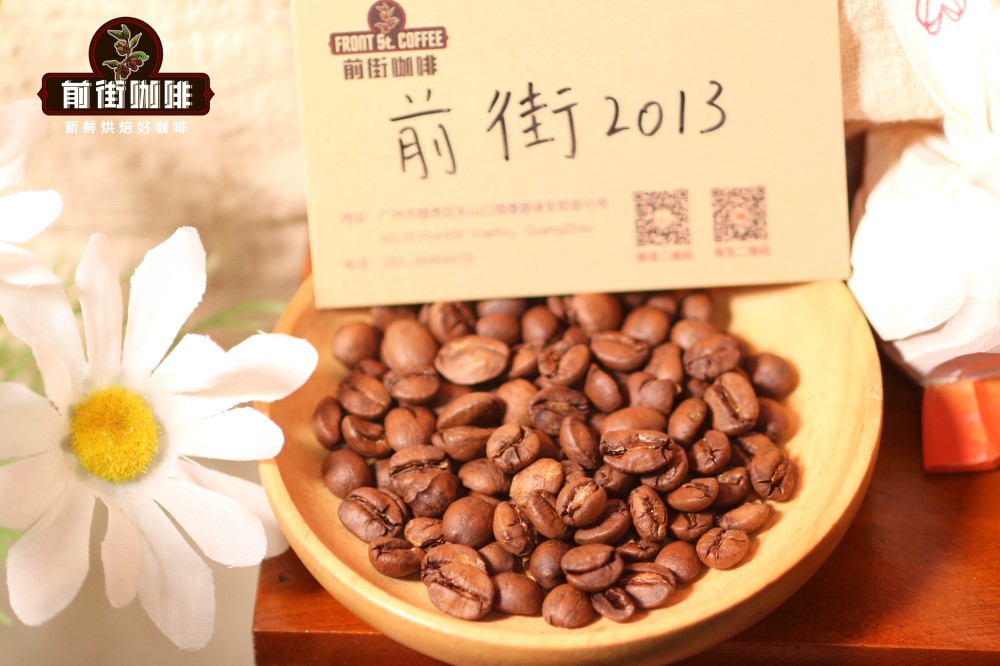
If you’re seeking a more layered coffee experience, try the “Certain Brand 2013 Sun-Dried Typica” from the high-altitude Lincang growing region. This area, with its significant day-night temperature variation, allows coffee cherries more ample time to grow and ripen, aiding in the accumulation of flavor compounds. After harvest, these beans are processed using the traditional sun-drying method, preserving the complete fruit skin and pulp layers during drying, resulting in a final cup rich in intense fruity aromas and a smooth, full body. After medium roasting, this bean often exhibits notes of dried apricot, black tea, creamy-textured nuts, dark chocolate, and a touch of bright acidity reminiscent of Chinese plum, making it ideal for presentation through pour over, French press, cold drip, or even cold brew to highlight its delicate layers.
For readers who enjoy cold brew, here is a complete cold brew operation process tailored for the “Certain Brand Sun-Dried Typica.” Just master a few key parameters to easily make a clear and smooth cold brew coffee.
Step 1: Prepare the Coffee Beans and Grind
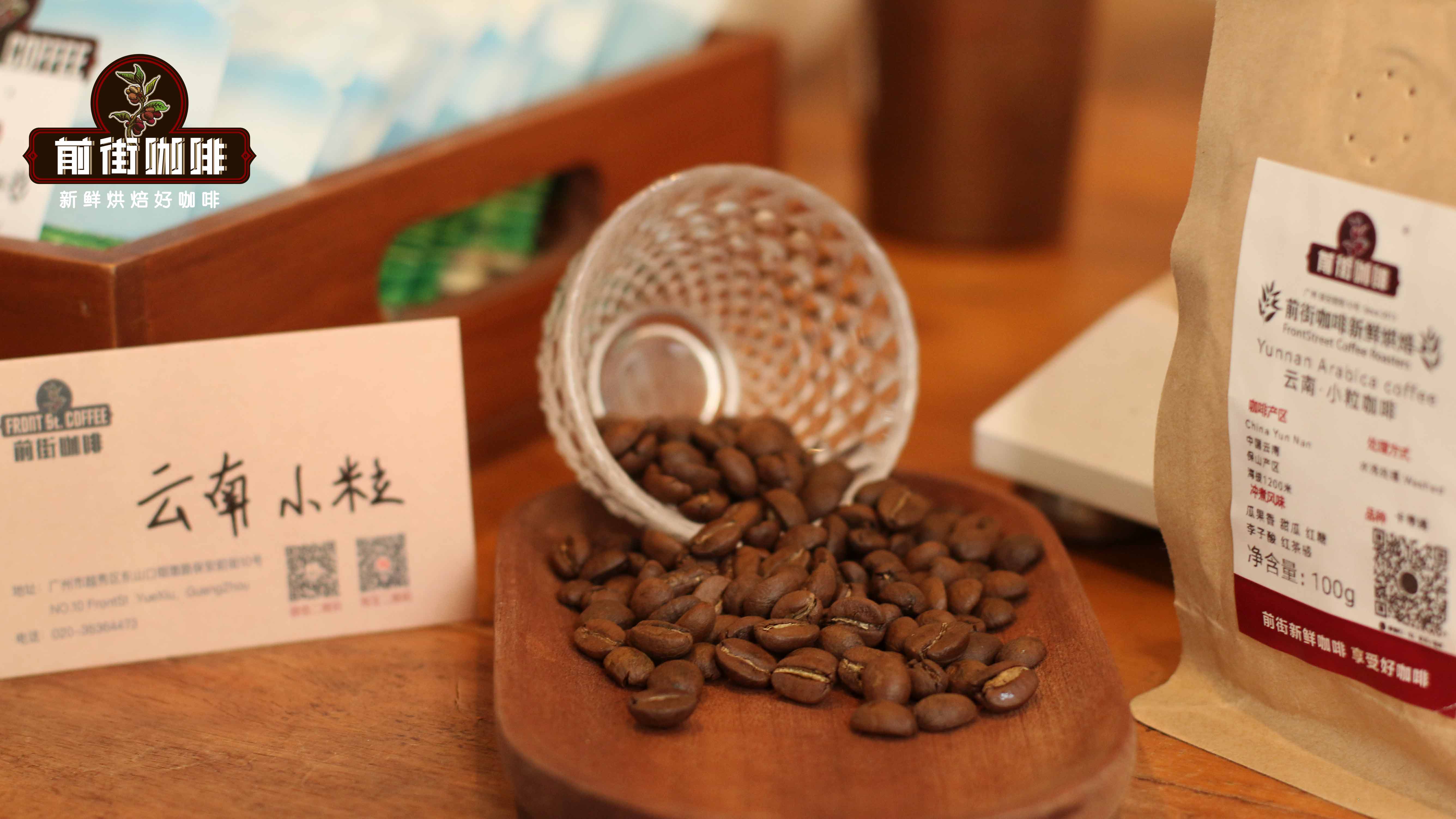
It is recommended to use25 gramsof the Certain Brand sun-dried Typica for a single serving, grinding it to a particle size close tothat of white sugar.This grind size ensures effective control over extraction rates even during prolonged steeping, avoiding over-extraction that can lead to bitterness.
Step 2: Adjust the Coffee-to-Water Ratio and Initial Mixing
Place the ground coffee into a clean glass container (no special material required, just something large and hygienic, such as a common pitcher or sealed jar), following a1:12 coffee-to-water ratio(i.e., 25 grams of coffee to 300 grams of cold water), stir evenly and then seal. This ratio maintains flavor balance and also facilitates subsequent filtration.
Step 3: Steep and Extract Through Soaking
Place the mixture in the refrigerator for steeping. It is recommended to steep for6 to 18 hours,adjusting based on personal taste preferences. During soaking, place the container in a stable part of the fridge to avoid accidental falls due to door openings, and it is advised to store it away from strongly scented foods to prevent flavor transfer.
Step 4: Filter and Allow to Clarify
After extraction, use a fine filter or specialized filter paper to completely separate the coffee grounds, obtaining a clear coffee liquid. For an ultra-clear taste, you can refrigerate the filtered coffee liquid for another2 to 5 hoursto allow fine suspended particles to naturally settle. When pouring, avoid the sediment at the bottom.
Step 5: Adjust Concentration and Enjoy
Cold brew coffee is typically concentrated in flavor. If you find the taste too strong, you can add a small amount of milk or water according to your preference to reduce intensity while also enhancing smoothness.
In summary, Yunnan small-grain coffee is not just a single regional label, but a diverse world of flavors shaped by different varieties, processing methods, and altitude conditions. Whether you are a beginner or a coffee enthusiast seeking specific flavor profiles, you can start by understanding these details to find the cup that suits your taste.
The above content is compiled by CoffeeHunters, a coffee news website.


