







Introduction:Did you know that the term "Arabica" labeled by Starbucks actually encompasses numerous varieties? Mandheling from Sumatra, Indonesia, is globally renowned for its full body and low acidity. This article delves into the origins, major growing regions, and sub-varieties of the Arabica species, while focusing on Sumatra Tiger Mandheling. From the growing climate and processing methods to roast levels and pour over recommendations, we’ll guide you through the unique flavors and brewing techniques of this classic coffee.
Many consumers notice that the ingredient label on Starbucks coffee beans universally states "Arabica." However, these beans may come from South America, Africa, or Asia, with vastly different flavor profiles—so why are they all called Arabica? In fact, Arabica is the dominant variety in both commercial and specialty coffee markets, accounting for about 30% of global coffee production, with the rest primarily consisting of Robusta, mostly used for instant coffee. Not only does Arabica offer diverse flavors, but its aroma performance also far surpasses other original species, making it the preferred choice for specialty coffee.
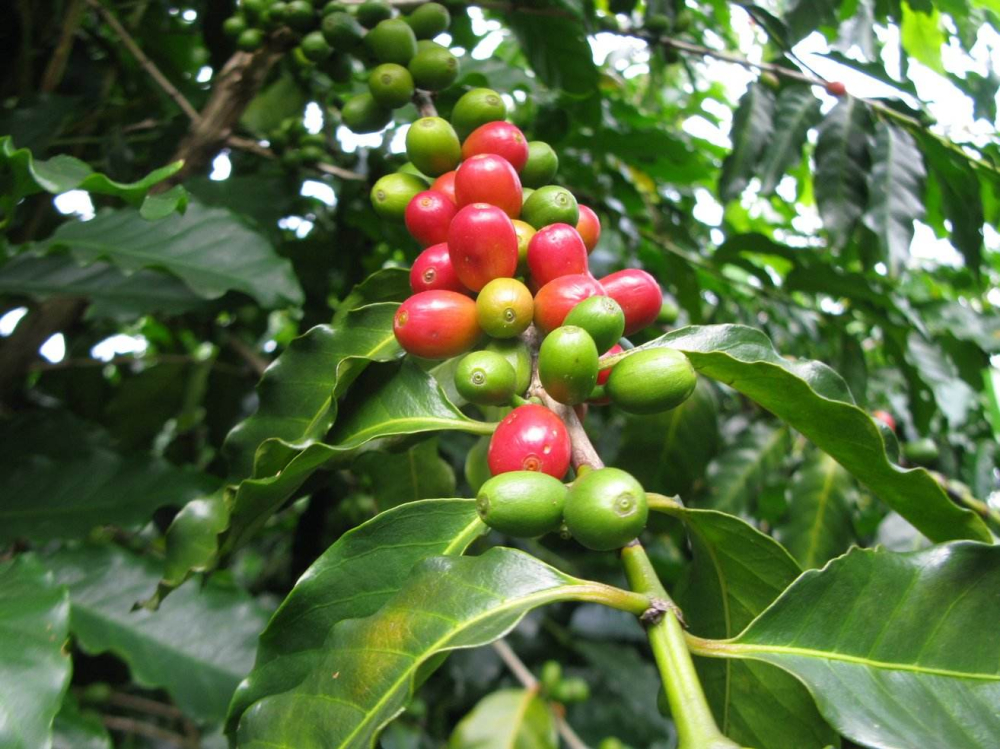
Arabica coffee originated in the highlands of southern Ethiopia and thrives in mountainous environments at elevations of 1,000 to 2,000 meters. It demands stringent conditions in terms of climate, soil, and management. Currently, Arabica is widely cultivated in South America (excluding parts of Argentina and Brazil), Central America, East Africa (such as Kenya and Ethiopia), Asia (including India, Indonesia, and Papua New Guinea), as well as China’s Yunnan and Taiwan regions. Globally, Arabica accounts for approximately 65% to 80% of coffee production. Though it boasts elegant flavors and is ideal for single-origin tasting, it is relatively susceptible to pests and diseases, especially coffee leaf rust, making variety improvement and selection a key focus for producing regions.
There are numerous Arabica varieties, with over a hundred known types, each exhibiting distinct flavor characteristics, disease resistance, and yield performance. Although Starbucks sources beans from around the world, all of them belong to the Arabica family. Due to differences in region, altitude, and processing methods, the final flavor profiles can vary greatly.
When it comes to Indonesian coffee, Sumatra Mandheling is undoubtedly a classic representative. Sumatra is Indonesia’s largest island and the sixth-largest in the world, located in the northwest of the country. Its coffee harvest season generally runs from November to March of the following year, making it one of Indonesia’s earliest harvesting regions. The Mandheling coffee produced here is celebrated for its low acidity and rich, complex notes of spices and herbs, winning the hearts of coffee enthusiasts worldwide.
The tiger patterns commonly seen on Sumatra coffee packaging refer to the Sumatran tiger, an extremely endangered protected species. This design not only advocates for the protection of natural ecosystems but also uses the imagery of a tiger moving low and steady to metaphorically represent the thick, bold, and layered mouthfeel of Mandheling coffee. This coffee, often referred to as "Tiger Mandheling," comes from the habitat of the Sumatran tiger—the island of Sumatra.
The so-called "Tiger Mandheling" originates from a batch of meticulously selected Sumatra coffee beans introduced by a certain coffee merchant. These beans were chosen with a 19-mesh specification (i.e., carefully screened through a 19-mesh sieve to ensure uniform bean size), and underwent three rounds of manual sorting of ripe fruits. As a result, the local community dubbed them "tiger" beans to highlight their high quality and rarity. During cupping, this coffee demonstrates a high level of viscosity, smooth mouthfeel, and intense aftertaste, with noticeable sweetness and a long finish, reminiscent of the steady stride of a tiger.
Tiger Mandheling primarily utilizes two classic Arabica varieties—Typica and Caturra. Typica has bronze-tipped leaves and an oval or slender pointed bean shape, offering delicate and elegant flavors, but with low yield and weak disease resistance. Caturra, a mutation of Bourbon, has slightly curved bean tips and an elongated shape. It not only has higher productivity and stronger disease resistance but also brighter flavors with prominent sweetness. The combination of these two varieties allows Tiger Mandheling to maintain refined aromatic layers despite its full body.
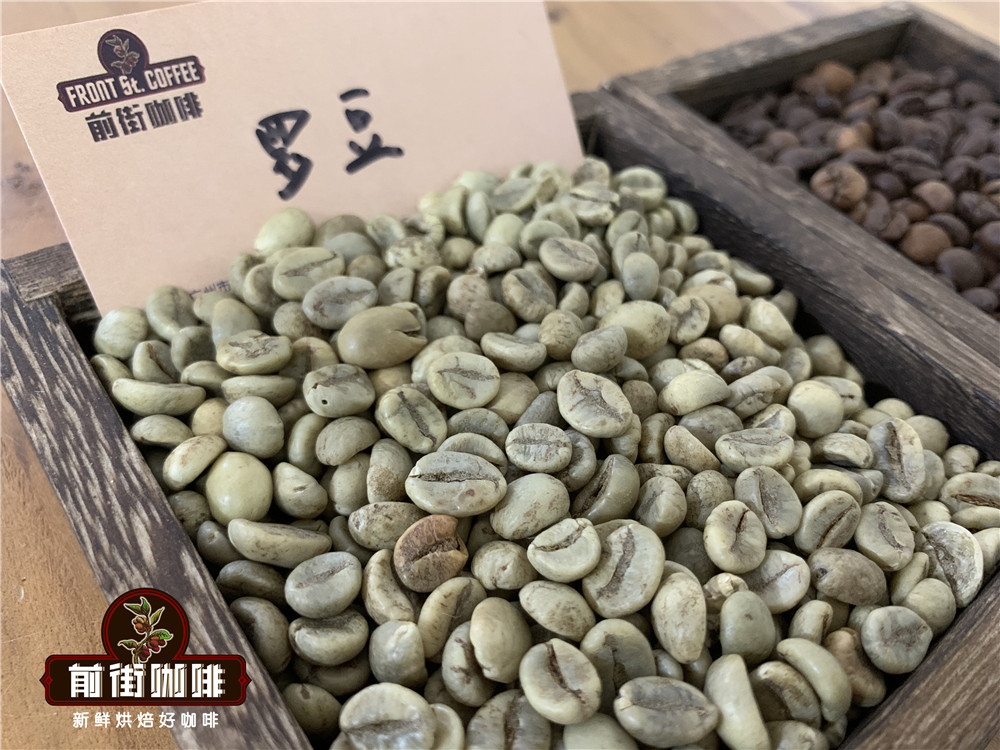
A roaster observed that the raw beans of Tiger Mandheling have a round and plump appearance, with a greenish-yellow hue, good uniformity, and slightly higher moisture content. Therefore, medium-dark roasting is recommended. This roast level helps suppress excessive acidity while enhancing body and overall flavor balance, as well as promoting moderate caramelization reactions to bring out richer sweetness and aftertaste.
Many people mistakenly assume that Mandheling coffee must be very bitter, but in reality, its flavor is largely influenced by the soil of the growing region and the processing method. Sumatra’s fertile volcanic soil imparts rich earthy tones to the coffee, while the key low-acidity characteristic stems from the wet hulling (giling basah) process commonly used there. With proper roasting and brewing, Mandheling reveals not harsh bitterness, but a soft, deep, and layered mouthfeel.
To fully experience the charm of Tiger Mandheling, it is recommended to use the pour over method with the following parameters: Use a Kono filter, control the water temperature at 88–89°C, use about 15 grams of coffee grounds, maintain a coffee-to-water ratio of 1:15, and grind to a medium-coarse level (approximately 70% extraction rate through a Chinese No. 20 standard sieve). The specific steps are as follows: First, pour 30 grams of water for a 30-second bloom, then pour water in small circles until reaching 125 grams for the first pour; when the water level drops and is about to expose the coffee bed, continue pouring to 225 grams before stopping. Once the dripping from the filter has completely finished, remove the filter. The total extraction time is about 2 minutes. These parameters effectively highlight the full body and lingering sweetness of Mandheling, making it ideal for coffee enthusiasts who appreciate the finer details.
The above content is compiled by CoffeeHunters, a coffee news website.


