







Introduction:Jamaican Blue Mountain coffee is world-renowned for its unique regional flavor profile, but what is the optimal roast level to truly bring out its essence? This article delves into the roasting logic behind two medium-dark roasted beans—Jamaican Blue Mountain and Bird of Paradise—and compares the subtle differences in their flavor profiles. It also offers professional pour-over recommendations, including water temperature, grind size, and a three-stage pouring technique, helping you fully experience the layered complexity of high-altitude coffee.
As a flagship representative of Jamaica’s top coffee-growing regions, the flavor pairing with roast level of Jamaican Blue Mountain has always been a focal point for coffee enthusiasts. A certain brand’s Blue Mountain No. 1 is processed using a medium-dark roast method, aiming to preserve the aromas of dark chocolate and caramel while showcasing a gentle acidity. Meanwhile, the brand’s often referred to as the “little Blue Mountain,” Papua New Guinea’s Bird of Paradise, also employs a medium-dark roast, emphasizing a balanced profile of nuts, cocoa, and sugarcane sweetness. This article will detail the grading system and classification standards of the Blue Mountain region, analyze the reasons behind the brand’s choice of medium-dark roasting, and provide practical pour-over parameters and steps for these two beans, helping you understand how roasting influences the final flavor expression.
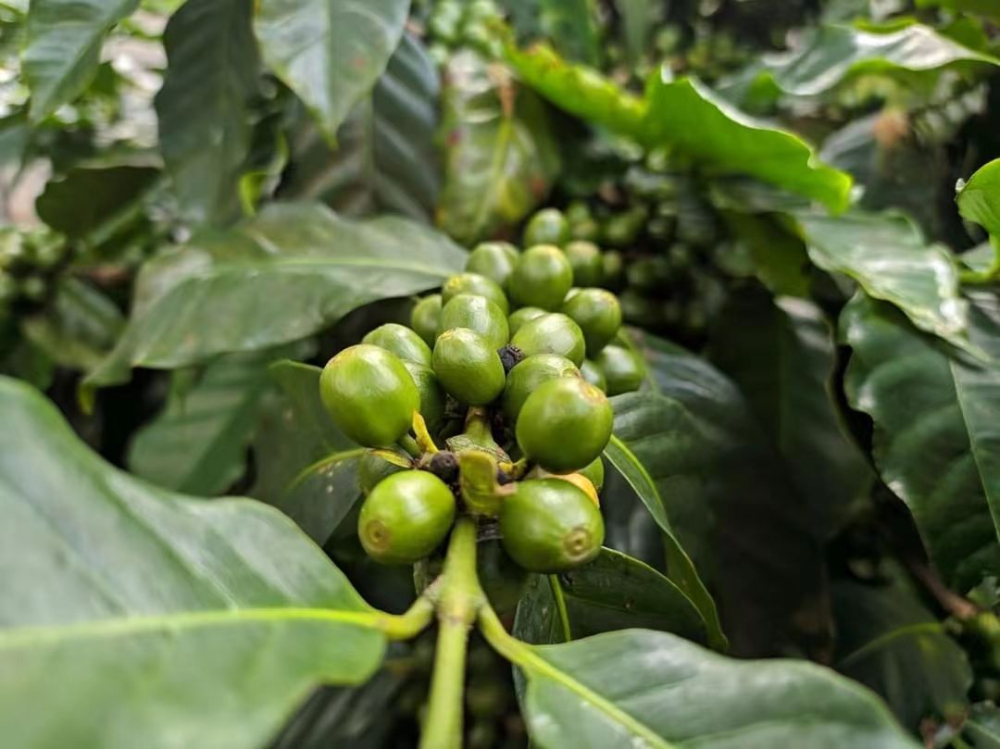
The reason Jamaican Blue Mountain coffee is hailed as the “King of Coffee” lies not only in its historical status but also in its uniquely advantageous growing environment. The Blue Mountains are located near the equator in an ideal coffee-growing belt, boasting fertile volcanic soil, abundant rainfall, and year-round cloud cover. The large diurnal temperature variation at high altitudes, coupled with the relatively enclosed microclimate of the island, creates perfect conditions for the growth of the Typica variety. The clean air and low incidence of pests and diseases here ensure that Blue Mountain coffee not only retains its pure lineage but also exhibits strong disease resistance.
According to the strict regulations of the Jamaica Coffee Industry Board (CIB), only coffee grown between 910 meters and 1700 meters above sea level qualifies as “Jamaican Blue Mountain Coffee”; coffee produced at elevations between 460 meters and 910 meters is classified as “Jamaican High Mountain Coffee”; and anything below 460 meters can only be called “Jamaican Prime Coffee.” It’s worth noting that within the entire Blue Mountain region, only about one-third—approximately 6,000 hectares—of the area’s output can be considered the brand’s authentic Jamaican Blue Mountain Coffee.
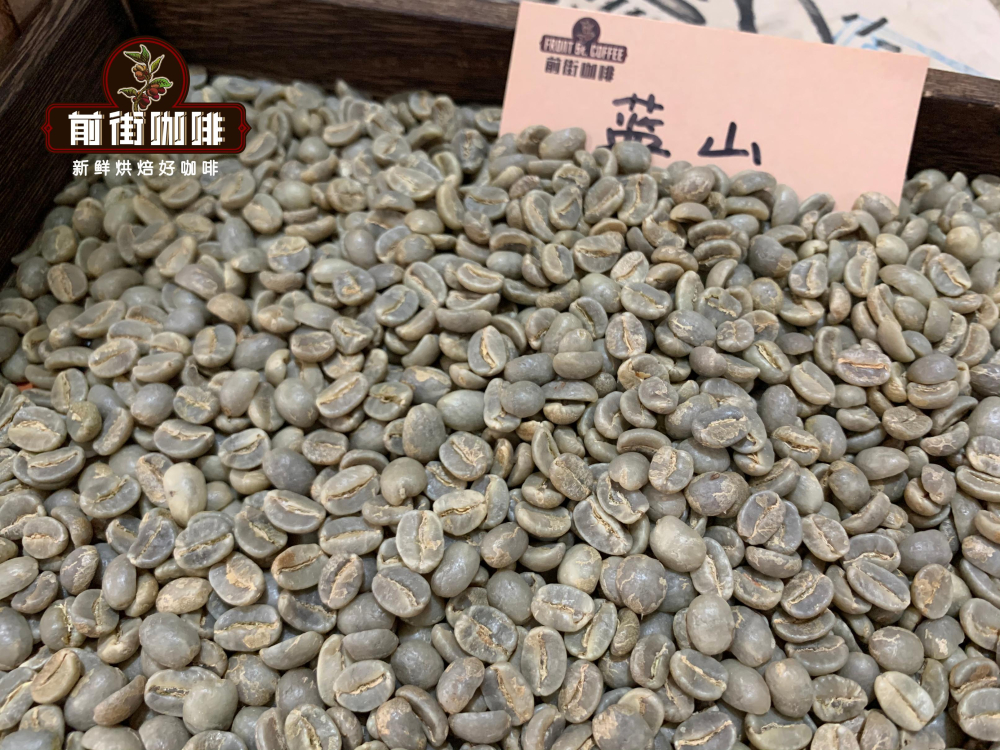
In addition to altitude restrictions, the CIB also classifies coffee beans by size and post-processing defect rates, ranking them from highest to lowest as Blue Mountain No. 1, Blue Mountain No. 2, Blue Mountain No. 3, and Blue Mountain Peaberry. The brand has chosen the highest-grade Blue Mountain No. 1, whose basic standards include a bean size of 17 mesh or larger, a defect rate below 3%, and a moisture content of around 13%. Visually, the brand’s Blue Mountain green beans are plump, uniformly sized, and exhibit an attractive bluish-green hue.
So, what roast level does the brand’s Blue Mountain coffee beans actually use? The flavor of a cup of coffee is influenced by multiple factors, including origin, variety, green bean processing method, roast level, and brewing technique, among which roast level is the key factor directly determining flavor. When designing the roast curve, the brand pays special attention to highlighting the flavor characteristics of each bean’s origin. For example, beans with brighter acidity are suited to light roasts to preserve floral and fruity notes, while beans with stronger bitterness are enhanced with darker roasts to intensify body and richness.
The so-called Blue Mountain flavor refers to that full-bodied profile of dark chocolate and caramel aromas, where the four elements of acidity, sweetness, bitterness, and umami achieve an excellent balance, with no single flavor overpowering the others. To balance the preservation of acidity with the expression of caramelized sweetness, the brand opts for a medium-dark roast to showcase the balanced character of Blue Mountain No. 1. Similarly medium-dark roasted, Papua New Guinea’s Bird of Paradise is regarded by many coffee drinkers as the “little Blue Mountain,” offering aromas reminiscent of toasted bread and sugarcane sweetness, while retaining the gentle acidity of berries.
How should medium-dark roasted beans be brewed to bring out their optimal flavor? Taking Blue Mountain No. 1 and Bird of Paradise as examples, the brand emphasizes paying special attention to the freshness of the beans. Generally, roasted coffee beans have a peak flavor window of about two weeks, so the beans shipped by the brand are all from fresh batches roasted within five days, ensuring consumers can enjoy them at their best.
In terms of equipment selection, the brand recommends using a KONO filter cone for extraction. The smooth curved surface design on the upper half of the KONO filter cone allows the filter paper to adhere more tightly. Compared to the V60, its immersion-style extraction method helps enhance the overall concentration and body of the coffee. If a KONO is not available, alternatives such as a Kalita wave dripper or a slower-flowing tool like a flannel dripper can also be considered.
Due to their looser internal structure compared to lighter roasts, medium-dark roasted beans have better water absorption. Therefore, it is recommended to control the grind size to a 75% passing rate through a standard 20-mesh sieve—what is commonly known as a coarse sugar grind. At the same time, a water temperature of 88°C is suggested, along with a three-stage pouring method to reduce the risk of over-extraction and fully highlight the layered complexity and sweetness of Blue Mountain coffee.
Suggested pour-over parameters are as follows: water temperature 88°C, grind size coarse sugar (20-mesh sieve passing rate 75%), coffee dosage 15 grams, coffee-to-water ratio 1:15, using a three-stage extraction. First, slowly pour 30 grams of water for blooming, maintaining for about 30 seconds; second, continue pouring up to about 125 grams with a consistent circular motion; when the water level drops to half, proceed with the final pour, bringing the total to 225 grams. Allow the coffee to fully drip through, with the total extraction time approximately 2 minutes.
After brewing, the brand’s Jamaican Blue Mountain No. 1 presents pronounced aromas of rich dark chocolate in the high-temperature stage, with a thick mouthfeel and a distinct almond aftertaste. As the temperature cools, the sweetness of roasted hazelnuts and cream gradually emerges, accompanied by a touch of gentle acidity and caramelized sweetness, with the flavor lingering in the mouth. As for Papua New Guinea’s Bird of Paradise, it features a profile dominated by nuts and cocoa, with a hint of berry sweetness, delivering an overall rich and balanced taste. The interplay of sugarcane’s clean sweetness and soft acidity leaves a memorable impression.
The above content is compiled by CoffeeHunters, a coffee news website.


