








Introduction:Many coffee beginners often wonder whether “Mandheling is Arabica.” In fact, the classic Mandheling coffee from Indonesia is indeed a member of the Arabica species. This article not only clarifies the relationship between Mandheling and Arabica but also delves into its historical origins, regional evolution, and varietal transitions. It provides a comprehensive interpretation of the unique flavor characteristics of PWN Golden Mandheling, along with practical pour over parameters and techniques to help you more accurately appreciate this deeply roasted, bold-flavored classic bean.
For novice coffee enthusiasts, the common “Arabica” label on packaging may be just a vague concept. And for those who enjoy bold flavors, Mandheling’s distinctive charm, while unforgettable, may not necessarily be understood in relation to Arabica. In reality, to understand the difference between the two, we need to start with the two main species within the coffee genus—Arabica and Robusta.
Over 60% of the coffee beans on the global market belong to the Arabica species. These coffee trees are generally grown at high altitudes ranging from 550 to 1,920 meters. The high-altitude environment results in more significant climate variations, slowing the growth rate of the coffee cherries, which allows them to accumulate richer flavor compounds, resulting in delicate, bright acidity, and multi-layered taste profiles. The optimal growing temperature for Arabica is between 19 and 21°C, with a maximum tolerance of about 24°C, which is why it is predominantly found in mild subtropical regions. In addition, fertile and well-drained volcanic soils are Arabica’s favorite—these soils are not only nutrient-rich, with stable structure and good breathability, but also help with root development and water regulation.
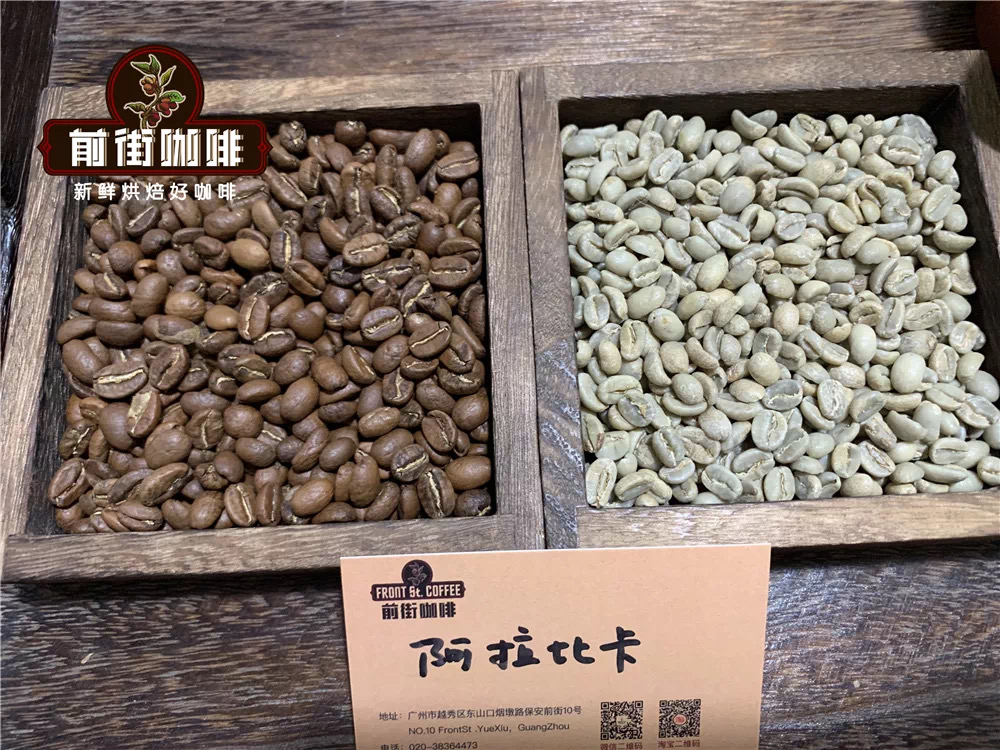
In contrast, Robusta has stronger adaptability, can resist harsh environments and various diseases, and can grow at low altitudes. However, its flavor is usually more intense, often with noticeable bitterness, woody or rubbery notes, and its caffeine content is twice that of Arabica, which is one of the reasons for its coarser flavor. Nevertheless, high-quality Robusta can also perform well and is often used in espresso blends to enhance body and crema.
So, what category does the widely praised Mandheling actually belong to? The answer is: Mandheling is a type of Arabica. This classic coffee originating from Sumatra, Indonesia, is known for its rich, full-bodied flavor, low acidity, and unique spicy and herbal aromas. It is often mistaken for an independent variety, but it actually gained its name due to historical reasons. It is said that during World War II, a Japanese soldier asked about the origin of the coffee in Sumatra, and the locals misunderstood the question as asking about the ethnic group, replying “Mandheling,” and thus the name spread. The Indonesian well-known green coffee bean merchant PWN (PT. Pawani) was the first to introduce this bean to the international market.
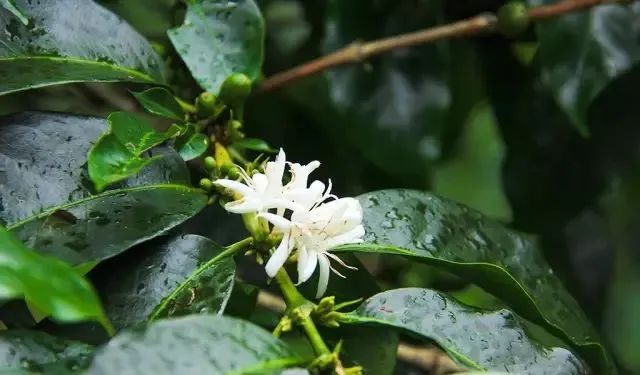
Speaking of PWN Golden Mandheling, it is the top-tier representative of Sumatran Mandheling. Its characteristics include carefully selected coffee beans with a rich caramel sweetness, full body, and low acidity, along with subtle spicy and herbal notes. Due to the appearance of many counterfeit products on the market, consumers need to be particularly careful when purchasing—the genuine product will be marked with the official PWN green coffee sack and accompanied by a factory certificate, ensuring it is an authentic product from PWN. Additionally, PWN has registered “Golden Mandheling” as a trademark, and only products from this company can rightfully use this name.
Traditionally, Mandheling was mainly grown in northern Sumatra regions such as Lidong, Sidikalang, Tanah Karo, and Simalungun. But in recent years, the producing regions have been adjusted. In the 2020 new crop season, the PWN Golden Mandheling used by the brand shifted from the original Lake Tawar area to the more northern Gayo Mountains in Aceh. This area is situated at an altitude of approximately 1,100 to 1,600 meters. Due to past political factors making exports difficult, the situation has now stabilized, and with improved local farming techniques, the quality of these high-altitude coffee beans has become even better.
In addition to the change in producing region, the 2020 batch of Golden Mandheling also saw a varietal adjustment—from the traditional Typica to a local variety called Ateng, which is actually the Indonesian name for Catimor. Therefore, although Mandheling has undergone varietal evolution, it remains part of the Arabica family, and due to differences in variety and processing methods, it displays a variety of flavor profiles. Common types of Mandheling available on the market today also include aged Mandheling, Lidong Mandheling, Tiger Mandheling, and Sumatran Wahana Estate Natural Mandheling, among others.
If you want to brew a cup of standout PWN Golden Mandheling at home, you can refer to the following field-tested recommended pour over parameters:
- Filter:KONO
- Water temperature:88°C
- Grind size:Medium-coarse (recommended to use a standard #20 sieve, with about 75% passing rate)
- Coffee-to-water ratio:1:15
- Roast level:Medium-dark roast
- Brewing method:Multi-pour extraction
Specific operation suggestions are as follows: First, pour 30 grams of hot water for a 30-second bloom, then continue pouring until you reach 120 grams and stop. Once the coffee bed’s water level drops by about half, pour again until you reach a total of 225 grams. Once all the water has completely dripped through the filter, remove the filter. The entire extraction time should be controlled to around 2 minutes. These parameters fully showcase Mandheling’s full body and low acidity, and bring out its deep caramel and spicy flavors.
The above content is compiled by CoffeeHunters, a coffee news website.


