







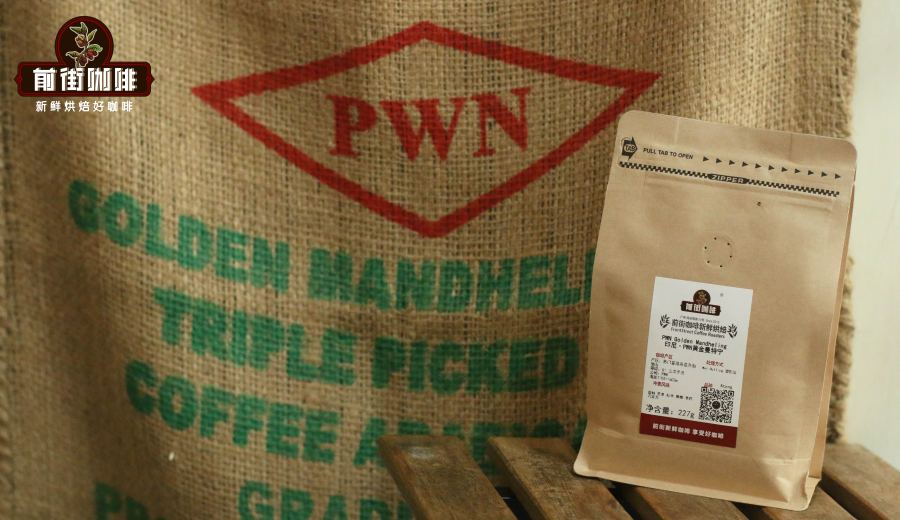
Introduction:Indonesian Golden Mandheling is a classic bean variety widely known in the specialty coffee world. From the origin of its name to its unique processing method, and on to its flavor profile, every aspect carries a story. This article delves into the background knowledge of Mandheling, analyzes its taste characteristics and varietal features, and guides you step-by-step through mastering the flavor code and brewing essentials of this dark-roasted classic with two representative products — an entry-level Indonesian Mandheling and an advanced-grade PWN Golden Mandheling.
Mandheling is one of the most representative varieties of Arabica coffee from Indonesia. Its name does not come from the producing region or processing station, but rather from a minority ethnic group called Mandailing on the island of Sumatra. Initially, this coffee was mostly traded under the name “Sumatran coffee,” and it was only later that it became commonly referred to as “Mandheling.” Many people mistakenly assume that the word preceding the coffee name refers to the processing facility or region, but Mandheling is an exception — it’s actually the name of a local ethnic group.
Today, Mandheling has become an important player in the specialty coffee field. With its rich and bold flavor and distinctive regional characteristics, it leaves a deep impression on first-time tasters and piques the curiosity of those yet to try it. For beginners who are just getting into Indonesian coffee, it's recommended to start with an entry-level product, such as the commonly available Indonesian Mandheling coffee beans. These beans offer good value for money and are ideal for practicing brewing techniques and developing your ability to identify flavors.
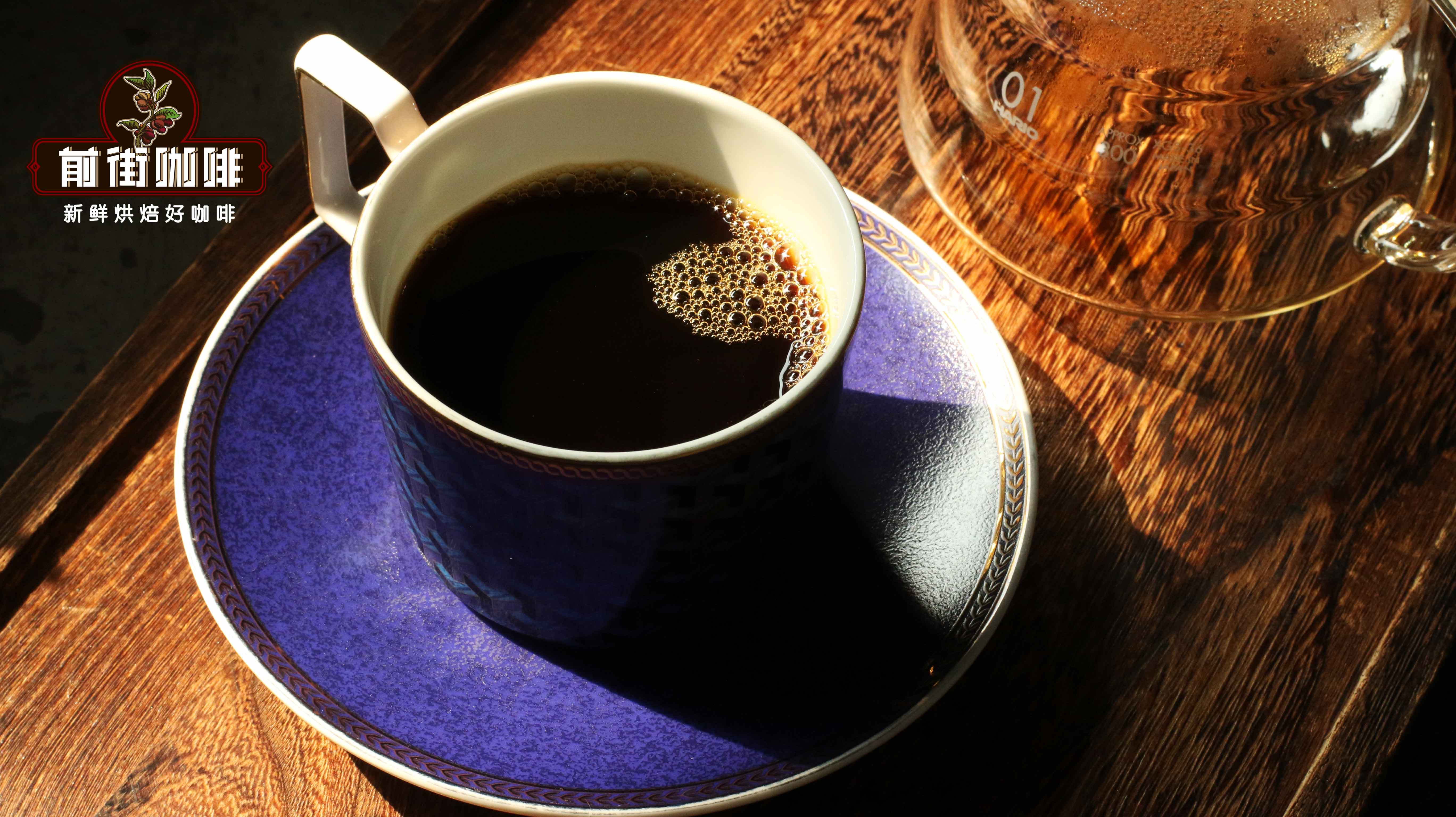
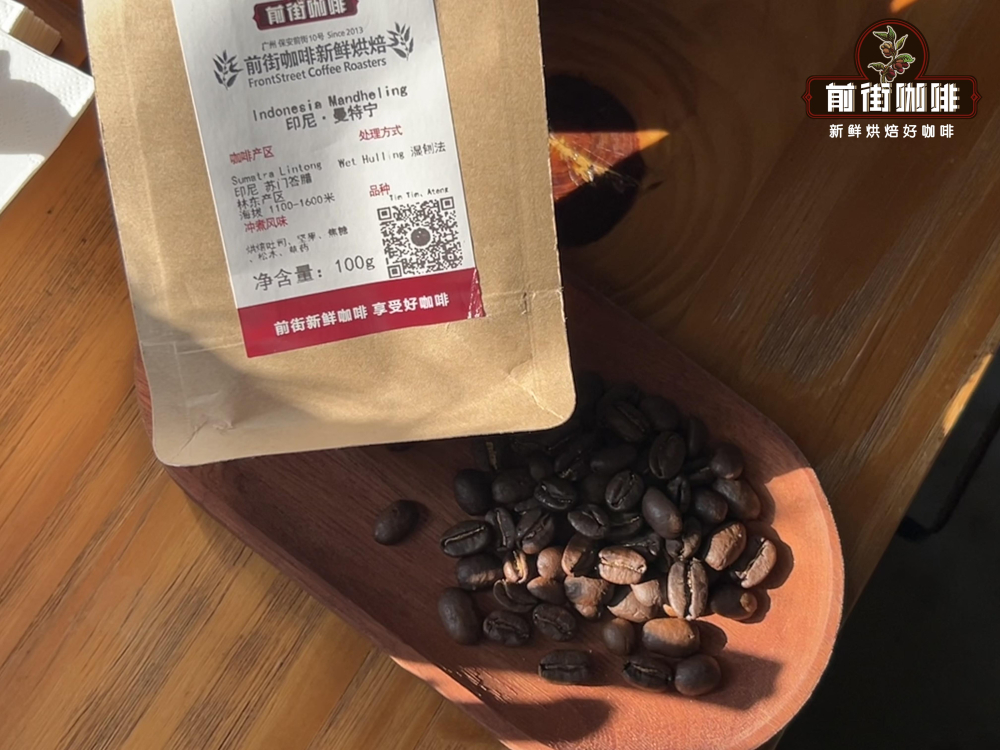
Take the Indonesian Mandheling staple beans processed using the wet-hulling method as an example. They are roasted to a darker level, encouraging more caramelization of flavor compounds. The final cup often exhibits a combination of herbal, piney, caramel, and dark chocolate notes, with a full body and the rugged character unique to Asian coffees. These beans are suitable for various brewing methods including pour over, moka pot, and drip Americano, making them especially ideal for beginners who haven’t yet developed clear personal flavor preferences.
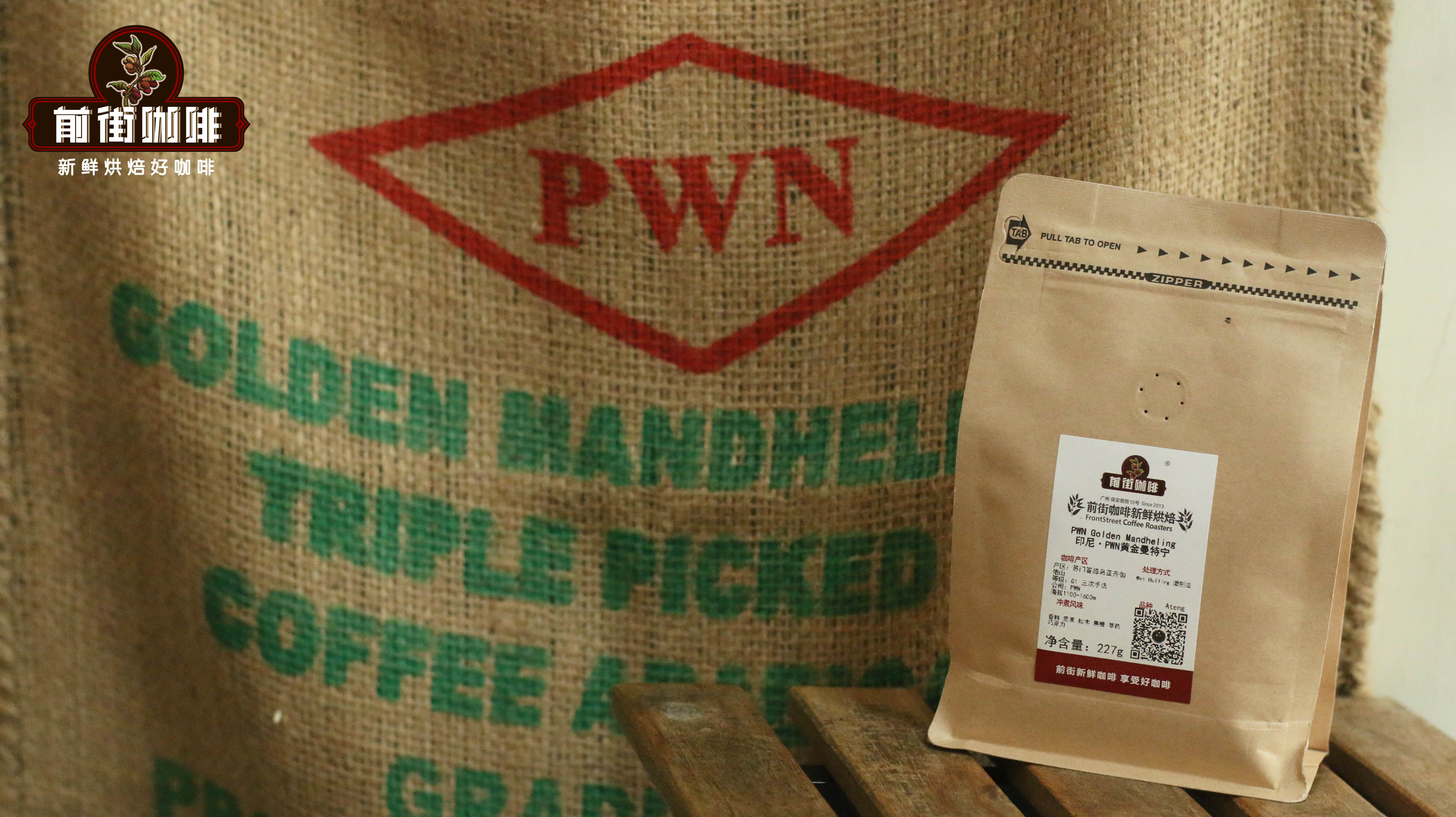
If you already have some basic coffee knowledge and wish to try a higher-quality Mandheling, consider the PWN Golden Mandheling. This bean is also from Indonesia, produced by the renowned PWN company, and processed using the wet-hulling method. Although wet-hulling may slightly increase the defect rate of the coffee beans, its impact on flavor is limited. On the contrary, it imparts a unique herbal, muted aroma. Because the green beans are exposed directly to air during the final drying stage without the protection of parchment, they are prone to colonization by various microorganisms, which contribute to the signature woody, spicy, and herbal notes of Indonesian coffee — what we commonly refer to as the “regional flavor.”
The PWN Golden Mandheling is also dark-roasted, highlighting layers of caramel, dark chocolate, and nutty flavors. Its full body and low acidity make it suitable for various extraction methods such as SOE coffee, moka pot, pour over, French press, and siphon. This coffee is particularly well-suited for those who dislike acidity and seek a bold sweetness in black coffee. Its flavor profile is rich and expansive, differing from the traditional elegant tones, which is why it’s hailed as a “godfather-level” Mandheling coffee. It serves both as an excellent daily staple and as an ideal gift for friends and family.
When selecting Mandheling coffee beans, it’s recommended to pay attention to their processing method and roast level. While wet-hulling isn't the only option, it is indeed a common technique that shapes the unique flavor of Indonesian Mandheling. Additionally, dark roasting can enhance the caramel and nutty tones, but if you prefer brighter acidity, you might also try a medium roast version. During actual brewing, it’s advisable to adjust the powder-to-water ratio and water temperature according to the beans’ characteristics. For example, when using a pour over method, the water temperature can be controlled at 90–93°C to fully bring out its richness and sweetness.
In summary, whether you’re practicing at the entry level or refining your tasting skills, Mandheling offers a rich spectrum of flavor experiences. From the foundational fullness of Indonesian Mandheling staple beans to the complex sweetness and regional characteristics of PWN Golden Mandheling, these two beans represent different facets of Mandheling, helping you find the cup that best suits you.
The above content is compiled by CoffeeHunters, a coffee news website.


