







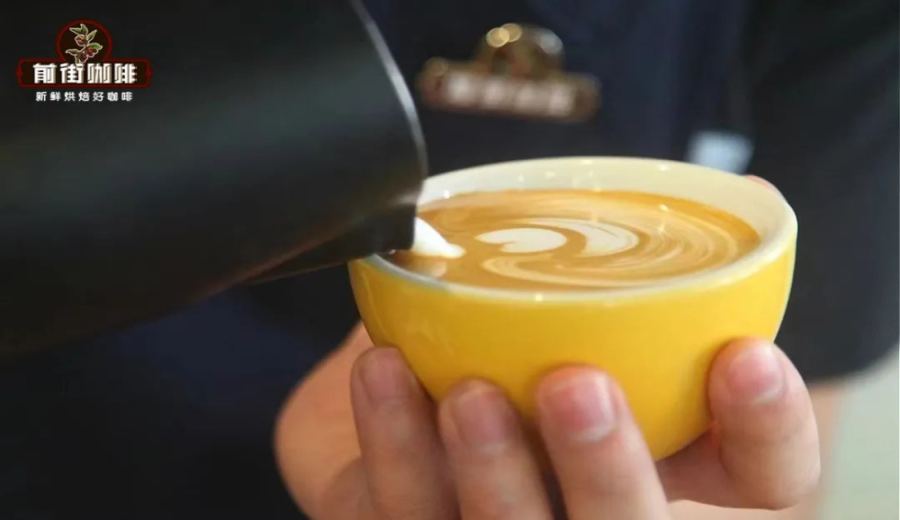
Introduction:Espresso is the foundation of many specialty coffee drinks and an important benchmark for evaluating a barista’s skills. Understanding its extraction principles, key parameters, and ideal flavor profile can help enthusiasts master this craft. This article details the definition of espresso, the formation of crema, its concentration characteristics, and offers practical extraction settings including dose, brew time, and ratio to help you get started easily and discern different flavor traits.
Espresso is the soul of many classic coffee beverages, such as lattes, cappuccinos, and even Americanos, all of which are based on it. This type of coffee is produced by rapidly extracting finely ground coffee with high-pressure hot water in a short period of time, resulting in a small, intense, and highly concentrated cup. An ideal espresso usually features a golden layer of crema on the surface, along with a strong yet balanced taste and a long-lasting aftertaste.
The core of espresso extraction lies in the precise combination of high pressure and high temperature. Typically using about 9 to 11 atmospheres of pressure along with near-boiling water, the process quickly releases soluble substances from the coffee, forming a concentrated essence. This method not only intensifies the flavors but also highlights the unique characteristics of the coffee beans, thus placing considerable demands on the roast level, freshness, and grind fineness of the beans.

One of the most distinctive features of espresso is the fine, glossy layer of crema on the surface. The formation of this foam originates from the carbon dioxide produced during the roasting of coffee beans. During high-pressure extraction, the CO₂ escapes with the water, and when the pressure returns to normal, the gas is released, forming tiny bubbles that accumulate on the surface. Crema not only affects appearance but is also closely related to the freshness of the coffee: the fresher the beans, the more gas is released, resulting in a thicker and more stable foam.
Additionally, the color of the crema can reflect the roast level. Darker roasts, due to more pronounced Maillard reactions, often produce foam that is darker brown in color, along with a richer and more robust taste. If there is no crema at all on the surface of the extracted espresso, possible reasons include the coffee beans being stored for too long, insufficient extraction pressure, or the coffee liquid being left standing for too long, causing the foam to dissipate.
Besides the crema, another characteristic of espresso is its high concentration and intense flavor. To extract enough soluble substances in a short time, the coffee grounds need to be ground very finely and evenly. Under the combined effect of high pressure and high water temperature, the acidity, sweetness, and bitterness of the coffee are concentrated into a small cup, creating a rich and layered taste experience. Because of its intense flavor, many shops serve a glass of water alongside espresso to help cleanse the palate and enhance flavor appreciation.

Making espresso at home or in a café requires mastering several key parameters: dose, yield, brew time, and pressure. Taking the common double-shot portafilter as an example, it is recommended to use about 18 to 20 grams of coffee grounds, with the yield controlled between 36 to 40 grams, and a brew ratio of approximately 1:2. This ratio achieves a balanced and smooth espresso.
The brew time is generally recommended to be between 20 to 35 seconds, with 28 to 30 seconds being the optimal range. If the brew time is too short, the coffee may taste thin and lack depth; if it exceeds 35 seconds, over-extraction is likely to occur, resulting in burnt and bitter flavors. In terms of pressure, commercial machines can usually reach 9 to 11 bar, while home machines that can stably maintain above 9 bar can meet the basic extraction requirements.
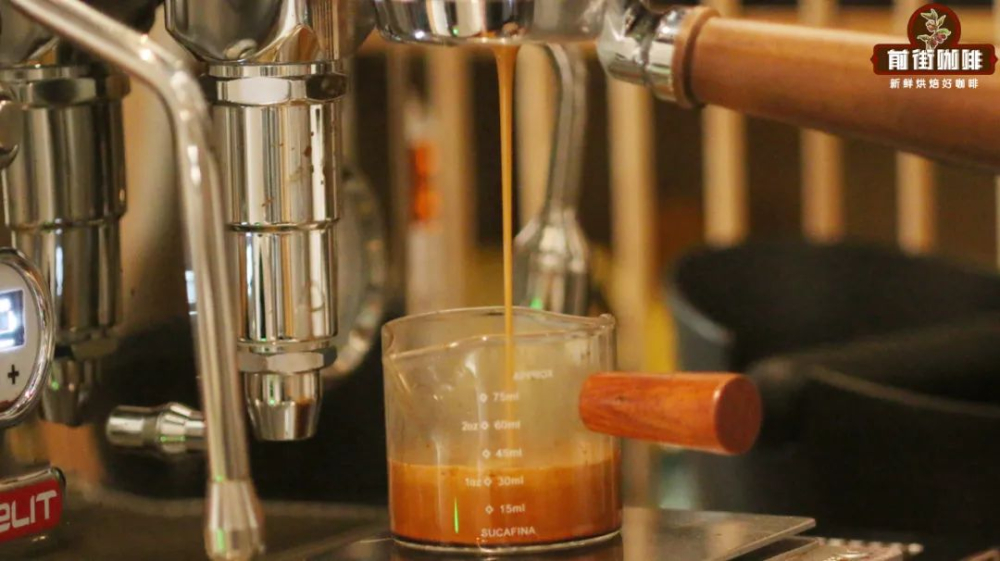
In actual operation, it is recommended to first distribute the ground coffee (about 20 grams) evenly, then tamp the coffee puck with appropriate pressure to ensure its compactness for stable extraction. Before extraction, you can first run water through the group head to rinse out any residual coffee grounds, then attach the portafilter and begin extraction. When the yield reaches the preset value (e.g., 40 grams) and the time is around 30 seconds, you can stop the extraction to obtain an ideal espresso.
The flavor profile of espresso largely depends on the blend used. Common blending styles include bold, dark-roast blends with notes of chocolate, caramel, and nuts; as well as medium-dark roast combinations that offer a balance of slight acidity and sweetness. For example, a common commercial blend might mix Brazil, Colombia, and a small amount of Robusta, producing rich crema and a creamy mouthfeel, suitable for everyday drinking and pairing with milk.
If you prefer more prominent fruit acidity and aroma, you can choose medium or medium-light roast blends, which are usually based on Ethiopian or Honduran beans, featuring tones of berries, vanilla, or wine. The crema layer may be lighter in color, but the flavor layers are more complex. Regardless of the blend chosen, it is recommended to use coffee beans that are 7 to 10 days post-roast, when they are at their peak flavor for the most vibrant aroma and stable extraction performance.
In summary, the charm of espresso lies in its concentrated essence and diverse flavor potential. By mastering extraction parameters, understanding the formation of crema and concentration characteristics, and selecting the right coffee bean blend, you too can create a professionally brewed, flavorful espresso either at home or in a café, and enjoy the true essence of coffee.
The above content is compiled by CoffeeHunters, a coffee news website.


