







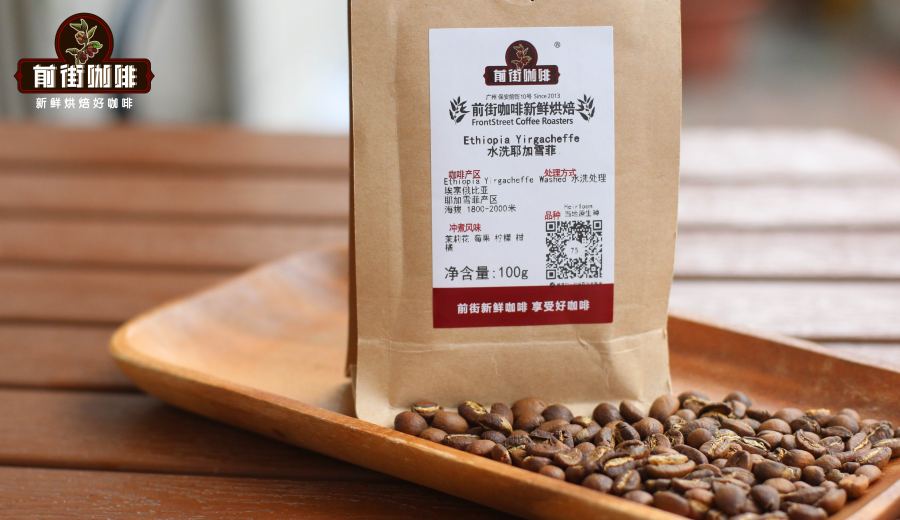
Introduction:Dive deep into the sun-dried coffee beans from Ethiopia’s Yirgacheffe region, exploring cooperatives such as Guji Dingding, the Red Cherry Project, and Konga washing station. This article breaks down their varietal characteristics, processing differences, and flavor profiles. It also provides practical pour over parameters and cupping insights to help you master this classic origin coffee with vibrant fruitiness and bright acidity.
Yirgacheffe, a renowned coffee region originating from Ethiopia, is world-famous for its unique sun-dried processing method, which creates a classic flavor profile of bright acidity and rich fruity notes. Whether you're a beginner or a seasoned coffee enthusiast, if you’re looking to enjoy vibrant berries, citrus, and honey-like tones, Yirgacheffe sun-dried beans are an essential choice.
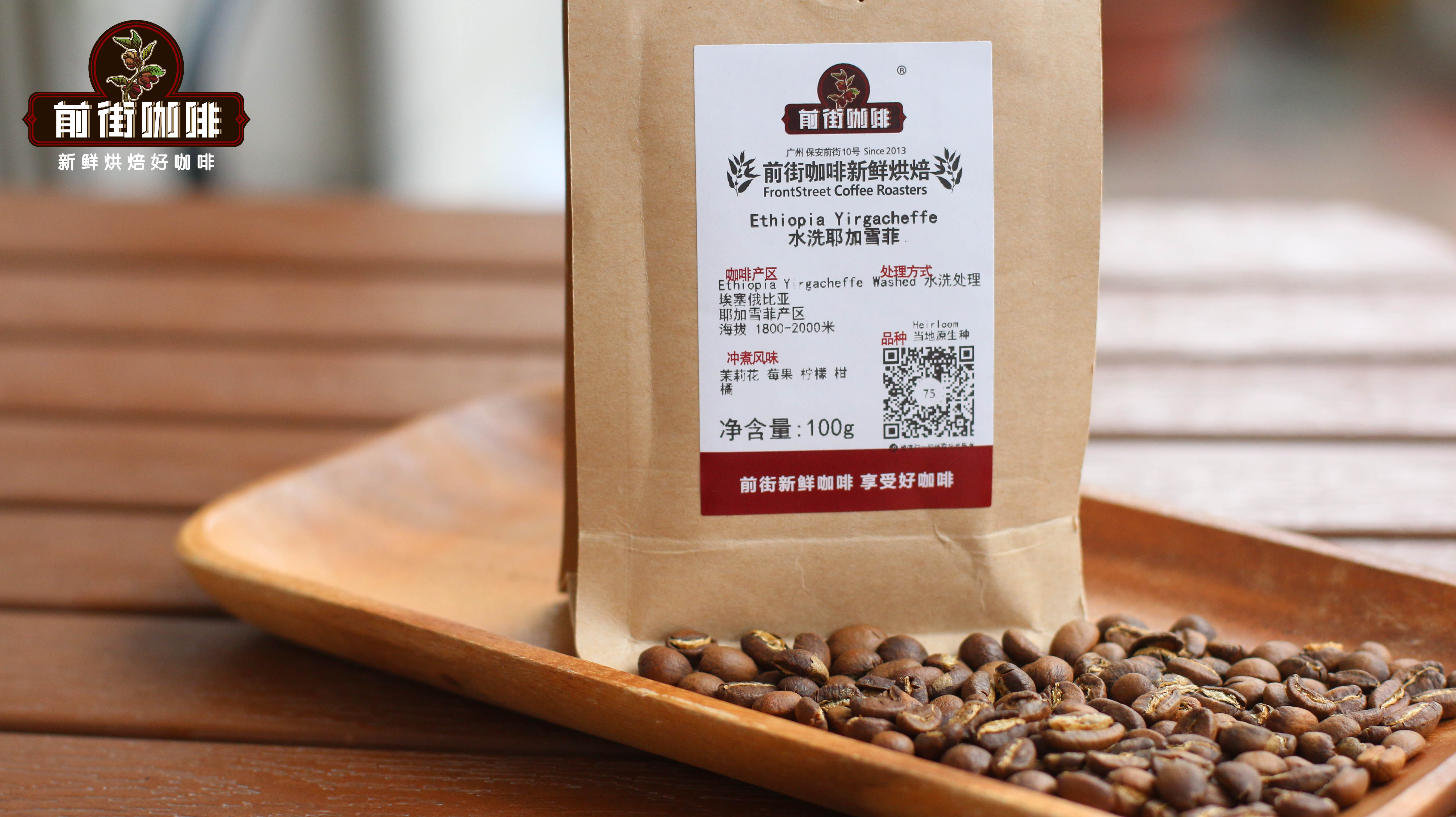
Among the many coffee beans from Yirgacheffe, there are not only carefully crafted offerings from specific cooperatives like Guji Dingding, but also high-quality sun-dried beans selected through the Red Cherry Project. In addition, beans produced by washing stations such as Konga also demonstrate the region’s diverse yet consistently high standards. This article will take you on a comprehensive journey to understand the charm of Yirgacheffe sun-dried coffee, covering regional background, varietal traits, processing evolution, the origins and impact of the Red Cherry Project, as well as practical cupping and pour over recommendations.
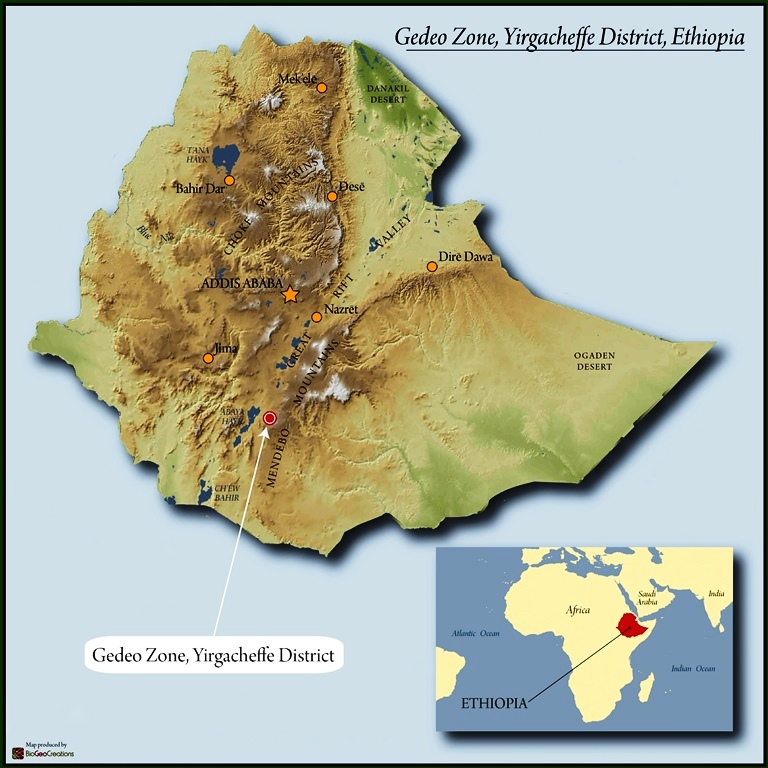
Yirgacheffe was originally part of the Sidamo region but gradually stood out due to its uniquely distinctive flavors, eventually becoming a representative origin in its own right. Located on a plateau at an altitude of about 2000 meters with a cool climate, and supported by numerous small family farms and cooperatives, it has given rise to a variety of unique coffee flavor profiles. Iconic micro-regions such as Kochere, Gedeo, and Gedeb are all known for their delicate floral and fruity notes and serve as the source of many specialty coffee beans.
In terms of processing methods, Yirgacheffe initially relied mainly on traditional sun-drying, but later introduced the washed process, which resulted in brighter acidity and more pronounced floral notes, helping establish its status in the global specialty coffee market. Whether sun-dried or washed, the coffees from this region showcase exceptional detail and complexity, earning widespread acclaim among baristas and consumers alike.
Among them, Guji Dingding Cooperative is one of the representatives from the southeastern part of Yirgacheffe. Originally part of the Worka Cooperative, it became independent in 2012. The coffees here are mostly processed using traditional washed and sun-dried methods, showcasing highly representative Yirgacheffe flavors. The washed beans introduced in this area use native varieties grown at altitudes of 1900-2300 meters. After washed processing, they exhibit captivating flavors of berries, cream, honey, citrus, and juice-like sweetness. These beans are graded as G1 and are a top choice for many pour over enthusiasts.
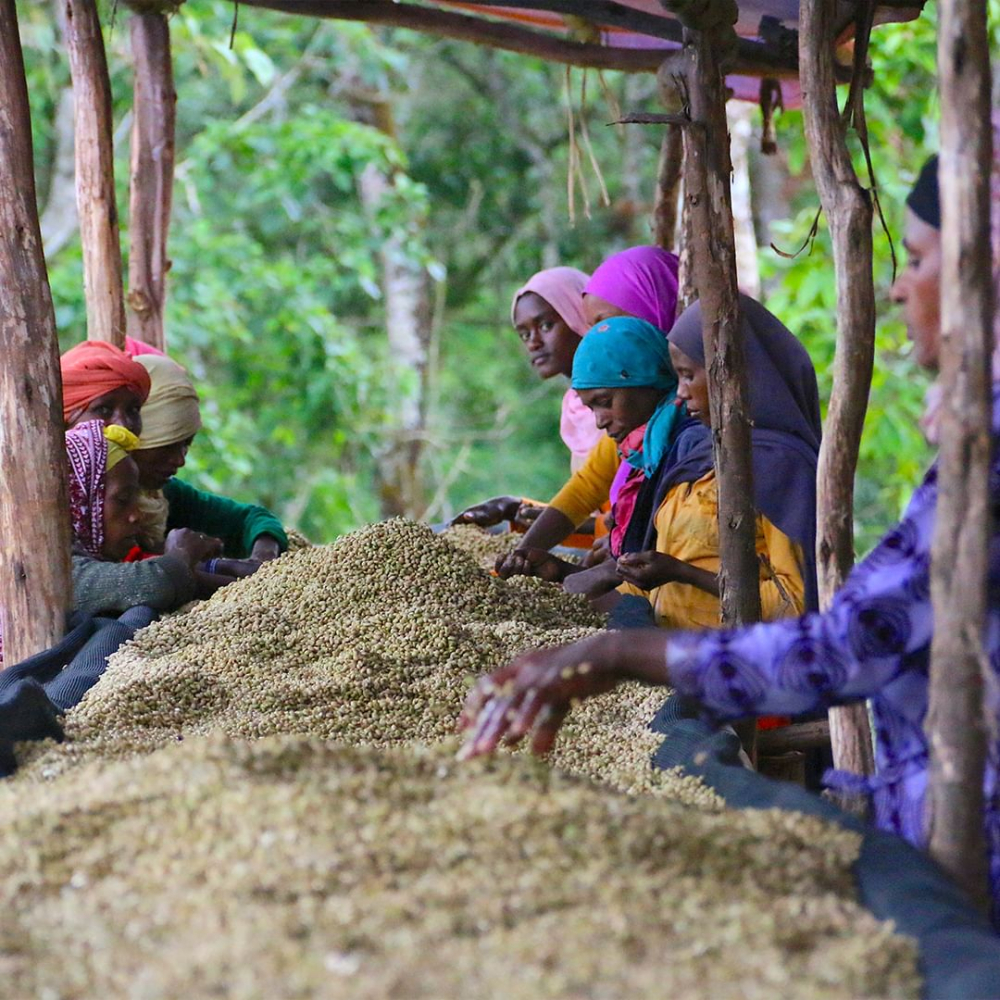
When discussing Yirgacheffe sun-dried coffee, one cannot overlook the “Red Cherry Project.” Launched in 2007 by Dutch green coffee trader Trabocca, this initiative aims to improve the overall quality of the region’s coffee by strictly selecting only fully red, ripe coffee cherries. In the past, due to market pressures, coffee farmers often focused on quantity rather than detail and quality. The Red Cherry Project requires farmers to harvest only 100% fully red cherries and to hand-pick them meticulously, significantly enhancing the final coffee quality.
The project not only sets high standards for harvesting but also enforces strict cupping score requirements. Beans must pass cupping evaluations in both Addis Ababa, the capital of Ethiopia, and Amsterdam, the Netherlands. Only those that achieve a certain score can be auctioned, often fetching prices four times the market average, and sometimes even up to 20 times higher. In addition to quality demands, production is limited to small batches of 1500–3000 kilograms to ensure each bean receives the utmost care.
Trabocca also actively invests resources, providing processing equipment, financial loans, and technical support to ensure participating farmers can upgrade both their hardware and knowledge simultaneously. This project spans multiple regions including Yirgacheffe, Sidamo, and the Pungamo Forest, driving the overall specialty coffee development of Ethiopia and having a profound impact on the global specialty coffee supply chain.
In the offering list of a well-known roaster, the Yirgacheffe Red Cherry Project sun-dried bean is a member of this very program. These beans are sourced from the Aletre Farm at an altitude of 2300 meters, cultivated by hundreds of smallholder farmers with an average farming area of about 0.6 hectares per household. The coffee farmers carefully select only fully red cherries and use the sun-dried method to preserve the fullest fruit aroma and sweetness. The green beans are graded as G1, with intact appearance and extremely low defect rates.
This Red Cherry sun-dried bean is medium-light roasted, exuding intense aromas of berries, citrus, sweet orange, and lemon. It has a high sweetness level, bright acidity, and a finish that carries soft notes of caramel, cream, and black tea—offering a classic representation of Yirgacheffe sun-dried flavor.
Another noteworthy option is the Yirgacheffe Konga sun-dried bean from a well-known roaster. These beans also come from Yirgacheffe but are processed by the Woter Konga washing station, at altitudes between 1850–2050 meters, using local native varieties and the sun-dried method. Their flavor profile differs slightly from the Red Cherry Project: at higher temperatures, they present bright notes of berries, cream, honey, and citrus with lively acidity; as the temperature cools, the mouthfeel becomes smoother while still retaining lingering berry and citrus notes.
For brewing recommendations, both of these sun-dried Yirgacheffe beans are well-suited for the V60 filter. Use water temperature controlled at 90–91°C, about 15 grams of coffee, a 1:15 coffee-to-water ratio, and a medium-fine grind (approximately 80% extraction through a Chinese standard No. 20 sieve). A three-stage extraction is suggested: start with a 30-second bloom using 30 grams of water, then pour in a slow circular motion until reaching 125 grams for the first pour. After the water level drops, continue pouring to 225 grams before removing the filter. The total brew time is around 2 minutes, which fully highlights the fruitiness and layered complexity.
In summary, Yirgacheffe sun-dried coffee beans stand out as a classic favorite among many coffee lovers, thanks to their unique fruitiness, bright acidity, and diverse flavor profiles. Whether it’s the washed beans from Guji Dingding Cooperative or the sun-dried beans from the Red Cherry Project or Konga washing station, each offers a distinctly charming yet equally captivating taste experience. If you enjoy pour over coffee with bold fruit character and balanced sweetness and acidity, start your exploration with these classic origins and processing methods to experience the endless allure of Ethiopian coffee.
The above content is compiled by CoffeeHunters, a coffee news website.


