







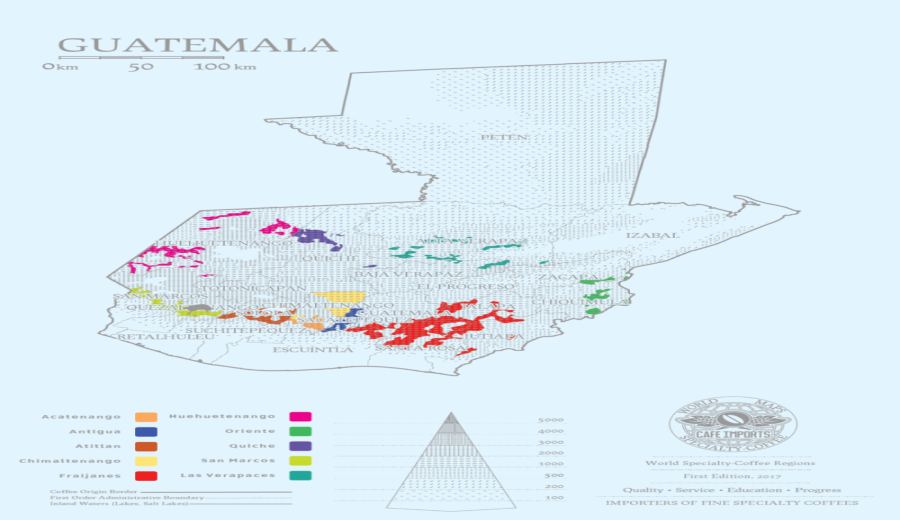
Introduction:Huehuetenango is one of Guatemala’s most representative coffee-growing regions. Its high altitude and dry climate contribute to the coffee’s distinctive rich flavor and unique smoky notes. This article delves into the region’s geographical conditions, planted varieties, common processing methods, and explores the origins of its flavor characteristics. It also provides practical pour over parameters and roasting recommendations to help coffee enthusiasts gain a more comprehensive understanding of the flavor profile of this classic origin.
Guatemalan coffee has long enjoyed high recognition in the global market, and among its regions, Huehuetenango stands out the most. Coffees from this area often exhibit notable body and a distinctive smoky tone, a flavor profile that is quite rare among coffee-producing countries and has become a key highlight for enthusiasts in tasting and identification.
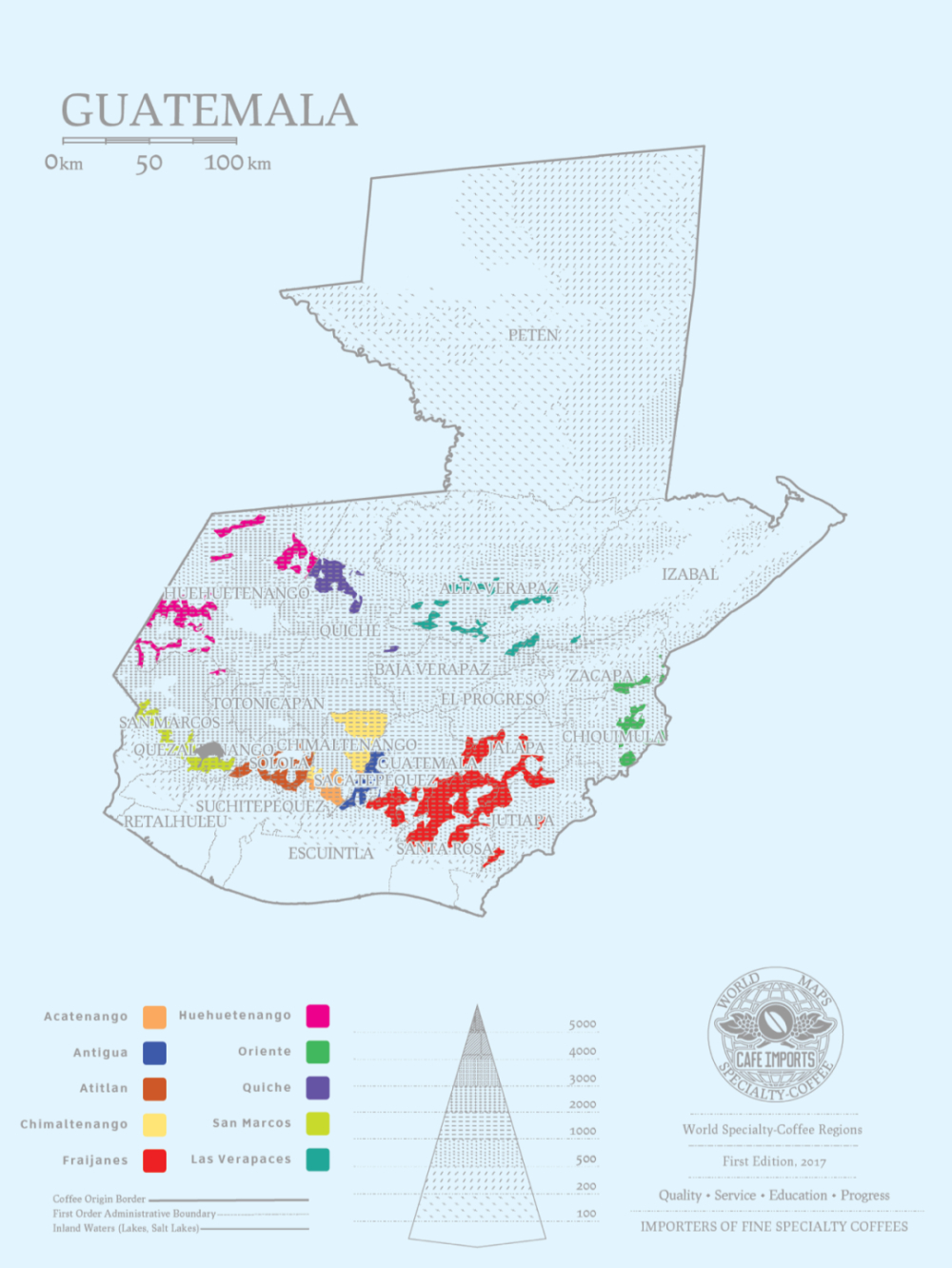
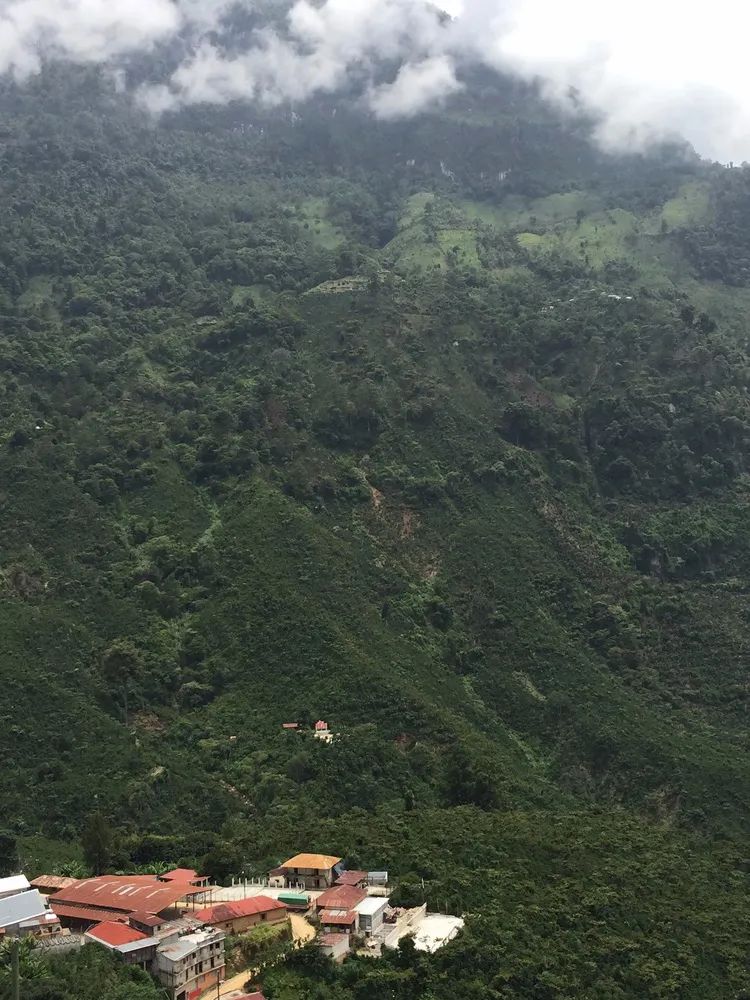
Located in the highlands of northwestern Guatemala, Huehuetenango benefits from geographic and climatic conditions that are highly favorable for coffee cultivation. The typical growing altitude here ranges between1500 and 2000 meters. The large diurnal temperature variation at high altitudes helps coffee cherries ripen slowly, allowing them to accumulate richer flavor compounds. Although the region is not part of a volcanic soil belt, it features well-draining and nutrient-rich soils, which also form a solid foundation for coffee quality.
In terms of varieties, commonly planted cultivars in this region includeBourbon, Caturra, and Catuaí, all of which are high-quality Arabica varieties. These varieties generally possess bright acidity and a rich fruity base, and when grown at high altitudes, they further highlight the layers and complexity of the coffee.
In terms of processing methods, Huehuetenango mostly employsthe washed process (Washed Process). Although the region is located in the inland highlands, water resources are relatively abundant, coupled with well-developed local infrastructure, making washed processing the mainstream method. The washed process effectively removes the pulp layer, resulting in a cleaner coffee flavor, brighter acidity, and a crisp aftertaste. Many roasters can clearly detect its nutty tones, subtle citrus peel aroma, and unique faint smokiness during cupping.
As for the origin of the smoky flavor, there have been past speculations that it might come from the local volcanic soil. However, since Huehuetenango is not within a volcanic zone, this hypothesis has been debunked. Currently, it is widely believed that this flavor may stem from the dry climate at high altitudes, specific sun-drying conditions, or interactions during processing and roasting. Regardless of the cause, this smoky note has become a hallmark of Huehuetenango coffee.
Among many entry-level or everyday drinking bean options on the market, Huehuetenango coffee beans are also favored for their cost-effectiveness. Some brands offer Huehuetenango-origin beans priced at around25 RMB / 100 grams, making them an affordable choice, perfect for coffee newcomers wanting to explore the characteristics of this origin. Such beans are typically medium-light roasted to preserve more of their inherent flavors and are well-suited for brewing via pour over to showcase their details and layers.
If you’d like to brew this coffee yourself, here are some suggested reference parameters:
- Filter dripper: V60
- Coffee dose: 15 grams
- Coffee-to-water ratio: 1:15 (approximately 225 grams of water)
- Grind size: Medium-fine, close to 80% extraction through a Chinese No. 20 standard sieve
- Water temperature: Recommended at 90–91°C
For the pour over steps, a three-stage pouring method is recommended: first wet the coffee grounds with 30 grams of water and bloom for about 30 seconds; then pour with a steady medium-fine stream until reaching 125 grams. When the water level drops to about two-thirds of the coffee bed, proceed to the third pour up to 225 grams. The total extraction time is advised to be controlled around 2 minutes. These parameters help balance sweetness and body while bringing out the region’s characteristic smoky and nutty flavors.
In summary, Huehuetenango coffee from Guatemala stands out with its high altitude, distinctive flavor, and solid varietal foundation, making it an ideal starting point for many coffee enthusiasts exploring Central American coffees. Whether you want to experience the unique charm of its smoky character or explore its layered complexity through pour over brewing, this coffee is definitely worth trying.
The above content is compiled by CoffeeHunters, a coffee news website.


