







Introduction:Delve into the coffee charm of Colombia’s Huila volcanic region — from its unique volcanic terrain and smallholder farming model to the classic Caturra variety and washed processing method. This piece unpacks the story behind this consistent high performer in international competitions. It also provides practical pour over parameters and techniques for medium-dark roasted Huila coffee to help you fully grasp the flavor profile and brewing essentials of this region.
As a globally renowned specialty coffee origin, Colombia’s exceptional geographical and climatic conditions have given rise to numerous high-quality coffee-growing regions. Among them, Huila in the southwest has consistently stood out in international green bean competitions since the 21st century and officially received Denomination of Origin status in 2013, becoming a focal point in the industry. The coffees here not only possess distinct regional characteristics but also demonstrate remarkable consistency in quality, thanks to meticulous management by smallholder farmers.
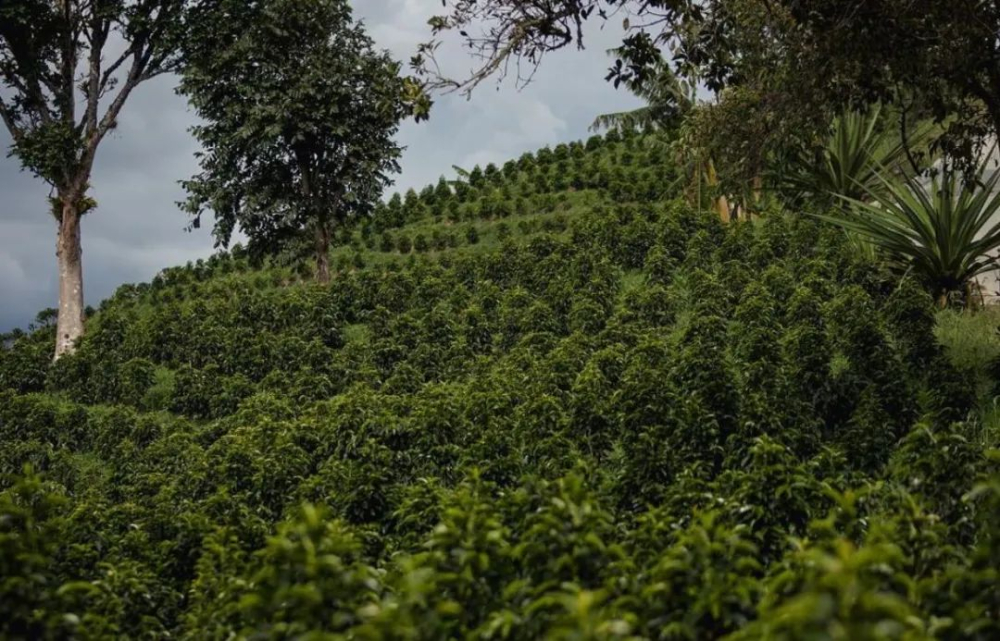
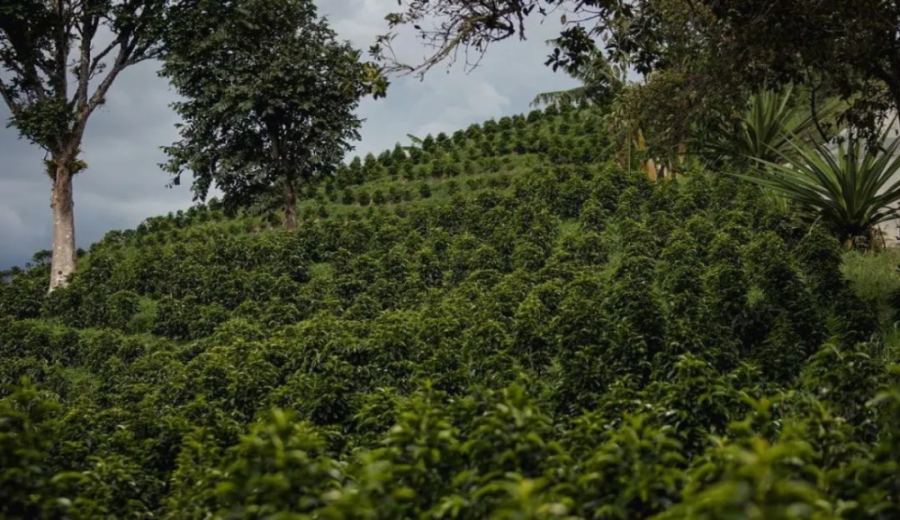
The Huila region is located at the southern foothills of the Andes Mountains, adjacent to the active Huila Volcano. The fertile volcanic ash accumulated from volcanic activity is rich in various minerals, providing natural nutrients for coffee plants and serving as one of the key factors contributing to the coffee’s complex flavor profile. In addition, the area enjoys abundant rainfall year-round with mild and stable weather, allowing coffee cultivation at altitudes of over 2,000 meters — a typical high-elevation environment. Coffee cherries that ripen slowly under such high-altitude conditions tend to exhibit brighter acidity, complex aromas, and fuller body, with particularly prominent chocolate and nutty notes.
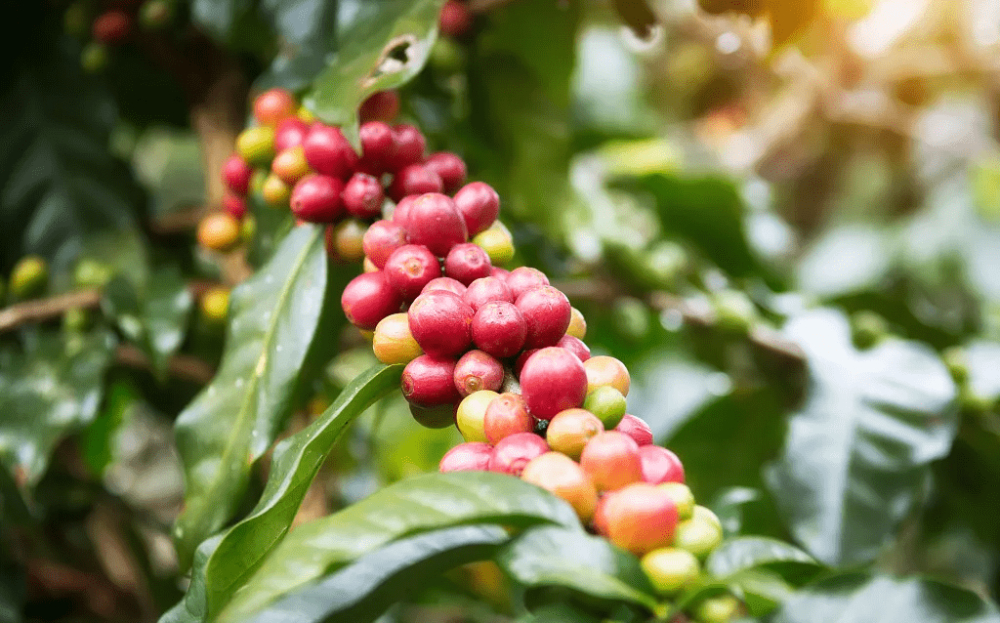
Coffee farming in the region is predominantly carried out by small family farms, with average cultivated land areas usually not exceeding 1.5 hectares. These farmers commonly intercrop shade trees among coffee plants, which not only helps regulate the microclimate, reduce sun stress on the plants, but also enhances overall biodiversity, further safeguarding coffee quality. During the annual harvest season, farmers meticulously select only fully ripe, uniformly colored coffee cherries and process them as quickly as possible to preserve optimal flavor.
Nowadays, Colombian coffees on the market often feature a variety of special processing methods, showcasing diverse aromatic profiles. However, if you wish to experience the most authentic and pure side of the country’s coffee, the washed processing method is a classic choice that should not be missed. Thanks to Colombia’s abundant water resources, many family-run farms are equipped with professional green bean processing equipment, such as semi-automatic depulpers like the Ecomill or Eco-Pulper. These machines can effectively remove the skin and pulp of coffee cherries with minimal water usage, leaving only the parchment-covered beans with mucilage attached.
Next, the parchment beans are typically left to rest in tile tanks or small fermentation tanks for about 24 hours. By controlling the fermentation environment, the residual mucilage is naturally broken down. After fermentation, the beans are thoroughly rinsed with clean water and then evenly spread on African beds or cement surfaces to undergo several days of sun drying until the moisture content drops to around 11%, ensuring stable storage and transport quality. This processing method not only preserves the clear flavor profile of the coffee beans but also highlights the clean and balanced characteristics unique to the Huila region.
The most commonly cultivated variety in the Huila region is Caturra, a natural mutation of the Bourbon variety, first discovered in Brazil in 1937. Caturra plants are relatively short, facilitating harvesting, and boast good disease resistance and high yield potential, making them highly favored by smallholder farmers. This variety adapts to a wide range of altitudes, from 700 to 1,700 meters, but as altitude increases, its flavor profile tends to become more delicate and bright, with softer acidity and pronounced sweetness. Although yields per unit area may slightly decrease, the trade-off is higher-quality coffee beans.
Based on the characteristics of medium-dark roasted Huila washed Caturra — featuring rich aromas of nuts and chocolate while retaining moderate acidity and a sweet finish — these beans strike a balance when chosen as everyday drinking beans. They express the classic steady profile of Colombian coffee without being overly heavy. A certain coffee brand, during the development of this blend, conducted multiple cuppings to ensure a balance between flavor expression and roast level, ultimately selecting medium-dark roasting to bring out the optimal flavor.
For this medium-dark roasted Huila coffee, if brewed using the pour over method, it is recommended to choose a medium-coarse grind (approximately 75% passing through a #20 sieve) based on its bold, chocolatey flavor profile, and to control the water temperature at around 90°C to avoid over-extraction and unwanted off-flavors. It is recommended to use a KONO filter cone for extraction, as its unique rib structure extends the contact time between water and coffee grounds, further enhancing body and smoothness.
The drainage design of the KONO filter cone is concentrated only in the ribbed area at the top quarter. Once the water level exceeds that zone, the lower part of the cone becomes nearly sealed, gradually increasing the pressure between the filter paper and the coffee bed, slowing down the flow rate. This facilitates better extraction of soluble substances, thereby intensifying the coffee’s full body and aroma. Compared to high-flow cones like the V60, the KONO better highlights the richness and roundness of medium-dark roasted beans.
Suggested pour over parameters are as follows: Use a KONO filter cone, water temperature around 90°C, coffee grind size at 75% passing through a #20 sieve (medium-coarse), with a coffee-to-water ratio of 1:15 — that is, 15 grams of coffee to 225 milliliters of water. Employ the three-pour method: begin with pouring approximately double the coffee weight (around 30 grams) for a 30-second bloom to initiate extraction; then pour in a small circular motion until reaching 125 grams for the first pour, wait briefly for the water level to drop, and continue pouring until reaching a total of 225 grams to complete extraction, with the whole process taking about two minutes.
The brewed Huila coffee delivers an immediate impression of distinct chocolate and nut aromas, with a caramel-like sweetness in the aftertaste. The overall mouthfeel is rich yet balanced, combining bold flavors with gentle acidity that becomes even more refined and enjoyable as it cools slightly. Whether as an everyday brew or for deeper tasting, it is an excellent choice for experiencing the charm of Colombia’s volcanic coffee region.
The above content is compiled by CoffeeHunters, a coffee news website.


