








Introduction:Jamaica Blue Mountain coffee is renowned worldwide for its exceptional balance and rich flavor, yet its rarity has also led to a market flooded with imitations. This article delves into the growing environment and official certification system of Blue Mountain coffee, and provides eight practical tips for identification — from packaging and grade to aroma and grind texture — to help you distinguish genuine Blue Mountain. It also includes the flavor profile and pour over recommendations for the classic Clifton Estate Blue Mountain No. 1, guiding you from beginner to connoisseur.
Jamaica Blue Mountain coffee has long ranked among the world’s top coffees. Its appeal lies in the exquisite balance of acidity, sweetness, and bitterness, coupled with a smooth mouthfeel and solid body, making it a dream brew for coffee enthusiasts. However, precisely because of its prestigious reputation, the market is rife with various "Blue Mountain-flavored" imitations, making it difficult for consumers to discern authenticity. This article starts with the background of the Blue Mountain growing region, analyzes its unique geographical and climatic conditions, and then, through official certifications and eight practical identification methods, teaches you how to recognize the genuine product. Using Clifton Estate Blue Mountain No. 1 as an example, it details its flavor characteristics and recommended brewing parameters.
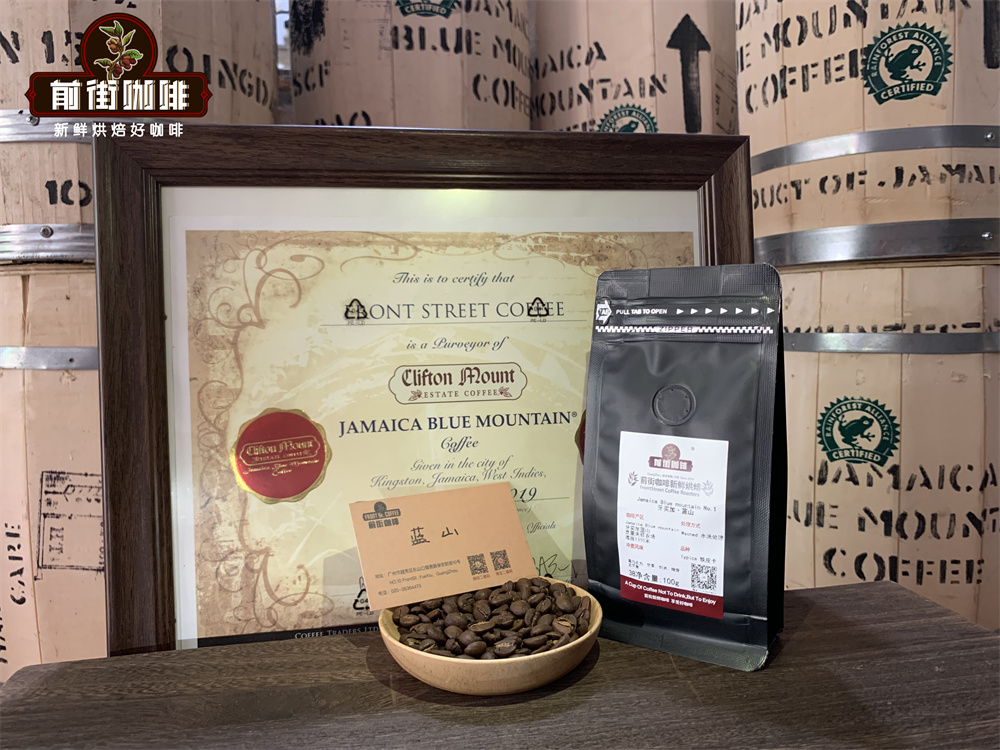
The reason Jamaica Blue Mountain coffee stands out lies in its exceptionally favorable growing environment. The region is located in the mountainous area between Kingston in the south and Port Antonio in the north of Jamaica. The main peak, the Blue Mountains, reaches an elevation of 2,256 meters, making it the highest peak in the Caribbean. This mountainous area is often shrouded in mist, with cool temperatures, abundant rainfall, and deep, well-draining soil layers, providing nearly perfect growing conditions for coffee trees. As a result, Blue Mountain coffee boasts an exceptionally harmonious flavor profile, with a smooth entry and distinct layers.
However, precisely because of Blue Mountain coffee’s fame and scarcity, the market is full of products that mislead consumers. Many mistakenly believe that anything labeled “Blue Mountain flavor” is Blue Mountain coffee, but the difference is significant. “Blue Mountain flavor” coffee may contain only trace amounts of Blue Mountain beans or none at all, and is far from authentic Blue Mountain. To truly experience the charm of Blue Mountain coffee, one must first learn to identify its authenticity.
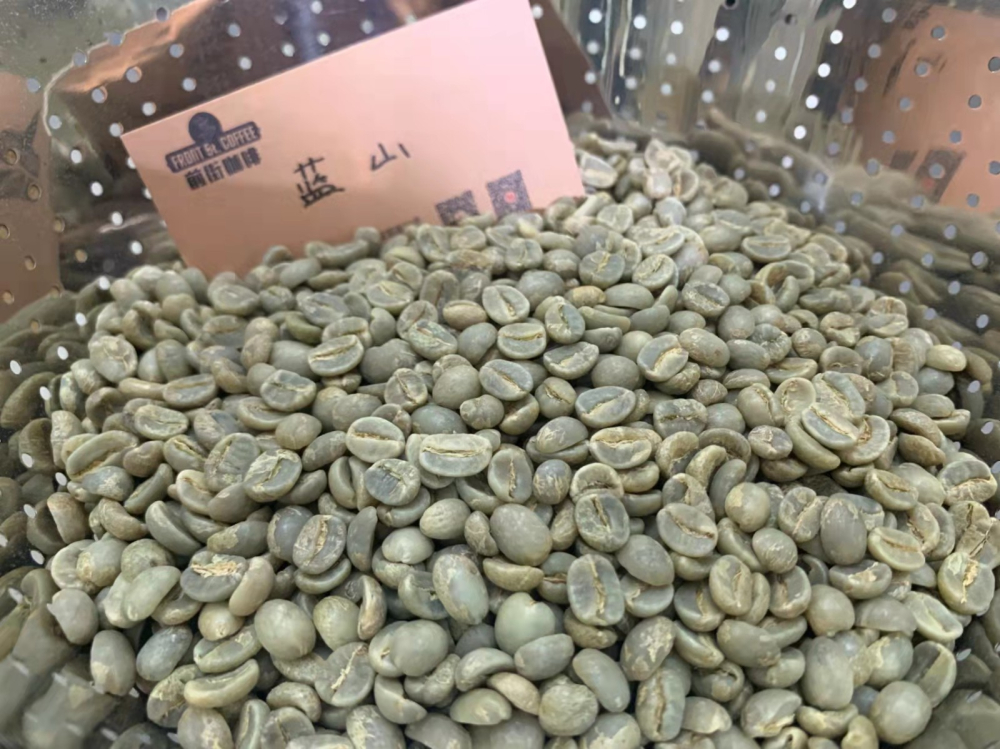
Here are eight practical ways to authenticate Jamaica Blue Mountain coffee: First,Taste Judgment. Experienced drinkers can identify authenticity directly through flavor: genuine Blue Mountain tastes rich and balanced, with all flavors harmoniously integrated; whereas imitations often taste thin, overly sharp, or unbalanced in acidity and bitterness. Second isVerification of Certification Source. True Blue Mountain coffee must be certified by the Jamaica Coffee Industry Board (CIBOJ), established in 1950, which issues export and processing licenses for green beans and sets strict quality standards. Since 2018, this function has been taken over by the Jamaica Agricultural Commodities Regulatory Authority (JACRA). Certification information can usually be found on the packaging or at the point of sale.
Third isConfirmation of Origin Information. Although Blue Mountain coffee should naturally come from Jamaica, due to the historical exclusive distribution by Japan’s UCC, many commercially available products bear the UCC logo. Consumers should still pay attention to the origin indicated on the packaging to ensure it is from the Jamaica Blue Mountain region. Fourth isObservation of Packaging Form. In the past, Blue Mountain green beans were packed in sealed aluminum foil bags with jute sacks on the outside, while in recent years they have mostly been packed in wooden barrels, a unique Jamaican tradition. Some imitations, even in small quantities, mimic wooden barrel packaging or even paint them, which is not only unprofessional but may also affect the aroma of the beans.
Fifth isChecking the Grade Label. Blue Mountain coffee is divided into five grades based on quality: Blue Mountain No. 1, Blue Mountain No. 2, Blue Mountain No. 3, Blue Mountain PB (Peaberry), and Jamaica High Mountain coffee. If you see labels such as AAA, AA, A, or G1, these are not part of the Blue Mountain grading system and can generally be identified as fakes. Sixth isExamination of Physical Characteristics. Genuine green beans are uniformly jade green, medium to slightly small in size, with slightly upturned ends; after roasting, they expand fully and have a round shape.
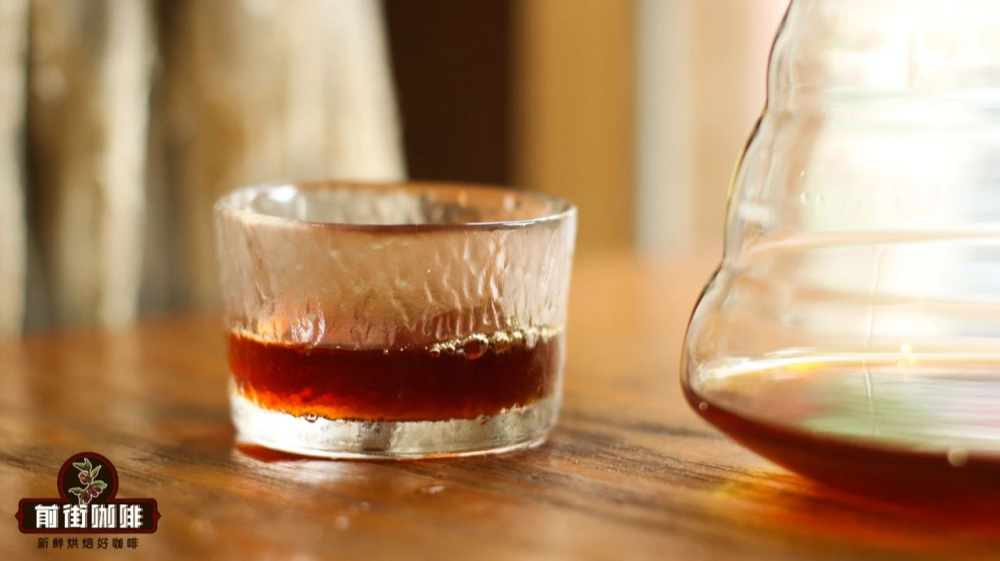
Seventh isSensation of Grind Texture. Since Blue Mountain coffee grows at mid-altitude, its green beans have relatively loose cell structure. When ground with a hand grinder, the process feels smooth and effortless, without jamming or difficulty. Eighth isScenting the Aroma Layers. Genuine Blue Mountain has a rich fruity and chocolatey aroma (or described as creamy), with a steady and lasting fragrance after roasting; whereas blends often have exaggerated scents lacking depth and tend to fade quickly.
To personally experience authentic Blue Mountain coffee, consider trying the highly acclaimed Clifton Estate Jamaica Blue Mountain No. 1. This 270-year-old estate is the largest in the Blue Mountain region and currently the only coffee farm in the area with Rainforest Alliance certification, reflecting its stringent ecological management. Its Blue Mountain No. 1 features a pure and soft flavor, with an excellent balance of acidity, richness, and aroma, almost no bitterness, and a fruity finish. The dry aroma offers notes of roasted peanuts and hazelnuts, while the wet aroma reveals a hint of light oolong tea. Upon tasting, the chocolate flavor is prominent, followed by a caramel-like sweet aftertaste.
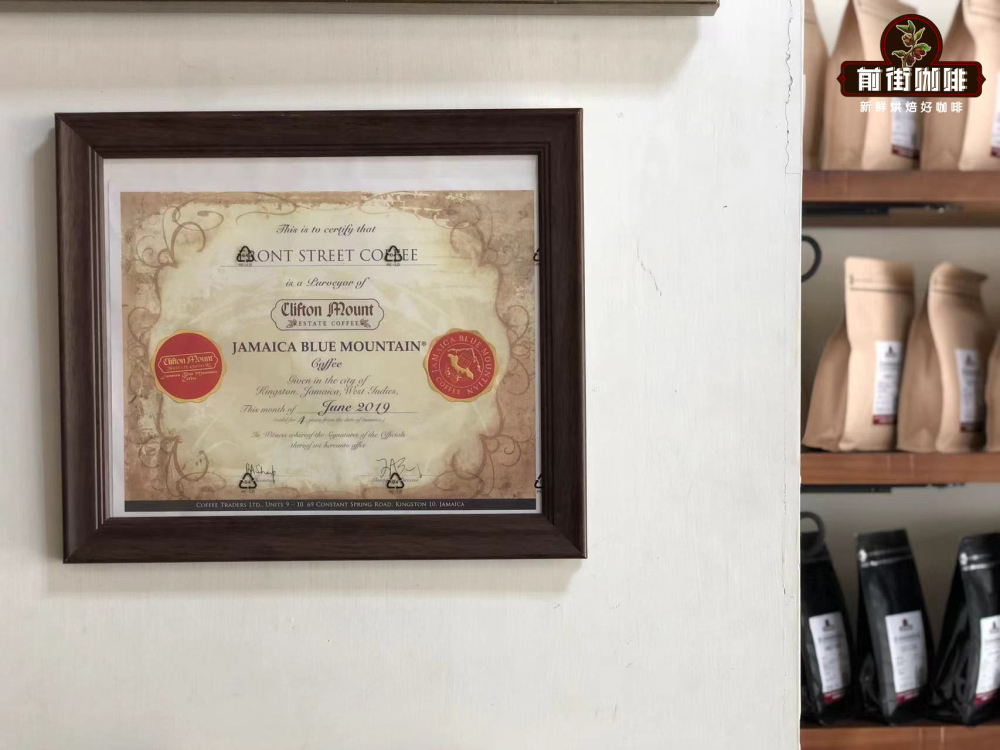
For coffee lovers who wish to brew Clifton Estate Blue Mountain No. 1 themselves, here are practical pour over suggestions: Use a Kono filter cone, 15 grams of coffee, a 1:15 coffee-to-water ratio, and water temperature around 88°C, with a medium-coarse grind. The Kono filter cone is chosen for its design, which enhances blooming, allowing the coffee grounds to fully interact with water and creating an extraction effect similar to siphon brewing, further intensifying the rich mouthfeel. For specific technique, start by pouring 30 grams of water for a 30-second bloom, then slowly pour in a small stream from the center outward to 120 grams. Once the coffee bed has settled halfway, switch to a larger stream and pour to 225 grams. Finally, remove the filter once the dripping is complete. The total brewing time is approximately two minutes.
The above content is compiled by CoffeeHunters, a coffee news website.


