







Introduction:Want to learn about the highly acclaimed Huacai and Alsie coffee beans from the Sidama region? This article takes an in-depth look at these two sun-dried Ethiopian highland beans, covering everything from regional terroir and processing methods to roast profiles and V60 pour over recommendations — helping you grasp their unique flavor profiles and optimal brewing techniques.
As one of the birthplaces of coffee, Ethiopia — aside from the well-known Yirgacheffe — has seen its southern Sidama region gradually entering the spotlight among specialty coffee enthusiasts in recent years. With diverse terrain, rich microclimates, and a wealth of native coffee varieties, this area produces beans with remarkably varied flavor profiles. This article will focus on two prominent sub-regions of Sidama — Guji and West Arsi — introducing you to their most iconic representatives: the Huacai series and Alsie coffee beans. From regional background and processing methods to roast and pour over parameters, we provide a comprehensive bean selection and brewing guide.
Sidama is located in southern Ethiopia, bordering administrative regions such as Arsi, Bale, and Gamogofa, with coffee cultivation typically occurring at elevations between 1400 and 2000 meters. Agriculture dominates the local economy, and many coffee farms are situated around the East African Rift Valley. Due to diverse soil types, significant microclimatic variation, and extensive planting of native varieties, coffee from different villages and regions often exhibits markedly distinct flavors. For example, Yirgacheffe, originally part of the Sidama sub-region, was later designated as a standalone region due to its highly distinctive citrus and floral characteristics. With further regional subdivisions, emerging sub-regions such as Guji and West Arsi have also gained prominence, becoming sought-after sources in the specialty coffee market.
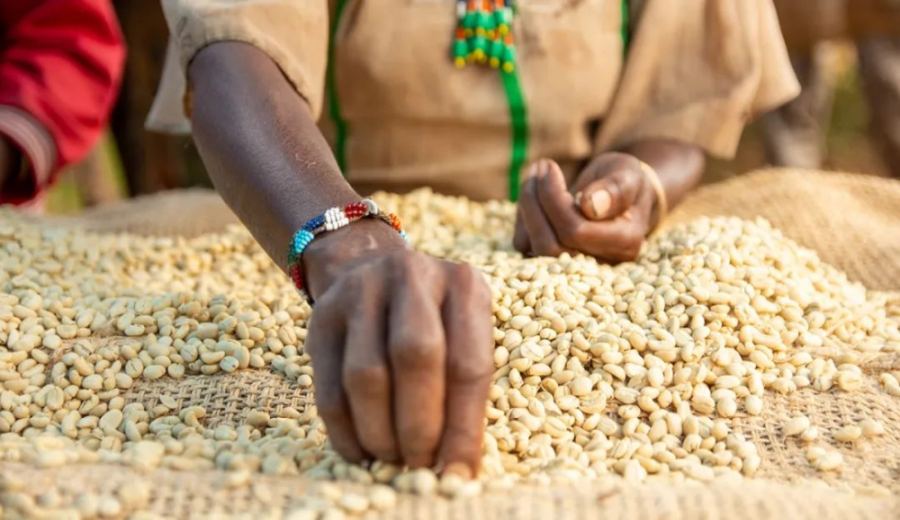
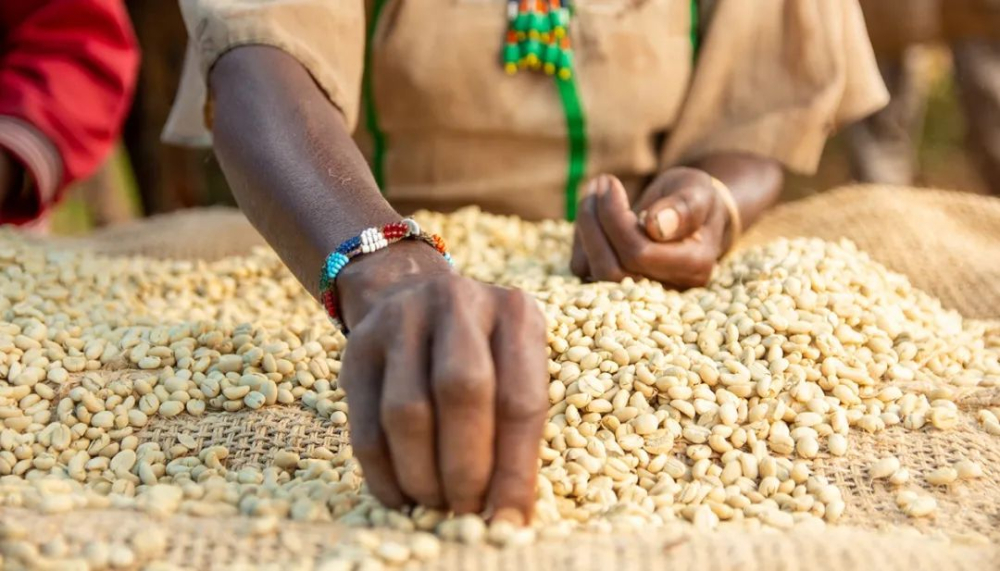
In Sidama, the natural (sun-dried) processing method is one of the mainstream techniques. By fully preserving the fermentation process with the coffee cherry fruit, it imparts intense fruity aromas and a rich mouthfeel to the beans. Especially in high-altitude environments, sun-drying enhances the coffee’s sweetness and complexity — a key element in the region’s flavorful appeal.
When it comes to notable sub-regions within Sidama, Guji and West Arsi are undoubtedly among the most prominent. Guji was formerly part of Sidama but was designated as an independent region by the ECX in 2010. It is geographically located southeast of Yirgacheffe, characterized by a landscape of mountains, valleys, and plains, with fertile black soil (Vertisol) and elevations generally above 1800 meters. The area experiences significant diurnal temperature variation, making it highly suitable for cultivating high-quality coffee. As for West Arsi, it lies in the western part of Sidama, adjacent to the Yirgacheffe growing belt and the region of Harerghe, with elevations ranging approximately from 1900 to 2200 meters. It comprises three administrative zones: Arsi, Bale, and Derashe, and its population mainly consists of branches of the Oromo ethnic group. The coffee grown here also boasts unique regional flavors.
This article will focus on the Huacai series of coffee beans from the dry Beltu area of Guji, as well as the well-received sun-dried Alsie beans from the West Arsi region. These two beans have not only achieved accolades in international competitions, but also become go-to choices for many coffee lovers seeking an entry point into Sidama flavors, thanks to their distinct flavor characteristics and consistent performance.
The Huacai coffee beans first made their appearance in 2017 as the sun-dried category champion of the TOH (Ethiopia Taste of Harvest). They were introduced to China by Beijing-based green coffee importer Hongshun, and their unique strawberry cream and fruity flavor profile left a deep impression. Notably, during the 2017 China Brewers Cup competition, Li Jianfei used this bean to secure second place, standing out among many Geisha entries — hence earning the name “Huacai” (meaning “Flower Queen”). Strictly speaking, only the championship batch from that year can be called “Huacai.” To continue the legacy of the name, Hongshun subsequently imported batches from the Bukuru washing station, naming them successively as Huacai 2.0, 3.0, 3.1, etc., to distinguish between different harvest seasons and processing batches.
By 2022, some roasters opted to continue using the more stable-flavored Huacai 5.0 due to the higher proportion of flat beans and defects in Huacai 6.0. That batch exhibited a balanced flavor of citrus, mango, and honey, appealing to those who enjoy bright acidity and fruity profiles. Meanwhile, the new 2024 Huacai 8.0 season returned with even higher quality green beans. To fully showcase its floral-fruit character and caramel aroma, roasters often apply a medium-light roast to highlight the clarity of its sweet and sour layers. This bean exudes strong fruity aromas such as guava, jackfruit, apricot, and citrus in its dry scent, while the brewed cup delivers complex fruit acidity and sweetness — including dried mango, orange, and passion fruit. The finish carries a soft aftertaste of peach and black tea, resulting in a rounded and layered mouthfeel overall.
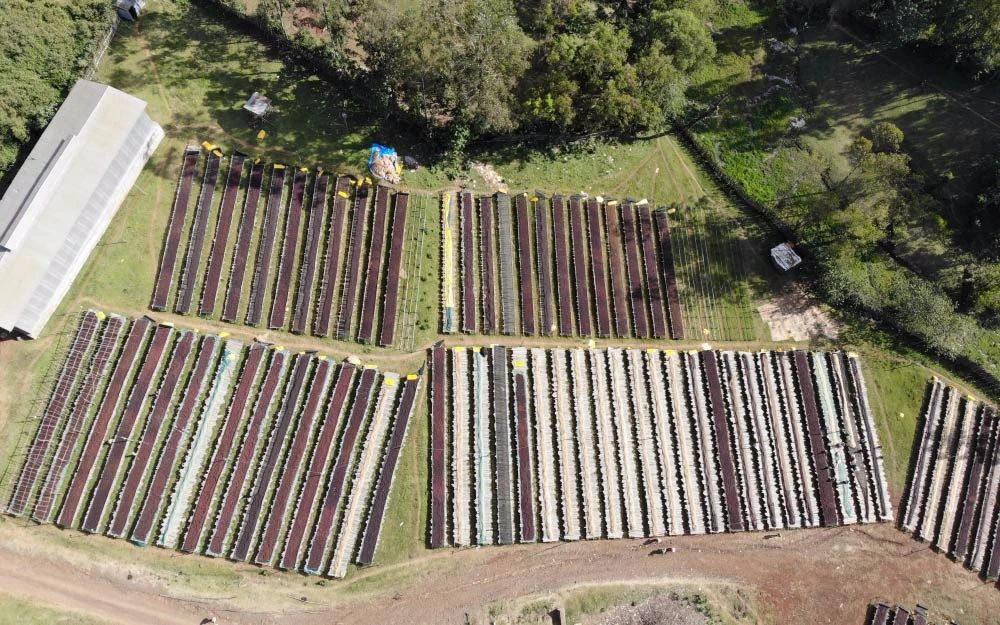
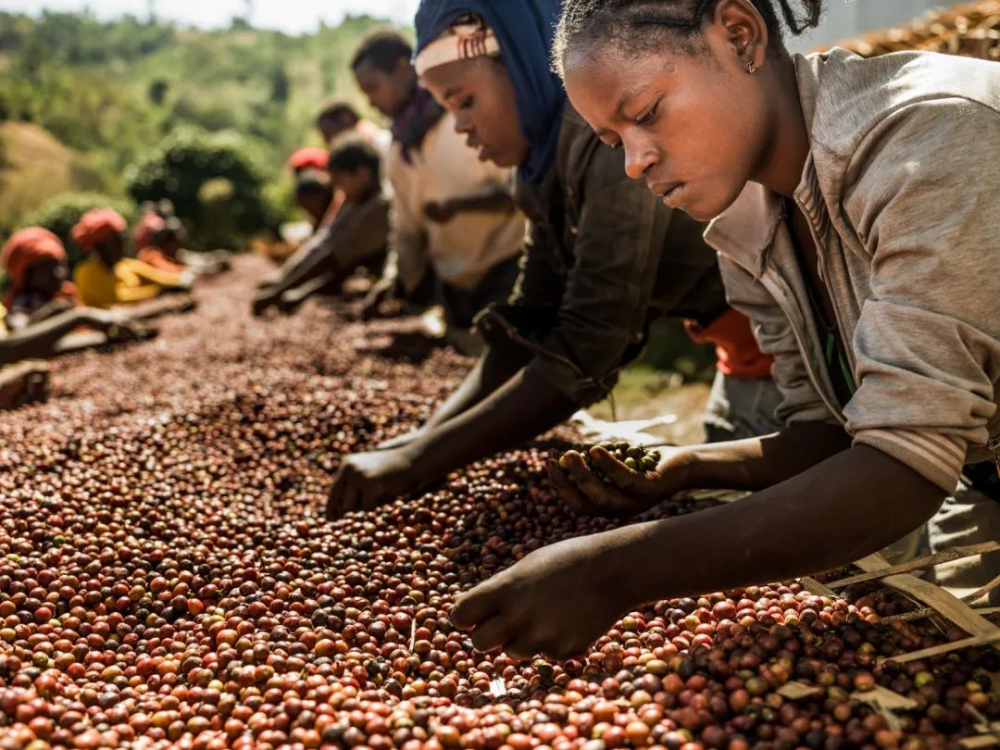
As for the Alsie coffee beans, they originate from the western Sidama region at elevations between 1900 and 2200 meters. Local farmers carefully handpick only fully ripe red cherries, placing them one by one into baskets to ensure maturity and purity. These coffee cherries are then spread on wooden racks or platforms for sun drying. During this process, they are regularly turned to prevent mold, and defective beans are manually removed. Once the skins are fully dried, the beans are hulled and undergo final sorting — ensuring a consistent G1 grade. This Alsie sun-dried bean features primary notes of berries, honey, plum, and nectarine, with a juice-like brightness, balanced sweet-tart profile, and a clean refreshing finish. It’s especially suited for coffee lovers who enjoy intense fruitiness and pronounced sweetness.
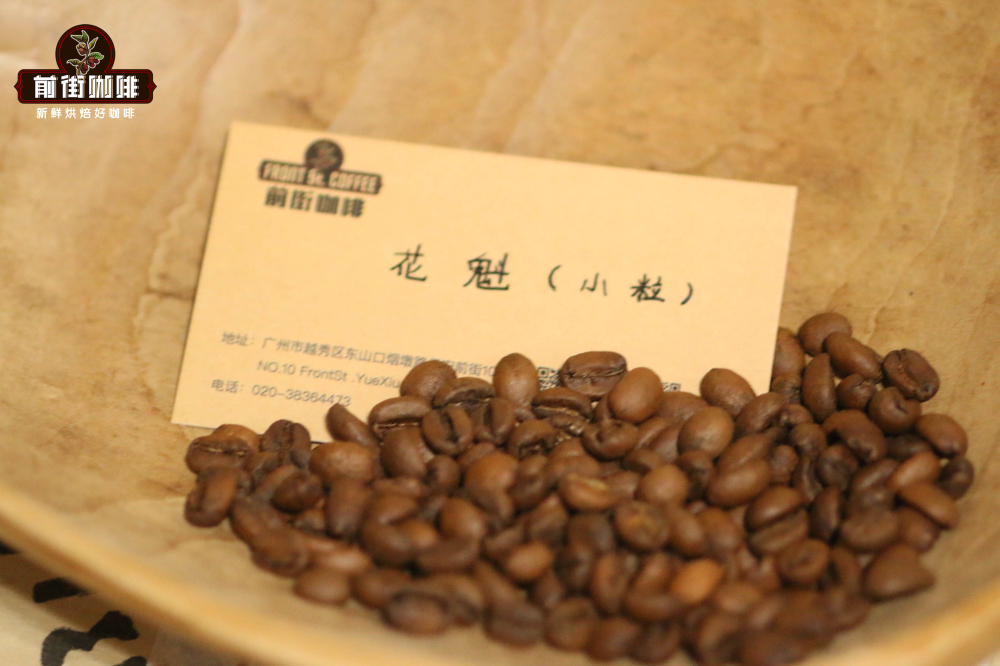
For roast recommendations, both beans are ideal for medium-light roasting to preserve their clear fruity and floral aromas along with acidity. For Huacai 8.0, it is suggested to extend the drying phase to ensure even heat penetration to the bean core. The charge temperature is around 175°C, with first crack development maintained for about 1 minute and 40 seconds, and drop temperature around 196°C — this helps fully express its tropical fruit and floral nuances. For the Alsie beans, it is recommended to start with a slightly lower charge temperature (around 160°C), with first crack development lasting about 1 minute, and drop temperature around 193.5°C, which helps bring out the gentle sweetness of berries and honey.
For V60 pour over parameters, it is recommended to use a size 01 filter, 15 grams of coffee, water temperature controlled at 90–91°C, a 1:15 coffee-to-water ratio, and a grind size around EK43s setting 10 (similar to fine sugar, with about 80% passing through a #20 sieve). The specific steps are as follows: begin with a 30-second bloom using 30 grams of water, followed by pouring 95 grams (total ~125g) within about 1 minute; when the water level drops to two-thirds of the coffee bed, pour the final 100 grams (total ~225g), completing the pour in about 1 minute and 40 seconds to 1 minute and 45 seconds, with total brew time kept between 2 and 2 minutes 10 seconds.
Brewed using the above parameters, Huacai 8.0 will showcase mature citrus aromas, with a bright entrance of passion fruit and citrus acidity, mid-to-late stages offering mango sweetness, resulting in a richly layered cup. Upon cooling, a hint of oolong-like sweetness lingers. Meanwhile, the Alsie coffee emits aromas of berries and honey, with a syrupy sweetness upon entry, finishing notes of nectarine and plum, delivering a juice-like refreshing mouthfeel. Upon cooling, the flavor transforms into softer, more subdued fruit notes.
The above content is compiled by CoffeeHunters, a coffee news website.


