







Introduction:Kenyan coffee is renowned for its intense berry acidity and clear layered profile, making it a top choice for many pour over and single-origin espresso (SOE) enthusiasts. This article delves into its regional distribution, rigorous grading system, and explores how the K72 washed process shapes its unique flavors, while also providing practical pour over and espresso extraction parameters to help you master every step from bean selection to brewing.
Kenyan coffee is celebrated for its distinctive berry acidity and clean finish, delivering exceptional flavor whether brewed as pour over, Americano, or single-origin espresso (SOE). This article will comprehensively unpack the charm of Kenyan coffee, covering everything from regional characteristics and grading standards to processing techniques and actual brewing methods.
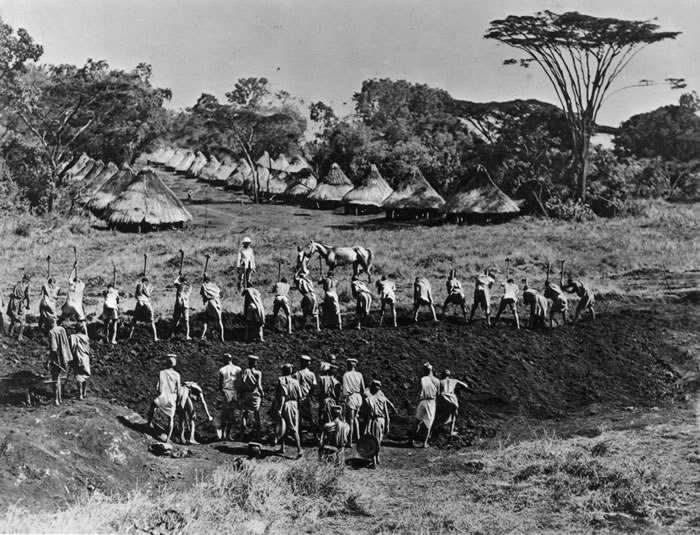
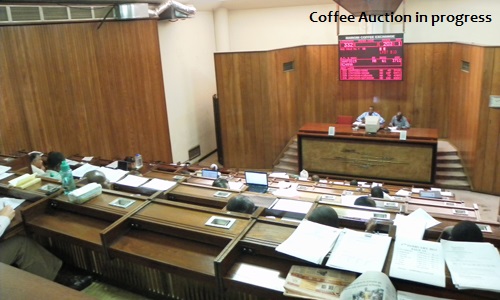
Although Kenya’s coffee history is not as long-standing as that of neighboring Ethiopia, its cultivation system is highly developed. Historical records indicate that coffee was first introduced by missionaries in the late 19th century and later grew into a major cash crop during the British colonial period. Established in 1933, the Kenya Coffee Board and the auction system launched in 1934 remain important references in the global specialty coffee market to this day. Despite declining production since the 1960s, Kenya has maintained strict quality control standards, solidifying its status in the specialty coffee scene.
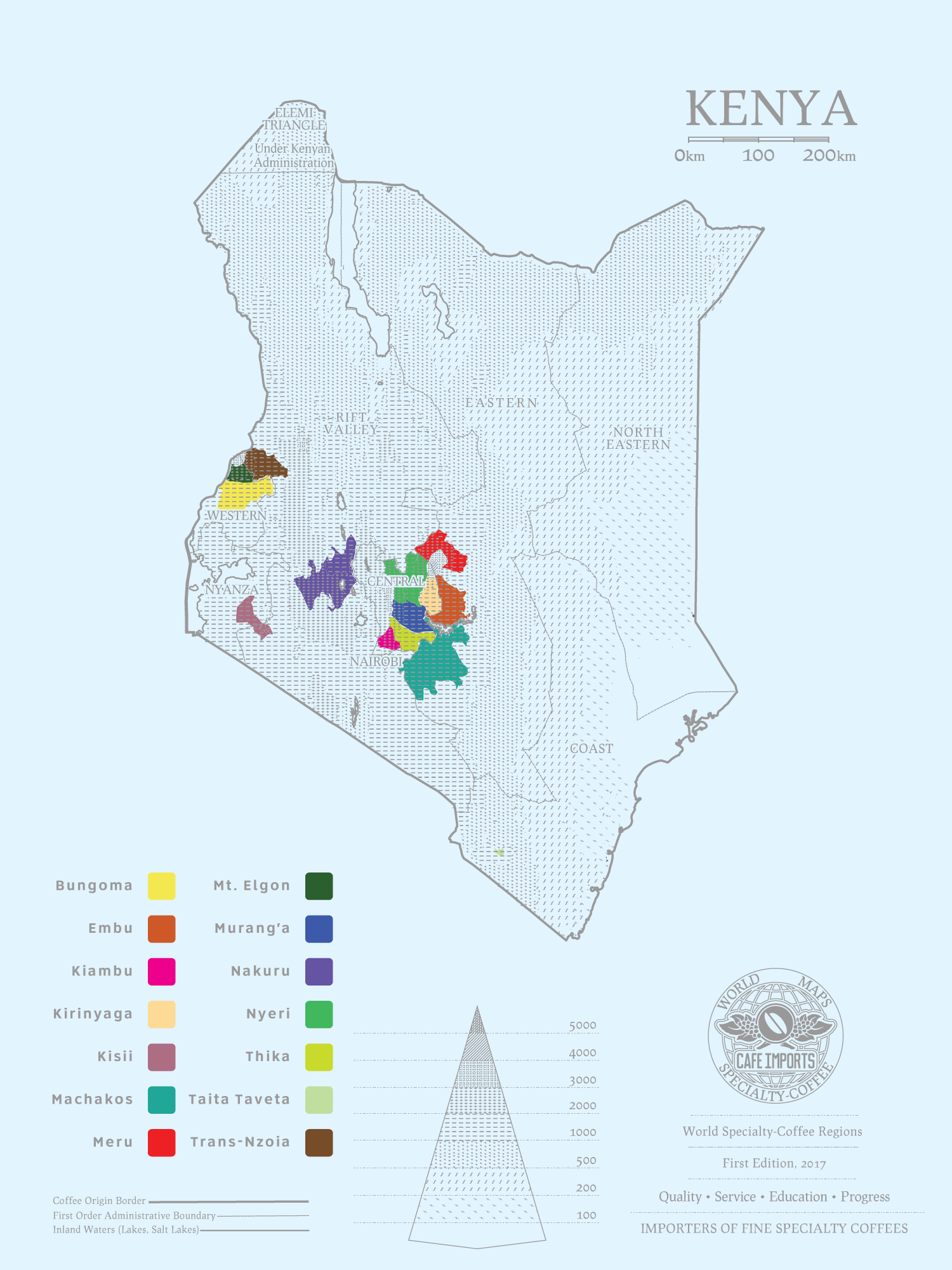
Kenya’s high-quality coffee is primarily concentrated in the central regions, with Kiambu, Nyeri, Kirinyaga, and Embu being the most renowned. Coffee from the Nyeri region often exhibits pronounced blackberry and citrus notes, with vibrant acidity and rich body; Kirinyaga is known for its delicate fruit acidity and balanced sweetness; Kiambu and Murang’a beans have a bold mouthfeel with clear acidity; while areas like Embu and Machakos offer relatively milder profiles, suitable for consumers who prefer gentler flavors. Due to differences in altitude and microclimate, even the same variety can present varying flavor profiles across regions.
Kenyan coffee is graded based on bean size and density, divided into eight main categories: E, PB, AA, AB, C, TT, T, and MH/ML. Among these, AA grade (17/18 mesh) and PB grade (peaberry) are the most sought after, not only because of their larger size but also due to the richer flavors bestowed by high-altitude cultivation. It’s important to note that grades are determined at the green bean stage and cannot be improved through screening after roasting. E-grade elephant beans, though remarkably large, are rare in production; PB peaberries, containing only a single seed, often have higher concentration; whereas T and MH/ML grades mostly consist of low-density or sun-dried defective beans, and are not recommended for specialty coffee.
The most captivating acidity in Kenyan coffee stems from three key factors: red volcanic soil rich in phosphates, the SL28 and SL34 varieties, and the globally unique K72 washed process. As Bourbon variants, SL28 and SL34 inherently possess strong berry and citrus notes, and the high-altitude environment slows their growth, allowing the beans to accumulate more flavor compounds. The K72 washed process is the real game-changer—after depulping, the parchment-covered beans undergo 24 hours of dry fermentation (with water rinsed every 6–8 hours), followed by semi-wet fermentation and a second wash, before being dried on raised beds until the moisture content reaches the target. This lengthy 72-hour process effectively removes impurities while preserving a clean, bright acidity, and also imparts a rich sweet foundation to the coffee.
Take the popular Kenyan AA Thiriku as an example—this coffee, grown at 1,550–1,750 meters in Thika and processed using SL28 and SL34 varieties with the K72 method, delivers a highly representative flavor profile. For brewing, it’s recommended to use a Hario V60 filter, with water temperature controlled at 90–93°C, a brew ratio of 1:15, and a grind size of about 80% passing through a #20 sieve (equivalent to medium-fine). Employ a three-stage pouring method: the first 30g bloom for 30 seconds, the second stage circling the water up to 125g, then pouring again to 225g after the water level drops slightly, with a total extraction time of around 2 minutes. These parameters highlight the balance between its berry acidity and caramel finish.
Beyond pour over, Kenyan coffee is also excellent for SOE (single-origin espresso). Using commercial machines like the Lelit Bianca (home machines should have at least 9 bar pressure), it’s recommended to use a double basket with 20g of coffee, a brew ratio of 1:2 (yielding 40g of espresso), and extraction time controlled at 28–30 seconds. The grind should be slightly finer than for pour over to ensure sufficient resistance and stable flow rate. The resulting SOE can be enjoyed straight to savor its bright berry, tomato, and cookie aromas; for a smoother profile, it can be blended as a 1:4 SOE Americano or 1:6 SOE Latte, perfect for everyday drinking.
It’s worth noting that while Kenyan coffee’s acidity is striking, it’s not simply a matter of “the more acidic, the better.” High-quality Kenyan coffee should have layered acidity, balanced with sweetness and body. When selecting, prioritize AA or PB grades and confirm the processing method is K72 washed to achieve the most typical flavor profile. Whether you’re a beginner or a seasoned enthusiast, Kenyan coffee offers a wealth of possibilities, from sensory experience to technical practice.
The above content is compiled by CoffeeHunters, a coffee news website.


