







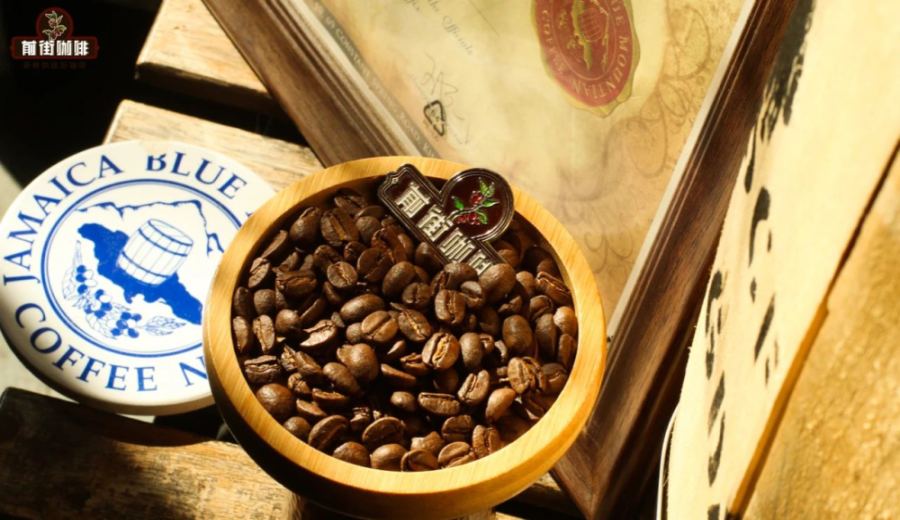
Introduction:Jamaica Blue Mountain coffee is renowned for its balanced acidity, sweetness, and bitterness, as well as its rich and layered flavor profile, making it a highly sought-after bean among specialty coffee enthusiasts worldwide. This article delves into the characteristics of the Typica variety, the exclusive growing region, and the rigorous cultivation process of Blue Mountain coffee. It also introduces its washed processing method and four-tier grading system, while explaining the reasons behind its high price. Additionally, practical pour over brewing parameters and techniques for Jamaica Blue Mountain No. 1 are provided to help readers fully appreciate the charm of this top-tier coffee.
Jamaica Blue Mountain coffee is celebrated for its exceptional balance of acidity, sweetness, and bitterness. Its flavor profile features the richness of dark chocolate, the gentle acidity of citrus, the natural sweetness of sugarcane, and a smooth caramel aftertaste, all contributing to a stable and unforgettable overall impression. Even those who aren’t avid coffee drinkers have likely heard of "Jamaica Blue Mountain." However, few truly understand its origin and essence. This article will provide a detailed introduction to the definition of Blue Mountain coffee, the background of the Typica variety, the growing environment, the hand-picking process, washed processing, and grade classification. It will also analyze why its price remains so high and offer practical pour over brewing recommendations.
What is Blue Mountain Coffee?
Blue Mountain coffee refers specifically to Typica variety coffee beans grown at elevations between 910 and 1700 meters in the Blue Mountains of Jamaica. The terrain in this region is rugged, and coffee trees are often interplanted with banana and avocado trees. The shade provided by these fruit trees allows the coffee plants to grow steadily in a cool, foggy, and high-humidity environment, contributing to their unique flavor foundation.
The History and Characteristics of the Typica Variety
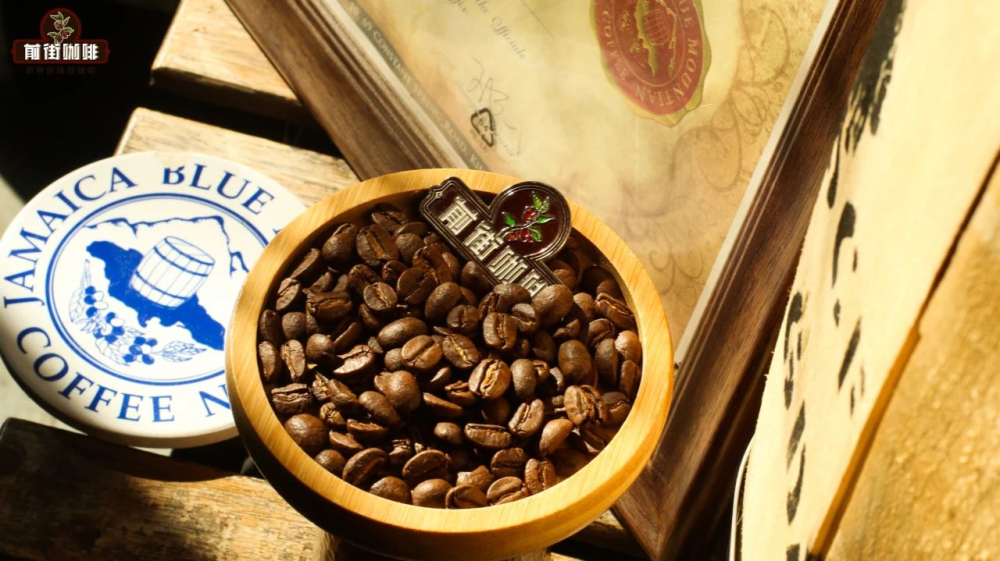
The Typica variety used in Jamaica Blue Mountain coffee is one of the oldest in the Arabica family, having been introduced to Jamaica as early as the 18th century. After more than two centuries of local adaptation and varietal evolution, the Typica in the Blue Mountain region today not only has stronger disease resistance but also exhibits a level of delicacy and balance that is difficult to replicate in other regions, thanks to the local microclimate and cultivation methods.
A Unique Growing Environment and Strict Cultivation Standards
The Blue Mountains are located within the globally recognized coffee "bean belt," combining island climate, fertile volcanic soil, and diverse terrain to provide ideal conditions for coffee growth. However, the Jamaican government does not pursue high yields. Instead, it insists on limiting the planting area and variety to ensure that the quality of Blue Mountain coffee remains consistently high.
According to Jamaica’s official Coffee Industry Regulation Act, only Typica coffee grown in the four administrative parishes of Saint Andrew, Saint Thomas, Portland, and Saint Mary, at elevations between 910 and 1700 meters, qualifies as "Jamaica Blue Mountain Coffee (Jamaica Blue Mountain)." These four regions account for only one-third of the total Blue Mountain planting area, with the rest primarily dedicated to High Mountain and Prime Coffee production. In fact, Jamaica’s annual coffee production totals only about 1260 to 2400 tons, of which less than 15%—around 300 to 600 tons—meets the Blue Mountain standard.
As a result, Jamaica is one of the countries with the lowest coffee output in the world. Compared to Brazil, which produces 12,450 tons of coffee annually, Jamaica’s output is extremely limited, and the portion that can be labeled as Blue Mountain is even rarer.
Hand-Picking and Processing Procedures
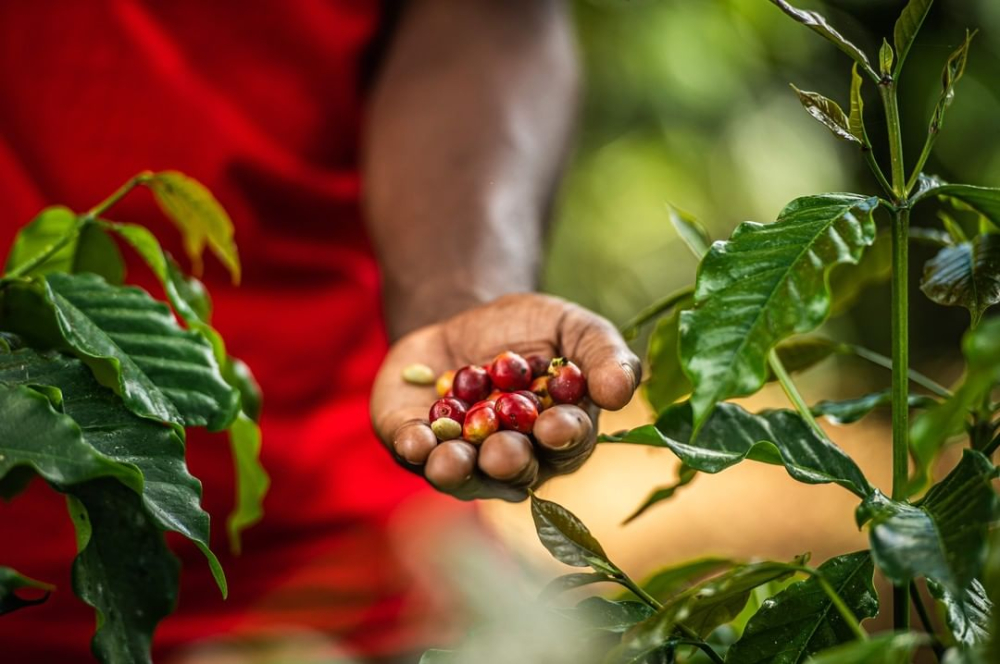
Due to the rugged terrain, the harvesting of Blue Mountain coffee relies entirely on skilled female workers who hand-select only perfectly ripe coffee cherries. Overripe or underripe cherries are directly discarded as they would negatively impact the final flavor. The harvested cherries are depulped on the same day, then fermented in clean water tanks for 12 to 18 hours to remove the mucilage layer. Afterward, they are washed, sorted to remove defective beans, and sun-dried until the moisture content is reduced to 12% to 14%. The dried beans are then stored in designated piles awaiting further grading.
The Four Grades of Blue Mountain Coffee
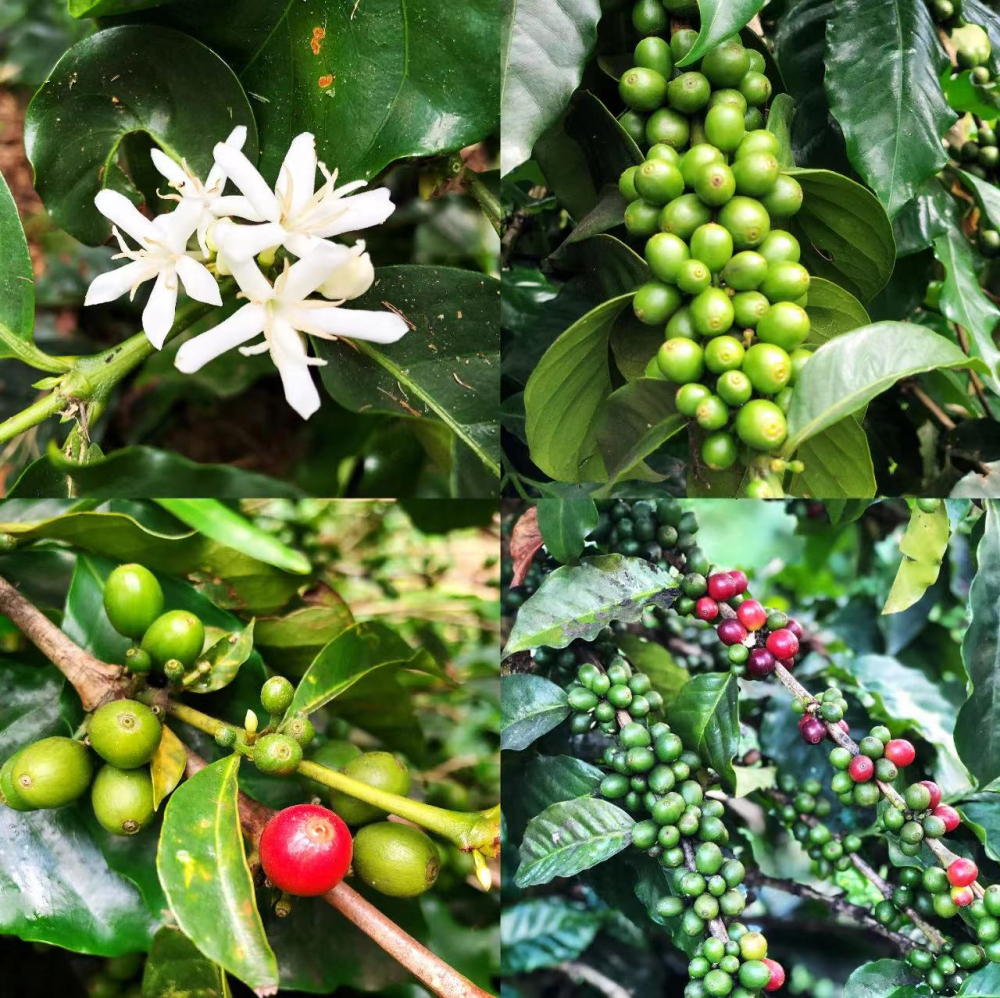
Based on bean size and defect rate, Blue Mountain coffee is divided into four grades: No. 1, No. 2, No. 3, and Peaberry. Among them, No. 1 is the highest grade, commonly known as "Jamaica Blue Mountain No. 1." It requires beans to be between 17 and 18 mesh in size, with a defect rate not exceeding 2%, and the beans must be plump and uniform. No. 2 requires 96% of the beans to be 16 mesh or larger, with the same 2% defect rate limit; No. 3 beans must be 15 mesh or larger, also with the same defect rate standard. Peaberry refers to the rare occurrence where a single round bean develops inside the coffee cherry instead of two flat beans, usually offering a more concentrated flavor.
Why is Blue Mountain Coffee So Expensive?
From cultivation and harvesting to processing and export, every step of Blue Mountain coffee production is subject to strict regulations, including the use of organic fertilizers, restrictions on growing regions and varieties, and manual selection. As a result, production costs are significantly higher than those of regular coffee. Especially for Blue Mountain No. 1, due to its superior quality, the price is relatively higher. However, although Blue Mountain No. 1 is not the most expensive coffee in the world, its pricing still reflects its rarity and meticulous craftsmanship.
Currently, most Blue Mountain No. 1 available on the market comes from the historic Clifton Estate in the Blue Mountains, grown at an altitude of about 1310 meters. After proper roasting, the price is approximately 158 yuan per 100 grams, and a cup (195–200 ml) brewed in-store costs about 60 yuan. To preserve optimal flavor, it is recommended that consumers choose freshly roasted batches shipped within five days of roasting.
How to Identify Authentic Blue Mountain Coffee Beans?
Unlike the common burlap sacks used in other regions, the Jamaican government transports high-quality Blue Mountain No. 1 coffee beans in wooden barrels, which help prevent moisture and maintain a stable green bean moisture content of around 11.5%. Additionally, all exported Blue Mountain coffee must be certified by the Jamaica Coffee Industry Board (CIB), and corresponding certificates can be provided. When purchasing, it is advisable to confirm with the seller whether official certification is available to ensure the authenticity of the product.
Brewing Recommendations for Jamaica Blue Mountain No. 1 (Pour Over)
To fully showcase the balanced acidity, sweetness, and bitterness, as well as the rich and full-bodied flavor characteristics of Jamaica Blue Mountain No. 1, it is recommended to use a medium-dark roast and brew with low water temperature using a slower-flow filter. In practice, you can use a Kono filter, set the water temperature to 88°C, use a 1:15 coffee-to-water ratio, and employ 15 grams of coffee grounds with a medium-coarse grind size (approximately 70% passing through a 20-mesh sieve).
The specific pour over steps are as follows: start by pouring 30 grams of hot water for a 30-second bloom. Then, pour slowly in small circles from the center outwards until the total water volume reaches 125 grams, then pause. Once the water level drops to just about to expose the coffee bed, continue pouring in circles until the total water volume reaches 225 grams. The entire extraction process takes about 2 minutes and 10 seconds. After extraction, gently swirl the coffee to enjoy a complete and layered Jamaica Blue Mountain cup.
The above content is compiled by CoffeeHunters, a coffee news website.


