








Introduction:Colombian coffee is renowned for its mild acidity and sweet flavor profile, serving as a major global source of washed specialty beans. This article delves into the distinctive characteristics of the country’s main producing regions, explores the differences among mainstream varieties, and analyzes how processing methods such as washed and anaerobic fermentation influence flavor. It also provides practical pour over parameters and flavor profiles to help coffee enthusiasts grasp the essence of the "soft bean" style.
With its balanced acidity and sweetness, along with caramel and nutty notes, Colombian coffee holds a solid position in the global specialty coffee market. This South American country is not only a leading exporter of washed Arabica beans but is also known for its stable regional performance and diverse processing techniques. From the high-altitude microclimates of Huila Province to the volcanic soils of the southern Cauca region, Colombia produces coffee beans with rich flavor layers, particularly appealing to pour over enthusiasts.
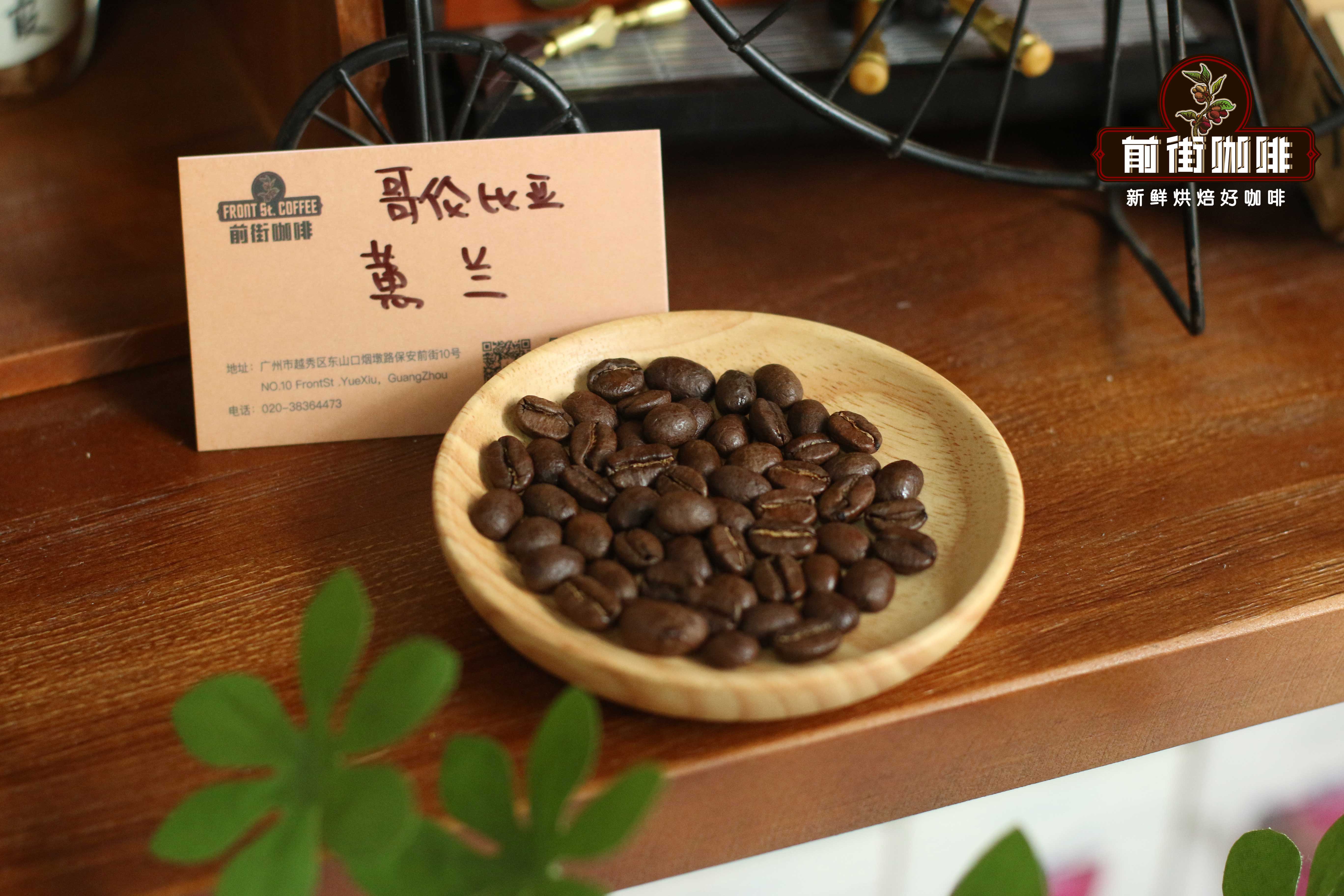
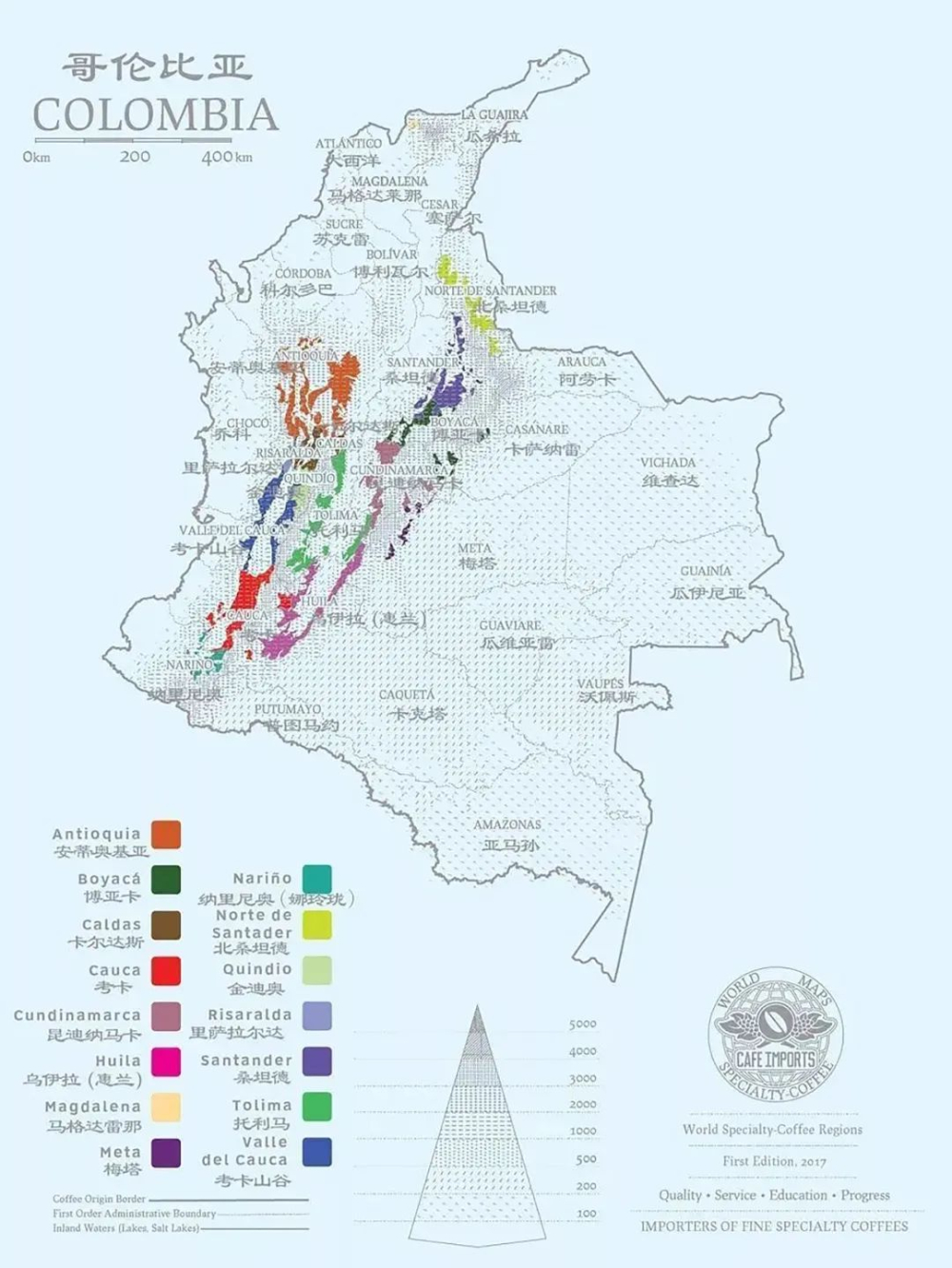
The unique charm of Colombian coffee beans stems first and foremost from their exceptional geographical environment.Located between1° and 11° north latitude,it spans multiple climate zones with annual rainfall reaching2000–3000 millimeters,combined with fertile volcanic soil, making multiple harvests per year possible. The mountainous planting zones at elevations of1000–2000 meters
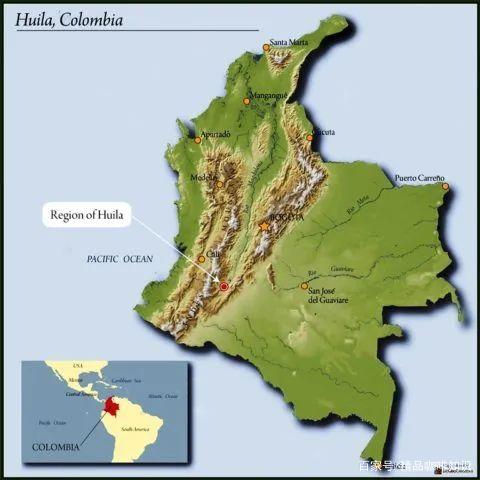
provide ideal growing conditions for Arabica beans. Notably, the eastern plains and northwest regions exhibit distinct tropical rainforest and savanna climate characteristics due to topographical differences, and this diversity is directly reflected in the flavor spectrum of the coffee.Colombia’s three traditional producing regions—Medellín, Armenia, and Manizales (collectively referred to as MAM)—are known for consistently producing medium-to-dark roast base beans. However, specialty coffee enthusiasts should pay more attention to the high-altitude areas in the south, especiallyHuila ProvinceandCauca Province,where elevations generally exceed1500 meters
and the coffee often features bright berry acidity and honey-like sweetness.In terms of variety composition, Colombia primarily relies onTypica, Caturra, and Catuai,with Caturra being the most widely planted variety due to its disease resistance and adaptability to high altitudes. The recently emergedCastillo,which gained prominence afterthe 2008 leaf rust epidemic,has gradually replaced traditional plantings. Notably, some boutique farms have begun experimentally cultivatingGeishaand the country’s independently developedColombia variety,
the latter of which, through multiple generations of backcrossing with Arabica, has successfully retained disease resistance while enhancing flavor finesse.The diversity of processing methods is another hallmark of Colombian coffee. While traditionalwashed processingremains dominant—its process includes flotation for impurity removal, pulp extraction, 16–36 hours of mucilage fermentation, and final sun drying—innovative techniques such as anaerobic fermentation and barrel aging have become increasingly common in recent years. For example, theSidraandMaragogype
varieties from Finca La Línea, when processed using anaerobic sun-drying methods, respectively exhibit wine-like richness and an explosive berry juice sensation. These special processing methods often enhance the fruit aroma dimension of the coffee, delivering a more complex aftertaste in pour over brewing.For pour over practice, it is recommended to adjust equipment and parameters according to roast level:Medium-to-dark roastbeans (such as Sidra) are well-suited for the KONO filter, paired withwater at 88°Candmedium grind size (80% passing through a #20 sieve),usinga 2:1 coffee-to-water ratiofor step brewing; whereasmedium-to-light roastHuila or Maragogype beans are recommended to be brewed with a Hario V60 filter usingwater at 90°Candmedium-fine grind,with a1:15 ratio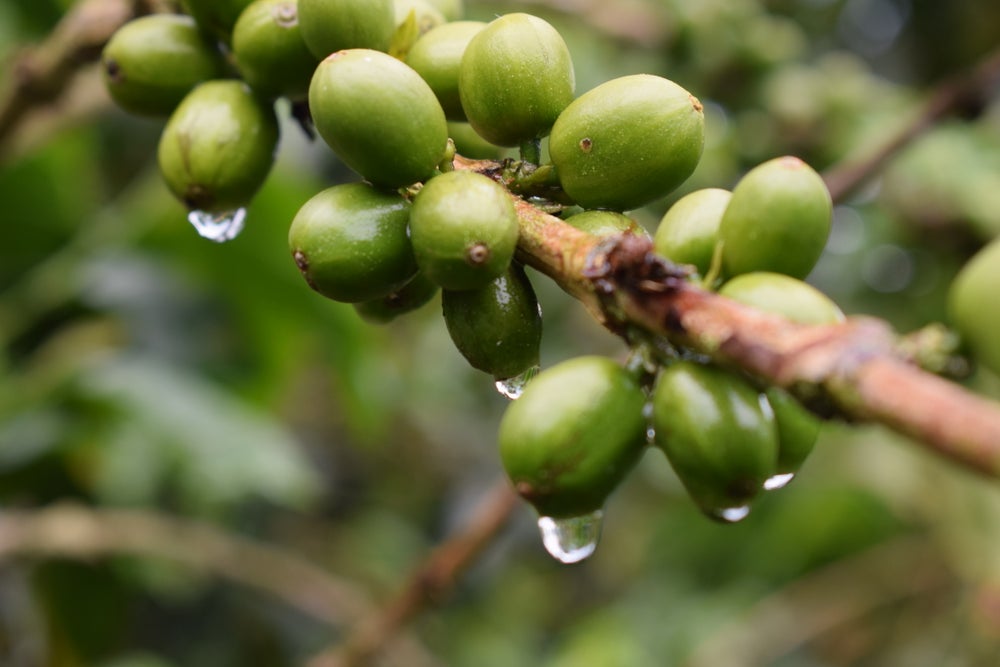 to highlight acidity and aroma.
It’s worth noting that washed Huila, as a representative flavor of the country, is classically characterized by soft caramel sweetness and nutty tones, making it suitable for those new to Colombian coffee.
The above content is compiled by CoffeeHunters, a coffee news website.


