







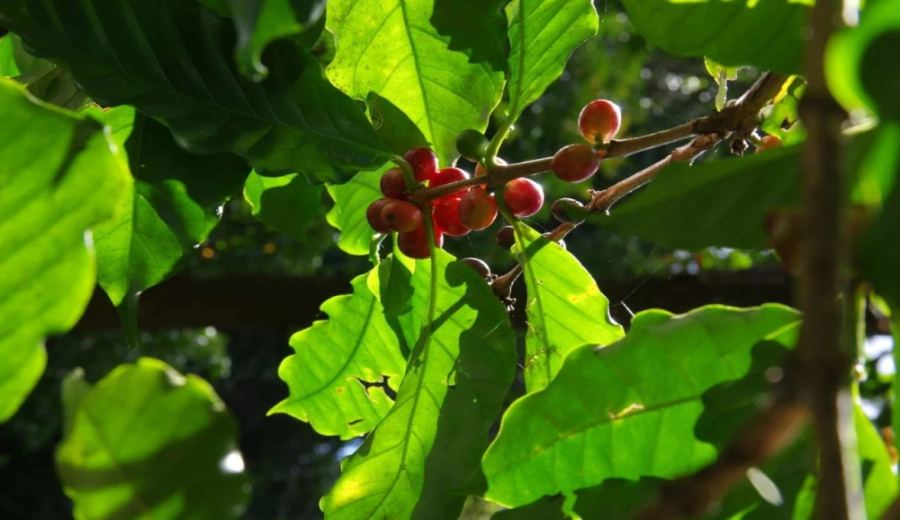
Introduction:The Latin American region, blessed with diverse microclimates and high-altitude environments, produces coffee beans with richly layered flavors. This article delves into the variety characteristics, processing methods, and representative beans from seven major producing countries—including Brazil, Colombia, and Panama—alongside detailed pour-over parameters and flavor notes. It offers a comprehensive guide to understanding everything from bean selection to brewing practices, making it an essential primer for exploring Latin American coffee.
Although coffee cultivation in Latin America began in the 18th century, the region quickly became a global hub for the coffee industry due to its abundant sunshine, high-altitude terrain, fertile soils, and diverse microclimates. From the intense chocolatey aftertaste of Brazilian coffee, to the balanced nutty sweetness of Colombian beans; from the bright acidity of Panamanian Geisha, to the rich fruity aroma of Costa Rican honey-processed coffees, to the bold complexity derived from Guatemala’s volcanic soils—Latin American coffee is renowned for its pleasant aromas, balanced flavors, and crisp acidity. This article systematically outlines the variety traits, processing techniques, and representative beans from seven major producing countries, along with pour-over parameters and flavor descriptions, helping you deeply appreciate the diverse charm of Latin American coffee.
The core characteristics of Latin American coffee lie in its balanced flavor, moderate acidity, and smooth mouthfeel. In 1721, a French officer named De Clieu brought the first coffee seedling from Africa to Martinique. At that time, France was under the rule of the Bourbon monarchy, and thus this batch of Arabica coffee later came to be known as "Bourbon," becoming an important branch of today’s key coffee varieties. Latin American coffee is generally processed using the washed method, with beans that are larger and more uniform in size compared to African beans, and lower defect rates—making it ideal for coffee lovers seeking consistent flavor profiles.
Quick Overview of Representative Regional Flavors:Brazilian coffee has a strong taste with a chocolatey aftertaste; Colombian coffee offers a balanced flavor with nutty sweetness; Jamaican Blue Mountain is known for its balanced acidity, sweetness, and bitterness, along with black chocolate notes.
【Brazil】As the world’s largest coffee-producing country, Brazil has coffee-growing regions across the nation and a rigorous grading system. The South of Minas region (altitude 700–1200 meters) was the earliest production area, and mechanical harvesting is now common. Santos coffee is mellow and neutral, suitable for blends. Recommended bean: Brazilian Queen Estate Yellow Bourbon (Region: Mogiana, São Paulo State, Altitude: 1400–1950 meters, Variety: Yellow Bourbon, Processing Method: Natural).Pour-Over Parameters: Kono filter, 88°C water temperature, 15g coffee, 1:15 coffee-to-water ratio, medium-fine grind (BG#6W);Brewing Technique: Bloom with 30g water for 30 seconds, then pour in stages to 225g total, extraction time around 2 minutes.Flavor: Noticeable sweetness, lemon aroma, strong nutty character, with a black chocolate finish.
【Colombia】An important origin for high-quality coffee, with well-known regions including Medellín, Armenia, and Manizales (collectively referred to as MAM). Southern regions at elevations above 1500 meters (such as Huila) are famed for their refined acidity and berry notes. Recommended bean: Colombian Washed Huila (Region: Huila, Altitude: 1500–1800 meters, Variety: Caturra, Processing Method: Washed).Pour-Over Parameters: KONO filter, 90°C water temperature, 15g coffee, 1:15 coffee-to-water ratio, medium-fine grind (BG#6S);Brewing Technique: Same as above;Flavor: Balanced sweetness, with notes of black chocolate, nuts, caramel, and gentle fruit acidity.
【Honduras】An important Central American producer, the Mocca Estate in the Marcala region (altitude 1500–1700 meters) is known for its Caturra, Catuaí, and Pacas varieties, combined with a refined washed whiskey sherry barrel fermentation process.Pour-Over Parameters: Hario V60 filter, 90°C water temperature, 15g coffee, 1:15 coffee-to-water ratio, medium-fine grind (BG#6S);Brewing Technique: Bloom with 30g water for 30 seconds, then pour in stages to 225g, extraction time around 2 minutes.Flavor: Vanilla and cream aromas, citrus and berry acidity, mid-palate almond and black chocolate notes, with a maple syrup sweetness in the finish.
【Panama】Famous for its Geisha, the Boquete region (altitude 1450 meters) has the highest yield and quality. Geisha boasts bright, vibrant acidity, complex processing, and low yield. Recommended bean: Panama Hartmann Coffee (Region: Volcán, Altitude: 1250–1700 meters, Variety: Catuaí, Processing Method: Wine Process).Pour-Over Parameters: Hario V60 filter, 90°C water temperature, 15g coffee, 1:15 coffee-to-water ratio, medium-fine grind (BG#6S);Brewing Technique: Bloom with 30g water for 30 seconds, then pour in stages to 225g, extraction time around 2 minutes.Flavor: Full-bodied texture, wine-like mouthfeel, high sweetness, lively acidity, and complex layers.
【Costa Rica】The volcanic soils of the central highlands nurture high-quality coffee, with Strictly Hard Bean (SHB, altitude above 1200 meters) strictly categorized. Honey processing imparts a balance of sweetness and fruity acidity. Recommended bean: Costa Rica Canet Estate Musician Series Mozart Coffee Beans (Region: Tarrazú, Altitude: 1950 meters, Variety: Caturra, Catuaí, Processing Method: Raisin Honey Process).Pour-Over Parameters: Hario V60 filter, 90°C water temperature, 15g coffee, 1:15 coffee-to-water ratio, medium-fine grind (BG#6S);Brewing Technique: Bloom with 30g water for 30 seconds, then pour in stages to 225g, extraction time around 2 minutes.Flavor: Complex floral notes, fermented syrup aromas, raisin and dried fruit sweetness, starfruit and berry acidity, with a sugarcane sweetness in the aftertaste.
【Guatemala】With eight distinct regions, each offering unique profiles, the Antigua region (altitude 1850 meters) features volcanic soil, ample sunlight, and significant day-night temperature variation—resulting in balanced flavors of acidity, sweetness, bitterness, and aroma. Recommended bean: Guatemala Antigua Fleur de Café (Region: Antigua, Altitude: 1850 meters, Variety: Bourbon, Caturra, Catuaí, Processing Method: Washed).Pour-Over Parameters: Hario V60 filter, 90°C water temperature, 15g coffee, 1:15 coffee-to-water ratio, medium-fine grind (BG#6S);Brewing Technique: Bloom with 30g water for 30 seconds, then pour in stages to 225g, extraction time around 2 minutes.Flavor: Prominent citrus acidity, pleasant floral notes, medium sweetness, smooth body, with a slight caramel note in the aftertaste.
【Peru】Major producing areas are divided between the northern and central regions, primarily practicing organic cultivation. Coffees often exhibit distinct chocolate, cream, and herbal tones, making them suitable for blending.
【Ecuador】Its varied ecosystems give rise to classic South American flavors, with high-altitude regions producing outstanding coffee quality, much of it organically grown.
【Bolivia】Though production is limited (around 150,000 sacks annually), the beans show distinct fruity notes, occasionally with floral undertones. Recommended bean: Bolivia Valleji Estate Cocoa Natural Java (Region: La Paz, Altitude: 1600 meters, Variety: Java, Processing Method: Cocoa Natural Process).Pour-Over Parameters: Kono filter, 88°C water temperature, 15g coffee, 1:15 coffee-to-water ratio, medium-fine grind (BG#6W);Brewing Technique: Bloom with 30g water for 30 seconds, then pour in stages to 225g, extraction time around 2 minutes.Flavor: Subtle (description to be supplemented).
【Jamaica Blue Mountain】The producing area spans only 6,000 hectares, graded by bean size (No.1 to No.3 and PB), and processed solely by the washed method. Blue Mountain No.1 (17/18 mesh, defect rate<2%,含水率13%)為頂級代表。Pour-Over Parameters: Kono filter, 88°C water temperature, 15g coffee, 1:15 coffee-to-water ratio, medium-fine grind (BG#6W);Brewing Technique: Bloom with 30g water for 30 seconds, then pour in stages to 225g, extraction time around 2 minutes.Flavor: Clean and mild mouthfeel, with notes of black chocolate, nuts, and cream, and a balanced acidity, sweetness, and bitterness.
The above content is compiled by CoffeeHunters, a coffee news website.


