








Introduction:The Kilimanjaro region of Tanzania, with its unique high-altitude climate, produces distinctly flavored washed coffee beans, and its AA grade is especially popular in the specialty market. This article delves into the characteristics of the Typica variety from this region, the washed processing method, as well as the cup profile under medium to light roasting, while comparing differences with the southern Bourbon-growing areas. It also offers practical pour over brewing parameters to help you master the essence and selection tips of Tanzanian coffee.
As an important coffee-producing country in East Africa, Tanzania’s Kilimanjaro region holds a notable place in the global specialty coffee market. This “equatorial snow-capped peak” at extremely high altitudes is not only renowned for its magnificent natural landscapes but also boasts unique microclimates and fertile volcanic soils, which contribute to the distinctive flavor profiles of its coffee beans.
The climatic conditions of the Kilimanjaro region are particularly distinctive. While the annual precipitation in the foothill valleys is around 800–900 mm, the windward slopes at mid-elevation can receive 1600–1800 mm. Coupled with significant day-night temperature variations, these factors create an ideal environment for sugar accumulation in coffee cherries and the development of flavor compounds.
The main processing method used in this region is washed processing. After harvesting, the coffee cherries are first screened to remove impurities, then the outer skin and pulp are removed, followed by fermentation in tanks where microbial action breaks down the mucilage layer adhering to the inner parchment. Finally, the beans are rinsed with clean water and dried to a moisture content of approximately 11% before being stored. Although this process preserves the silverskin midline, it should be noted that excessive silverskin may affect extraction uniformity during grinding.
In terms of bean appearance, the supplied Kilimanjaro washed beans are typical of the Typica variety — slender, plump, and uniformly sized, contrasting with the commonly rounder Bourbon beans. As one of the main cultivated varieties in Tanzania, Typica, despite its disadvantages such as low yield and susceptibility to leaf rust, is known for its clear acidity structure and full body, making it a classic flavor source sought after by many specialty coffee enthusiasts.
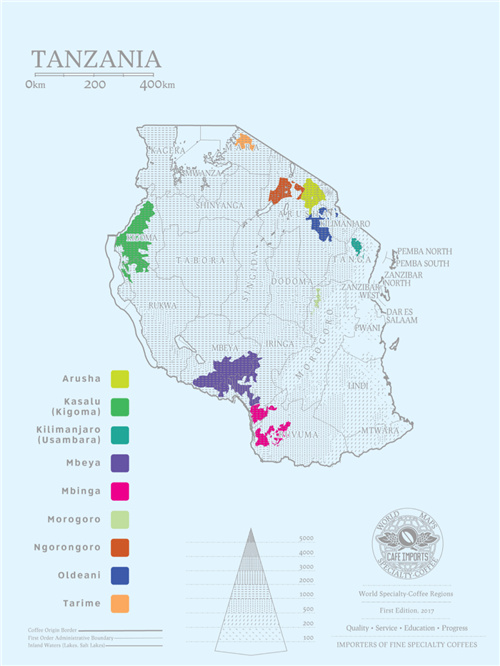
In grading, Tanzania uses bean size as the primary criterion, with Grade AA being the highest, representing the largest bean size and the lowest defect rate. The Kilimanjaro washed beans discussed here belong to this grade. Paired with a medium to light roasting strategy — extending the caramelization reaction time after the first crack — it not only enhances citrus and honey-like fruity notes but also avoids the bitterness of dark roasting that could mask the original flavors.
In terms of cupping performance, at high temperatures (around 85–90°C), a distinct orange aroma and caramel sweetness can be perceived. As the temperature drops, the flavors gradually transition into citrus, nuts, honey, and creaminess. Upon cooling, acidic notes reminiscent of vinegar, cocoa, and black pepper-like spice emerge in the aftertaste. It should be noted that the mid-palate acidity of this bean is relatively mild, and improper brewing may result in slight astringency. Optimizing brewing parameters to enhance sweetness balance is recommended.
Recommended practical pour over parameters: 15 grams of coffee beans with a 1:15 coffee-to-water ratio, using 90°C water and a BG grinder set to #6M medium-fine grind. Use a V60 filter cone for a three-stage extraction — the first stage involves pouring 30 grams of water for a 30-second bloom, followed by a slow circular pour to reach 125 grams for the first pour. When the water level is about to expose the coffee bed, continue pouring to 225 grams to finish. The total extraction time is controlled to exactly 2 minutes. This method effectively highlights the dominant citrus and nut tones, while bringing out a dark cocoa aftertaste and honey sweetness.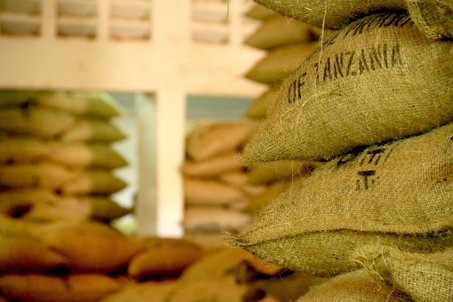
To fully showcase the diversity of Tanzanian coffee, this article also compares the Bourbon variety from the southern region, which is also processed using the washed method. Though these beans are medium to light roasted like those from Kilimanjaro, they come from a warmer environment at lower altitudes, resulting in flavor profiles that lean more toward berries, floral notes, and fermentation aromas. The acidity is bright and lively with a soft winey character, forming an interesting contrast to the mineral-like sweetness of the northern highlands.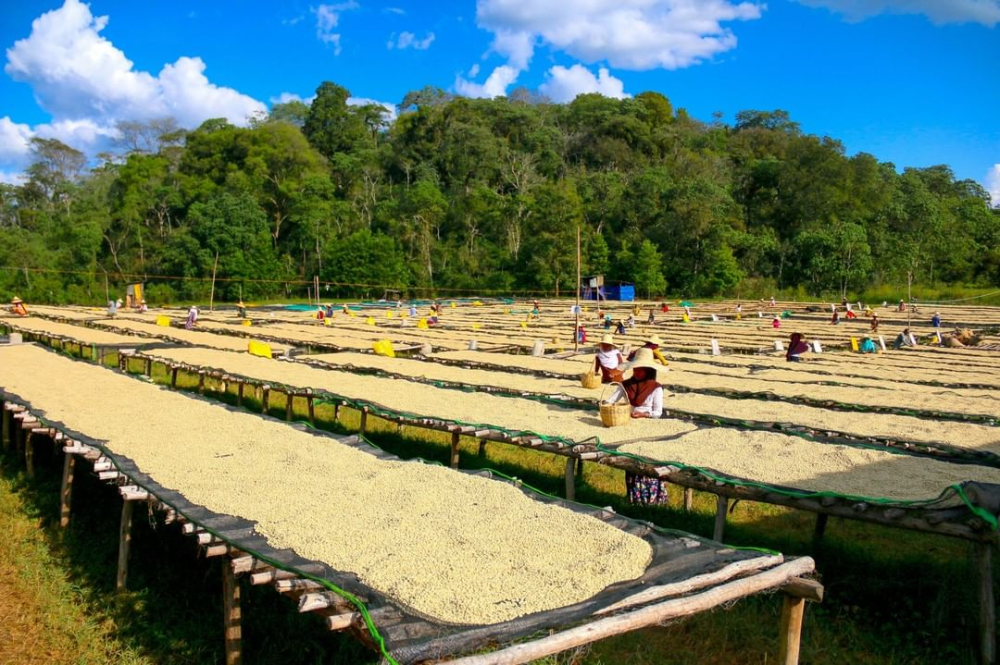
In summary, the charm of Tanzanian coffee lies in the diverse combination of regional microclimates and varieties: the volcanic soils of the Kilimanjaro region impart a full body and clear mineral notes, suiting drinkers who prefer a strong structure and balanced sweetness and acidity. The southern regions, on the other hand, excel in rich fruity floral notes and gentle acidity, aligning more closely with fruit-forward brewing preferences. Regardless of which region you choose, understanding its flavor profile and brewing characteristics will allow you to explore the deeper allure of East African coffee more precisely.
The above content is compiled by CoffeeHunters, a coffee news website.


