







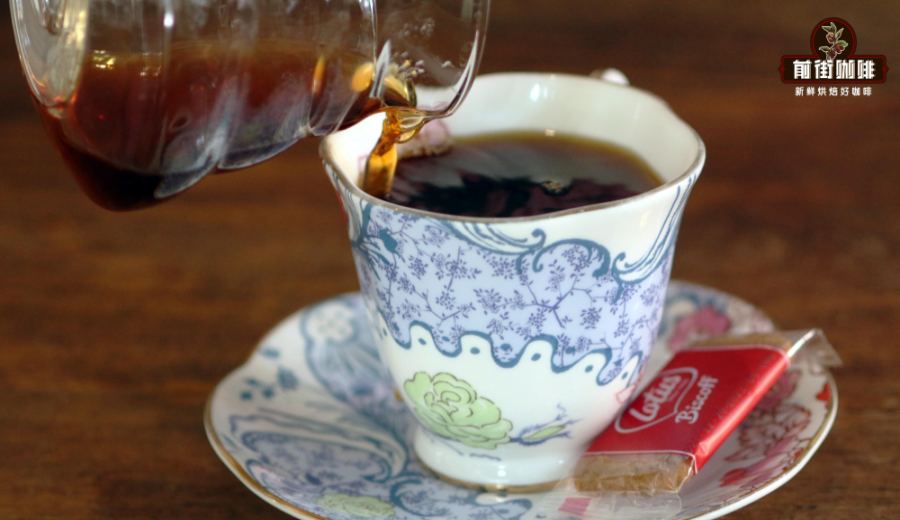
Introduction:Sidama, as one of Ethiopia’s most representative coffee-growing regions, is renowned for its diverse microclimates and native coffee varieties, producing sun-dried beans with exceptionally layered flavors. This article delves into Sidama’s geographical conditions, the origins of sun-dried beans from the Hambella area, and provides practical pour over parameters and steps to help you extract delicate berry and black tea-like notes.
Sidama is a highly prominent coffee-producing region in southern Ethiopia. As early as 2018, it was upgraded to a first-level administrative unit through a referendum, solidifying its independent status within the coffee industry. The region sits at elevations between 1,400 and 2,000 meters, featuring deep volcanic soils and rich microclimates, along with a variety of native coffee varieties. These factors contribute to both its washed and sun-dried coffees delivering outstanding performances. Among them, the Huaku coffee beans from the Hambella area became a classic among many coffee enthusiasts after winning the TOH sun-dried category championship in 2017.
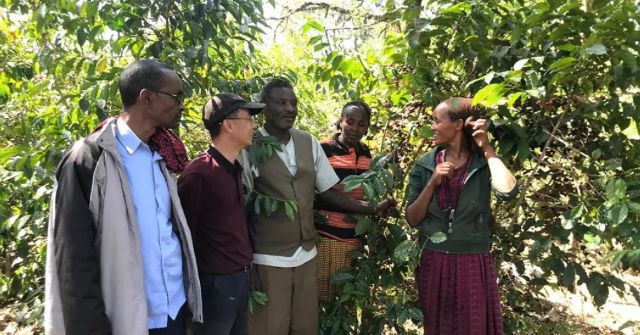
Geographically, Sidama is located in the East African Rift Valley region of southern Ethiopia. To its east, it borders the Arsi and Bale administrative regions, while to the west, it adjoins the Gamogofa zone. Coffee cultivation is primarily concentrated in highlands and plateaus ranging from 1,400 to 2,000 meters above sea level. Such altitudes not only facilitate the slow ripening of coffee cherries but also provide ideal conditions for flavor development. The region’s soils are well-draining, volcanic, and rich in organic matter, with soil layers reaching nearly two meters in depth and often appearing dark brown. The fertile conditions stem from the natural cycling of plant residues, resulting in coffee from different areas often exhibiting distinctly unique personalities and characteristics.
Over the past decade, Sidama has consistently stood out in international evaluations. Particularly between 2010 and 2012, it received high scores of 92 to 94 from the authoritative U.S. coffee review website CR multiple times, underscoring the exceptional quality of its green beans. In addition to Hambella, the region has also given rise to well-known micro-regions such as Uraga and Yirgacheffe. Although some have since become independent, they still maintain deep historical and geographical ties with Sidama.
When discussing the most notable coffee from Sidama, one cannot overlook the wildly popular Huaku featured on a well-known coffee menu. This sun-dried coffee bean from Hambella quickly rose to fame after a competition lot won the TOH sun-dried category championship in 2017. That year, Li Jianfei, the runner-up in China’s national coffee brewing competition, used this bean to defeat numerous competitors who favored the then-popular Geisha, drawing widespread market attention to this unassuming-looking sun-dried bean. Later, the green bean supplier named this batch of beans “Huaku,” symbolizing its excellence akin to the lead geisha (note: in Taiwan and other regions, Geisha is also translated as “艺妓” or “geisha”).
The production area of Huaku is primarily located in Dimtu, at the heart of Hambella. This area was later developed by the DW company, which established several processing stations including Buku Abel, Buku Saysay, Haro Soresa, and Tirtiro Goye, with an annual production of approximately 1,100 tons. However, it is understood that only the area where the Buku Abel processing station is located overlaps with the original site of the award-winning Huaku beans. Additionally, the coffee variety used in Huaku belongs to Ethiopia’s native strains, which is not a single variety but rather a general term referring to numerous wild and traditional hybrid coffee trees from the country. Due to the vast variety of cultivars and the government’s decision not to disclose details in order to protect the gene pool, these are commonly referred to in the market as “Ethiopian native varieties.” These beans often vary in size and appearance due to hybridization and mixed harvesting, which is also one of the sources of their unique flavors.
In terms of brewing, one café uses a medium-light roast profile for Huaku beans to fully highlight their bright acidity and delicate floral characteristics. It is recommended to use a V60 #01 filter, with water temperature controlled at 90–91°C, a coffee dosage of 15 grams, and a 1:15 coffee-to-water ratio. The grind size is suggested to be medium-fine—approximately 80% passing through a Chinese standard No. 20 sieve—which helps improve extraction uniformity and flavor detail.
The pour over steps are as follows: Begin with a 30-second bloom, pouring 30 grams of water; then continue with small circular pours. When the total water volume reaches 125 grams, perform the first pour break. Wait until the water level drops and is about to expose the coffee bed, then continue pouring up to 225 grams. Once the water level drops again and is about to expose the coffee bed, remove the filter. The overall extraction time should be around 2 minutes, helping to balance acidity and sweetness while avoiding over-extraction or excessive sharpness.
The final brewed Huaku coffee typically exhibits pronounced berry aromas, ripe mango notes, and a soft black tea finish. The overall mouthfeel is rich and layered, smooth on entry with a long-lasting aftertaste, making it highly suitable for coffee drinkers who enjoy a blend of fruity and floral profiles. Whether you’re a beginner or a more experienced enthusiast, mastering the above parameters and techniques will allow you to easily recreate the captivating flavors of this classic sun-dried bean at home.
The above content is compiled by CoffeeHunters, a coffee news website.


