







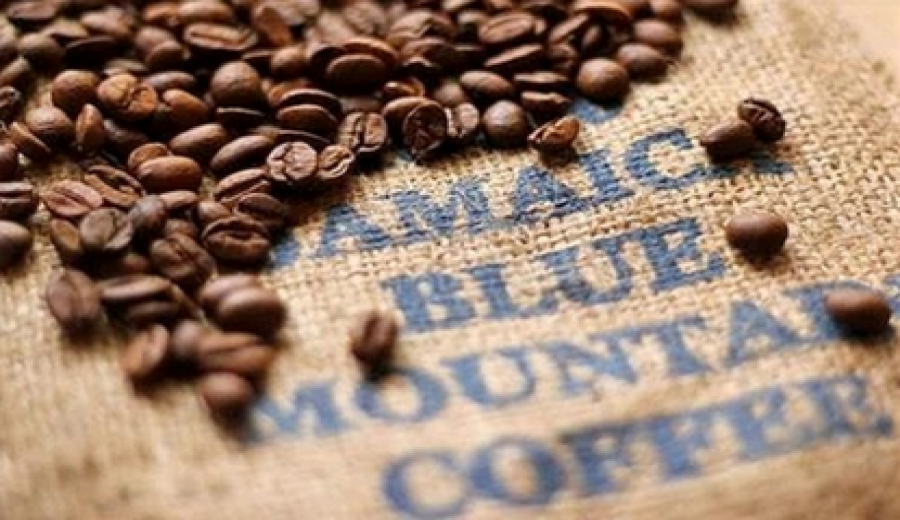
Introduction:Jamaica Blue Mountain coffee has long been hailed as the pinnacle of the coffee world, yet its grading system, authenticity verification, and market pricing often leave consumers puzzled. This article provides an in-depth analysis of the three major Blue Mountain coffee grades, detailed specifications from NO.1 to PB, explores its unique flavor characteristics and reasonable price range, and offers professional pour over brewing recommendations and authenticity identification tips—helping you buy with confidence and brew with precision.
As one of the global representatives of specialty coffee, Jamaica Blue Mountain has long been renowned for its rarity and high quality, but it is also surrounded by layers of myth. From pricing and origin to grading and authenticity, the market is rife with various claims and misconceptions. This article will guide you from the basics to understanding the Blue Mountain coffee grading system, dissect the specific standards of each grade, explore its flavor profile, and provide practical market price references and authenticity verification methods, giving you comprehensive insight into the core information of this classic coffee.
When it comes to Blue Mountain coffee, many people’s first impression is “expensive” and “hard to buy,” but in reality, its price is not unattainably high. Taking the commonly available 100g pack as an example, its price falls within a reasonable range and is not as exaggerated as rumored online. Additionally, there were past claims such as “Japan monopolizing the Blue Mountain market” and “no authentic products available domestically.” While these were true in earlier years, with Japan’s priority purchasing rights expiring in 2011 and China officially introducing authentic Blue Mountain coffee after 2011, these restrictions no longer exist. Currently, consumers can purchase authentic Blue Mountain coffee directly from the Jamaican origin through proper channels.
As for products on the market labeled as “Blue Mountain flavor” or “Blue Mountain blend,” most are merely commercial marketing tactics and not genuine Blue Mountain coffee. Especially if the packaging says “Blue Mountain” but also includes terms like “blend,” “mixture,” or “flavor,” such products are not pure Blue Mountain—in fact, Blue Mountain coffee can never be sold in instant form. Also beware of completely counterfeit products where the packaging claims Blue Mountain but contains beans from other regions; such cases can be directly reported to consumer service hotlines.
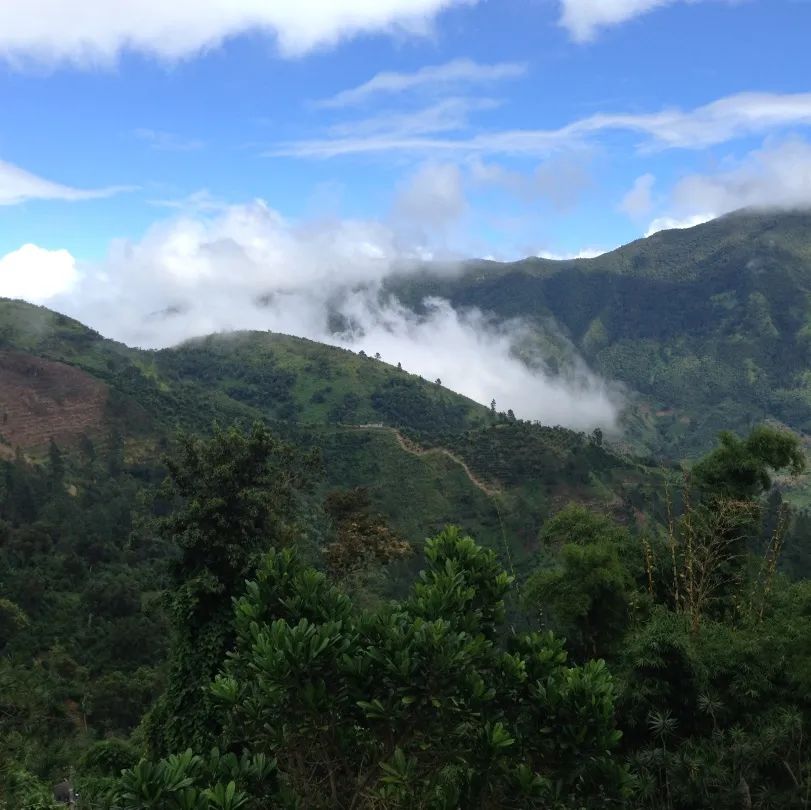
Coffee from the Jamaica Blue Mountain growing region is divided into three major grades based on altitude and processing standards: Blue Mountain Coffee, Jamaica High Mountain Supreme Coffee Beans, and Jamaica Prime Coffee Beans. Among these, Blue Mountain and High Mountain coffee are further subdivided into two grades each, ranking from highest to lowest as: Blue Mountain No.1 (NO.1), Blue Mountain No.2 (NO.2), High Mountain No.1, High Mountain No.2, and regular Jamaica Prime Coffee. If classified by green bean shape, it also includes Peaberry (PB), a rare and premium bean variety. In short, the smaller the grade number or the name closer to “Blue Mountain,” the higher the quality and price.
According to the standards of the Jamaica Coffee Industry Board (CIB), Blue Mountain No.1 green beans must meet strict criteria—for example, the bean size must be 17 mesh or larger, the defect rate must be below 3%, and the moisture content should be controlled at around 13%. Only beans meeting these conditions can exhibit the flavor and quality expected of Blue Mountain coffee. These specifications also serve as key indicators for identifying authentic products.
When discussing the flavor of Blue Mountain coffee, common descriptions include an excellent balance of acidity, bitterness, sweetness, and body, along with a rich and elegant aroma. Though these descriptions are subjective, they are not baseless. Many coffee enthusiasts call Blue Mountain the “coffee beauty,” believing it combines the traits of many high-quality coffees with a mild and layered taste. International industry professionals have also praised it as being as precious as a gem, with a smooth and mellow flavor. Since Blue Mountain coffee has a relatively low caffeine content—about half that of regular coffee—it aligns more with the trend of modern healthy beverages and has become a top choice for many black coffee lovers.
Jamaica Blue Mountain coffee is regarded as the most representative premium coffee in the Caribbean, yet in recent years, some businesses, in pursuit of profit, have blended low-altitude beans with high-altitude ones, compromising the original quality and leading to declining market confidence. Therefore, when purchasing, it is recommended to choose products with traceable origins and proper certifications to ensure quality.
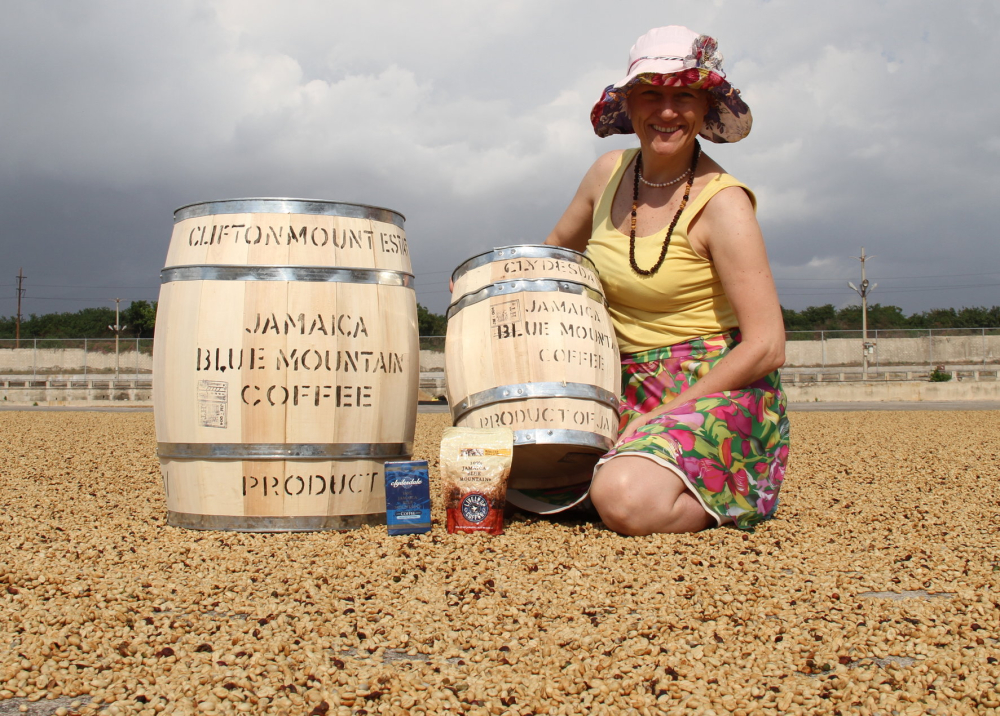
Take Blue Mountain No.1 as an example—this top-grade bean from the Clifton Estate in Jamaica is one of the earliest planted regions in the Blue Mountain area and also one of the original authentic sources introduced to China. It uses the traditional washed processing method, the Typica variety, and is grown at an altitude of about 1310 meters. Its flavor profile is dominated by chocolate, nuts, cream, and cocoa, with a balanced taste and clear layers.
In a cupping experiment by a certain brand, using medium-dark roasting and cupping 8 hours post-roast, the results showed a distinct black chocolate and nutty character upon entry, with high cleanliness and a well-balanced acidity, sweetness, and bitterness. The body was notably full—a very standard and easy-to-access classic black coffee.
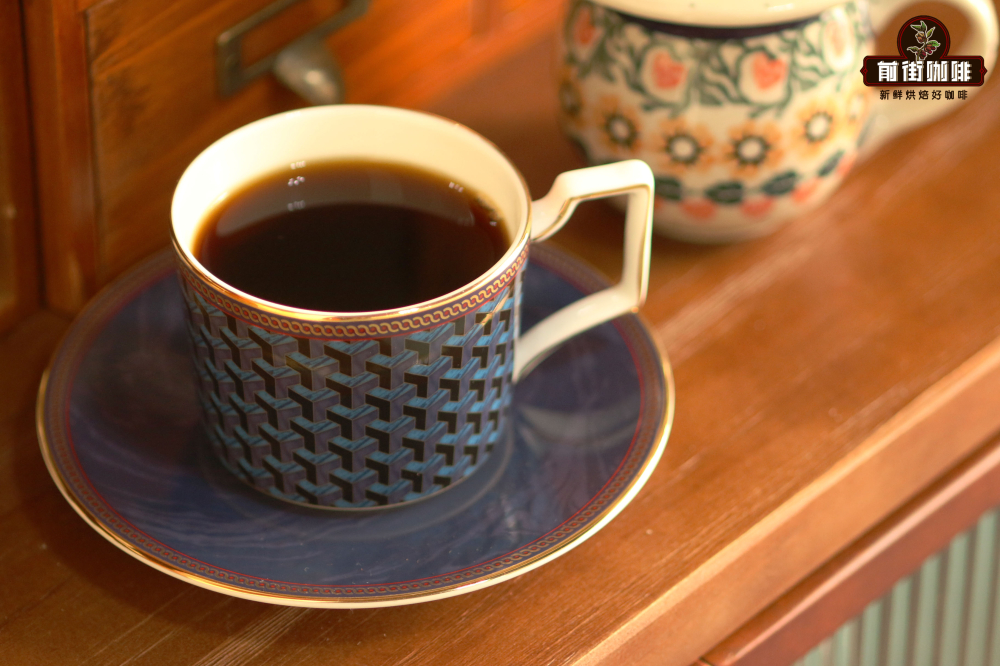
To fully experience the delicate flavors of Blue Mountain coffee, it is recommended to use the pour over method. Freshly roasted beans are advised, with the optimal tasting period during the 4 to 7-day rest period after roasting. Brewing parameters can be set as follows: 15g of coffee grounds, a 1:15 coffee-to-water ratio, water temperature at 88°C, grind size with a 70% passing rate through a 20-mesh sieve, paired with a KONO filter. Use the three-pour method: the first pour (bloom) with 30ml of water to awaken the coffee grounds, the second pour with 100ml to extract the flavors, and the final pour with 95ml gently added to stabilize extraction and enhance overall balance. This brewing approach fully showcases the mellow and sweet characteristics of Blue Mountain coffee, delivering the purest possible tasting experience.
The above content is compiled by CoffeeHunters, a coffee news website.


