







Introduction:Delve into the origins and characteristics of the two major coffee varieties—Arabica and Robusta—focusing on Ethiopia, the birthplace of coffee. Explore its exceptional geographical environment and five renowned producing regions, uncover the unique flavor profiles of coffees from each area, and gain practical pour over brewing recommendations to comprehensively grasp the essence of specialty coffee from origin to cup.
Among the many coffee varieties, Arabica and Robusta are by far the most well-known and widely recognized. The former is generally regarded as the representative of specialty coffee due to its delicate flavors and bright acidity, while the latter, with its strong disease resistance and high caffeine content, is commonly used in instant coffee or commercial blends. When it comes to the roots of coffee, Ethiopia—the so-called "birthplace of coffee"—cannot be overlooked. This country not only boasts the world’s richest genetic repository of native coffee varieties but also hosts internationally acclaimed top-producing regions such as Sidama, Yirgacheffe, Kochere, and Harar.
The scientific name for Arabica coffee is Coffee Arabica, which originated in the Ethiopian Highlands, historically known as the Abyssinian Plateau. Historical records indicate that this variety was initially used as a medicinal plant until around the 13th century when it gradually became popular as a roasted beverage. It spread to Europe via the Arabian region in the 16th century and eventually became a globally consumed daily drink. However, Arabica is extremely particular about its growing environment—it is intolerant to drought, sensitive to frost, and susceptible to pests and diseases such as leaf rust. Its primary cultivation areas are concentrated in South America, Central America, East Africa, and parts of Asia, with a caffeine content of approximately 1.5%.
In contrast, Robusta, scientifically named Coffee Robusta Linden, was first discovered in the Congo region of Africa and is a mutant strain of Coffee canephora. It exhibits far greater disease resistance than Arabica, particularly a high tolerance to leaf rust. Although its flavor often features a more pronounced bitterness and what is referred to as a "Robusta taste" (sometimes described by some as moldy), its bold intensity makes it widely used in industrial applications such as instant coffee and canned coffee, or as a supporting bean in blends. Its caffeine content reaches up to 3.2%, nearly double that of Arabica.
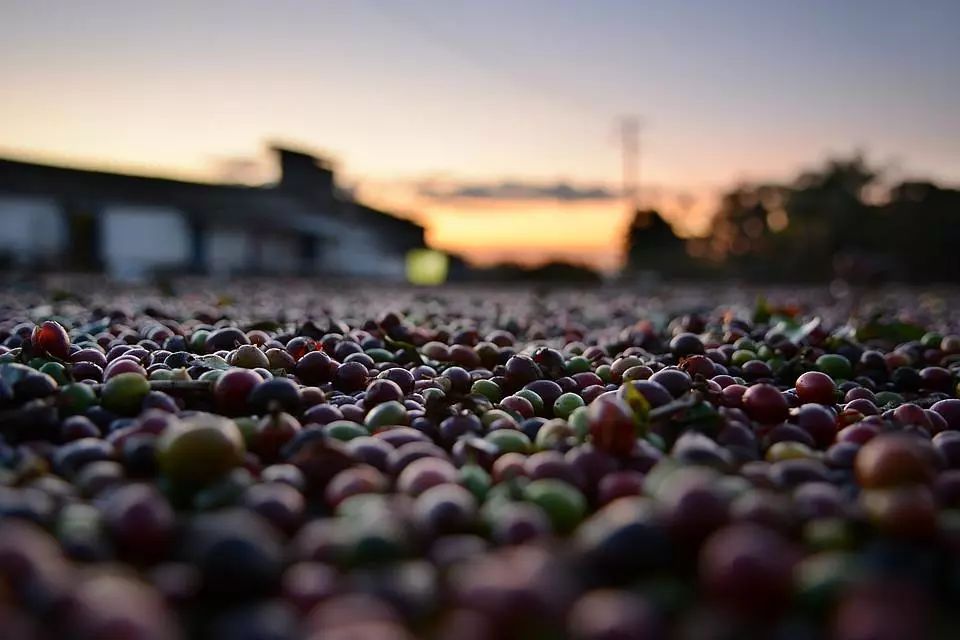
Ethiopia’s geography and climate conditions are ideal for coffee cultivation. Much of the country lies at elevations between 1100 and 2300 meters, especially in the southern regions, which have long nurtured numerous coffee varieties with distinctive flavors. Here, coffee often grows in natural, wild environments, hailed as "coffee of the wilderness," fully showcasing the unique terroir and microclimates of each area. Particularly in southern regions such as Kaffa, Sheka, Gera, Limu, and Yayu, there exist rare pristine forest coffee ecosystems—not only the sacred birthplace of Arabica but also habitats for numerous endangered flora and fauna as well as plants with medicinal value.
The Federal Democratic Republic of Ethiopia, formerly known as Abyssinia, is globally recognized as the birthplace of coffee. The country encompasses nearly all imaginable genetic variations of coffee varieties, with its main producing regions concentrated in the southern highlands at elevations of 1100 to 2300 meters. The soil is characterized by deep layers, good drainage, weakly acidic red soils, and loose loamy soils rich in humus. Coupled with a seven-month-long rainy season, annual precipitation ranging from 900 to 2700 millimeters, and stable growth season temperatures maintained between 15 and 24°C, these conditions provide an optimal environment for coffee cultivation. Notably, over 95% of the coffee is produced by smallholder farmers, with an average yield of about 561 kilograms per hectare. Leveraging generational experience, these farmers use natural fertilizers, carefully select ripe red cherries, and process them in hygienic conditions—contributing to the exceptional flavor, quality, and diversity of Ethiopian coffee.
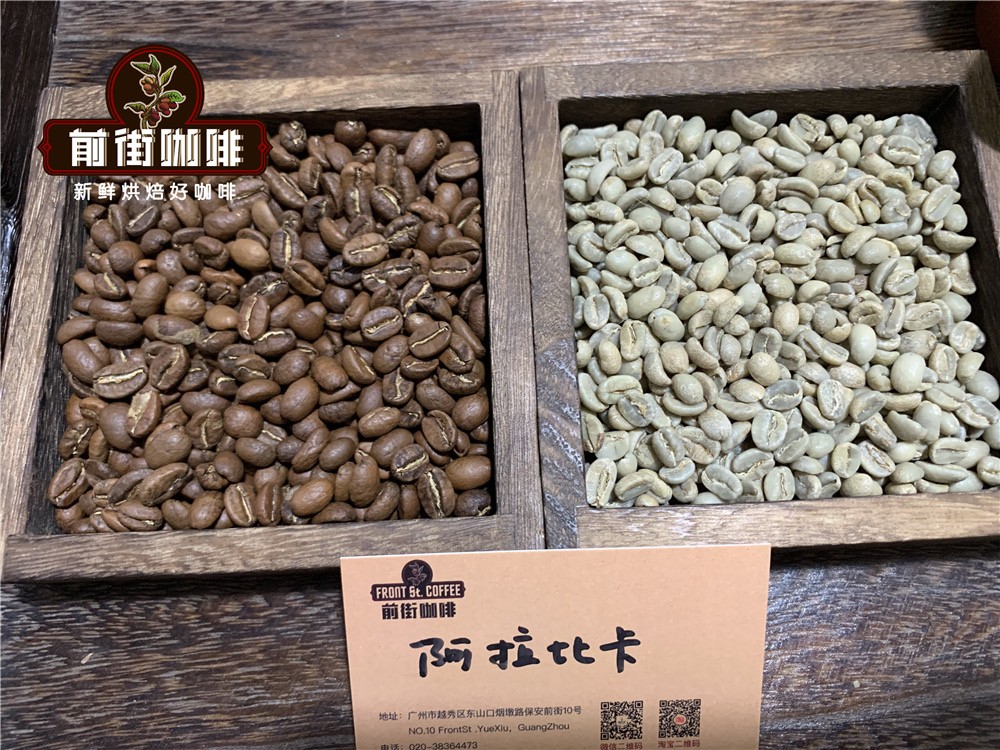
Variations in soil and microclimate across different regions have given rise to distinctly unique flavor profiles in Ethiopian coffee. To allow coffee enthusiasts to experience the diverse flavors from the birthplace of coffee, many professional importers specifically source specialty beans from regions such as Sidama, Yirgacheffe, Kochere, Guji/Hambella, and Harar. Among them, Sidama, Yirgacheffe, and Kochere are renowned for their washed specialty beans, with Yirgacheffe standing out for its unique floral and citrus notes, making it a prized choice among global coffee aficionados.
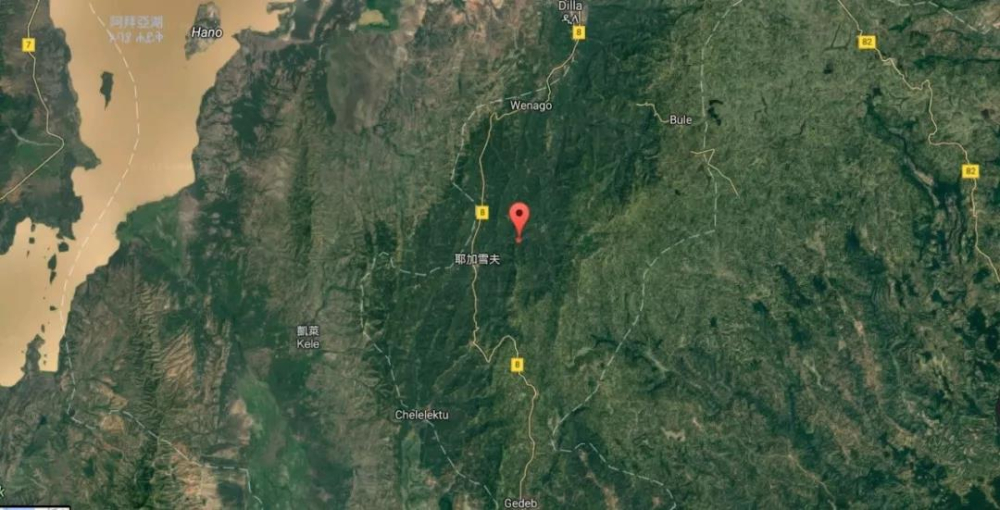
Yirgacheffe (Yirgacheffe) was originally a sub-region within the Sidama province. However, due to its elevation (approximately 1700 to 2100 meters), outstanding flavor profiles, and processing methods, it was officially elevated to an independent producing region in recent years. This area is primarily known for washed processing, and its coffee often exhibits bright lemony acidity, citrusy sweetness, and fresh floral notes. Naturally processed beans from this region frequently showcase rich fruity aromas such as strawberry, cream, and berries, whereas beans from Sidama and Harar often carry wilder flavors like blueberry and other berries with deeper intensity.
In addition to Yirgacheffe, Guji/Hambella is another noteworthy producing region. As a sub-region of the Guji zone under Sidama, Hambella has gained significant fame in recent years thanks to a championship naturally processed lot called “Huakui” (Flower Queen). This TOH (Cup of Excellence) naturally processed champion lot from the 2017 Ethiopia competition was rebranded as “Huakui” in the Chinese market, and subsequent Huakui series releases all originate from this area. Hambella is home to over 20 processing facilities spread across villages and estates. Its naturally processed beans often feature intense tropical fruit, berry, and floral notes, with layered and complex mouthfeel, making them highly favored by coffee professionals.
When brewing Ethiopian coffee, it is recommended to adjust roasting and extraction strategies according to the flavor characteristics of different regions. Taking Yirgacheffe as an example, its bright acidity suits medium to light roasting. For washed beans, a light roast is advised to preserve the fresh acidity, while naturally processed beans can be medium-light roasted to highlight the rich berry notes and sweetness. It is practically recommended to use a V60 dripper, with water temperature set to 91°C, water-to-coffee ratio 1:15, coffee dosage 15 grams, and a medium-fine grind size (approximately 80% passing through a Chinese No. 20 sieve). A grind that is too coarse may lead to under-extraction and flat flavors, while one that is too fine may cause over-extraction and bitterness due to the high water temperature.
During actual brewing, it is suggested to adopt a pulsed pouring method: start with 30 grams of water for a 30-second bloom to allow the coffee grounds to fully expand; then pour up to 125 grams of water by the first minute, and when the water level drops to two-thirds of the coffee bed, continue pouring to 225 grams. The total extraction time should be controlled within 2 minutes. This approach effectively highlights the fruity acidity and floral notes of Yirgacheffe while maintaining a clean and refreshing mouthfeel. Precise control of temperature and grind size is key to brewing Ethiopian coffee via pour over.
Furthermore, the freshness of coffee beans has a decisive impact on flavor performance. It is recommended to choose beans shipped within five days of roasting and allow them to rest for 4 to 7 days upon arrival to reach their peak flavor window. If purchasing pre-ground coffee, although the degassing period can be skipped, it should be used promptly to prevent oxidation from affecting aroma and taste. In summary, from understanding variety traits and familiarizing oneself with regional flavor profiles to mastering precise extraction parameters, every step is essential in savoring the true essence of Ethiopian coffee.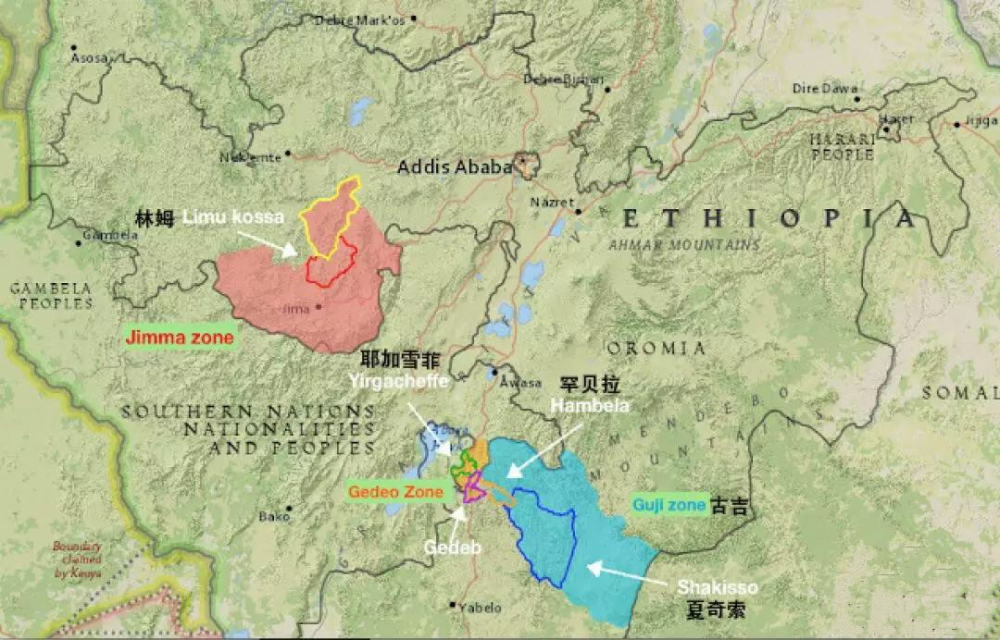
The above content is compiled by CoffeeHunters, a coffee news website.


