







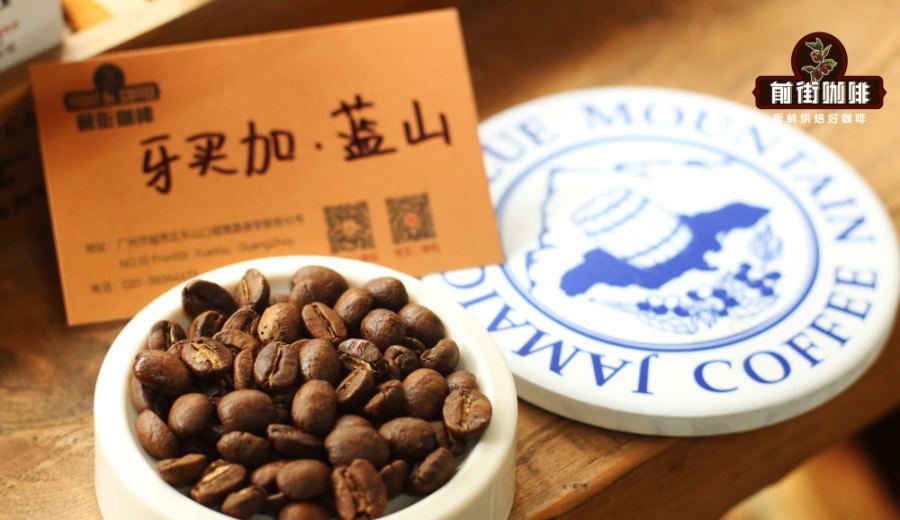
Introduction:Jamaica Blue Mountain coffee is renowned for its delicate and balanced flavor profile, often hailed as the "Blue Titanium of coffees." This article delves into the growing environment, the three main production regions, the rigorous grading system, and the unique processing methods from harvest to export. It also provides professional roasting recommendations and hands-on pour over parameters tested by a specialty shop, helping you gain a comprehensive understanding of this world-class coffee and master the secrets to brewing its exceptional flavors.
Jamaica Blue Mountain coffee is grown in the Blue Mountains of eastern Jamaica, a Caribbean island nation. Renowned for its fine, sweetly acidic, and layered flavor, it is often referred to as the "beauty of coffees." This coffee is not only highly regarded among coffee enthusiasts but also stands as one of the world’s representative premium coffees due to its limited production and high price. This article will take you through a comprehensive exploration of this legendary coffee, covering its geographical environment, historical background, regional distribution, grade classification, processing procedures, flavor characteristics, and brewing techniques.
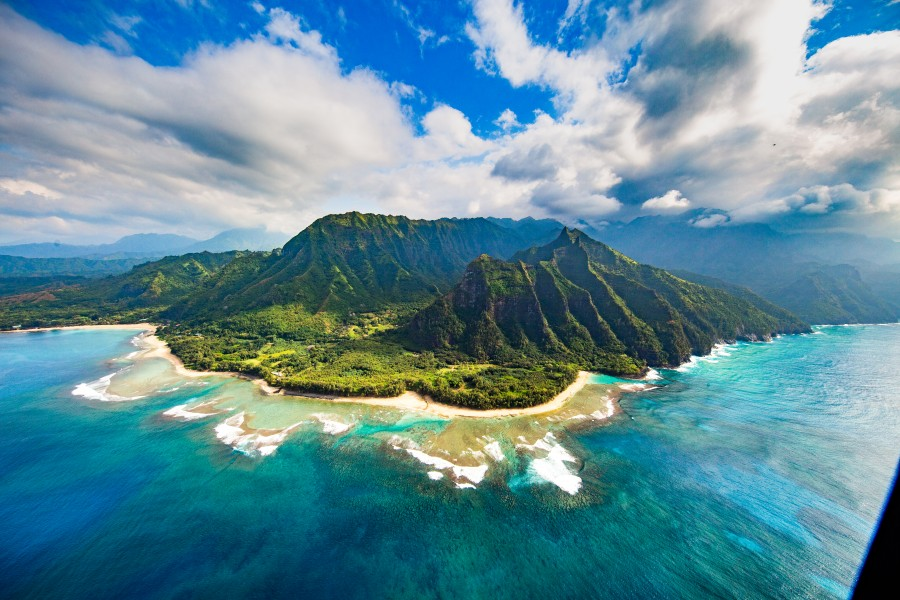
The Blue Mountains are located in northeastern Jamaica, characterized by steep terrain and a highest peak reaching 2,256 meters, the highest point in the Caribbean. The region enjoys a cool, foggy climate with an average annual temperature of about 27°C and annual rainfall as high as 1,980 millimeters. Coupled with fertile volcanic soil, these conditions create an ideal environment for growing Arabica coffee. Coffee trees are primarily planted on steep terraced slopes, and harvesting relies entirely on manual labor—usually skilled female workers who carefully select coffee cherries at optimal ripeness. This is also a key reason behind the consistent quality of Blue Mountain coffee.
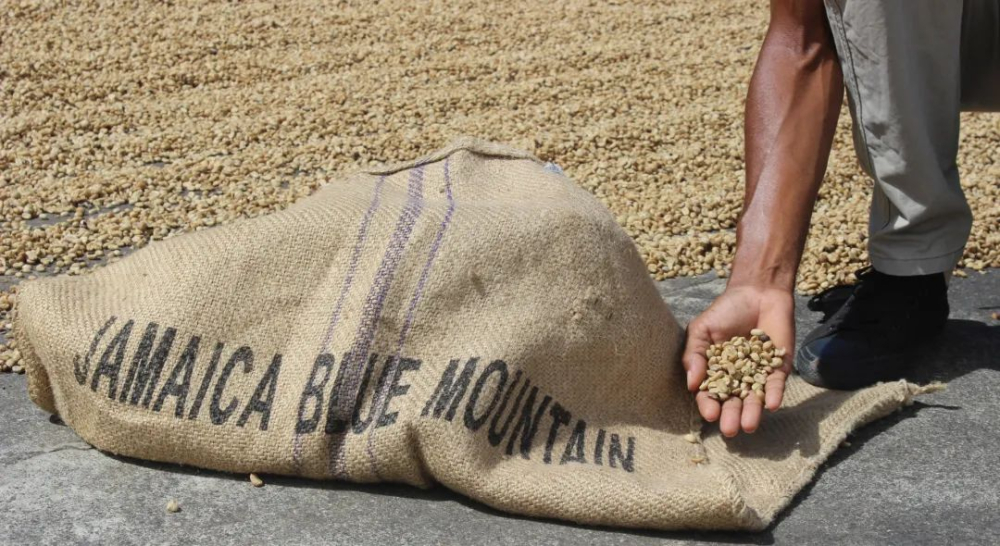
The processing of Blue Mountain coffee is highly meticulous. After harvesting, the coffee cherries must be depulped the same day, followed by 12 to 18 hours of fermentation, then washing and sorting. The beans are subsequently dried on cement patios or thick mats until their moisture content drops to 12%–14%. Finally, they are stored in dedicated warehouses awaiting roasting. This rigorous processing procedure ensures the purity and consistency of the coffee beans’ flavor.
The history of Blue Mountain coffee dates back to the early 18th century. In 1717, King Louis XV of France ordered the cultivation of coffee in Jamaica. By the mid-1720s, then-Governor Sir Nicholas Lawes introduced Arabica seeds from Martinique and promoted their cultivation in the Saint Andrew area. To this day, Saint Andrew, Portland, and Saint Thomas are the three main producing regions of Blue Mountain coffee. Established in 1950, the Jamaica Coffee Industry Board is responsible for setting and maintaining the quality standards of Blue Mountain coffee. Its authorized official seal is globally recognized as a symbol of high quality.
Blue Mountain coffee is divided into three main grades based on origin and quality: Blue Mountain coffee, High Mountain coffee, and Jamaica coffee. Among them, Blue Mountain coffee is further subdivided into Blue Mountain No. 1 and Blue Mountain No. 2, while High Mountain coffee is divided into High Mountain No. 1 and High Mountain No. 2. Blue Mountain No. 1 is the highest grade, known for its rich, balanced flavor, harmonious acidity and sweetness, distinct fruity and floral notes, smooth mouthfeel, and long-lasting aftertaste. It is considered a delicacy by many coffee connoisseurs.
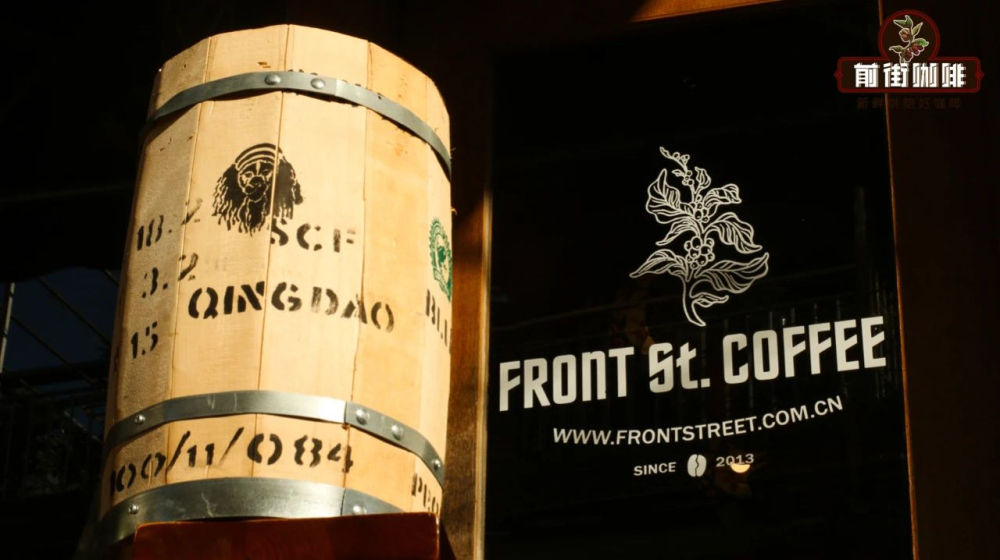
It is worth noting that the Jamaican government mandates that Blue Mountain coffee be shipped in 70-kilogram wooden barrels, rather than the 60-kilogram jute sacks commonly used for other coffees. This is not only an important measure to protect the beans but also a distinctive feature of Blue Mountain coffee. Currently, approximately 90% of the global supply of Blue Mountain coffee is purchased by the Japanese market, making its circulation extremely limited and its price consistently high.
The annual harvest season for Blue Mountain coffee runs from June to November. The entire process—from hand-picking to washed fermentation, drying, hulling, and roasting—is subject to strict quality control to ensure the final coffee beans retain the most authentic and pure flavor characteristics. This coffee is generally recommended to be medium roasted to fully highlight its sweetness and body, and is best enjoyed via pour over to fully release its delicate layers.
As a top-grade coffee, Blue Mountain No. 1 is recommended to be brewed using a KONO filter. The water temperature should be controlled at 88°C, with a coffee-to-water ratio of 1:15 and a grind size of approximately EK43s scale 10.5 (equivalent to 75% passing through a #20 sieve). Test parameters from a specialty shop show that the brew begins with a 30-second bloom using 30 grams of hot water, followed by pouring in small streams in a circular motion centered around the coffee bed until 125 grams of water is added for the first pour. After the coffee bed settles, continue pouring up to 225 grams. Once fully dripped, it is ready to enjoy. The brewed Blue Mountain No. 1 offers a rich and full aroma, with notes of nuts and chocolate on the palate, balanced acidity and sweetness, and a clean, long-lasting aftertaste.
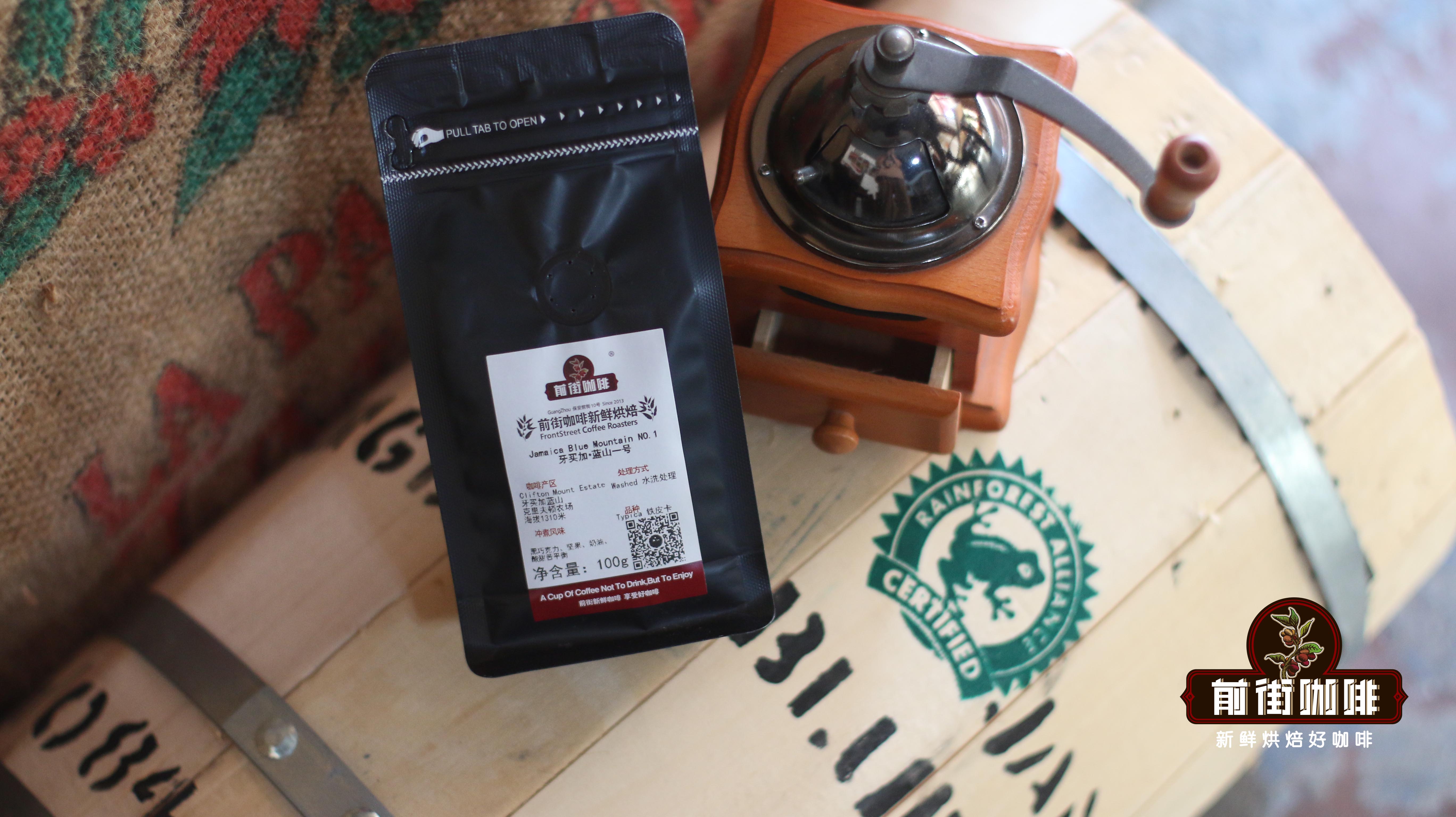
The unique flavor of Blue Mountain coffee stems from its exceptional growing conditions: high altitude, frequent fog, cool climate, and fertile volcanic soil allow the coffee cherries to ripen slowly, accumulating rich flavor compounds. Additionally, the Jamaican government has long adhered to a quality-first policy, limiting production to ensure that every bean meets high standards. This commitment is also a key reason why Blue Mountain coffee maintains its status as a premium product.
In terms of roasting, it is recommended to uniformly roast Blue Mountain coffee beans “from the inside out” to fully unlock their potential flavors. The caramelization stage is crucial. After the beans enter the roaster at 170°C, gradually increase the temperature while controlling the heat and air vent. Roasting to around 201.3°C before dropping the beans can maximize the aroma and taste performance of Blue Mountain coffee.
In summary, Jamaica Blue Mountain coffee is not only a gift of geography and climate but also the crystallization of rigorous management and traditional craftsmanship. Understanding its regional background, grade differences, and precise brewing parameters allows you to more deeply appreciate the unique charm of this world-class coffee. Whether as part of your daily tasting routine or a milestone in your coffee journey, Blue Mountain coffee is worthy of careful exploration by every enthusiast.
The above content is compiled by CoffeeHunters, a coffee news website.


