







Introduction:Mandheling coffee is renowned for its rich, full-bodied flavor, especially favored by coffee enthusiasts who enjoy dark roasts and intense profiles. But did you know that this name actually originated from a linguistic misunderstanding during World War II? This article will delve into the historical background of Mandheling, Sumatra’s unique wet-hulling processing method, and the stringent selection criteria and grading system of Golden Mandheling. We also provide practical pour-over recommendations and extraction parameters to help you better appreciate this classic Indonesian coffee.
With its bold and heavy profile, Mandheling coffee has become the top choice for many who prefer dark roasts and bitter notes. Originating from Sumatra, Indonesia, this coffee not only boasts distinctive herbal and spicy undertones but also stands out due to its unique production background and processing method. However, the name “Mandheling” actually stems from a miscommunication during World War II. At the time, a Japanese soldier misheard the local ethnic group name “Mandailing” as “Mandheling,” and ever since, the name has been tightly associated with Sumatran coffee.
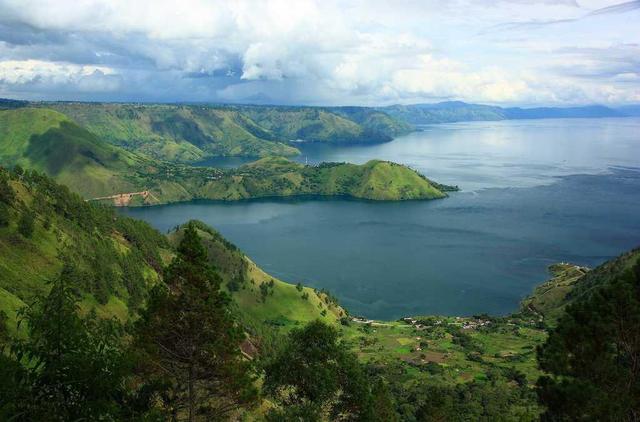
Sumatra is one of the largest coffee-producing regions in Indonesia, with Aceh and North Sumatra provinces in the north being the main production areas. The region is home to Lake Toba, the world’s largest and deepest volcanic lake. The surrounding Lintong area benefits from volcanic soil rich in minerals, high altitudes, and natural shade, all of which contribute to the solid flavor foundation of Mandheling coffee. Most Mandheling coffee trees are planted on slopes, covered by various types of ferns, enjoying excellent natural shading and thus requiring no additional artificial shade.
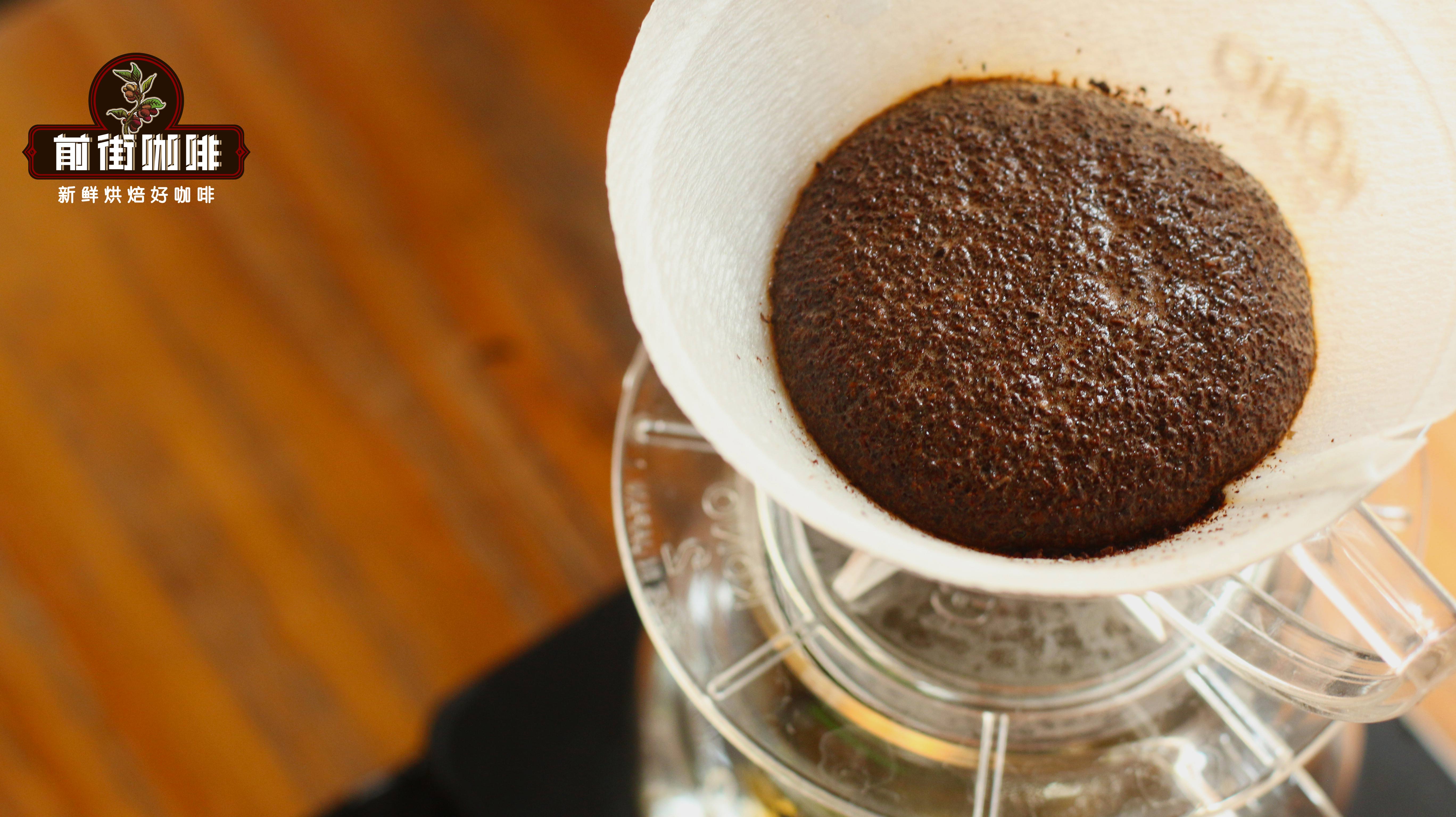
When discussing Mandheling, one cannot overlook its most iconic processing method—wet-hulling. This is a semi-washed process that falls between washed and natural methods. Unlike traditional washed processing, wet-hulling involves removing the outer parchment layer while it is still not fully dry, allowing the beans to dry in an exposed state. This method gives Mandheling coffee a more pronounced woody, herbal, and spicy character, forming its unique “deep and heavy” flavor profile.
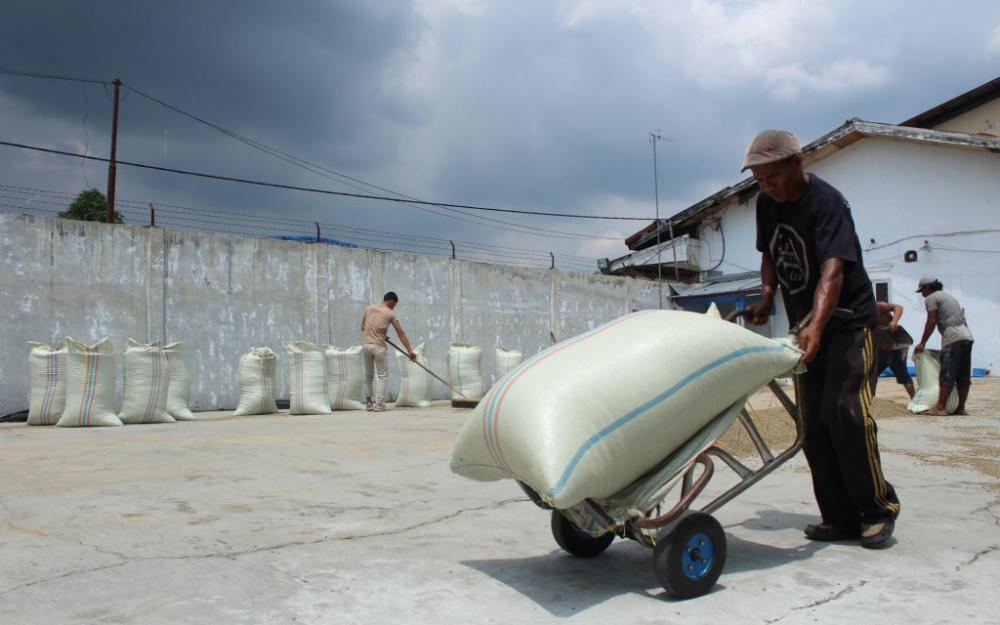
Among the many Mandheling coffees, “Golden Mandheling” is arguably the most representative high-end grade. This coffee is produced by PWN, a well-known green bean trading company in Indonesia. PWN has long been dedicated to carefully selecting high-quality Mandheling green beans and employs a rigorous defect sorting process to ensure each bean meets certain standards in density, size, color, and shape. It is reported that PWN first uses machines for preliminary sorting, followed by three rounds of manual hand-picking, significantly reducing defect rates and enhancing the coffee’s purity and sweetness. This is why Golden Mandheling has a bright, uniform appearance and is often described as shimmering like gold in the sunlight.
Indonesia’s coffee bean grading system is primarily based on the number of defects and bean size. The highest grade is G1, which requires no more than 11 defects in a 300-gram sample, with bean size reaching 18 mesh or above. Mandheling from Lintong belongs to the G1 grade, processed using the wet-hulling method, showcasing the classic Indonesian Mandheling flavors, including black chocolate, nuts, herbs, and caramel layers. If you’re looking to try a more robust and relatively affordable everyday bean, Lintong Mandheling is an excellent entry point to explore Sumatran flavors.
It’s worth mentioning that PWN also performs density and color sorting before packaging to ensure each Golden Mandheling bean is plump, uniform, and has a bright luster. These meticulous details are what set Golden Mandheling apart in the market. For this reason, when purchasing, consumers can look for the official PWN logo and origin certification on the packaging to confirm authenticity.
To fully highlight the unique flavors of Mandheling coffee, roasting and brewing methods are crucial. Due to Sumatra’s humid climate and high temperatures, Mandheling is typically roasted to a medium-dark level to bring out its rich black chocolate notes while preserving herbal and spicy aromas. It is recommended to enjoy the coffee within 4 to 7 days after roasting for optimal flavor performance.
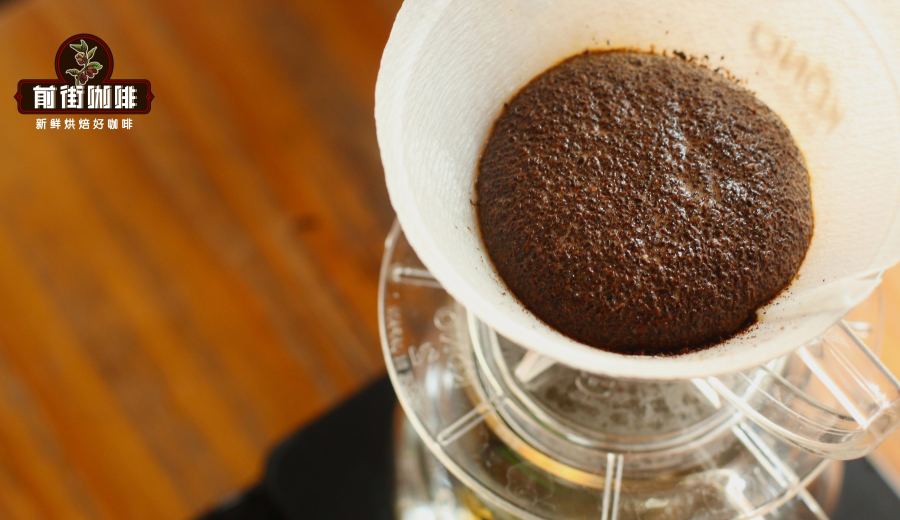
For brewing, it is recommended to use a Kono filter cone with a medium-coarse grind size (approximately 70% through a #20 sieve), water temperature controlled between 87–88°C, and a coffee-to-water ratio of 1:15. Start with a 30-second bloom using twice the amount of water as coffee grounds, then pour water in small streams in a circular motion from the inside out. After the first pour reaches 125 grams, pause briefly to allow the coffee bed to settle before continuing to pour up to 225 grams. The total extraction time is about 2 minutes. This brewing method effectively reduces the risk of over-extraction, making the layered and full-bodied characteristics of Mandheling more pronounced.
In summary, Mandheling coffee not only carries an interesting historical misunderstanding but also, thanks to Sumatra’s unique geographical environment and wet-hulling processing method, has created its irreplaceable flavor characteristics. Whether you’re a coffee novice or a enthusiast chasing deep flavors, you can find your own coffee story within the classic profile of Mandheling.
The above content is compiled by CoffeeHunters, a coffee news website.


