







Introduction:Want to understand the allure and grading logic of Panamanian Geisha coffee? This article dives deep into the differences among the three major labels of Hacienda La Esmeralda: Red Label, Green Label, and Blue Label. From regional climate and altitude classification to cupping flavors, we’ll guide you on how to choose the Geisha beans that suit you best. Whether you’re a beginner or an advanced coffee enthusiast, you’ll find practical advice and an entry-level guide here.
Panama’s mountainous terrain and unique microclimate make it one of the world’s premier regions for specialty coffee, and Hacienda La Esmeralda is the key force behind the global popularity of the Geisha variety. This renowned estate located in the Boquete region achieves fame by meticulously selecting Geisha beans and implementing a grading system, resulting in various grades of coffee products such as Red Label, Green Label, and Blue Label, all of which have become stars in the coffee market.
Boquete sits at the border between Panama and Costa Rica, near the majestic Volcán Baru. With significant altitude variations, notable day-night temperature differences, and fertile volcanic soil, it offers an ideal environment for coffee cultivation. The area is often shrouded in clouds with stable rainfall, creating perfect conditions for coffee bean growth—making it the cradle of Geisha coffee with delicate flavors and rich layers.
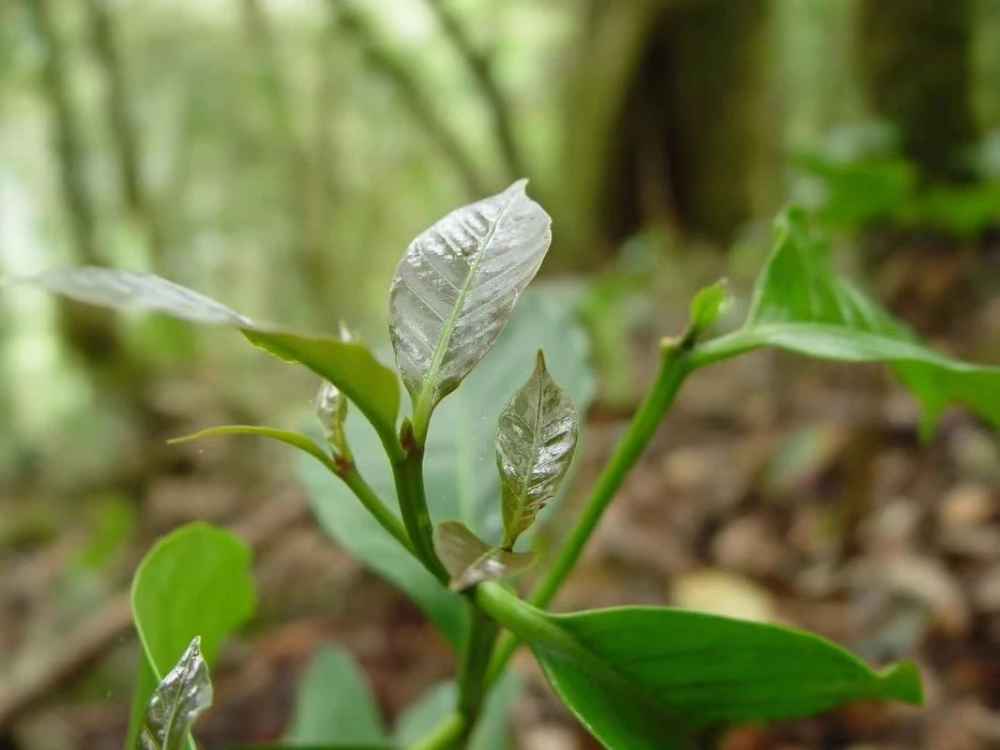
Hacienda La Esmeralda categorizes its Geisha coffees into three main product lines and five brands based on altitude, cupping results, and planting plots. Among these, those primarily of the Geisha variety include “Esmeralda Special,” “Private Collection,” and “Geisha1500,” which are also widely recognized as the prototypes of Red Label, Green Label, and Blue Label respectively. Additionally, the other two brands, “Diamond Mountain grows” and “Palmyra,” belong to the Catuaí variety and are suitable for consumers who prefer different flavor profiles.
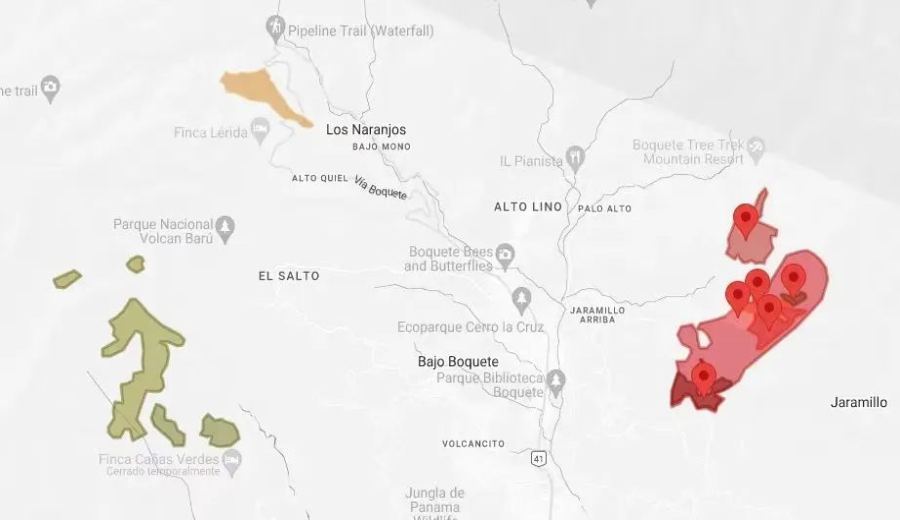
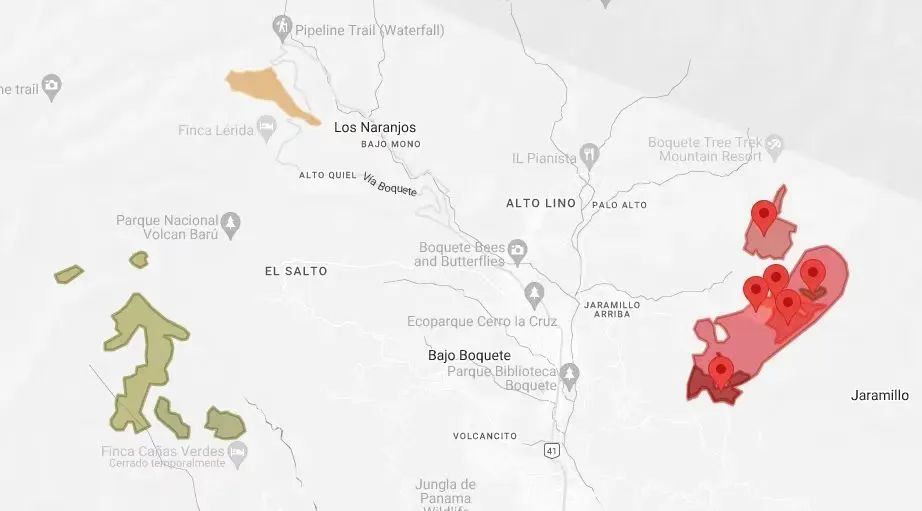
The Red Label Geisha, also known as “Esmeralda Special,” is the flagship offering of Hacienda La Esmeralda. These beans are selected exclusively from altitudes between 1600 and 1800 meters and undergo rigorous cupping screenings. The growing areas are concentrated in Jaramillo and Canas Verdes, and the cupping scores consistently remain above 90 points. It’s worth noting that only the Geisha lots that participate in Hacienda La Esmeralda’s independent auctions are referred to as “Auction Red Label.” However, even the non-auction versions come from the same high-quality plots, just without going through the auction process. Many customers ask about the difference between Auction Red Label and regular Red Label—their flavors are actually quite similar, but auction lots command higher prices. If you’re experiencing Geisha for the first time, choosing the non-auction Red Label is already an excellent entry-level option. Processing methods include washed or natural, with flavor profiles dominated by floral notes and citrus tones, bright and refreshing.
The cupping profile of a certain brand’s Red Label Geisha coffee from Hacienda La Esmeralda is as follows: the dry aroma exudes intense jasmine and citrus notes; the wet aroma reveals layers of citrus, lemon, and honey; upon tasting, one can perceive a harmonious blend of lemon, honey, berries, orange peel, mango, cream, and tea-like sensations—a balanced and multi-layered specialty coffee.
The Green Label Geisha, or the “Private Collection” series, though not participating in auctions, also comes from high-altitude regions (1600–1800 meters) and consists of blends from different micro-lots of Geisha beans. These beans may originate from small producing areas such as Jaramillo and Canas Verdes. Due to the blended sources, individual plots cannot be traced, but overall quality remains consistently high. The Green Label is often considered an excellent value choice, especially suitable for coffee lovers who want to experience the classic Geisha flavors without a high budget. The flavor spectrum of Green Label is quite similar to Red Label, also showcasing the distinctive floral and fruity notes, bright citrus acidity, and rich body of Geisha. However, as it is a blended lot, each batch may show slight variations, adding a bit of blind-box excitement.
The cupping flavor characteristics of a certain brand’s Green Label Geisha coffee from Hacienda La Esmeralda: the dry aroma has elegant notes of jasmine and ginger flower; the wet aroma shows freshness of lemon and sweet orange; upon tasting, the main flavors include lemon, sweet orange, honey, cream, almond, and tea-like notes, with an overall soft and rounded profile, suitable for various brewing methods.
As for the Blue Label Geisha, or “Geisha1500,” it is grown at around 1500 meters altitude, slightly lower than Red and Green Labels, but still within the high-altitude range. It serves as an ideal choice for many consumers to experience Geisha flavors at a more accessible price. The Blue Label also possesses the distinctive fresh floral and fruity notes of Geisha, but with a slightly gentler overall expression, making it suitable for those just beginning their journey into the world of Geisha.
In summary, the grading system of Geisha at Hacienda La Esmeralda is not only a strict control of altitude and producing regions, but also an indicator reflecting flavor potential and rarity. The Red Label emphasizes traceable origins and ultimate flavor, making it the top choice for specialty coffee aficionados; the Green Label offers high cost-performance and surprise elements through blended lots, suitable for everyday enjoyment or sharing; the Blue Label provides an accessible entry point to Geisha at a friendly price. Regardless of whether you prefer pour over, French press, or siphon brewing, it’s recommended to adjust water temperature and grind size according to the processing method (washed or natural) to fully bring out the delicate flavors of Geisha.
The above content is compiled by CoffeeHunters, a coffee news website.


