







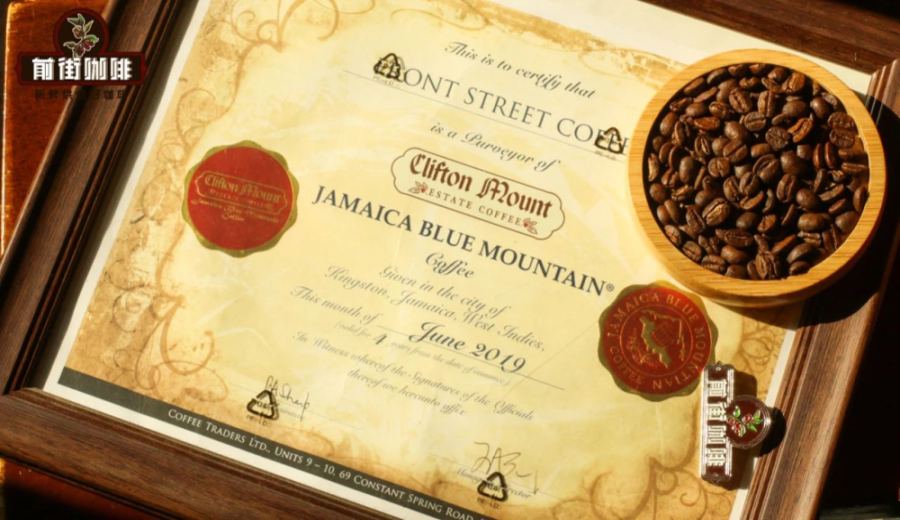
Introduction:Jamaican Blue Mountain coffee, with its unique flavor balance and unparalleled quality control, has become the dream bean for specialty coffee enthusiasts worldwide. This article delves into the growing environment, flavor profile, and the status of the Clifton Estate, while also detailing how washed and natural processing methods influence the flavor. It further provides practical tips for authenticity verification and knowledge about regional certifications, offering readers a comprehensive understanding of the core value of this legendary coffee.
Jamaican Blue Mountain coffee has long been regarded as the pinnacle of specialty coffee, not only because of its delicate and balanced flavor but also due to its extremely limited production and stringent regional regulations. This coffee from the Caribbean island is beloved by coffee connoisseurs around the world for its mild acidity, moderate sweetness-to-bitterness ratio, and refined aftertaste.
The cultivation area of Blue Mountain coffee is located in the Blue Mountains at the center of Jamaica. The highest peak of this mountain range reaches an elevation of 2,256 meters, making it the tallest peak in the entire Caribbean region. This land, situated in a volcanic geological zone, boasts fertile soil, constant high humidity, frequent rainfall, and a climate shrouded in clouds year-round, creating a microclimate that is exceptionally well-suited for growing Arabica coffee.
Authentic Jamaican Blue Mountain coffee refers exclusively to beans grown at elevations above 1,000 meters within the Blue Mountain region. Based on altitude and quality, it can be further divided into two grades: Blue Mountain coffee and High Mountain coffee. Among them, Blue Mountain coffee enjoys the reputation of being one of the most expensive coffees in the world. Its price is not only derived from its scarce production but also from its rigorous production policies and limited export quotas — statistics show that only about 10% of Blue Mountain coffee is circulated in the global market each year, with the vast majority absorbed by the Japanese market.
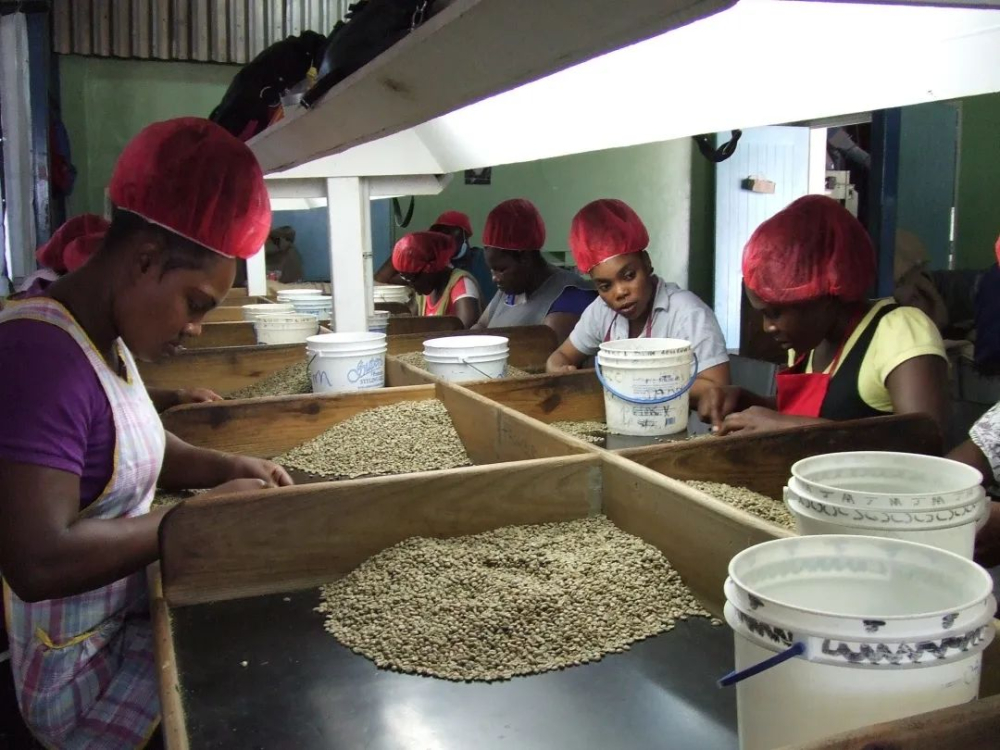
To identify genuine Blue Mountain coffee, multiple aspects can be observed. First, the green beans are usually emerald green in color, medium to slightly small in size, with slightly upturned ends, and appear plump and uniform after roasting. When ground by hand, the higher-altitude-grown beans have more porous cell walls, offering a smooth feel without any resistance. Additionally, authentic Blue Mountain coffee exhibits an exceptionally harmonious aroma and flavor when brewed, with balanced acidity, sweetness, and bitterness — none of which are overly dominant. This is also a key characteristic that distinguishes it from typical high-priced blends.
It is worth mentioning that not all coffee grown in the Blue Mountain region qualifies as "Blue Mountain coffee." According to the standards of Jamaica’s official certification body, CIB, only beans grown at elevations above 1,000 meters can bear the Blue Mountain name. Those grown at elevations below 1,000 meters in the same region are collectively referred to as "High Mountain coffee," which, while slightly inferior to Blue Mountain, still maintains superior quality.
The main variety of Blue Mountain coffee is Typica, one of the oldest surviving Arabica varieties. It originated in Ethiopia and was introduced to Jamaica by French and British colonists in the early 18th century. At that time, the Jamaican government, aiming to reduce dependence on sugar exports, implemented coffee cultivation policies and adhered to a quality-oriented development approach, laying the foundation for the high standards of Blue Mountain coffee today. Compared to major coffee-producing countries like Brazil, Blue Mountain coffee has an annual output of only about 40,000 bags, making it extremely rare.
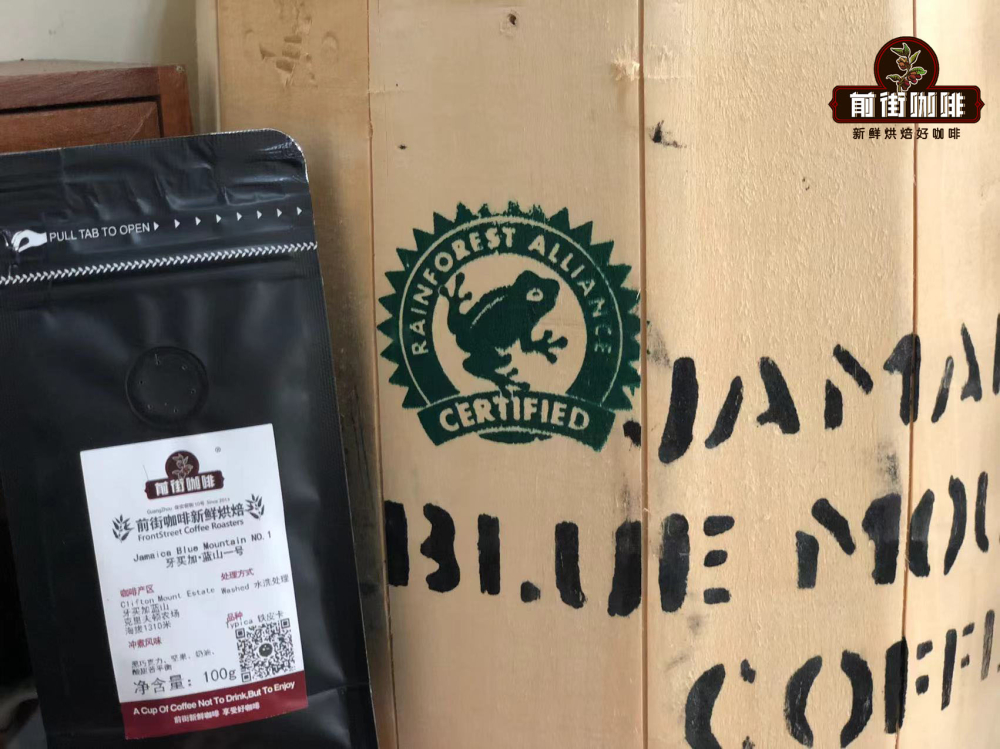
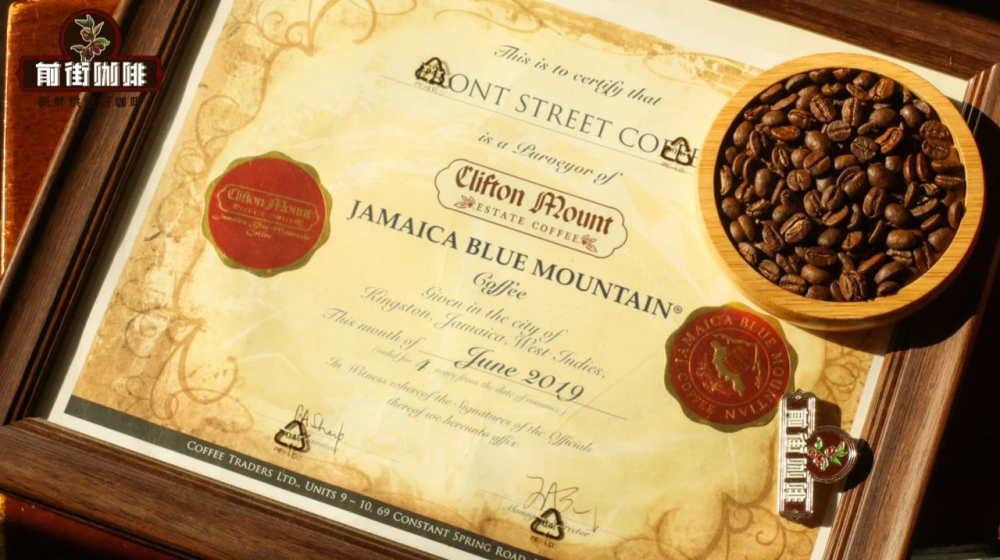
The Clifton Estate, as the oldest and highest-altitude coffee plantation in the Blue Mountain region, is not only the only Blue Mountain coffee producer in the area to receive Rainforest Alliance Certification (RFA) but also plays a key role in maintaining the quality and sustainable management of Blue Mountain coffee. Rainforest Alliance Certification emphasizes environmental protection, water resource management, biodiversity conservation, and the protection of farmers’ rights. Its strict ten criteria include water source protection, reducing pesticide hazards, waste management, improving labor welfare, and enhancing farm management efficiency. These conditions ensure that Blue Mountain coffee not only excels in flavor but also serves as a model in sustainable production.
In terms of processing methods, Blue Mountain coffee has traditionally primarily used the washed method to preserve the purest original flavors of the coffee cherry. However, in recent years, to meet the diverse demands of the global market, some estates such as Clifton have also begun experimenting with the natural (sun-dried) processing method. Although the local rainy and humid climate poses a significant challenge to this technique, strict controls and modern, refined processing procedures have successfully revealed different flavor potentials.
Taking the Blue Mountain coffee produced by the Clifton Estate as an example, its washed version is grown at an altitude of 1,310 meters, with the Typica variety. In terms of flavor, it offers a sweet sensation akin to brown sugar and berry-like acidity, with nutty and cocoa notes emerging in the mid-to-late stages. The mouthfeel is velvety smooth, and the aftertaste carries the warm aroma of walnuts. In contrast, the natural version highlights black chocolate and nuts as the dominant notes, with an overall flavor that is richer and more concentrated. It boasts high clarity and a well-balanced, mellow profile with a well-harmonized acidity, sweetness, and bitterness.
Comparing the two processing methods, washed Blue Mountain exhibits a classic and steady flavor profile, suitable for those who prefer clear acidity and a bright mouthfeel. On the other hand, natural Blue Mountain attracts consumers who enjoy rich, mellow styles with its abundant sweetness and complex layers of fruit aroma. The differences in processing directly influence the final flavor presentation.
Traditional sun-drying is the oldest coffee processing method, where harvested coffee cherries are placed directly under the sun to dry for approximately 27 to 30 days until their moisture content drops to 12%. Modern refined sun-drying involves stricter fruit selection and even turning on raised drying beds to ensure a stable drying process, thereby enhancing flavor consistency and quality.
The washed method, developed by the Dutch in the 18th century, includes steps such as removing the pulp, fermenting to remove the mucilage layer, washing, and drying. Pulp is removed via water tank fermentation to eliminate residual mucilage, followed by thorough rinsing with clean water. Finally, the parchment-covered green beans are dried to a moisture content of 12%, ensuring the stability of the beans' quality during storage and transportation.
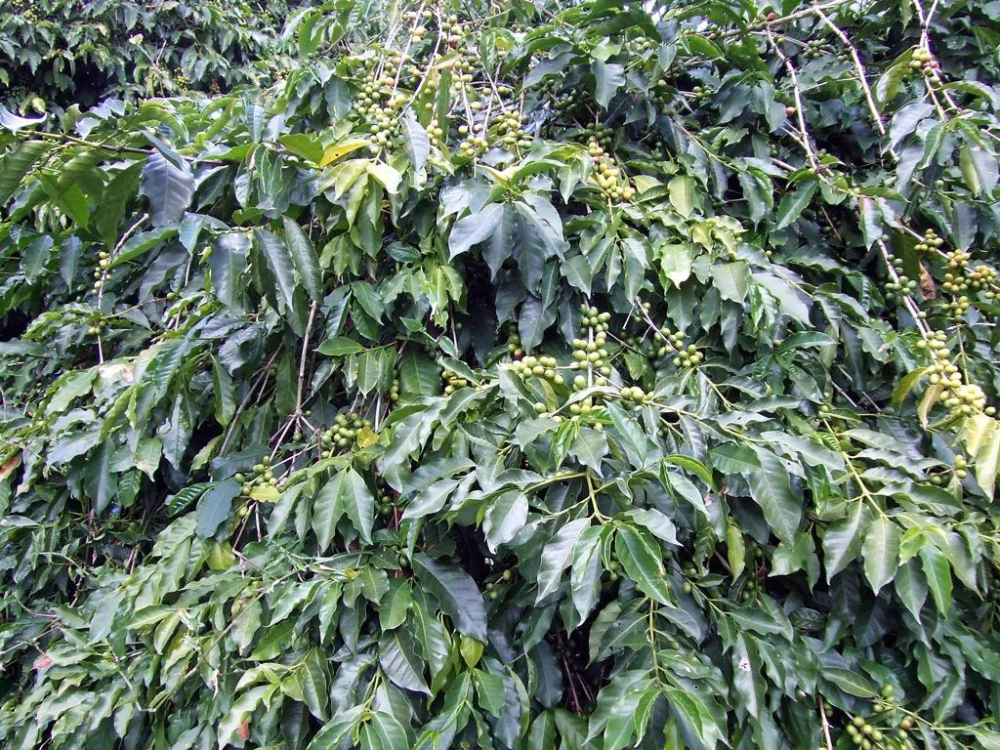
In summary, Jamaican Blue Mountain coffee demonstrates the standards expected of top-tier coffee in every aspect — from its growing environment and variety selection to its processing techniques and quality control. Whether you are a newcomer to Blue Mountain or a coffee enthusiast familiar with various processing methods, gaining a deeper understanding of the flavor secrets and regional stories behind it will enrich your tasting experience.
The above content is compiled by CoffeeHunters, a coffee news website.


