







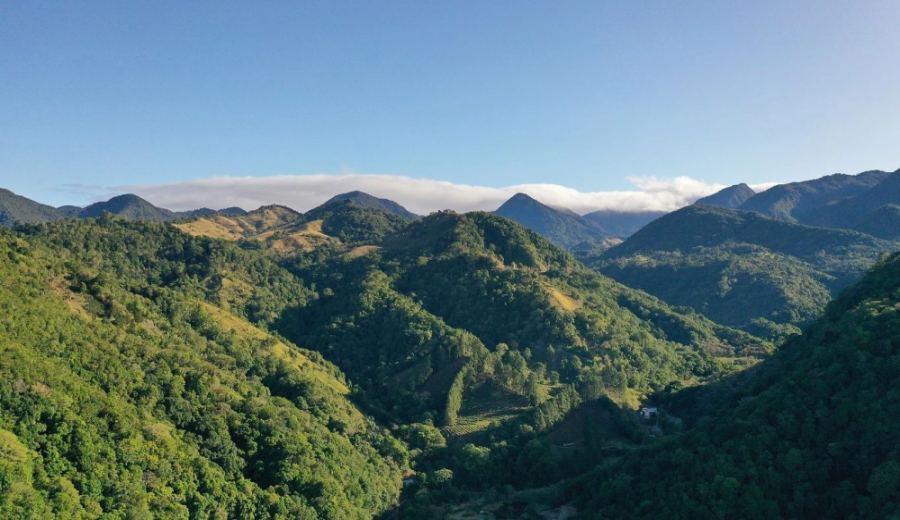
Introduction:Explore how the Boquete region of Panama cultivates some of the world’s finest Geisha coffee beans. This article delves into the geographical environment and climatic advantages of Boquete and the Volcán Barú, introduces renowned bean varieties such as Emerald Red Label, Green Label, Elida Typica, and Flor de Selva, explains the differences between washed and natural processing methods, and finally offers practical pour over recommendations to help you find your own entry path into Geisha coffee.
Since 2004, when Panama’s Hacienda La Esmeralda’s Geisha won the championship at the Best of Panama (BOP) competition, the country quickly rose to the center of the global specialty coffee scene. This victory not only brought Geisha international fame but also shifted attention to its growing sanctuary—the Boquete region located in Chiriquí Province. Nestled near the Volcán Barú, this highland boasts unique volcanic soil, significant diurnal temperature variations, and high altitude, all contributing to unforgettable coffee flavors.
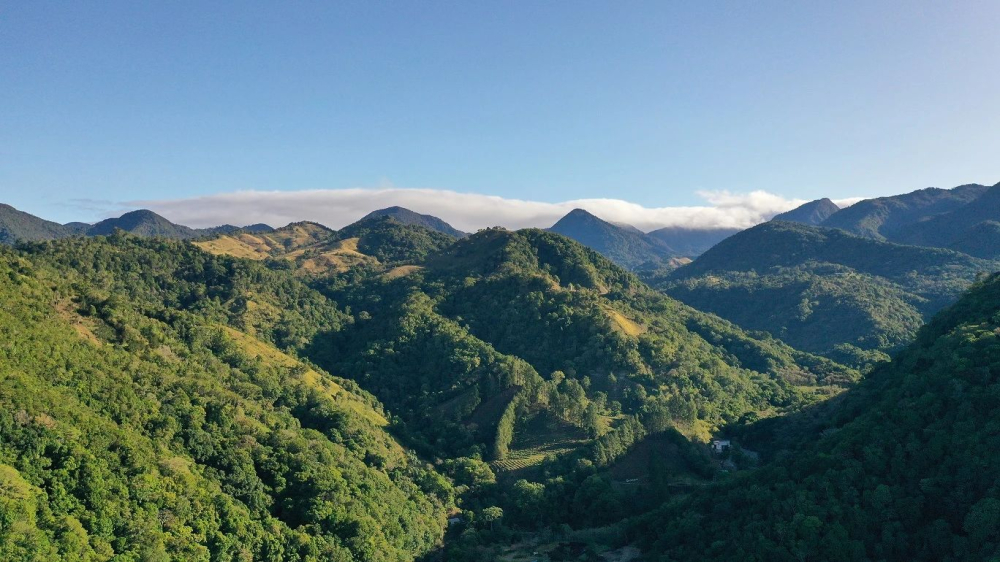
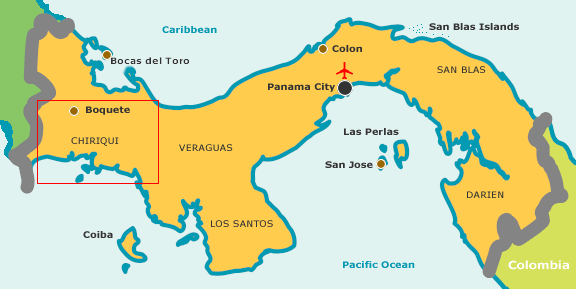
Located in western Panama and bordering Costa Rica, Boquete is a renowned coffee town within Chiriquí Province. In addition to its spectacular natural landscapes, it is famed for the fertile volcanic ash soil brought by the nearby Volcán Barú. The soil is rich in phosphorus and sulfur, and with an average annual temperature ranging between 11–27°C and distinct day-night temperature differences, it provides ideal growing conditions for coffee trees, aiding the slow accumulation of flavor compounds.
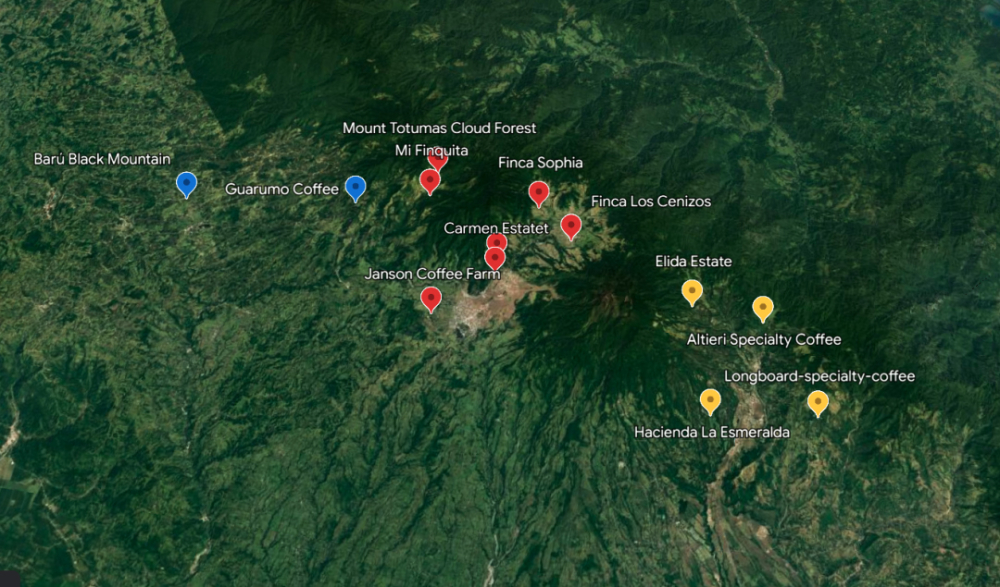
Many famous coffee estates are located here, including Hacienda La Esmeralda, whose well-known Emerald Red Label and Green Label Geisha coffees have long been hot items in auction markets. Additionally, the Typica produced by Elida Estate, as well as the high-value-for-money Flor de Selva Geisha blend, are also representative high-quality bean offerings from Boquete, fully showcasing the region’s diverse profile.
When discussing Boquete, one cannot overlook the Volcán Barú. This 3,474-meter-high volcano is the highest peak in Panama and a key landmark of Chiriquí Province. Stretching approximately 35 kilometers along the Panama-Costa Rica border, although currently dormant, its historic volcanic activity has left behind extremely fertile soil rich in various minerals, laying a solid foundation for the cultivation of high-quality coffee.
In addition to volcanic soil, the Volcán Barú area also benefits from abundant rainfall, stable cloud cover, and undulating terrain, creating diverse microclimates. The mountainous region is rich in water sources, which not only aid in the washed processing but also provide necessary moisture for coffee trees during dry seasons. These favorable “heavenly and earthly” conditions together have shaped Boquete into a holy grail destination for global specialty coffee enthusiasts.
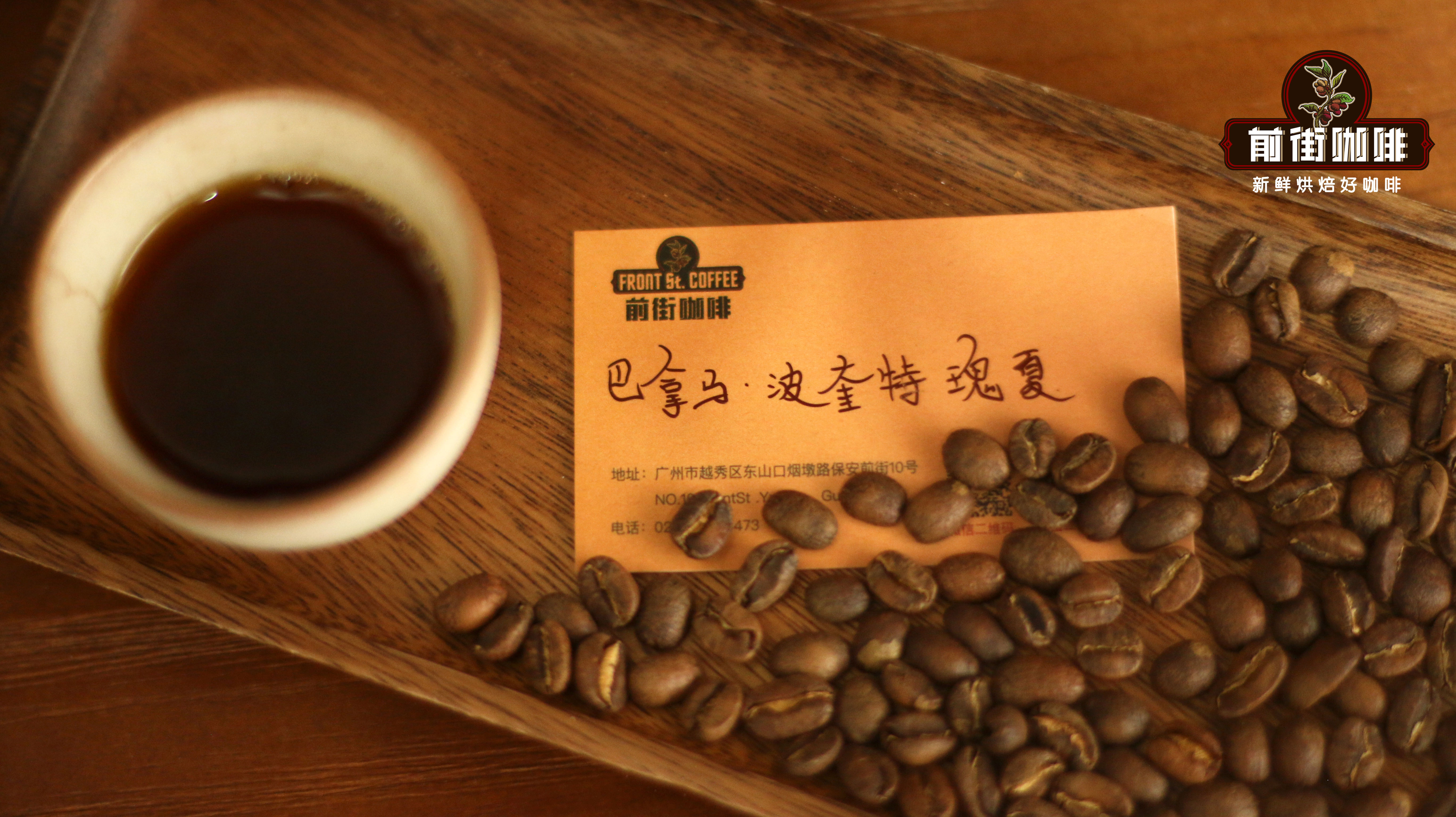
The industry (Front Street Coffee) has introduced several premium beans from Boquete, among which the Flor de Selva coffee has received widespread acclaim for its high cost-performance ratio. This bean is composed of 70% Geisha blended with Caturra and Catuai, grown at around 1,600 meters in the Volcán Barú region, and processed using the washed method. With meticulous processing and the support of the local microclimate, Flor de Selva exhibits bright acidity, delicate floral notes, and good body, making it an excellent choice for those trying Geisha for the first time.
The processing of Flor de Selva is meticulous. Coffee farmers carefully select ripe cherries, remove the pulp through washing, and then ensure the moisture content is stabilized at around 12% through a precisely controlled drying process. This processing method highlights the cleanliness and vibrancy of the fruit acids while retaining delicate floral and fruity tones, making it a must-try for pour over enthusiasts.
In terms of processing methods, most estates in Boquete adopt the two mainstream techniques: washed and natural. Washed processing can highlight the coffee’s fresh fruit acidity and clean taste, suitable for those seeking clear layering and high flavor concentration. In contrast, the natural method ferments the entire coffee cherry, imparting a richer sweetness, fuller body, and complex berry or tropical fruit profiles to the coffee. Although slightly less clean, the flavor is more intricate and captivating.
For example, the Typica variety from Elida Estate is processed using the natural method, grown at an altitude of 1,850 meters, making it one of the few ultra-high-altitude estates in Panama. The estate not only enjoys a uniquely advantageous location, but also has over half of its area situated within the Volcán Barú National Park, boasting an exceptional ecological environment. The natural process takes about 21 days, allowing the coffee cherries to ferment slowly under the sun, bringing out intense sweetness and a full body, with relatively soft acidity and a rich mouthfeel. It’s an exquisite choice for coffee aficionados who enjoy bold flavors.
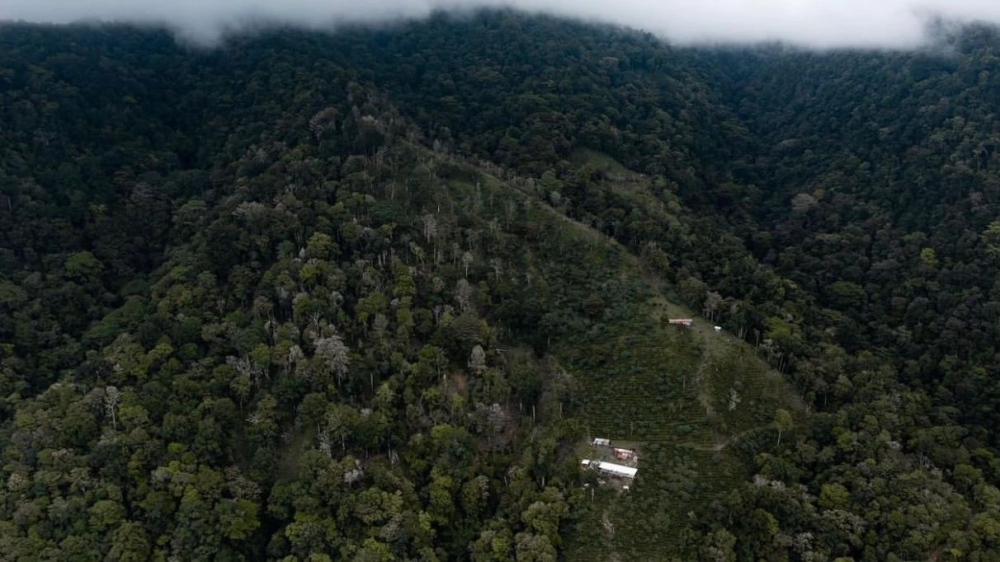
The Boquete region features a diverse array of coffee varieties. In addition to the star Geisha, Caturra and Catuai are also commonly cultivated. Caturra, a mutation of Bourbon, offers bright acidity and medium body, suitable for medium-to-high altitude cultivation. It has high yield potential and shorter tree stature, facilitating harvesting. Catuai is a hybrid of Mundo Novo and Caturra, known for strong resistance to wind and rain, stable yields, and is a reliable choice for many high-altitude estates.
Typica is one of the oldest Arabica varieties, characterized by its slender bean shape and elegant cup profile. Although its yield is relatively low, it delivers delicate flavors and refined aromas, making it a classic variety often used by specialty estates to showcase cultivation techniques and regional characteristics.
If you wish to pour over these premium Geisha or blend beans from Boquete at home, it is recommended to use a V60 filter, with a water temperature of 91–92°C, a coffee-to-water ratio set at 1:15, and a grind size roughly the size of fine sugar (able to pass through a #20 sieve with about 80% of the powder). For specific operation, follow this procedure: start with a 30-second bloom using 30g of water, then pour 95g of water, wait until the coffee bed has drained halfway, and then pour another 100g of water, for a total brew water volume of 225g. Maintain a gentle flow and center-focused pouring throughout the process to promote even extraction and bring out the optimal flavor layers.
The above content is compiled by CoffeeHunters, a coffee news website.


