







Introduction:Gain an in-depth understanding of the core growing regions, official grading system, and Typica variety characteristics of Jamaican Blue Mountain coffee. Explore the differences among the three major regions—St. Thomas, Portland, and St. Andrew—as well as the CIB certification standards and the flavor profiles of washed and natural processing methods. This article provides a complete regional map, roasting recommendations, and professional-grade pour over parameters to help coffee enthusiasts accurately select and brew authentic Blue Mountain flavor.
Jamaican Blue Mountain coffee is a highly reputed item in the global specialty coffee market, yet its true growing regions, grading standards, and variety characteristics are often misunderstood. This article will systematically analyze the geographical distribution and official classification system of Blue Mountain coffee, while delving into how its unique Typica variety has been preserved in Jamaica’s distinctive environment. It also offers a comparative analysis of the flavor differences between washed and natural processing methods, along with professional pour over suggestions, enabling readers to find the Blue Mountain coffee experience that best matches their personal taste.
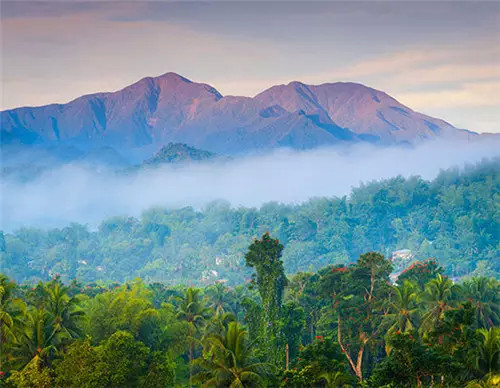
The uniqueness of Blue Mountain coffee is inseparable from its origin—the Blue Mountains in eastern Jamaica. Named for the way the mountain peaks reflect the blue hues of the Caribbean Sea on clear days, the range reaches a maximum elevation of 2,256 meters, making it the highest point in the Caribbean. The area boasts fertile volcanic soil, high humidity, and an average annual rainfall of 1,980 mm, along with year-round cloud cover and a constant temperature of around 27°C, all of which contribute to the delicate and balanced flavor profile of Blue Mountain coffee. Notably, the coffee from this region is not only well-balanced in acidity and bitterness but is also renowned for being almost free of bitterness and having a sweet, lingering aftertaste, making it one of the world’s top-tier coffees.
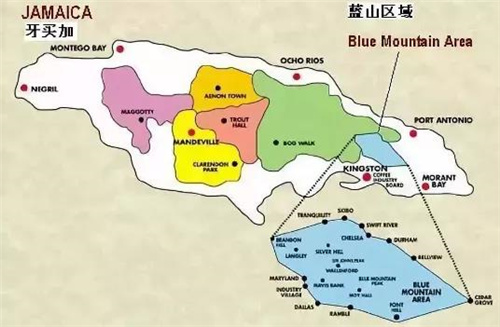
True Blue Mountain coffee is produced only in specific areas of the Blue Mountain range above 666 meters in elevation. According to the regulations of the Jamaica Coffee Industry Board (CIB), only coffee meeting this altitude standard can be labeled as “Jamaican Blue Mountain Coffee.” The growing regions are mainly divided into three core zones: St. Andrew, Portland, and St. Thomas. These areas are home to mostly small-scale family-run farms, some of which have maintained planting traditions for over two hundred years. In addition, coffee grown between 666 and 1,800 meters is classified as “High Mountain Coffee,” which, while slightly inferior to Blue Mountain, remains an excellent alternative; coffee grown outside the Blue Mountain range is collectively referred to as “Jamaican Coffee” and has a distinctly different market positioning from the Blue Mountain series.
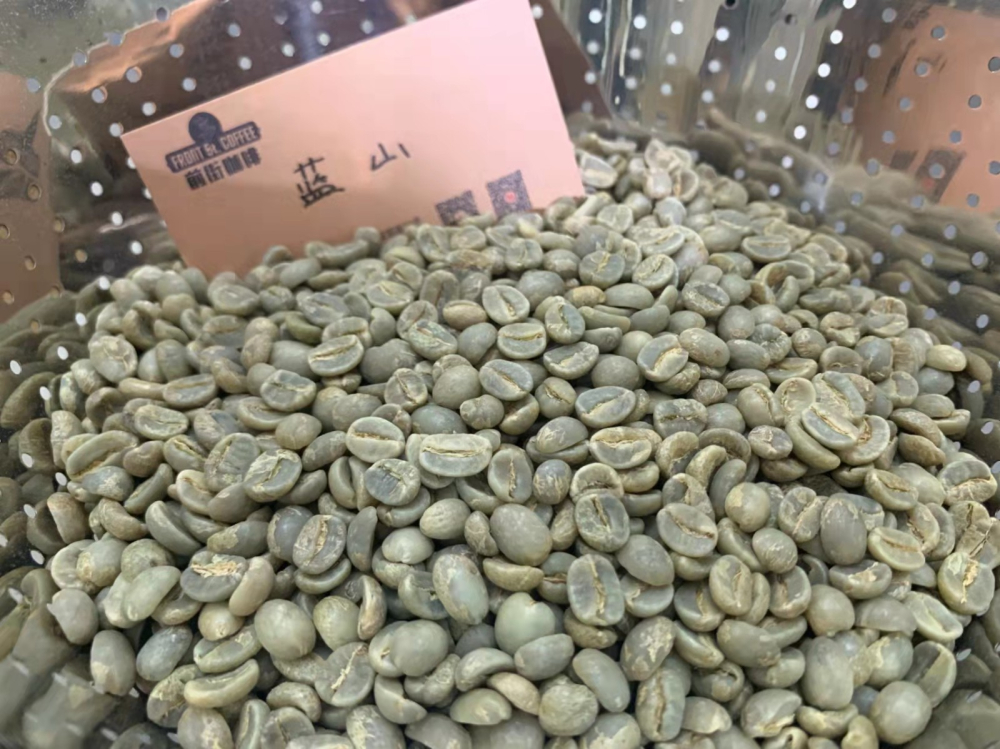
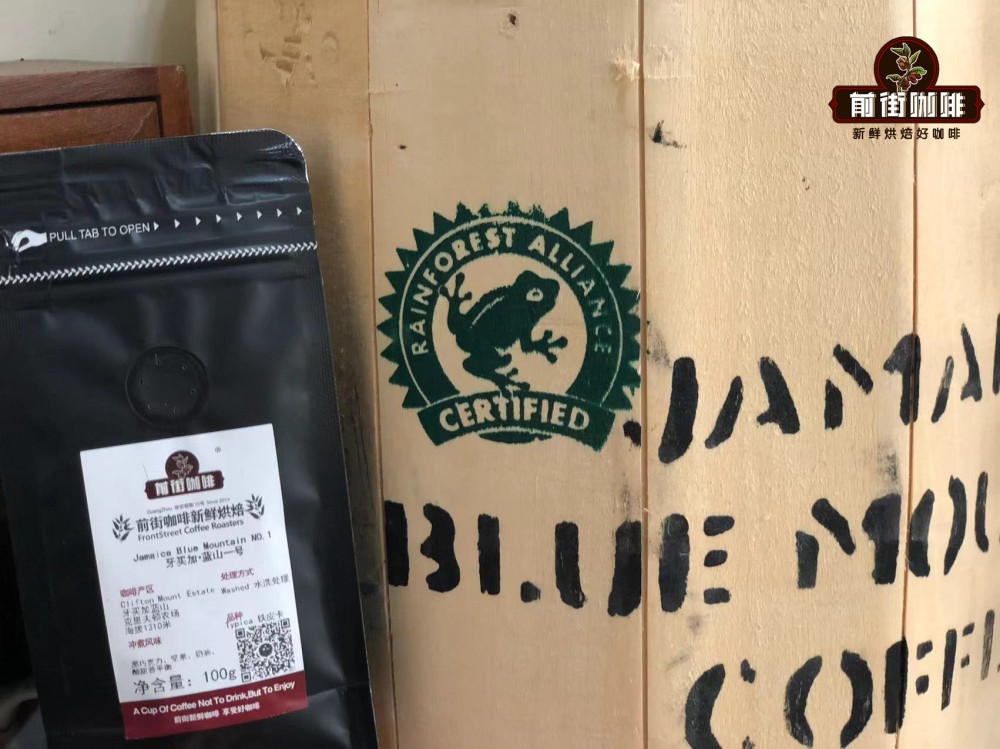
The quality control of Blue Mountain coffee is strictly enforced by the Coffee Industry Board established by the Jamaican government. Since 1950, national quality standards have been set, and official certification stamps are applied to both exported green beans and roasted beans. Consumers can identify authentic products through barrel markings or the six official certification labels (such as Mavis Bank Coffee Factory, Blue Mountain Coffee Cooperative Factory, etc.). Notably, Blue Mountain coffee beans are plump and uniformly sized, mostly bluish-green in color, with a green bean defect rate of less than 2% and a moisture content of about 13%. These are all important parameters for judging high-quality Blue Mountain coffee.
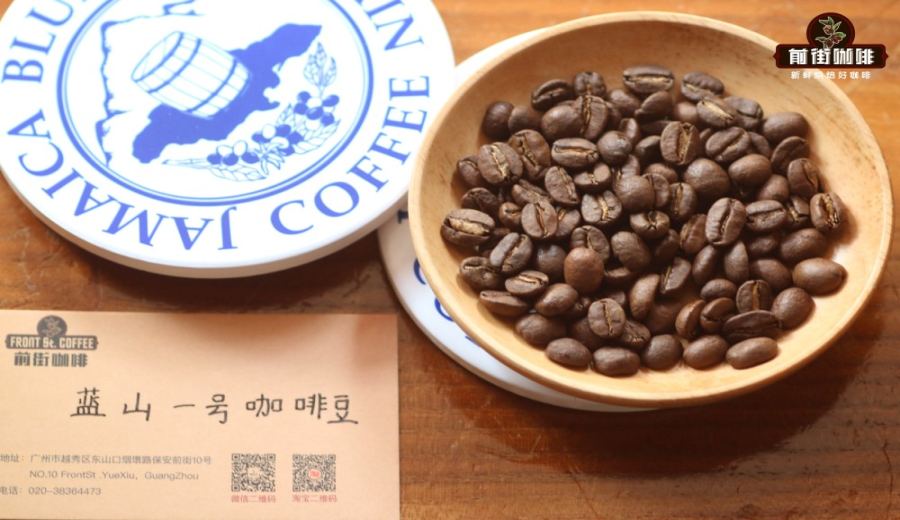
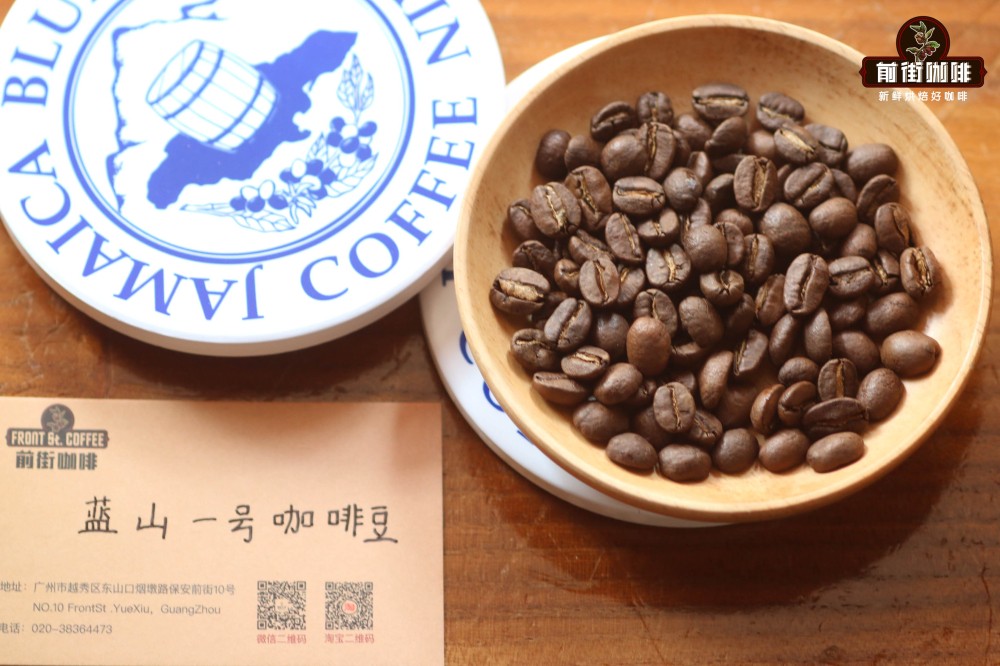
In terms of grading, both Blue Mountain and High Mountain coffee are divided into four grades: NO.1 to NO.4 and PB (peaberry). Among them, NO.1 is the highest quality grade, featuring intact beans and minimal defects. Typica is the main variety of Blue Mountain coffee. This Arabica heirloom variety, with a history of over two hundred years, is known for its pure black chocolate flavor and low resistance to leaf rust. Although most coffee-growing regions around the world have phased out Typica due to the threat of leaf rust, Jamaica’s unique geography and climate conditions allow it to thrive stably here and even evolve stronger disease resistance, particularly showing significantly better resistance to coffee berry disease compared to Typica strains in other regions.
In terms of processing methods, Blue Mountain coffee has traditionally been primarily washed. Starting in 2019, Clifton Estate first introduced a natural batch, offering a new option to the market. Washed processing can more clearly highlight the intrinsic flavors of Blue Mountain coffee, emphasizing a rich, balanced fruit acidity and low bitterness; natural processing, due to prolonged fermentation, may bring richer fermented aromas and sweetness, though the flavor profile is relatively more complex. Regardless of the processing method, coffee cherries must be carefully selected at optimal ripeness, depulped on the same day, and undergo 12 to 18 hours of fermentation, followed by washing and drying to a moisture content of 12%–14%, and finally stored in dedicated silos awaiting roasting.
For brewing, it is recommended to choose freshly harvested green beans within five days post-roast and allow the beans to rest for 4–7 days upon arrival to achieve optimal flavor expression. If purchasing pre-ground coffee powder, use it as soon as possible to minimize oxidation effects. For professional pour over parameters, consider using a Kono filter, a 1:15 coffee-to-water ratio, a grind size passing 75% through a #20 sieve (approximately medium-fine), with water temperature controlled at 88°C. Employ a three-stage pouring method—start with a 30g bloom for 30 seconds, then pour in a small circular motion to 125g and pause, wait until the liquid level drops to the edge of the coffee bed before continuing to pour up to a total of 225g, with a total extraction time of about 2 minutes. This parameter setup aims to balance the rich body and soft fruit acidity of Blue Mountain coffee, avoiding over-extraction that could lead to off-flavors.
In terms of flavor, washed Blue Mountain coffee features black chocolate and nutty notes as the main profile, with a creamy-smooth mouthfeel and an excellent balance of acidity, sweetness, and bitterness. The natural version may carry slight berry-like acidity (such as dark plum or mulberry), intense layers of black chocolate and nuts, along with mild fermented notes, all while maintaining excellent overall balance. Consumers can choose the processing method based on their personal taste preferences. Regardless of the style, true Blue Mountain coffee delivers a delicate and layered tasting experience.
The above content is compiled by CoffeeHunters, a coffee news website.


