







Introduction:Kenyan coffee is renowned for its bright acidity and clean flavor profile, making it one of the most celebrated origins among specialty coffee enthusiasts worldwide. This article delves into Kenya’s coffee-growing environment, historical background, distribution of its ten core producing regions, and provides a detailed explanation of its unique AA grading system and washed processing characteristics. It also offers practical pour over recommendations and parameter settings to help you fully grasp the essence of Kenyan coffee—from flavor to brewing.
Kenyan coffee is known for its clear and vibrant acidity, as well as its rich and full-bodied mouthfeel, making it an irreplaceable representative of specialty beans in the hearts of many coffee lovers. Its distinctive flavor profile stems not only from its exceptional geographical conditions but also from its rigorous grading and processing systems. This article will take you on a journey from the origin of its cultivation all the way to brewing practice, offering a comprehensive understanding of the charm of Kenyan coffee.
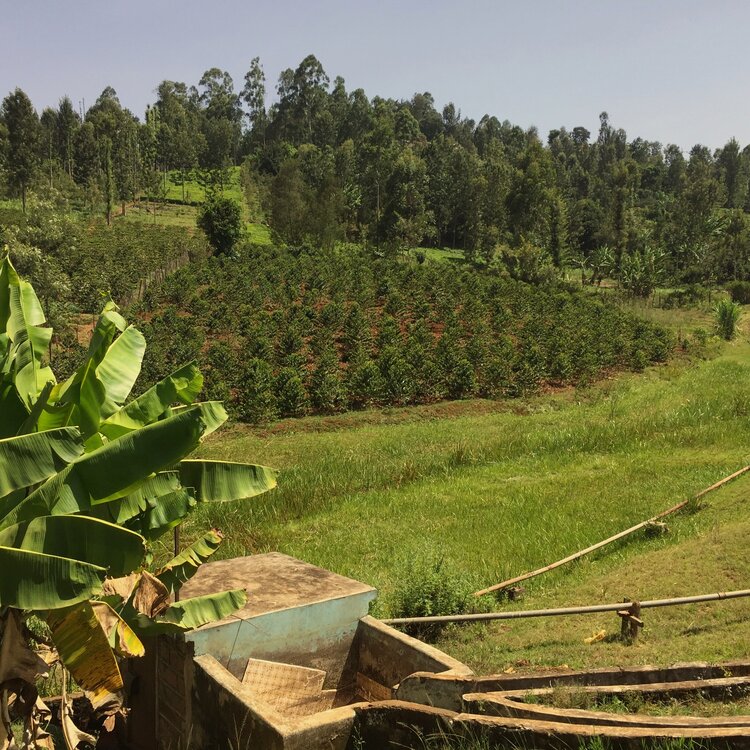
Located in East Africa, Kenya is traversed by the equator, with a terrain dominated by plateaus and an average altitude of 1,500 meters. Its highest peak, Mount Kenya, stands at 5,199 meters and is perpetually snow-capped. The country has a tropical climate with two main rainy seasons each year: from June to August and from October to December, providing ideal humidity and rainfall for coffee growth. Coffee is primarily grown in volcanic soil regions at elevations between 1,600 and 2,100 meters. The high altitude extends the ripening period of coffee cherries, aiding in the accumulation of flavor compounds and contributing to the distinctive solid bean structure and vibrant acidity of Kenyan coffee.
The history of coffee cultivation in Kenya began in the late 19th century. In 1893, missionaries introduced the Bourbon variety from Brazil, and in 1895, the area became a British colony and was designated the “East Africa Protectorate,” with the coffee industry led by the colonial government. Between 1900 and 1933, the Coffee Board was established to promote cultivation and quality management. The first coffee auction was held in 1935, and the Coffee Marketing Board, founded in 1946, ceased operations in 1971. Although Kenya started later than neighboring Ethiopia, it quickly rose to prominence in the global specialty coffee market through its refined grading and processing systems.
Kenya has ten major coffee-producing regions, each with its own distinct characteristics:
Nyeri: Located in central Kenya, it features fertile volcanic red soil and is dominated by smallholder cooperatives. Elevations range from 1,200 to 2,300 meters, and it is the origin of many top-tier Kenyan beans.
Murang’a: Also located in Central Province, it is a densely populated area of smallholders with fertile volcanic soils, at elevations between 1,350 and 1,940 meters. The first missionaries settled here.
Kirinyaga: Neighboring Nyeri, it is also primarily produced by smallholders, with well-regarded factories. Elevations range from 1,300 to 1,900 meters.
Embu: Close to Mount Kenya, about 70% of the population is engaged in smallholder farming. Though production is limited, quality is consistent, at elevations of 1,300 to 1,900 meters.
Meru: Situated at the foothills of Mount Kenya and the Nyambene Hills, the Meru community has had protected planting rights since 1923, at elevations of 1,300 to 1,950 meters.
Kiambu: Known for its large estates, which have gradually diminished with urban expansion. Coffee is often sold under sub-regions such as Thika, Ruiru, and Limuru, at elevations of 1,500 to 2,200 meters.
Machakos: The county has a mix of estates and smallholders, at elevations of 1,400 to 1,850 meters, and is a relatively smaller-producing region.
Nakuru: One of the highest-altitude producing regions in central Kenya, some areas face challenges in plant growth due to dieback disease, at elevations of 1,850 to 2,200 meters.
Kisii: Located in the southwest, near Lake Victoria, it is mostly produced by small cooperatives, at elevations of 1,450 to 1,800 meters.
Kenya’s coffee grading system is extremely rigorous, being one of the refined systems established during the colonial era and still widely used today. It is mainly based on the size, shape, and weight of green beans:
Grade E: Elephant beans, over 18/64 inch in size, including peaberries, and are rare.
Grade AA: 17–18/64 inch, usually considered top-tier beans.
Grade AB: 15–16/64 inch, a blend of Grade A and B beans, and the main export grade.
Grade TT: Light beans sorted from Grade AA and AB via air classification.
Grade PB: Peaberry beans, about 10% of production, over 15/64 inch.
Grade C: 12–14/64 inch and some light beans.
Grade T: Under 12/64 inch, mostly defective or broken beans.
Grade HE: Other unclassified high-grade beans.
Grade UG: Beans that do not meet official standards, further divided into UG1 and UG2.
MBUNI: Natural (sun-dried) processed beans are divided into MH (heavy beans, no defects) and ML (light beans, slight defects).
In addition to the official grading, some exporters also apply unofficial designations such as TOP, PLUS (+), or FAQ to Grade AA and AB beans for further buyer selection.
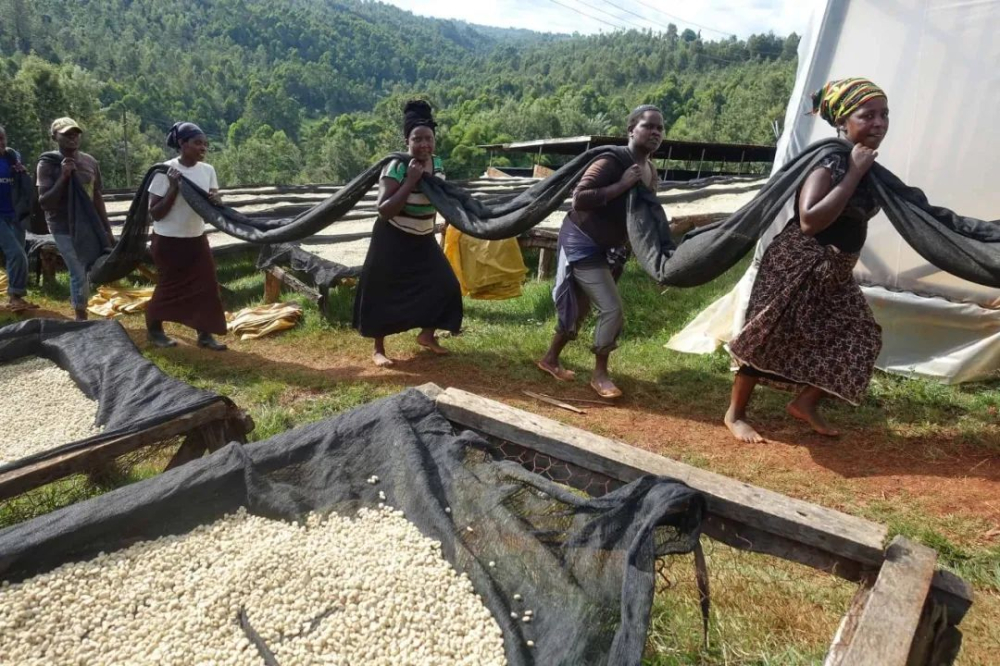
The uniqueness of Kenyan coffee flavors largely stems from its special washed processing method. Unlike the common 36-hour fermentation seen in Central and South America, Kenyan washed processing involves a 72-hour fermentation period, with partial mucilage removed after 30–48 hours, followed by soaking in clean water for another 24 hours. This process is considered one of the keys to achieving Kenyan coffee’s “clean, bright, and vibrant acidity” flavor profile.
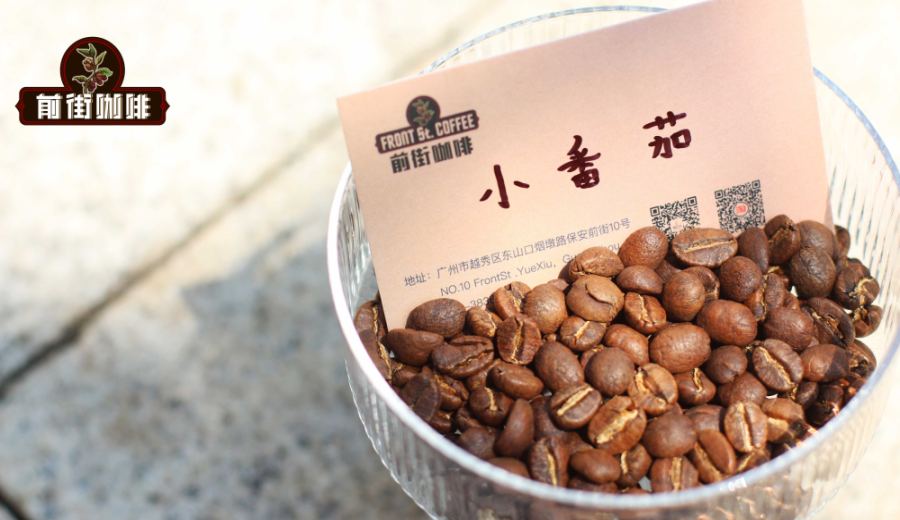
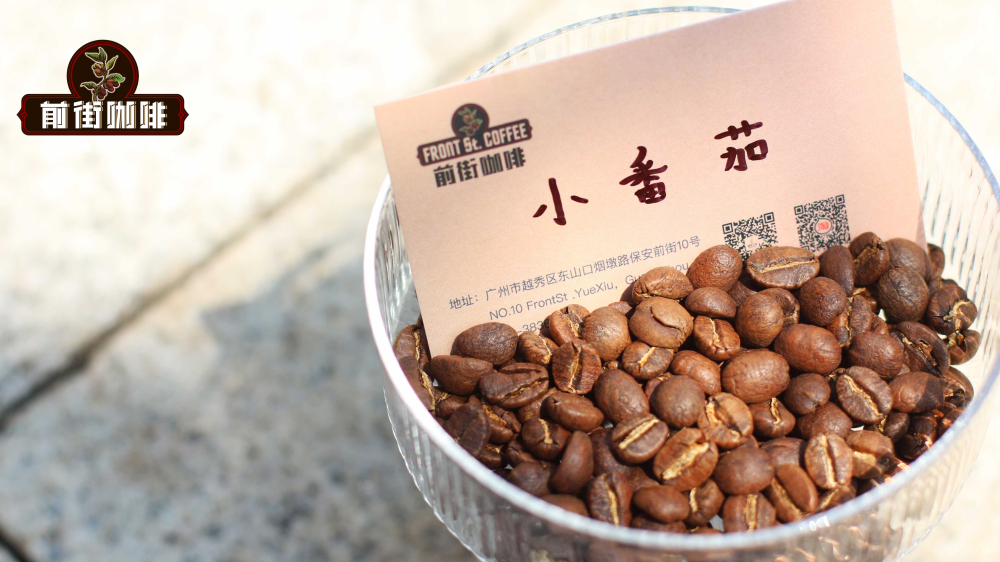
In terms of actual tasting, take the popular “Kenyan Cherry Tomato” as an example. Made from the SL28 and SL34 varieties and processed using the K72 washed method, it often exhibits rich fruit notes such as black plum, cherry tomato, pear, brown sugar, and plum, with a balanced sweet-and-sour profile and distinct layers.
If you’d like to recreate a professional-level Kenyan coffee experience at home, you can refer to the following pour over recommendations:
Coffee Bean Info: Kenya · Cherry Tomato, from Asali Factory in the Thika region, grown at 1,550–1,750 meters, processed via K72 washed method.
Brewing Parameters:
Filter: Hario V60
Dose: 15 grams
Coffee-to-water ratio: 1:15
Water temperature: 90°C
Grind size: EK43s#10 (approximately 80% through a 20-mesh sieve)
Brewing Steps:
1. First pour: add 30 grams of water, bloom for 30 seconds
2. Second pour: add water up to 125 grams, for the first pour segment
3. When the water level is about to expose the coffee bed, third pour: add water up to 225 grams
4. Remove the V60 once dripping is complete; total brew time is approximately 2 minutes
Pay attention to water temperature control and pouring rhythm during brewing—even a 5-second difference is within normal range. Upon tasting, you’ll experience a burst of bright juice-like flavor akin to a cherry tomato, with interwoven notes of black plum and caramel that leave a lasting impression.
The above content is compiled by CoffeeHunters, a coffee news website.


