







Introduction:Sumatran Mandheling is renowned for its low acidity, full body, and distinctive herbal, spicy, and earthy flavor profile, which stems from the interplay between the wet-hulling process and the region’s humid climate. This article delves into the differences between Mandheling from the Lintong and Aceh regions, explores how wet hulling shapes its bold, woody cup character, and provides practical pour over parameters for medium-dark roasted Mandheling to help coffee enthusiasts better appreciate the charm of this classic bean.
Mandheling coffee is the most iconic offering from Sumatra, Indonesia, known for its rich, bold body, low acidity, and pronounced herbal, spicy, and earthy notes. It is a favorite among fans of intense flavors, though its unique profile may not appeal to all palates. These distinctive characteristics are closely tied to the “wet-hulling process” developed in Sumatra’s unique geographical environment.
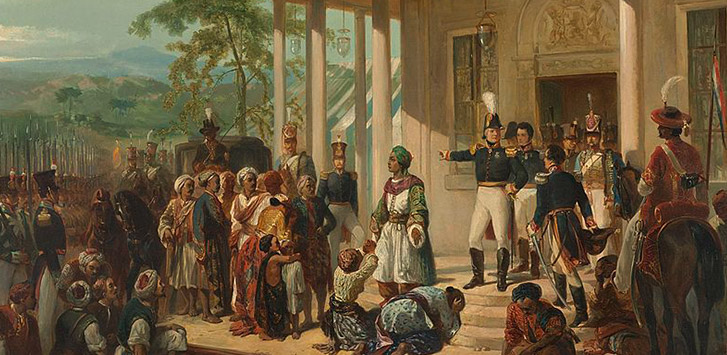
To understand the flavor logic behind Mandheling, let’s revisit the history of coffee in Indonesia. From the late 17th to early 18th century, the Dutch began cultivating coffee in their colonies to reduce reliance on Mocha port coffee. They first chose West Java, and by 1726, the Dutch controlled approximately 50% to 75% of global coffee trade. Sumatra, particularly the Lintong region near Lake Toba, gradually became one of Indonesia’s key coffee-producing areas due to its climate and terrain.
Sumatra’s humid, rainy climate and high air moisture pose challenges for post-harvest coffee processing. Traditional sun drying is difficult to control here, as beans are prone to spoilage from rain exposure or over-fermentation. While the washed method preserves bright acidity, it requires significant water and equipment—often impractical for local small-scale processing mills. As a result, the region developed the unique “wet-hulling process,” a compromise that balances efficiency with distinctive flavor characteristics.
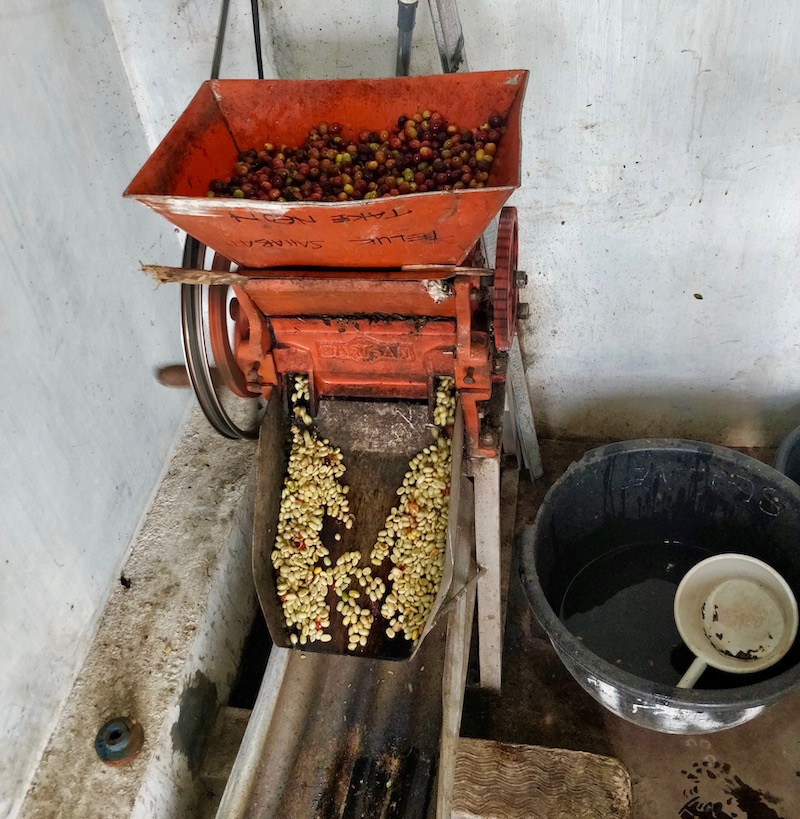
In the wet-hulling process, harvested coffee cherries are first depulped to remove the outer skin and fruit flesh. The mucilage-covered parchment beans undergo brief water fermentation. Some mills skip fermentation entirely, instead spreading the parchment beans evenly to reduce acidity and enhance body. Once the parchment reaches a semi-dry state, a hulling machine prematurely removes the protective parchment layer, exposing the green beans directly to sunlight for faster drying.
Early removal of the parchment layer helps accelerate moisture reduction but also has side effects. Due to Sumatra’s high humidity, excessive friction during drying can generate high heat, altering the beans’ flavor and resulting in pronounced woody, earthy, or even astringent and funky notes in the cup. Yet, these “distinctive flavors” are precisely what many coffee aficionados associate with the classic Mandheling profile.
When discussing Sumatran Mandheling, two major regions often come up: Lintong and Aceh. Lintong, located near Lake Toba, is traditionally considered the core Mandheling-producing area. Aceh, on the other hand, is the primary coffee-growing belt in North Sumatra, with actual production far exceeding that of Lintong. Though their terroirs differ slightly, both regions showcase Sumatra coffee’s shared traits: low acidity, full body, and lingering spicy and earthy notes.
In the market, Sumatran Mandheling is commonly categorized into “everyday-grade” and “premium single-origin” types. The former is typically processed via wet hulling, such as certain brands’ entry-level bean series, offering consumers an affordable way to experience Sumatra’s classic flavors. Though these beans undergo minimal manual sorting, medium-dark roasting still highlights their robust body and low acidity, making them suitable for daily drinking or beginners exploring bold flavors.
For premium offerings, none surpass “Golden Mandheling.” Produced by PWN and meticulously selected, each batch of Golden Mandheling meets G1 grade standards. The selection process requires beans to be 18+ mesh size, with no more than 3 defects per 300-gram sample, followed by three rounds of hand-picking to ensure cleanliness and enhanced sweetness. Compared to regular Mandheling, Golden Mandheling boasts clearer flavors, more restrained woody and earthy notes, and a more pronounced sweetness and body.
Traditional Sumatran Mandheling, often medium-dark roasted, features subdued acidity but intense body and deep spicy, herbal undertones. For home brewers aiming to replicate café-quality flavors, try these parameters: use a KONO filter, maintain a water temperature of 88°C, use about 15 grams of coffee, a 1:15 coffee-to-water ratio, and grind to around 70% extraction through a #20 Chinese sieve (medium-fine), balancing extraction while avoiding excessive bitterness.
Since freshly roasted beans contain high CO₂ levels that disrupt early extraction, start with a 30-second bloom using 30 grams of water and a slow, centered stream. Then, slowly pour in circles from the center out to 125 grams. When the water level nearly exposes the coffee bed, pour again to reach a total of 225 grams. Aim for a total brew time of around 2 minutes to achieve a balanced, full-bodied Mandheling with Sumatra’s classic earthy and spicy finish.
The above content is compiled by CoffeeHunters, a coffee news website.


