








Introduction:Colombia is the world’s second-largest producer of Arabica coffee, but its coffee-growing history did not originate locally. This article will delve into how coffee was introduced to Colombia in the early 18th century by missionaries, gradually developed into one of the world’s major coffee-exporting nations, and analyze the rise of smallholder farming after the Thousand Days' War and the key establishment process of the FNC association—helping readers understand the coffee story and developmental trajectory behind this classic origin.
Colombian coffee is renowned worldwide for its balanced flavor and high quality, making it the world’s second-largest Arabica producer after Brazil. However, this crop, now beloved by global consumers, originally did not come from Colombia. Historical records indicate that coffee seeds first arrived in South America aboard Spanish missionaries’ ships in the early 18th century, with some seeds brought to what is now Colombian territory.
A travel account written by Spanish Jesuit missionary José Gumilla mentions that in 1730, he saw existing coffee plantations in the Orinoco River basin. This record indirectly confirms that people in Colombia had already begun attempting to cultivate coffee before 1730. Although these early coffee plantings were sporadic, they laid the foundation for the future industry.

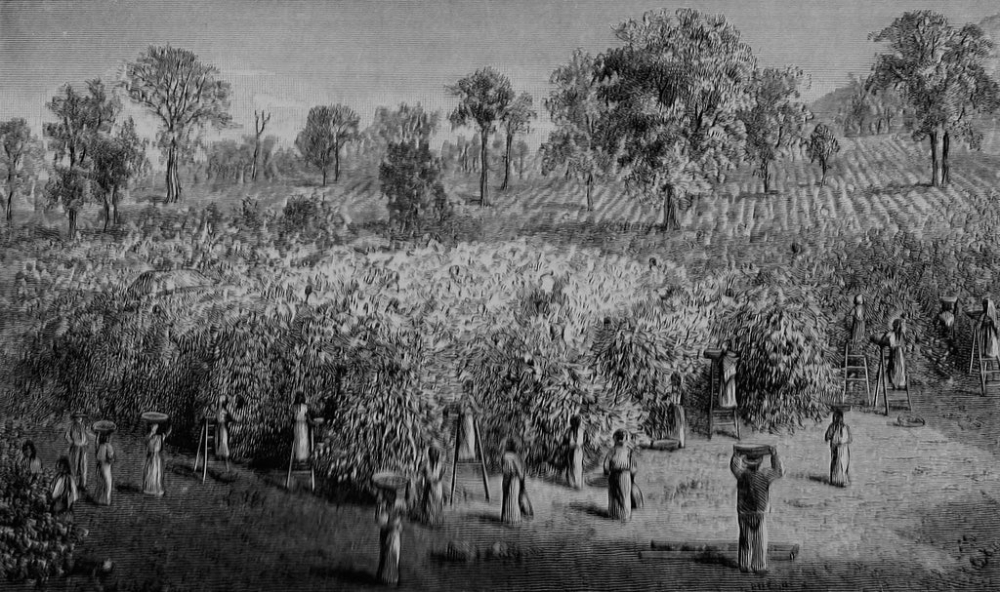
By the late 19th century, as cultivation techniques matured and market demand rose, coffee became an important cash crop and source of foreign exchange for Colombia. However, the Thousand Days' War (1899–1902) severely damaged the domestic economy. Many large coffee plantations were abandoned due to the conflict, leaving land neglected. To revive the coffee industry, the Colombian government redistributed these unmanaged plots, selling them at low prices to landless or smallholding farmers, and encouraged them to grow coffee, often intercropped with other crops—thus forming the later industry hallmark dominated by smallholders.
Colombia’s coffee industry structure is based on numerous small family farms, a model that is highly resilient and able to flexibly respond to fluctuations in international market prices. However, in the early 20th century, Colombian coffee had not yet established a significant presence in the global market, until a series of industry organizations were formed, gradually changing this situation.
In 1904, local coffee growers established the “Coffee Producers Institution,” dedicated to stabilizing the domestic market. Subsequently, in 1920, to further protect the interests of small farm owners, some proposed the creation of a national coordinating organization. These efforts eventually led to the founding of the “Colombian Federation of Coffee Growers” (FNC, Federación Nacional de Cafeteros de Colombia) in 1927.
The establishment of the FNC was a milestone in Colombia’s coffee industry. The association not only promoted improvements in coffee quality and international marketing, but also provided technical guidance, market information, financial support, and infrastructure improvements, offering comprehensive support to coffee farmers. Thanks to its efforts, Colombia gradually became one of the world’s top three coffee exporting countries and successfully shaped a global market image of the origin as “clean, balanced, and high-quality.”
To this day, Colombian coffee remains a classic favorite among many coffee enthusiasts. Its flavor is characterized by a rich dark chocolate base, complemented by gentle acidity, showcasing the unique terroir qualities of the region. In the eyes of many coffee professionals, Colombia’s washed beans, in particular, can clearly express the origin’s distinctive flavor profile, making them an ideal choice for beginners seeking to understand regional characteristics.
Colombia has many coffee-growing regions, among which the Huila region is long regarded as the country’s specialty coffee hub due to its high altitude and diverse microclimates. Through the washed processing method, coffee from this area achieves a rich and layered taste profile, not only retaining the depth of dark chocolate but also featuring delicate acidity and aroma, earning widespread favor among global buyers and roasters.
In summary, the development of Colombian coffee—from its introduction by missionaries, through post-Thousand Days' War industry reconstruction, to international promotion following the establishment of the FNC—has been full of challenges and innovation. This history not only shaped today’s Colombian coffee industry landscape, but also brought global consumers numerous classic coffee experiences that are both uniquely flavorful and consistently high-quality.
The above content is compiled by CoffeeHunters, a coffee news website.


