







Introduction:To successfully extract a well-balanced espresso at home, mastering the coffee-to-water ratio, grind size, and extraction time are the three key elements. This article will delve into the practical application of the standard 1:2 coffee-to-liquid ratio, helping you understand how to adjust grind fineness to control flow rate, precisely manage the ideal extraction time of around 30 seconds, and explore how the roast level of coffee beans affects the final flavor—empowering you to easily elevate your home coffee quality.
Brewing a well-balanced espresso at home actually only requires mastering three core elements: how much coffee powder to use, how much liquid to extract, and how fine the coffee should be ground. The most common reference ratio is a 1:2 coffee-to-water ratio, meaning a single shot typically uses about 9 grams of coffee powder to extract 18 grams of thick coffee liquid; a double shot uses 18 grams of powder, aiming to produce 36 grams of coffee liquid. However, in actual practice, it’s recommended to fine-tune according to personal taste to find the ratio that suits you best.
In addition to the amount of coffee and the weight of the extracted liquid,grind sizeis also a critical factor in determining the success of extraction. The fineness or coarseness directly affects how quickly water flows through. If the flow is too fast, it may indicate the grind is too coarse and needs to be adjusted finer; conversely, if the flow is too slow and the dripping takes too long, the coffee powder should be ground slightly coarser. The goal is to have the overall extraction time fall within the ideal range. Additionally, don’t overlook the roast level of the coffee beans—in general,beans roasted to medium-dark or darker levelsare better able to deliver a balanced and full-bodied taste.
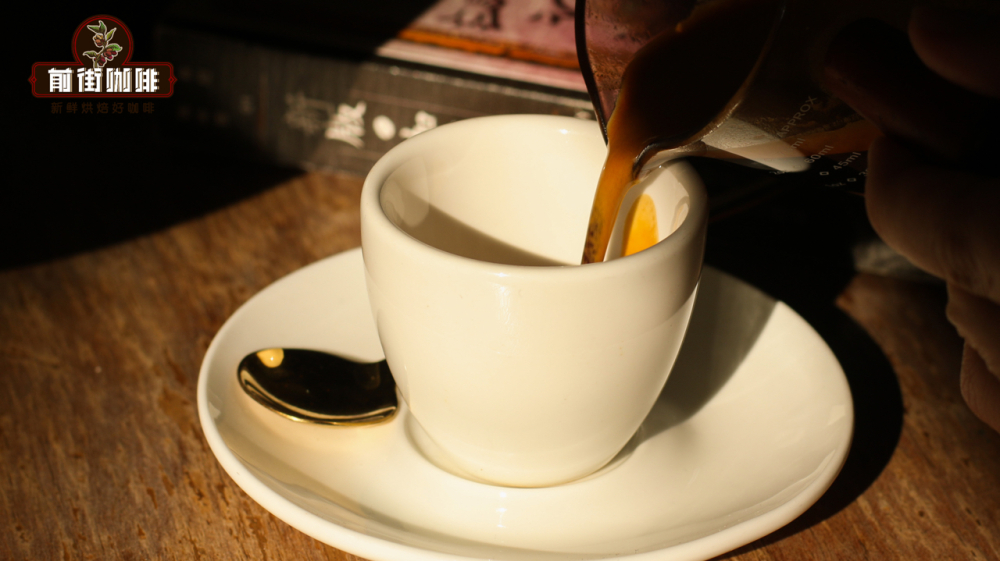
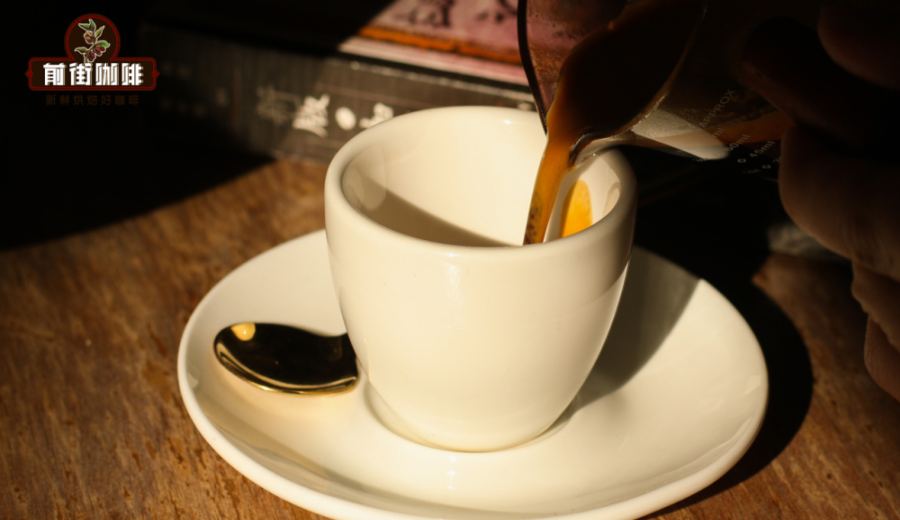
So, what exactly is an espresso? Simply put, espresso is made using an espresso machine under high temperature and high pressure, where hot water rapidly passes through a layer of extremely finely ground coffee to extract a small cup of coffee that is rich, thick, and packed with crema and intense aroma. Due to the high-pressure extraction, the flavors in this cup of coffee are highly concentrated, with acidity, sweetness, bitterness, saltiness, and umami all striking the taste buds directly and vividly.
Precisely because of this, although a single shot of espresso is small in volume, it serves as the foundation for many coffee beverages. Whether it’s a refreshing iced Americano, a latte with its velvety milk foam, or a smooth and silky flat white, they are all based on espresso and then mixed with varying proportions of milk or other ingredients. This also means that the quality of an espresso often determines the final outcome of the entire drink, so mastering the extraction technique is crucial.
A special reminder:light-roasted coffee beans usually contain higher levels of acidic compounds, and under high-pressure concentrated extraction, these acidic components can become even more concentrated, easily resulting in overly sharp acidity that affects the overall flavor harmony. Therefore, it is recommended to prioritize usingmedium-dark or darker roasted beans, which not only bring a rounder mouthfeel but also help stabilize the overall flavor profile, reducing the risk of excessive sourness or burnt bitterness.
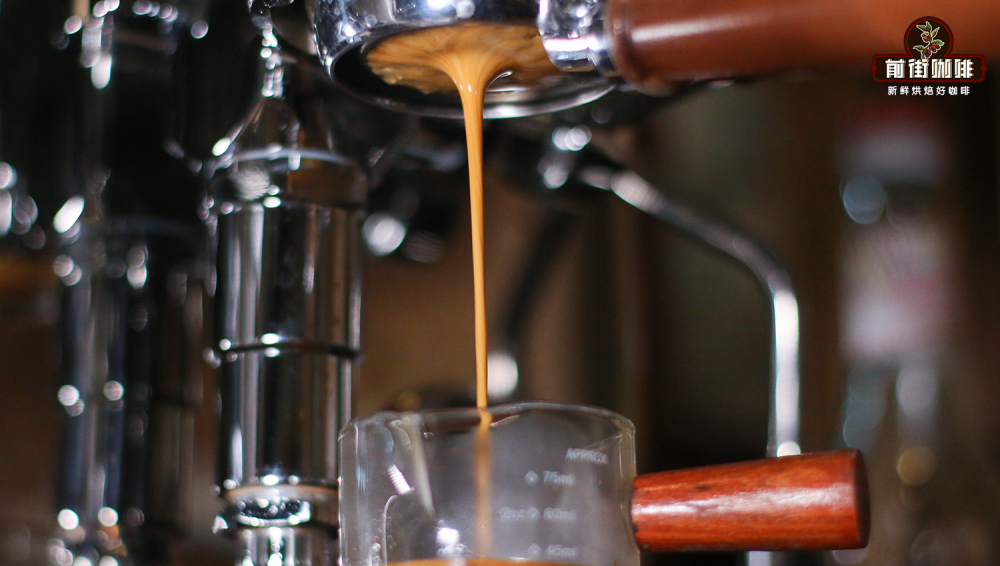
The extraction parameters for espresso are not set in stone—they can vary depending on factors such as the type of coffee bean, grind condition, ambient temperature and humidity, etc. First, let’s look atthe coffee-to-water ratio, which refers to the weight ratio of the coffee powder used to the final weight of the extracted coffee liquid. The commonly used range falls between 1:1.5 and 1:2.5, and the most classic and widely favored ratio is 1:2. For example, using 20 grams of coffee powder, the goal is to extract 40 grams of coffee liquid.
If you feel the coffee flavor is too light or the aftertaste isn’t long-lasting enough, you can try increasing the ratio, i.e., extracting more liquid with the same amount of coffee powder; conversely, if the coffee tastes overly bitter or burnt, it may be over-extracted, and it’s advisable to reduce the liquid weight and lower the coffee-to-water ratio. It’s worth noting that the amount of coffee powder usually depends on the capacity of your portafilter basket—for instance, a common double basket holds about 20 grams, and you can make slight adjustments based on the actual situation.
Next is the adjustment ofgrind fineness, which directly influences the flow rate of the coffee. A simple guideline for judgment is: if the coffee drips too quickly, it means the flow rate is too fast, and you should grind the coffee finer to increase resistance to the water flow; if the dripping is too slow, or if there are signs of channeling or over-extraction, you should make the grind slightly coarser to speed up the flow. The goal is usually to achieve an extraction time between 25 and 30 seconds, which often results in a more balanced extraction.
Since espresso grinding is much finer than pour over, it’s important not to make too large an adjustment in grind size each time to avoid introducing too many variables that could destabilize the extraction. It’s recommended to make only small incremental changes and observe changes in flavor and flow rate, gradually finding the most suitable settings. Many coffee enthusiasts have found in practice that using about 20 grams of coffee powder, extracting 40 grams of coffee liquid with a 1:2 ratio, and controlling the time to around 30 seconds under 9 bar pressure is a relatively universal and beginner-friendly parameter combination, suitable for daily reference and practice.
The above content is compiled by CoffeeHunters, a coffee news website.


