







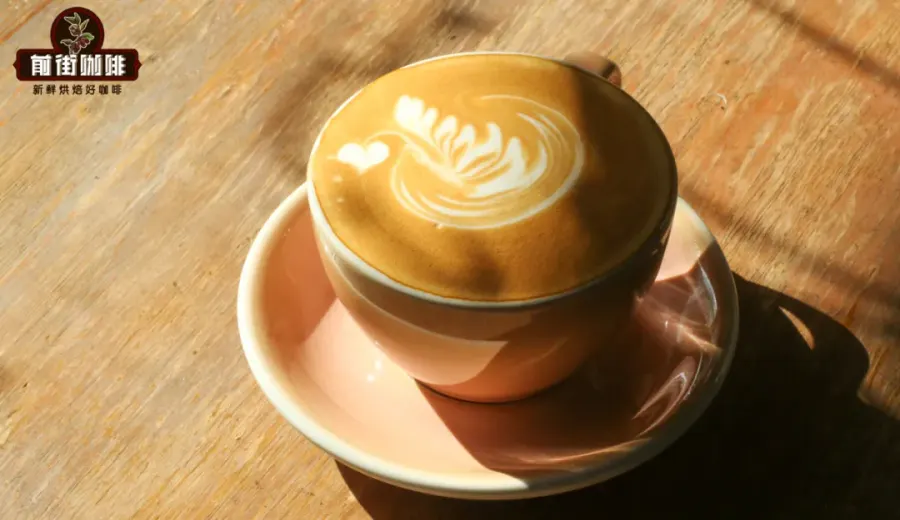
Introduction:Latte is not just coffee with milk—it has a history that dates back to 19th-century Italy and evolved into a mainstream beverage in the United States. This article explores the origins of the Italian word "Latte," traces how latte evolved from a household breakfast drink to a globally popular specialty coffee, and delves into milk selection, microfoam control, and ratio balancing to uncover the secrets behind a great latte.
Latte (Latte) is a classic combination of espresso and milk, but the story behind it is far richer than it seems. Many people mistakenly assume all "lattes" contain coffee, yet drinks like matcha latte, red velvet latte, and others often contain no coffee at all. Why does the word "latte" refer both to milk and to a coffee beverage? It all starts with the Italian word "Latte."
What is the original meaning of "Latte"?In Italy, saying "Latte" alone refers to hot milk, not coffee. The full name for a latte coffee is "Caffè Latte," which means "coffee with milk" and is a type of specialty coffee. This drink is typically enjoyed in the morning and is a common item on Italian breakfast tables. In Italian kitchens, it’s common to see coffee and milk being heated together early in the morning. For many Italians, they prefer the smooth texture of milk, while espresso provides that unforgettable flavor base.
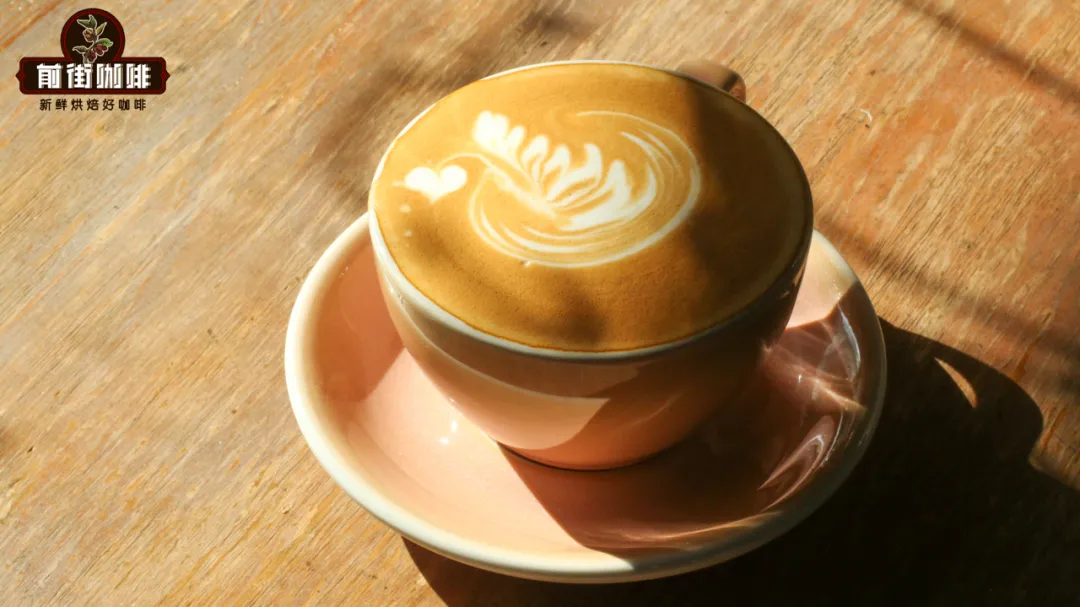
However, as the name "latte" spread around the world, many "latte" drinks without coffee also emerged, such as matcha latte, hojicha latte, and Ovaltine latte. This has left many consumers puzzled: why does something called a "latte" not contain coffee? This is actually related to the etymology and historical evolution of the word "Latte."
"Latte" originates from Italian, meaning milk. As early as the mid-19th century, the words "Caffè" (coffee) and "Latte" (milk) were already included in Italian dictionaries, but they were not yet combined into "Caffè Latte." It wasn’t until 1867 that American writer William Dean Howells, in his book "Italian Journeys," first described this milk-and-coffee mixture as "Caffe e latte." However, at that time, espresso machines were not yet widespread, and the so-called "Caffe e latte" was simply regular espresso with added milk, far from the familiar version we know today.
The real transformation occurred in mid-20th century America. At that time, a large number of Italian immigrants brought coffee machines to the U.S. to open shops, but Americans were not accustomed to the high intensity of traditional espresso, so cafes began adjusting the recipe. It is said that the first café to serve a coffee drink with a large amount of milk was Caffe Mediterraneum in California. They increased the proportion of milk based on the traditional cappuccino, using the sweetness of milk to soften the bitterness of espresso, making the drink more accessible to the public. This new drink was initially listed on the menu as "Caffè e latte," or "milk coffee."
As this coffee drink gained popularity, the name was gradually simplified to "Latte." Since the 1980s, in the U.S. and around the world, "Latte" has almost become synonymous with "espresso-based coffee with a lot of milk." Even back in Italy, when tourists order a "Latte," they no longer just get a cup of hot milk, but rather a "Caffè Latte."
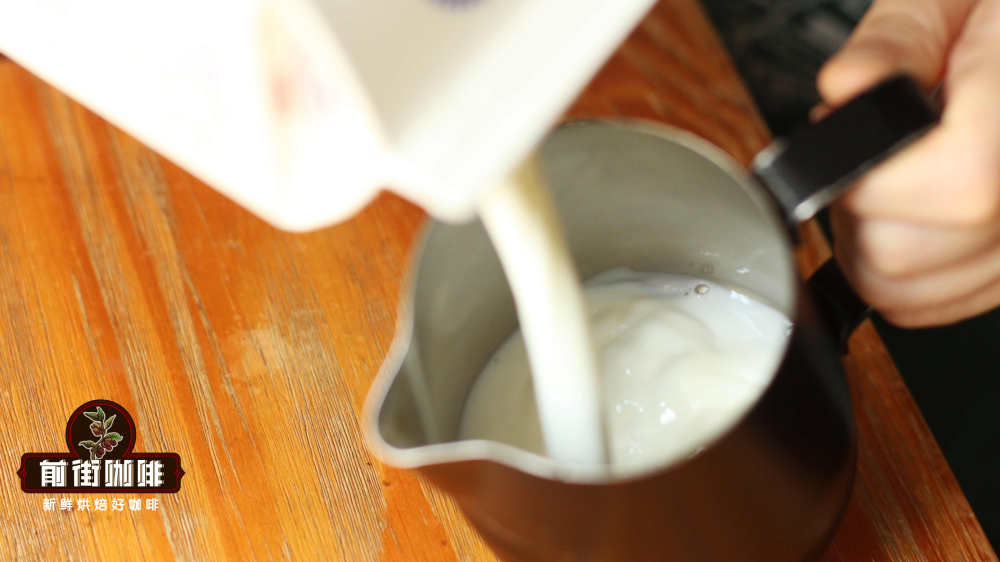
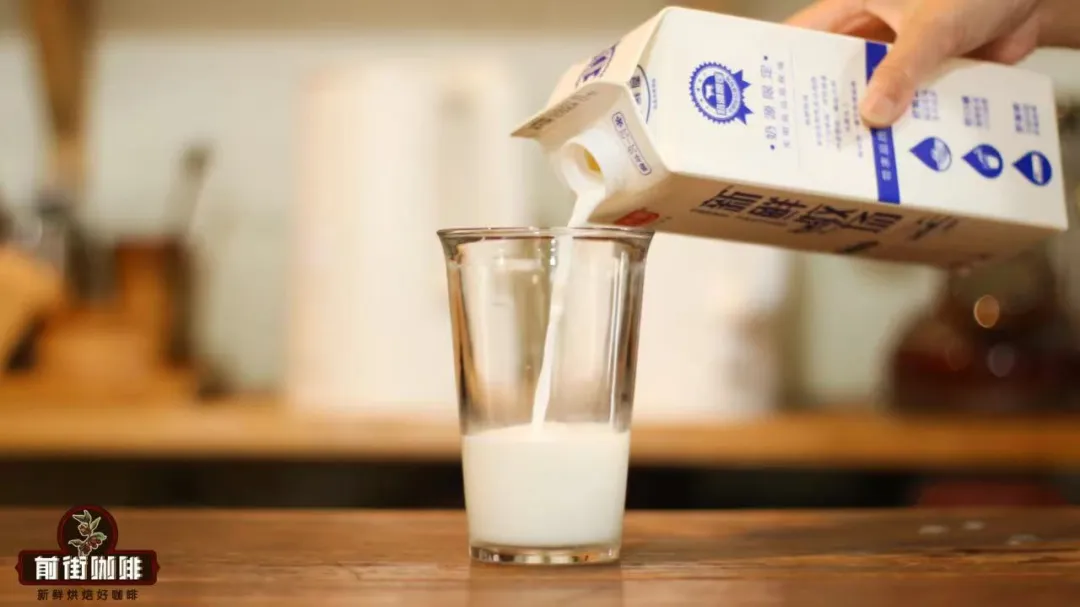
So, what are the key elements to making a great-tasting latte? First is the choice of milk. There are many types of whole fresh milk on the market, each differing in milk aroma, texture, and creaminess. The ideal milk should not be overly strong or too weak, but should achieve balance with the coffee. An overly heavy milk flavor may mask the delicate notes of the coffee, while milk that’s too watery can make the overall taste thin.
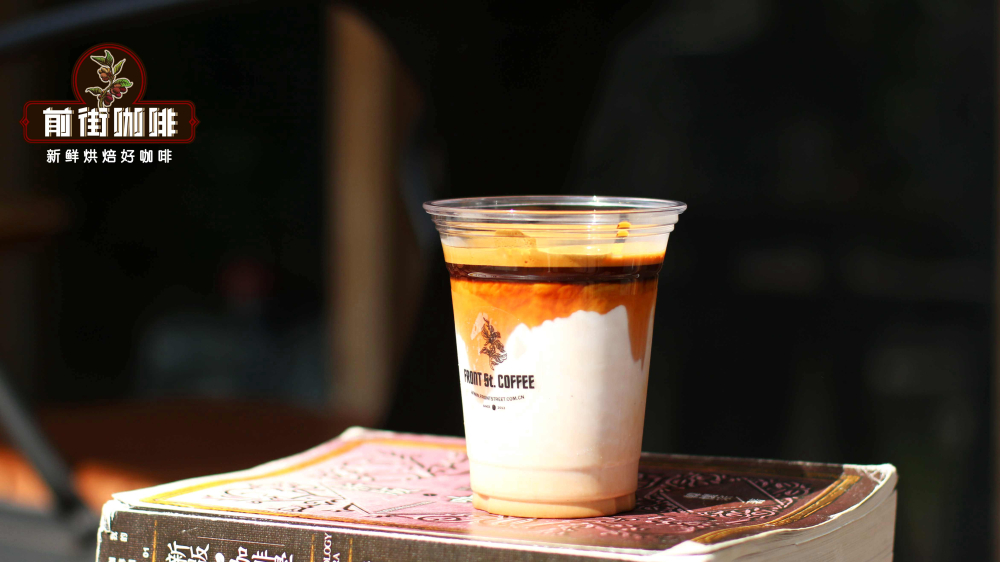
In professional preparation, the ratio of espresso to milk is crucial. A common hot latte recipe consists of35 grams of espresso liquidpaired with250 milliliters of fresh milk, which can also be adjusted with ice to make an iced latte as needed. This ratio is for reference only, and actual preparation should be fine-tuned according to customer preferences and coffee characteristics. Additionally, the texture of the coffee crema during espresso extraction is also key to the overall flavor.
To achieve fine and stable crema, it is recommended to use a pressure-based espresso machine and select medium-dark roasted blends. Blends suitable for lattes usually include Arabica beans from regions like Brazil and Colombia, and sometimes a small amount of Robusta beans is added to enhance the richness and aroma layers of the crema. For example, some blends mix about10% Robusta beans, which not only increases the crema but also enhances caramel, nut, and dark chocolate flavors, resulting in a richer and more balanced overall taste.
It’s worth noting that the freshness of coffee beans directly affects crema performance. Freshly roasted beans contain a lot of carbon dioxide, which can impact the fluidity and stability of the crema. Therefore, it is recommended to let the beans degas for about 5 to 7 days before use. The optimal roast date for beans used in espresso is between7 and 45 days. Such beans not only have rich crema but also achieve the best integration with milk, making latte art patterns more stable and aesthetically pleasing.
In summary, an outstanding latte relies not only on the correct ratio and equipment but also on the selection of ingredients and attention to detail. From the classic pairing on Italian breakfast tables to the American-modified specialty coffee that took the world by storm, the evolution of latte reflects not only the blending of food cultures but also the infinite possibilities of coffee flavors. Understanding these backgrounds and techniques allows you to better appreciate the depth and charm of a latte.
The above content is compiled by CoffeeHunters, a coffee news website.


