








Introduction:Green Mountain Coffee and Blue Mountain Coffee are often mistakenly thought to be related, but in fact, their positioning and origins are worlds apart. Green Mountain is an affordable instant coffee brand from the United States, primarily known for its Keurig machines and K-Cup system; Blue Mountain, on the other hand, is a premium coffee grown in the highlands of Jamaica, categorized into several grades, with Blue Mountain No. 1 being the top-tier representative. This article details the background, pricing, and grade differences between the two, and provides brewing recommendations and parameters for Blue Mountain No. 1 pour over, helping you make informed choices and brew it well.
Many people’s impression of “Green Mountain Coffee” and “Blue Mountain Coffee” may stem from a misunderstanding in a TV drama. In the show, someone brings back what they call “Green Mountain Coffee” from the United States, only to be corrected that it’s “Blue Mountain, not Green Mountain,” leading to a series of misunderstandings and even the belief that Green Mountain is a cheap imitation of Blue Mountain. But in reality, Green Mountain Coffee is a real American brand and has no connection whatsoever to Blue Mountain Coffee.
Green Mountain Coffee, or more precisely, the company Keurig Green Mountain, was founded in 1981 in Vermont, USA. The brand’s most famous product is the Keurig single-serve coffee maker and K-Cup system. This combination successfully penetrated the North American office market, allowing busy professionals to quickly enjoy a freshly brewed cup of coffee. There’s no need for manual grinding, weighing, or cleaning the machine—just insert a K-Cup, and in just a few seconds, you can enjoy a hot cup of black coffee.
The design of the K-Cup takes convenience into account: each cup is individually packaged to ensure freshness and standardized flavor, while also greatly reducing the hassle of cleaning up coffee grounds. Green Mountain Coffee itself focuses on affordable, high-quality Arabica beans. Its machines are priced affordably, at around $100 or more, and are actually sold at or even below cost price, with the main profit coming from the K-Cups. A pack of 24 K-Cups typically sells for about $12, averaging just $0.50 per cup, making it a popular choice with over 3 million cups consumed daily by North American households and offices.
At the same time, the Green Mountain brand adopts an open licensing model, allowing other beverage brands to produce compatible K-Cups, for which it charges a 6-cent licensing fee per cup. This business model has made Green Mountain the leader in the North American instant coffee market, but its international recognition, especially in Asia, is relatively limited, which is why it is often mistaken for a knockoff of Blue Mountain Coffee.
So, what exactly is Blue Mountain Coffee? Why is it so expensive, and why is it often misunderstood as being “only available in Japan”? In fact, Blue Mountain Coffee is produced in the Blue Mountains of Jamaica and is globally recognized as one of the finest Arabica coffees, particularly the Blue Mountain No. 1. Its high price is closely tied to historical supply and demand factors. Before the 1960s, Jamaican Blue Mountain Coffee had already garnered international attention, but after being hit by a hurricane in 1969, the local industry suffered. Japanese UCC Corporation assisted by introducing scientific cultivation techniques and providing financial aid. In return, the Jamaican government signed a 30-year contract to allocate 90% of its high-quality Blue Mountain beans to the Japanese market, with only 10% distributed to other regions such as Europe and the United States.
This contract wasn’t terminated until much later, and with global economic changes, coupled with a weakened Japanese consumer market and Jamaican coffee farmers’ desire for autonomous pricing, the price of Blue Mountain Coffee began to rise. Currently, Japan’s procurement share has dropped to below 60%. Nowadays, general consumers can also purchase Jamaican Blue Mountain Coffee directly through import channels, no longer restricted to specific markets. For example, a supplier offers Blue Mountain No. 1 in 100g packs for about 158 RMB, with a single pour over cup costing around 60 RMB—an affordable and reasonable price point.
Blue Mountain No. 1 is the highest grade within the Blue Mountain growing region, representing the pinnacle of Jamaican coffee quality. Based on factors such as bean size, appearance, defect rate, moisture content, and cupping performance, the Coffee Industry Board (CIB) classifies Blue Mountain Coffee into four grades: Blue Mountain No. 1, Blue Mountain No. 2, Blue Mountain No. 3, and Blue Mountain Peaberry. Among these, Blue Mountain No. 1 is the top tier, requiring beans to be 17 mesh or larger, with a defect rate below 3%, moisture content maintained at around 13%, and cupping notes that showcase rich aroma, smooth and balanced flavor, low acidity, and lingering sweetness. Jamaica also insists on using handmade wooden barrels to transport green beans to prevent moisture damage, which has become one of the hallmarks of Blue Mountain Coffee.
In terms of roasting and brewing methods, Blue Mountain No. 1 emphasizes showcasing its natural flavor characteristics. Some retailers recommend a medium-dark roast, which highlights the chocolatey and nutty aromas while preserving the gentle acidity and sugary sweetness, achieving an optimal balance of flavors. As for brewing, pour over black coffee is the preferred method, allowing you to experience its delicate and multi-layered taste profile most directly.
Some cafés recommend the following pour over parameters: use a KONO filter, control water temperature at 88°C, maintain a coffee-to-water ratio of 1:15, use 15 grams of coffee grounds, and grind to approximately EK43s setting 10.5 (equivalent to 75% extraction through a #20 sieve). Begin with a 30-second bloom using 30 grams of water, then pour in a small, circular motion centered around the grounds until reaching 125 grams for the first pour. Once the water level drops, continue pouring to 225 grams, then remove the filter once dripping is complete. The KONO filter design helps enhance extraction concentration and body, making it well-suited for beans like Blue Mountain that emphasize balanced detail.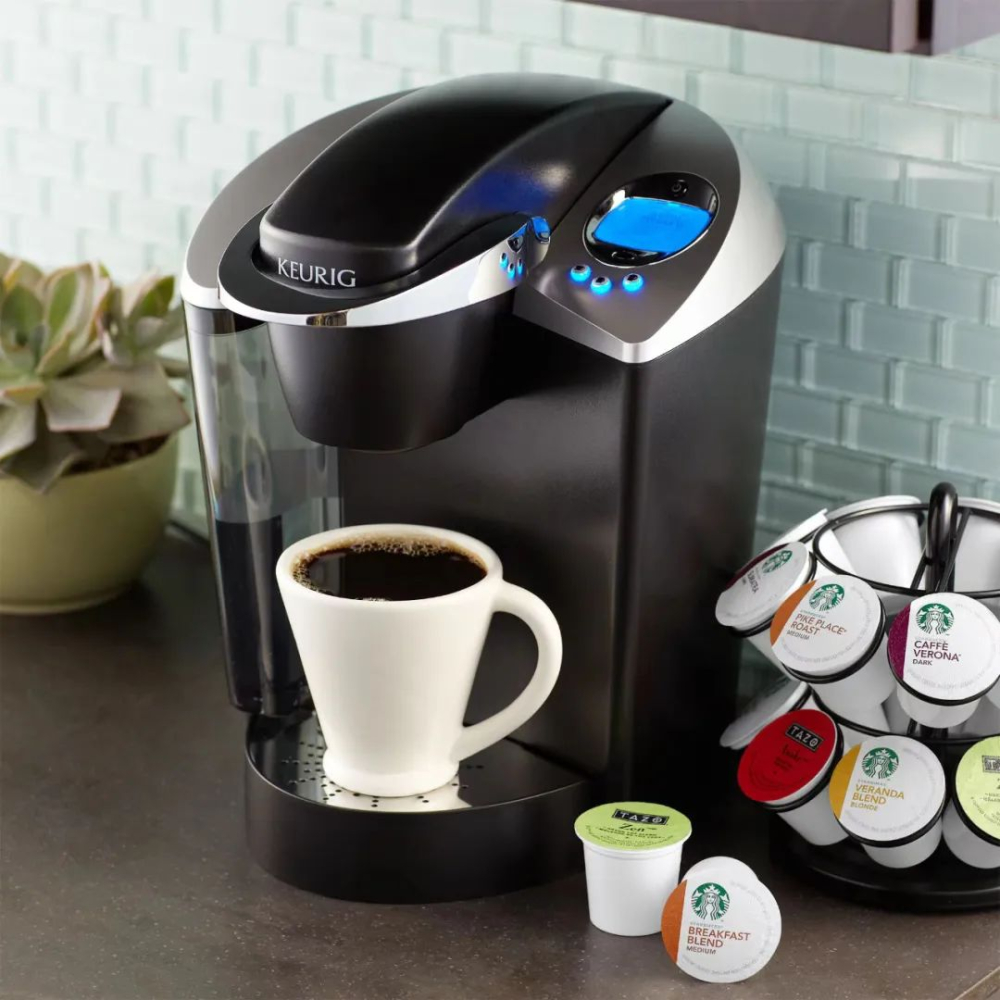
The flavor profile of Blue Mountain No. 1 coffee is characterized by the richness of dark chocolate, caramel sweetness, and a gentle, elegant acidity. The overall mouthfeel is smooth, rich, and layered—a classic choice for experiencing true Blue Mountain flavor. If you’re new to high-quality Arabica, Blue Mountain No. 1, with its low caffeine content and refined taste, is also an excellent entry-level option.
The above content is compiled by CoffeeHunters, a coffee news website.


