







Introduction:Typica is one of the oldest and most classic varieties within Arabica coffee. Not only is it the genetic source of Jamaica Blue Mountain coffee, but it has also influenced renowned growing regions such as Hawaii Kona. This article delves into the origins, plant characteristics, and cultivation challenges of Typica, analyzes the unique flavor profile and terroir of Blue Mountain coffee, and offers practical medium-dark roast pour over parameters to help you fully grasp this elegant yet finicky classic coffee.
Typica is regarded as one of the most representative and ancient varieties within the Arabica family. It not only gave birth to world-class coffees like Jamaica Blue Mountain, but also serves as the foundational genetic base for well-known regions such as Hawaii Kona. This coffee is celebrated for its bright and clean acidity, layered sweetness, and elegant balance. However, due to its demanding growing conditions, low yield, and susceptibility to diseases, cultivating Typica poses significant challenges. In the following, we’ll start from its origins, explore its plant traits and cultivation difficulties, provide an in-depth understanding of the deep connection between Typica and Blue Mountain coffee, and share practical pour over parameters to help you better appreciate this classic variety.
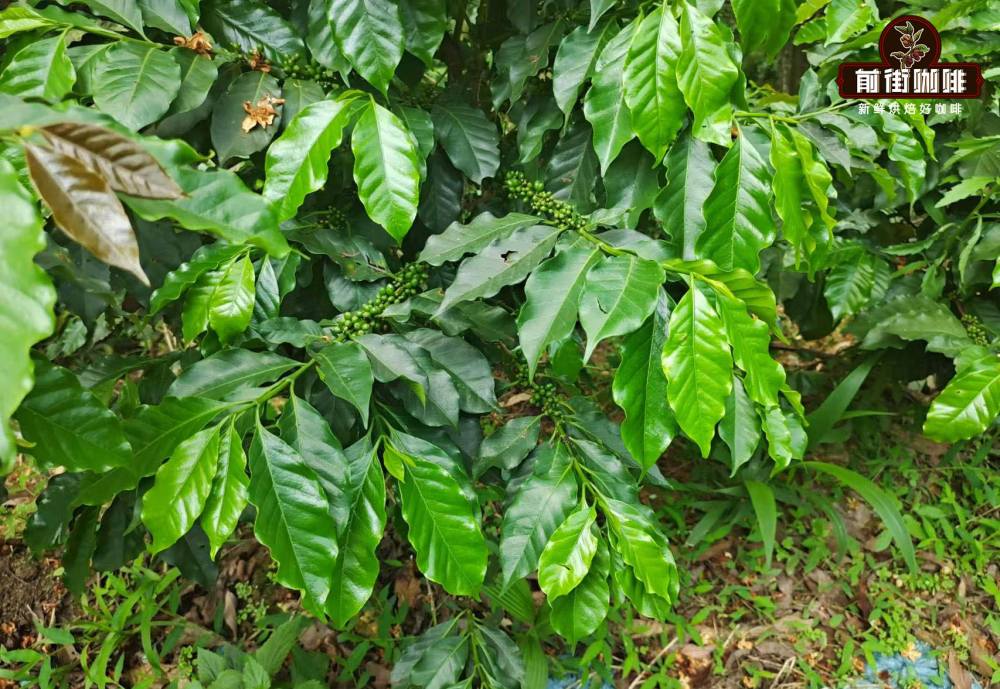
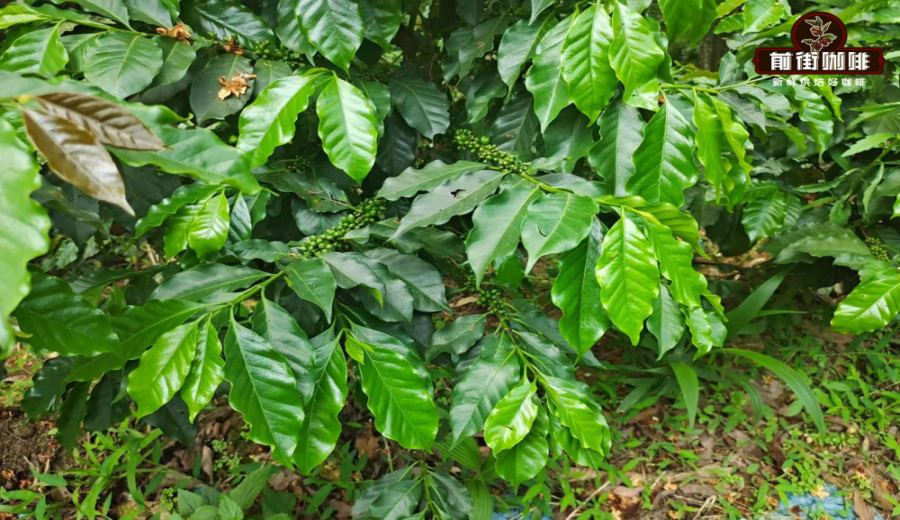
The appearance and growth characteristics of Typica coffee trees differ greatly from those of commonly seen commercial coffee varieties. It is a tall-growing plant, capable of reaching up to about 5 meters (approximately 16.5 feet) when mature. The tree has a naturally conical shape, with side branches typically forming angles of 50 to 70 degrees with the main trunk. The branches are slender and slightly drooping. Its young leaves at the top initially display a distinctive bronze color, which is quite recognizable. The coffee cherries it produces are slender in shape, tapering at both ends, resembling a miniature egg, with relatively large bean size and an overall very elegant appearance.
In terms of flavor, Typica often exhibits pronounced citrus-like acidity—clear and not overly sharp—followed by a naturally sweet aftertaste. It is hailed by many coffee enthusiasts as "the most elegant representation of Arabica flavors." However, behind this charming flavor lie numerous challenges. Due to its tree height and branch structure, harvesting is extremely labor-intensive and time-consuming. Additionally, Typica has relatively low disease resistance—it is almost defenseless against common diseases like leaf rust and coffee berry disease—and its individual plant yield is relatively low. As a result, it has gradually been replaced by more disease-resistant varieties in modern commercial cultivation. To grow Typica with outstanding flavor, not only does it require high altitude and meticulously managed environments, but also considerable effort—this is one of the reasons why Blue Mountain Typica is so precious.
The origin of Typica can be traced back to southwestern Ethiopia in Africa. It is believed that between the 15th and 16th centuries, through human collection and trade, it spread from its place of origin to Yemen, and then gradually dispersed across the world along religious pilgrimage and trade routes. Interestingly, the first coffee trees introduced to China’s Yunnan region were Typica seeds brought by French missionaries, though later, in pursuit of higher yields, most were replaced with high-yield varieties like Catimor.
Typica has extremely strict requirements for its growing environment. It must be planted in frost-free high-altitude regions. The significant diurnal temperature variation at high altitudes helps slow down fruit ripening, thereby allowing more flavor compounds and aromatic components to accumulate. Ideal cultivation environments also require ample rainfall, moderate sunlight, and fertile soil that is loose and well-drained. These conditions limit the planting areas for Typica, making it a relatively "delicate" variety. The reason why Jamaica Blue Mountain coffee, a famous origin, can exhibit such delicate and rich aromas lies not only in the dedication of growers but more crucially in the area's unique geographical and climatic advantages.
An important chapter in Typica’s global dissemination occurred in the early 18th century. In 1720, French naval officer Gabriel Mathieu de Clieu braved hardships to bring Typica seedlings to Martinique in the Caribbean, initiating the cultivation of this variety in the Americas. Subsequently, in 1725, Jamaica’s British governor imported 7,000 Typica seedlings from Martinique and planted them in the Blue Mountains. After over two hundred years of natural acclimatization and selective breeding, Blue Mountain Typica gradually developed stronger disease resistance—especially against the region’s common Coffee Berry Disease—giving it an advantage that ordinary Typica varieties could hardly match.
In the 20th century, Typica was also introduced to places like Papua New Guinea, Kenya, and Indonesia’s Sulawesi. Growers hoped to replicate the sweet and delicate flavor profile of Blue Mountain coffee. Although premium Typica from certain regions did exhibit elegant aromas and taste, none could reach the top-tier quality of Blue Mountain coffee. Among the Typica series offered by a certain well-known brand, the most acclaimed is Jamaica Blue Mountain No.1 coffee beans, known for their full aroma and balanced flavor, regarded as the “pinnacle” of performance. Additionally, the same brand also cultivates a product in Yunnan called “Brand 2013,” using select high-quality Typica, which is also widely loved by coffee enthusiasts.
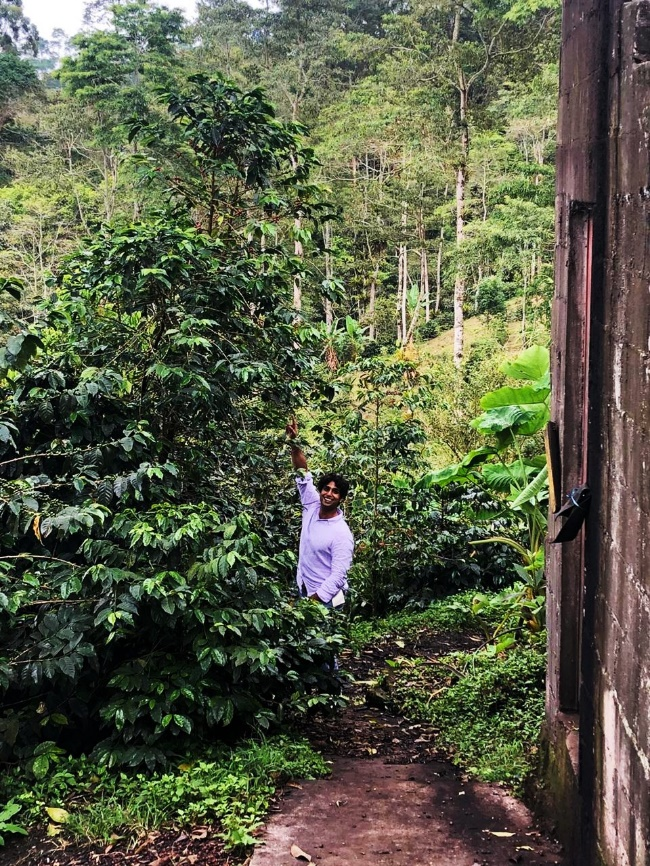
Blue Mountain coffee’s status as a synonym for world-class coffee is not only due to the genetic advantages of the variety itself, but also closely tied to its unique growing environment. The Blue Mountains are surrounded by the sea, featuring a typical island-type tropical rainforest climate. The rainy season brings concentrated yet well-drained precipitation, and the surrounding active volcanic belts contribute fertile volcanic ash soil, providing excellent nutrients for coffee tree growth. The area enjoys ample sunlight but remains cool, with year-round light mist cover and moderate temperatures at high altitudes—ideal conditions for coffee trees. Many farmers also intercrop coffee trees with banana trees to provide shade and additional nutrients.
According to regulations by the Coffee Industry Board (CIB), the governing body of the Blue Mountain coffee region, only Typica coffee grown at elevations between 910 and 1,700 meters within specific zones of the Blue Mountain range qualifies as “Blue Mountain Coffee.” This designated area covers approximately 6,000 hectares. The high altitude combined with stable climatic conditions allows the coffee cherries to ripen slowly, accumulating richer aromatic compounds—the higher the elevation, the better the flavor performance tends to be. However, precisely because Typica has low disease resistance, small individual yields, and the steep terrain of the Blue Mountains makes harvesting and management difficult, the annual output of coffee beans meeting Blue Mountain standards is extremely limited. Statistics show it accounts for less than 15% of Jamaica’s total production, roughly around 900 tons. After harvest, the fresh coffee cherries are quickly sent to processing facilities, where they undergo the washed method to remove pulp and skin, followed by meticulous drying processes.
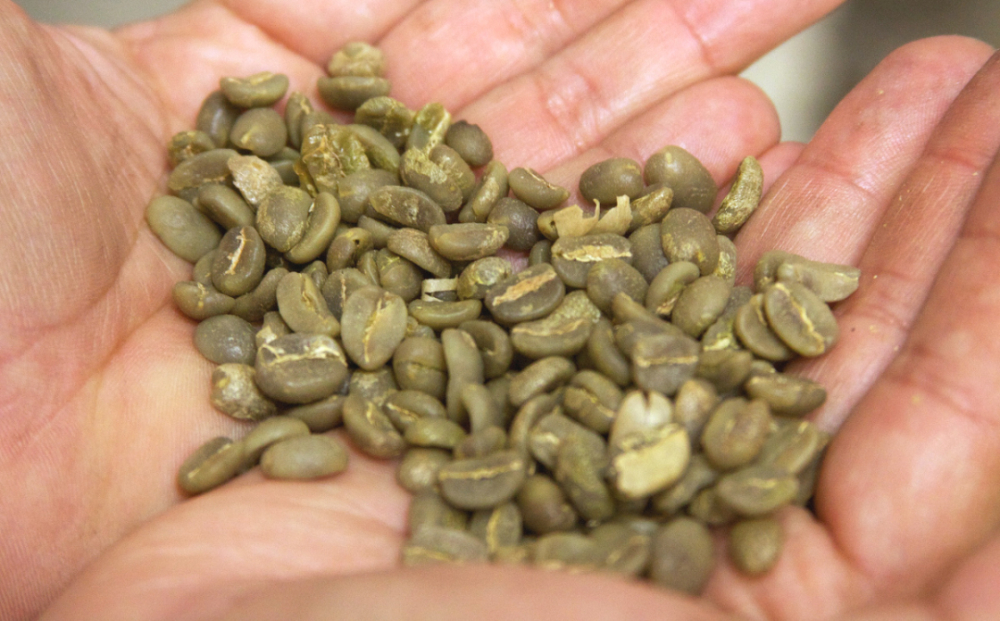
Upon receiving the Jamaica Blue Mountain No.1 green beans, the brand observed plump and uniform beans with a shiny bluish-green appearance—a hallmark of high-quality Typica. To highlight its rich chocolate and nutty aromas while preserving the soft acidity and sweetness, the brand opted for a medium-dark roast to achieve a more balanced overall flavor. Freshly roasted beans are delivered to consumers within 5 days to ensure optimal freshness. Next, we also provide practical pour over parameters so you can experience the delicate flavors of Blue Mountain coffee at home.
The brand recommends using a KONO filter cone for pour over with medium-dark roast coffee. Its smooth upper curve design allows the filter paper to adhere more tightly. Compared to the V60, the KONO’s immersion-focused extraction method enhances the overall richness and body of the coffee. If you don’t have a KONO, you may also choose a Kalita wave-style dripper or fabric brewers like a French press with slower flow rates, all of which can still showcase the delicate layers of Blue Mountain coffee.
Considering that medium-dark roast beans have a relatively loose internal structure and high water absorption efficiency, to avoid over-extraction, it’s recommended to use a grind size with about 75% passing rate through a standard 20-mesh sieve—roughly similar in texture to coarse sugar—and extract with water at 88°C. The brand recommends a classic three-pour method, with the following specific parameters: water temperature 88°C, grind size comparable to coarse sugar (20-mesh sieve passing rate 75%), coffee dosage 15 grams, coffee-to-water ratio 1:15, total extraction time around 2 minutes.
The detailed steps are as follows: First, perform a 30-second bloom with 30 grams of water; then proceed to the second pour, steadily adding water up to around 125 grams, with a smooth and even circular pouring motion recommended; once the water level drops halfway, proceed to the final pour, adding water up to 225 grams. Once all the coffee liquid has dripped through, the extraction is complete. This method fully highlights the layers and aromas of Blue Mountain coffee, allowing you to enjoy a professional-grade flavor experience at home.
When brewed at higher temperatures, the brand’s Jamaica Blue Mountain No.1 coffee delivers a bold black chocolate aroma, paired with a rich mouthfeel and distinct almond aftertaste. As the temperature cools, the flavors shift to roasted hazelnut and creamy buttery sweetness, accompanied by soft acidity and caramel notes. The overall aroma lingers beautifully, offering an unforgettable classic coffee experience.
The above content is compiled by CoffeeHunters, a coffee news website.


