







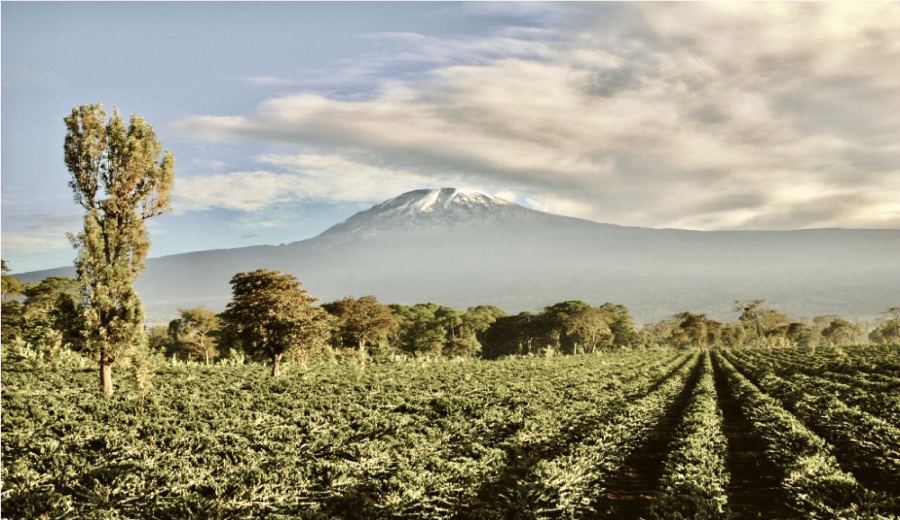
Introduction:Tanzania Kilimanjaro AA coffee is hailed as the "Coffee Gentleman," boasting a mild fruity acidity, rich body, and intense aroma. This Bourbon variety from the African highlands, processed through the washed method, showcases delicate citrus and berry notes. This article delves into its regional characteristics, varietal genetics, processing methods, grading system, and offers practical medium-light roasting profiles and V60 three-stage pour-over recommendations to help you master this classic African coffee that differs greatly in flavor from Kenyan beans.
Tanzania Kilimanjaro coffee enjoys the prestigious title of "Coffee Gentleman." Its charm lies in its full-bodied taste, gentle yet layered acidity, and complex aroma. This Grade AA Bourbon variety from the African highlands, after undergoing washed processing, reveals bright citrus and berry fruit tones with a balanced sweet-and-sour profile, along with distinctive African flavor characteristics. The key to understanding this bean lies in a deep analysis of its growing environment, varietal traits, processing methods, and how to achieve optimal flavor expression through appropriate roasting and extraction techniques.
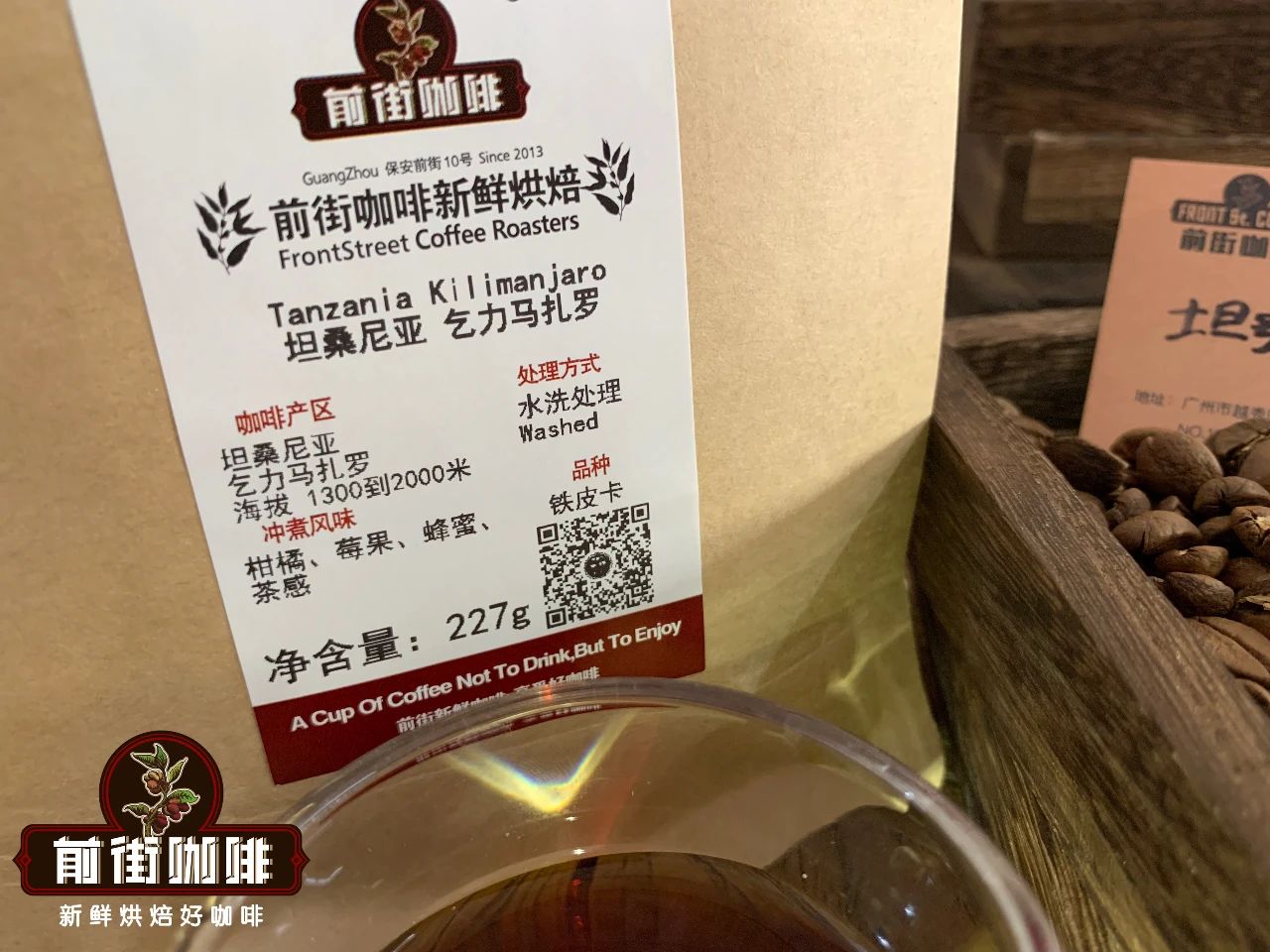
This highly acclaimed coffee bean comes from the Kilimanjaro volcanic region in northern Tanzania. After multiple cuppings and roasting adjustments, a well-known coffee brand established a medium-light roasting curve that highlights its unique features, and designed V60 dripper-specific three-stage pour-over parameters, allowing you to easily recreate a professional-grade tasting experience at home.
Tanzanian coffee is locally referred to as kahawa. This East African country has a long history of coffee cultivation, spanning a total area of 250,000 hectares. Mount Kilimanjaro, Africa’s highest peak, provides ideal growing conditions in its surrounding high-altitude regions. The coffee here not only boasts a rich aroma but is also esteemed for its full-bodied texture and moderate acidity, earning it the reputation of possessing the character of a "Coffee Gentleman."
Compared to the bright acidity of neighboring Kenya’s coffee, Tanzanian coffee exhibits a gentler and smoother profile, coupled with abundant sweetness and distinct red wine-like aromatic notes. Although its international fame is slightly less prominent, its annual production rivals that of Kenya, reaching around 50,000 tons. Notably, Tanzanian coffee beans are packaged in unique agave fiber bags—a regulation specifically mandated by the local government to protect the domestic sisal industry.

In terms of varietal selection, Tanzania primarily grows three classic Arabica varieties: Bourbon, Typica, and Kent. The Kilimanjaro AA coffee introduced in this article is made from the Bourbon variety. Bourbon coffee originated in Yemen, and its name comes from the island where it was first planted—Bourbon Island (present-day Réunion). This variety typically produces small, round coffee cherries with high-density flesh and seeds, capable of developing flavors with high sweetness and bright acidity.
Red Bourbon is the most common type within the Bourbon variety. Its cherries transition from green to dark red during ripening. This variety generally performs better in high-altitude environments, exhibiting richer aromatic layers and brighter acidity, sometimes even showcasing complex flavors reminiscent of red wine. The Tanzania Kilimanjaro coffee used by a certain well-known brand is precisely this highly regarded Red Bourbon variety.
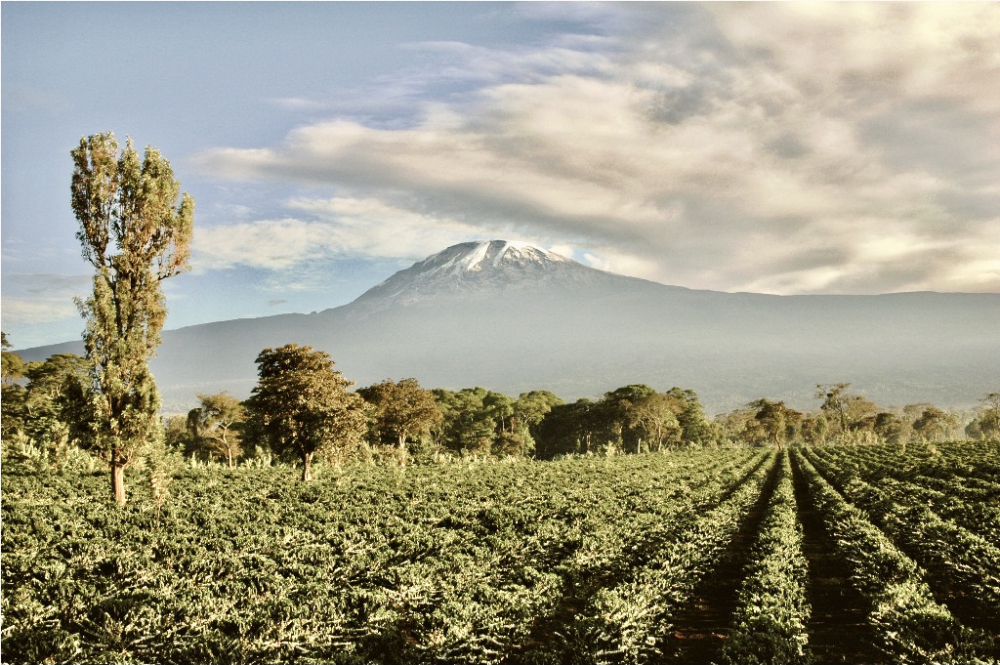
The Kilimanjaro mountain region is one of Tanzania’s most important coffee-growing areas. Africa’s highest peak, standing at 5,895 meters, provides an ideal growing environment in its surrounding high-altitude zones of 1,150 to 1,500 meters. The fertile volcanic soil imparts a thick texture and soft acidity to the coffee beans here, creating the quintessential characteristics of African coffee.
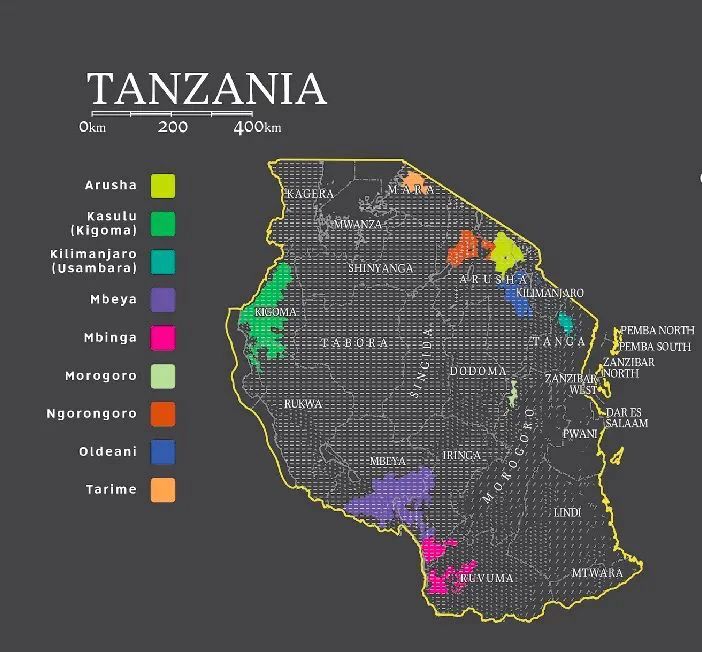
Tanzania’s coffee-growing regions are mainly divided into the northern foothills of Mount Kilimanjaro, including well-known areas like Moshi and Mbeya, and the southern Ruvuma River basin, particularly the Songea-Ruvuma region. The Arusha region, adjacent to the Kilimanjaro highlands, sits at elevations between 1,100 and 1,800 meters, primarily cultivating Kent, Bourbon, and Typica varieties, with a harvest season from July to December each year.
The Ruvuma region is located in the southernmost part of Tanzania. While coffee cultivation here has great potential, development has been slow due to past funding limitations. However, coffee produced in the Mbingo area is considered to have high-quality potential. This region lies at elevations between 1,200 and 1,800 meters, with a harvest season from June to October, primarily growing Kent, Bourbon, and Bourbon-derived N5 and N39 varieties.
Tanzania’s coffee industry structure differs from that of many African countries. Currently, over 85% of coffee is grown by smallholder farmers, many of whom organize into cooperatives for collective management. The most significant of these cooperatives is the Kilimanjaro Native Cooperative Union (KNCU). Coffee sales are mainly conducted through the Tanzania Coffee Board (TCMB), which handles auctions or direct transactions.
In terms of processing methods, Tanzanian coffee primarily uses the washed process. This method effectively enhances the coffee’s cleanliness and clarity of flavor. The specific process includes: first removing impurities, then stripping the pulp and outer skin, followed by fermenting the mucilage-covered beans in fermentation tanks under controlled temperatures to remove the fruit mucilage layer, and finally thoroughly washing and properly drying the beans.
Tanzania’s coffee grading system is similar to Kenya’s, both classifying beans based on size. Grade AA is the highest, with bean size between 17 and 18 mesh (approximately 7.20 mm sieve); Grade AB is slightly smaller, sized between 15 and 16 mesh (6.8 mm to 6.2 mm sieve); Grade PB consists of round beans, making up about 10% of the total; Grade C is even smaller, sized between 12 and 14 mesh (4.8 mm to 5.6 mm sieve).
In roasting, Kilimanjaro AA coffee beans, due to their large and uniform size and grayish-green appearance, exhibit pronounced acidic and sweet characteristics. The roaster of a well-known brand recommends a medium-light roast to best showcase its sweetness and bright acidity. Specific roasting parameters are: charge temperature at 170°C, turning point at 6 minutes 30 seconds when temperature reaches 150.8°C, first crack begins at 10 minutes 16 seconds at 182.7°C, first crack development lasts 1 minute 45 seconds, and dropping occurs at 193°C.

For pour-over, use a V60 dripper, with a brew ratio of 1:15, water temperature controlled at 91°C, and grind size recommended as fine sugar (80% passing through a #20 sieve). Employ a three-stage pouring method: the first stage is the bloom, which is crucial for releasing CO₂ from freshly roasted beans. It is recommended to let the beans degas for 3 days before brewing for optimal results.
The second pour should start from the center of the coffee bed, using a focused small stream to pour into the bottom of the bed, keeping the circular motion within the size of a one-yuan coin and ensuring the water level does not exceed the coffee bed height. The third pour is executed when the water level drops to half, starting from the center and circling outward. Observe the foam ratio and water level changes, moderately increasing agitation while being mindful of the pouring rhythm to avoid over-extraction that could lead to astringency in the aftertaste.
This Tanzania Kilimanjaro AA coffee ultimately presents a clear flavor profile: it opens with bright berry aromas, offers a gentle citrus acidity on the palate, delivers a honey-like sweetness in the mid-palate, and finishes with an elegant tea-like sensation and lingering sweetness. The overall balance and layered complexity make it an excellent choice for experiencing the unique charm of African coffee.
The above content is compiled by CoffeeHunters, a coffee news website.


