







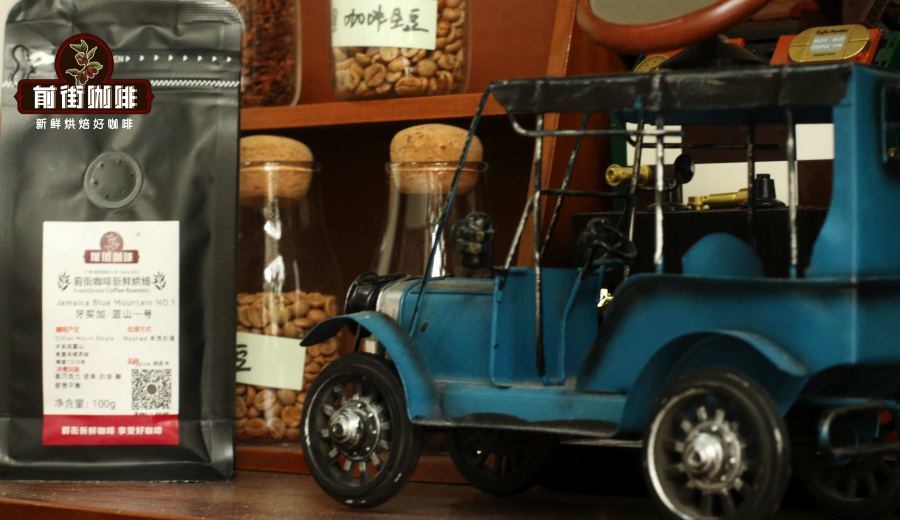
Introduction:Blue Mountain coffee is renowned for its rarity and delicate flavor profile, but how can you identify authentic beans and brew them to achieve the classic taste? This article delves into the growing environment of Jamaican Blue Mountain coffee, its official grading system, and the characteristics of its wooden barrel packaging. It also provides an in-depth analysis of the roasting strategy for Blue Mountain No. 1, along with professional pour-over parameters, and shares practical tips such as aroma identification and certificate verification to help you avoid counterfeit products on the market and truly appreciate the unique charm of Blue Mountain coffee.
Once priced out of reach due to limited production, Blue Mountain coffee has become more accessible to everyday coffee lovers through expert roasting and precise extraction. This article explores the origin background of Blue Mountain coffee, Jamaica’s official grading standards, and its traditional wooden barrel packaging. It details the roasting direction for Blue Mountain No. 1 and key pour-over brewing tips, while also sharing essential methods for authenticity checks—including price references, aroma characteristics, and certificate validation—to give readers a solid foundation when selecting and brewing, ensuring a complete experience of Blue Mountain coffee’s classic flavors.
In the era before specialty coffee became widespread, Blue Mountain coffee was once the representative of the world’s top-tier coffees. Enjoying a genuine cup at a café often cost several hundred yuan, making it unaffordable for most consumers. Nowadays, however, reasonably priced options—such as a pour-over for around 60 yuan or coffee beans at 158 yuan per 100 grams—make it easy to savor the rich, smooth taste of Blue Mountain coffee, whether for personal enjoyment or as a gift.
<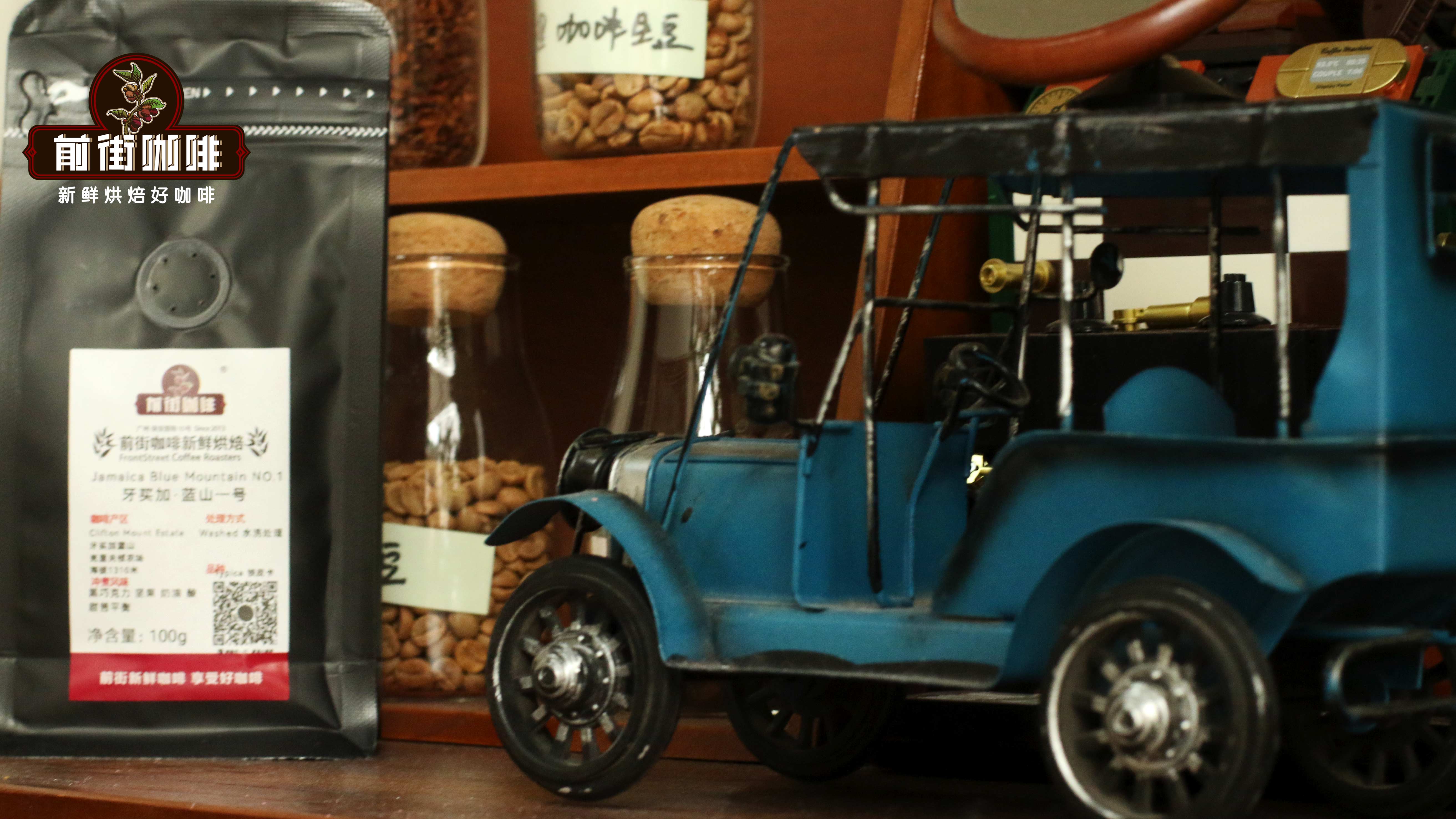 The birthplace of Blue Mountain coffee is the Blue Mountains of Jamaica in the Caribbean. This region earned its name from the blue haze that surrounds the mountains when sunlight hits their slopes, which are surrounded by bays. The high-altitude terrain of the Blue Mountains, with peaks exceeding 2,000 meters, is far from urban noise. Coupled with fertile volcanic soil, abundant rainfall, and ample sunshine, it provides ideal conditions for coffee cultivation. Local farmers often intercrop coffee with crops like bananas and avocados, while coffee itself demands a warm, humid, frost-free climate and moderate shade. The high-altitude areas of the Blue Mountains are often shrouded in clouds and mist, creating an optimal environment for coffee trees.
To ensure coffee quality, the Jamaican government established the Coffee Industry Board (CIB) in 1952 to strictly regulate domestic coffee production. In 1953, the CIB designated approximately 6,000 hectares of the Blue Mountains (only 15% of the total area) as the official growing region for "Jamaican Blue Mountain Coffee." Coffee produced outside this area is classified as "Jamaican High Mountain Coffee" or "Jamaican Prime Coffee," both of which are significantly cheaper than Blue Mountain. Blue Mountain coffee is grown at elevations between 910 and 1,700 meters, distributed across the four regions of St. Andrew, St. Mary, St. Thomas, and Portland, with areas above 1,700 meters designated as protected forests. Through cupping, the CIB has confirmed that Blue Mountain coffee boasts rich chocolate and nut aromas, a smooth mouthfeel with almost no bitterness, and an excellent balance of flavors.
Notably, in the 1960s, Jamaica was hit by hurricanes that damaged its coffee industry. At the time, Japan’s UCC provided technical support for ecological farming. In 1972, the two parties signed a 30-year agreement granting Japan priority purchasing rights for Blue Mountain coffee, resulting in 90% of production being exported to Japan and only 10% allocated elsewhere—this explains why Blue Mountain coffee was so expensive in earlier years.
< The Jamaican Coffee Industry Board (CIB) was one of the first institutions to adopt scientific methods for grading coffee. Its grading criteria include green bean size, color, uniformity, defect rate, moisture content, and cupping performance. Before export, Blue Mountain coffee beans undergo rigorous testing and are categorized into Blue Mountain No. 1, No. 2, No. 3, and Peaberry based on bean size and defect rate. Top-grade Blue Mountain No. 1 green beans must be 17 mesh or larger, with a defect rate below 3%, a moisture content of around 13%, and display rich aromas, smooth and balanced flavors, low acidity, and a long-lasting aftertaste during cupping.
To maintain the optimal condition of green beans, Jamaica uses handcrafted wooden barrels to ship Blue Mountain green beans—a tradition that has also become one of the hallmarks of Blue Mountain coffee. These barrels are modeled after the Bonifieur barrels originally used to transport flour on the island of Guadeloupe, often stamped with trademarks and manufacturer information. Additionally, the CIB issues certification documents, and exporters affix official seals to ensure the authenticity of each batch of Blue Mountain coffee.
When roasting Blue Mountain coffee, the goal is to highlight its classic flavor profile. A medium-dark roast is employed to enhance the chocolate and nut aromas while preserving the gentle acidity and sweetness, achieving a well-balanced flavor. This roasting approach differs markedly from the bright lemony acidity of Yirgacheffe or the bold smokiness of Indonesian Mandheling, focusing instead on the unique tonal qualities of Blue Mountain.
To identify authentic Blue Mountain coffee, start with the price: genuine Blue Mountain, due to its limited production and high costs, cannot be sold at very low prices. If you encounter “Blue Mountain beans” priced suspiciously cheap, they are very likely counterfeits. In terms of aroma, authentic Blue Mountain coffee features rich, dense, and long-lasting chocolate and roasted hazelnut notes, far surpassing those of typical dark-roasted blends. In flavor, Blue Mountain coffee achieves a balanced interplay of acidity, sweetness, bitterness, and aroma, with no single note overpowering the rest, and its body and sweetness are perfectly calibrated.
If in doubt, ask the seller for certificates related to Blue Mountain and photos of the wooden-barrelled green beans—Jamaica’s Blue Mountain is the only producing region that insists on shipping green beans in wooden barrels. Genuine Blue Mountain No. 1 usually comes with a quality certificate issued by the Jamaica Coffee Board, an authorized sales certificate from the producer, and a certificate of origin, which may be displayed in some physical stores. Additionally, Blue Mountain coffee is mostly processed using the traditional washed method, which is also key to its pure flavor.
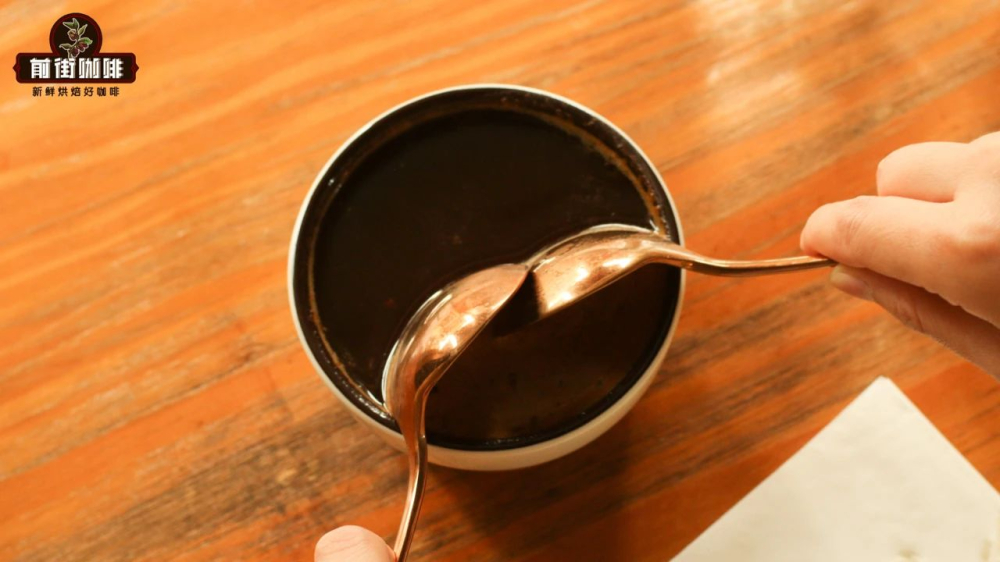
When brewing Blue Mountain No. 1, freshness is crucial. Roasted coffee beans have an optimal flavor window, and the Blue Mountain No. 1 offered is freshly delivered within five days of roasting to ensure peak flavor. For extraction, the KONO filter cone is recommended for medium-dark roasts, as its smooth upper curve allows the filter paper to adhere tightly, enhancing concentration and body through immersion-style brewing—making it more suitable for showcasing Blue Mountain flavors compared to the V60. Alternatives to the KONO include the Kalita wave, flat-bottom cake filters, or a French press.
Medium-dark roasted Blue Mountain No. 1 has good water absorption. It is recommended to use a grind size of 20 mesh with a 75% pass rate (similar to coarse sugar), a water temperature of 88°C, and a three-stage pouring method. Specific parameters: water temperature 88°C, grind size like coarse sugar (20-mesh sieve, 75% pass rate), 15g coffee beans, 1:15 coffee-to-water ratio, total extraction time of about 2 minutes. First, pour 30g of water for a 30-second bloom; second, pour up to 125g, circling evenly; when the coffee liquid drops to half, third, pour up to 225g until the drip finishes.
At high temperatures, Blue Mountain No. 1 exhibits deep chocolate aromas, a rich mouthfeel, and a pronounced almond aftertaste. As the temperature cools, roasted hazelnut and creamy sweetness emerge, accompanied by gentle acidity and caramel notes. The overall flavor profile is layered and lingers delightfully on the palate.
The above content is compiled by CoffeeHunters, a coffee news website.


