







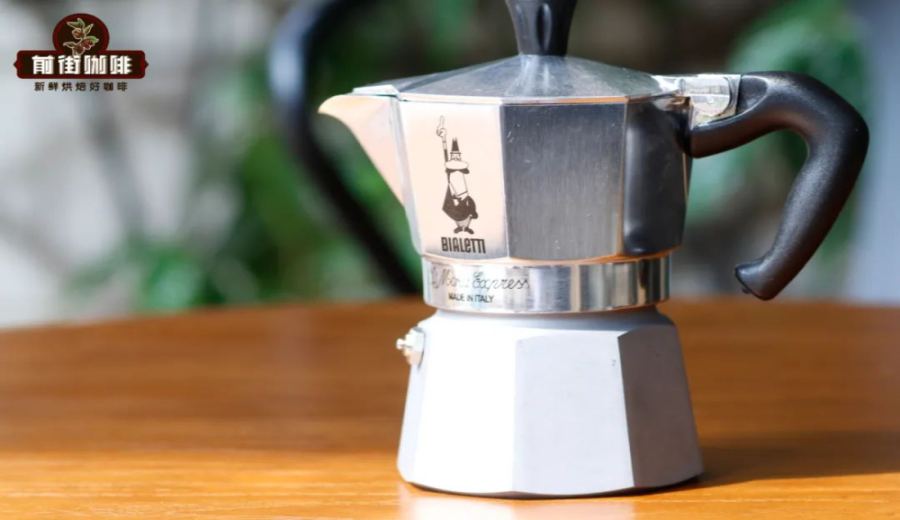
Introduction:The moka pot is a classic Italian household coffee brewing tool that produces rich, crema-covered coffee, beloved by coffee enthusiasts. However, many users are still unfamiliar with its proper operation and often encounter the frustrating issue of being unable to unscrew the pot after brewing. This article delves into the history, structural design, and brewing principles of the moka pot, detailing every step from filling water, adding coffee grounds, heating, to turning off the heat. It also explores the impact of grind size on extraction and analyzes why the pot may get stuck after use, helping you enjoy hand-brewed coffee more safely and smoothly.
As one of the most common coffee tools in Italian households, the moka pot is practically a kitchen essential in almost every home. Compared to Taiwan or Hong Kong and Macau regions, many coffee beginners are still unfamiliar with operating this classic tool, especially when they often face the issue of the pot getting stuck due to high pressure after brewing, making it difficult to open. This article will start with the invention history, internal structure, and brewing principles of the moka pot, step-by-step guiding you on how to use it correctly, and detailing key operational procedures such as filling water, loading coffee, heating, and turning off the heat—allowing you to brew with peace of mind while avoiding common operational mistakes.
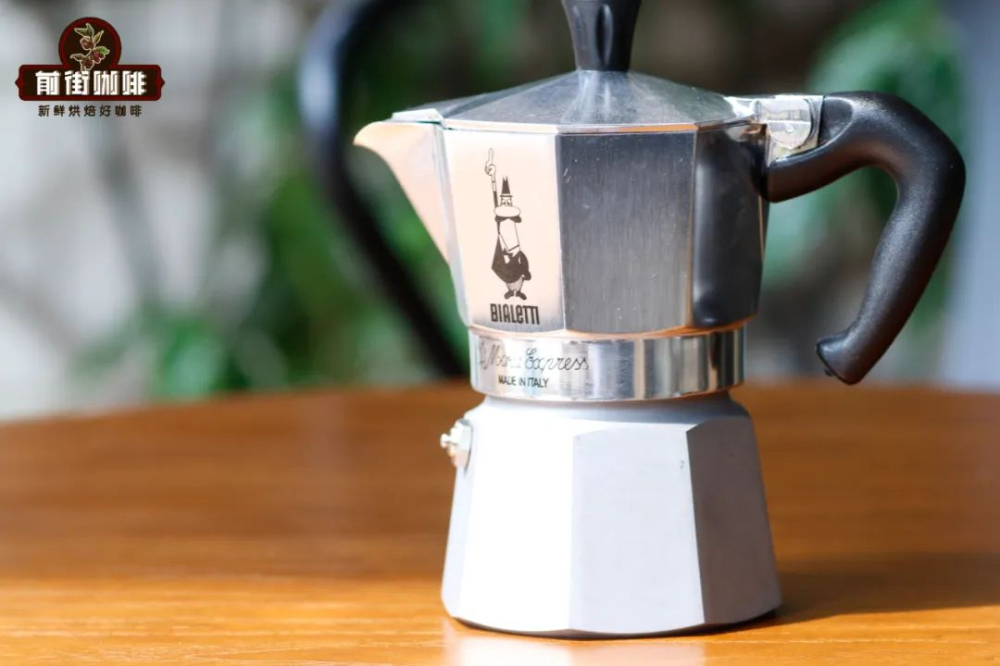
The moka pot was born in 1933, invented by Italian designer and inventor Alfonso Bialetti. It is a traditional tool that uses steam pressure to brew coffee. Its design is simple yet efficient, allowing you to easily brew espresso-style coffee at home, and it remains a daily companion on the tables of many Italian households to this day. In contrast, although the usage rate of moka pots in Taiwan or Hong Kong and Macau is not as widespread as electric drip or pour over methods, its classic status and unique brewing method still attract many coffee enthusiasts to try it out.
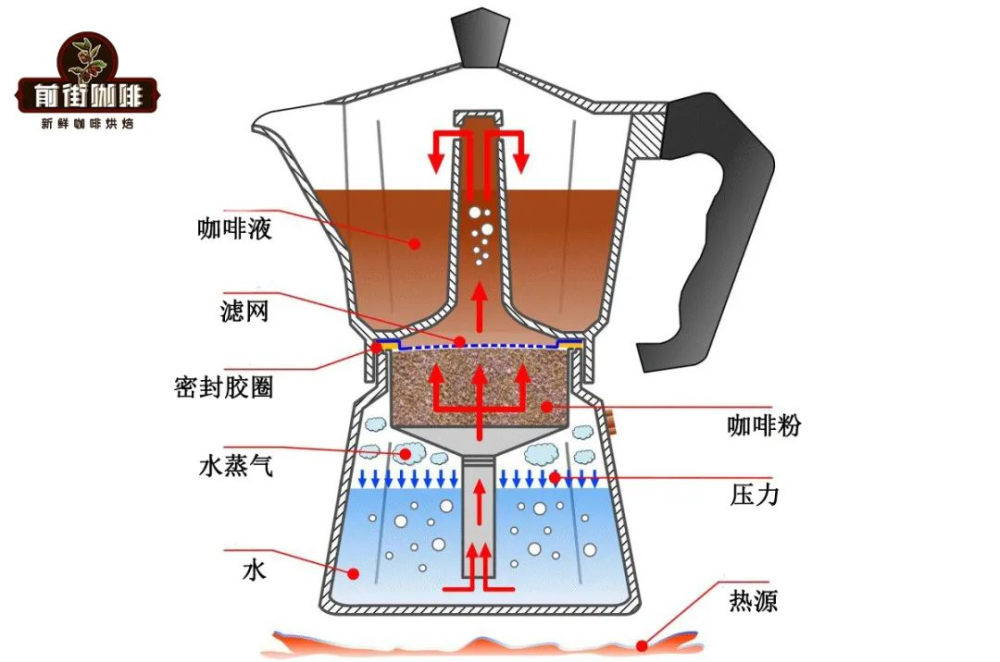
The moka pot mainly consists of three parts: the upper chamber, the filter basket, and the lower chamber. The lower chamber holds the water, the filter basket contains the ground coffee, and the upper chamber is used to collect the coffee liquid pushed up by pressure. Its working principle is to heat the lower chamber, causing the water to boil and turn into steam, creating enough pressure to push the hot water through the coffee grounds in the middle layer, thereby extracting the essence of the coffee and channeling it into the upper chamber to form a fragrant shot of espresso.
In practice, it is recommended to choose medium to dark roasted coffee beans, which can better highlight the rich and full-bodied taste extracted by the moka pot. For this demonstration, we selected Golden Mandheling from Indonesia’s Sumatra region, which features low acidity with distinct caramel and dark chocolate notes. It is not only suitable for moka pot brewing but also showcases the characteristics of Italian-style flavors. In terms of preparation, in addition to the moka pot itself, you’ll also need a heat source (such as an induction cooker or gas stove), a grinder, water, and freshly roasted coffee beans.
First is the water-filling step. Cold water must be poured into the lower chamber, but the water level must be strictly controlled at about 0.5 cm below the safety valve. This is to prevent water from seeping into the filter basket due to overly high water levels or safety hazards caused by excessive internal pressure. The safety valve is a crucial design to ensure safe brewing—if the water level exceeds the valve, it may prevent timely pressure release, leading to dangerous situations such as the pot exploding.
Next is filling the coffee grounds. Pour the pre-ground coffee into the filter basket. It is recommended to gently tap or distribute the grounds to create an even layer, avoiding excessive height or uneven distribution, which helps stabilize extraction and prevent channeling. You may slightly tamp the grounds, but do not compress them too tightly, as this may hinder water flow. Once the filter basket is filled, securely attach the upper and lower chambers to ensure a tight seal, then place the moka pot on the heat source and heat over high heat.
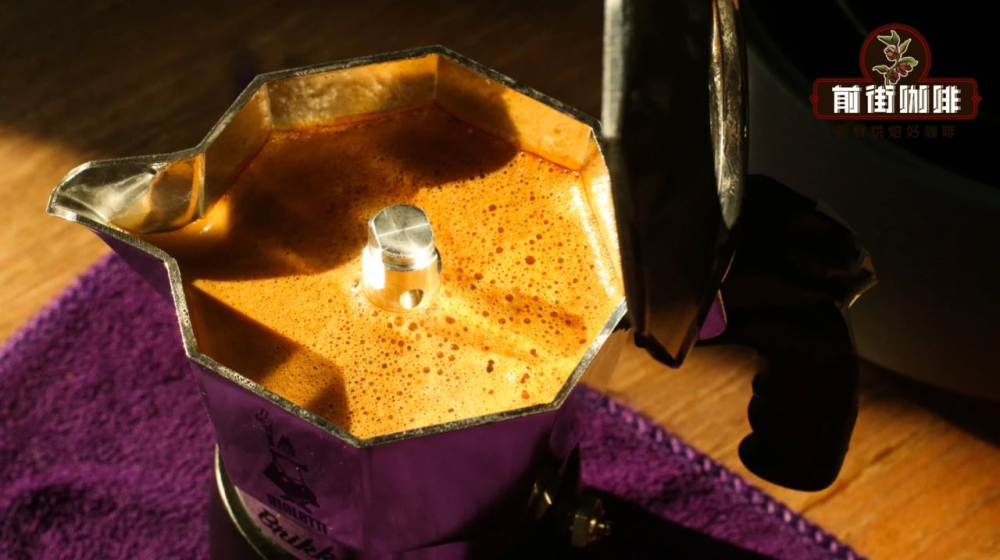
When the moka pot starts heating, you will soon hear a “wuu wuu” sound, signaling that the water temperature is gradually rising and pressure is building. At this point, it is recommended to switch to low heat to make the extraction process more stable. You can also open the upper chamber lid to observe the flow of coffee. Once coffee begins to drip into the upper chamber—approximately halfway through the brew—you can turn off the heat and move the moka pot to a table (placing a damp cloth underneath to prevent burns). At this stage, the residual heat and pressure inside the pot will help push the remaining coffee into the upper chamber, completing the full extraction.
Regarding grind size selection, it is one of the keys to successful moka pot brewing. It is recommended to use a grind similar in coarseness to fine salt—coarser than the 9-bar high-pressure extraction required by traditional espresso machines. If the grind is too fine, the resistance will be too great, potentially causing water blockage, excessive pressure, and even explosion risks. If the grind is too coarse, water will flow too quickly, resulting in under-extraction, weak flavor, and potential over-extraction. For example, with an electric grinder like the EK-43s, it is recommended to set it between 3 and 3.5; for a hand grinder like the C40, it should be around setting 22.
Finally, many users often encounter the problem of the moka pot’s upper and lower chambers getting stuck after brewing due to pressure differences, making it difficult to unscrew. This happens because the lower chamber retains relatively high pressure after high-pressure extraction, creating a pressure difference with the outside environment, causing the pot to lock tightly. It is recommended to let the moka pot cool down until the internal pressure naturally dissipates, after which it can be easily unscrewed. Avoid forcibly twisting the pot while it is still hot and under pressure, as this may cause danger or damage to the tool.
The above content is compiled by CoffeeHunters, a coffee news website.


