








Introduction:The quality of coffee flavor is not only determined by origin and variety—processing methods play a crucial role. Sun-dried (natural), washed, honey (pulped natural), and semi-washed (honey-like) are the four most common processing techniques, each significantly influencing the final cup profile. This article delves into the principles, procedural differences, typical flavor profiles of these four methods, along with practical insights to help you make more informed choices from bean selection to brewing.
In the specialty coffee scene, processing is no longer just a “post-harvest step,” but a critical factor that directly shapes flavor profiles. Once coffee cherries are picked from the tree, the subsequent processing steps determine whether the final cup expresses fruity aromas, rich sweetness, or clean bright acidity. This article focuses on four mainstream coffee processing methods—sun-dried (natural drying), washed (wet processing), semi-sun-dried (also known as pulped sun-dried), and honey processed (with mucilage retention)—comprehensively breaking down their similarities, differences, and essences, from processing details, operational parameters, flavor characteristics to common applications.

Processing methods can be broadly divided into three categories: dry, wet, and semi-dry. Sun-drying is a classic dry process, relying on sunlight to slowly dry the entire coffee cherry until the moisture content drops to10.5% to 12%before hulling. The washed method represents wet processing, requiring the removal of the skin and pulp first, followed by fermentation and washing to remove the mucilage, and then drying. Honey and semi-sun-dried processes fall somewhere in between, retaining some mucilage and sometimes skipping full fermentation before drying, thus exhibiting characteristics of both dry and wet methods.
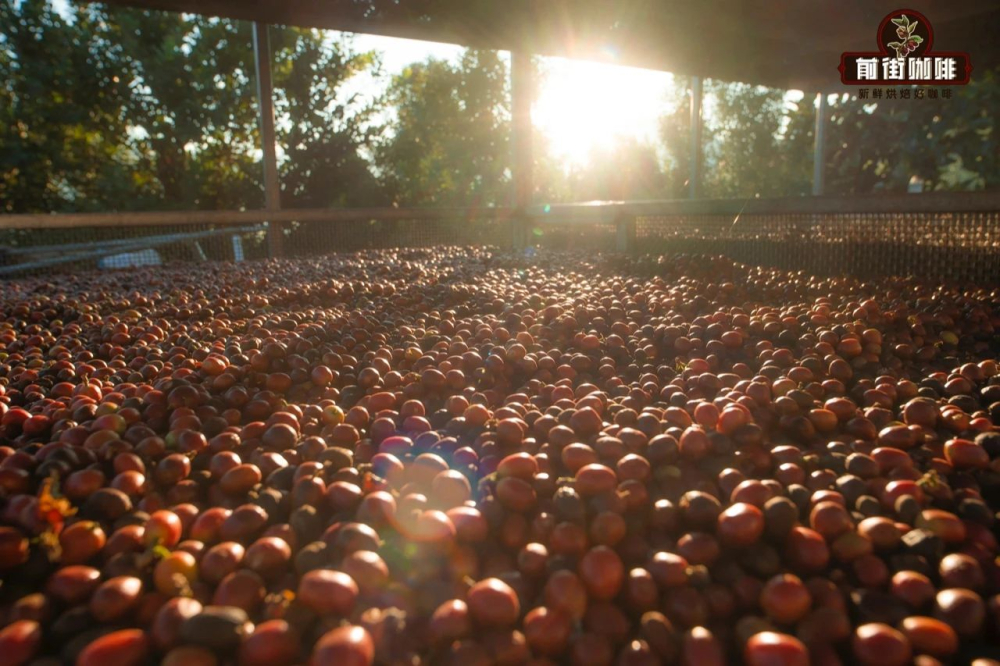
Let’s start with the oldest and most weather-dependent method: sun-drying. This approach involves laying freshly harvested whole coffee cherries out in the sun to allow moisture to evaporate slowly, a process that can take2 to 4 weeksor even longer, depending on weather conditions and desired flavor outcomes. In cases of insufficient sunlight, some producers supplement with mechanical drying equipment, but generally, pure sun-drying still relies on natural exposure, especially in regions like Ethiopia, Yemen, and Brazil. It’s important to note that temperature and frequency of turning during drying are extremely critical—excessively high temperatures or uneven agitation can lead to abnormal fermentation or mold, severely compromising the final flavor.
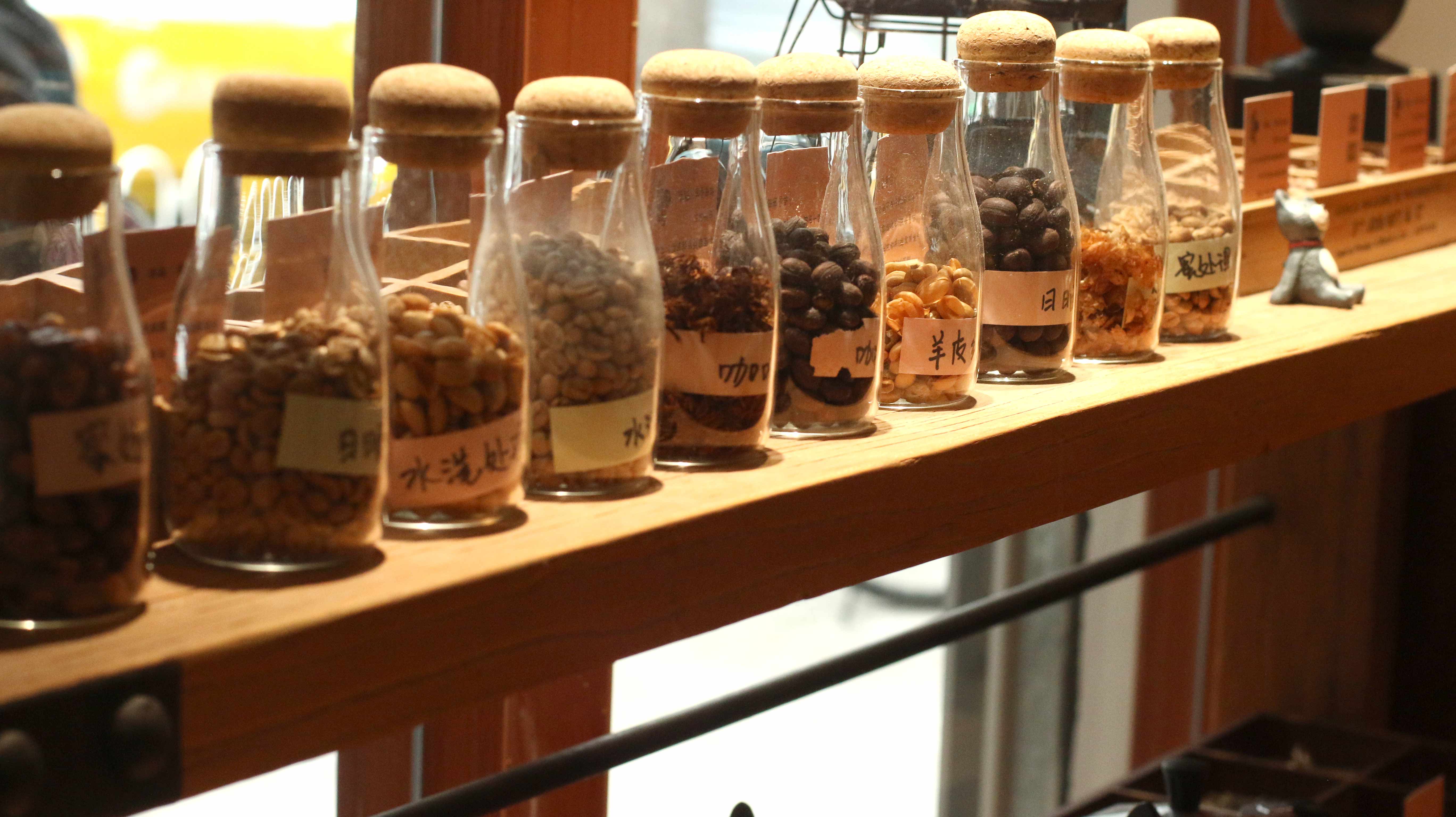
When done right, sun-drying can impart rich fruitiness, gentle fermented aromas, and pronounced sweetness to the beans, often resulting in a rounder mouthfeel. However, if the drying process is too fast or the temperature is uncontrolled, and the mucilage ferments inadequately before drying, the flavors may turn out thin and dull—this is one reason why many Brazilian commercial beans were historically described as “bland.” In contrast, well-controlled sun-dried beans can showcase complex layers, with standout examples including sun-dried Hua Kui, Emerald Red Label Geisha, and Queen Estate.
The second mainstream method is the washed process, which originated in the 18th-century Dutch colonies where sunlight was insufficient, prompting the use of water tanks for mucilage removal. The steps include first removing the outer skin and pulp of the coffee cherry, then fermenting the parchment-covered beans with mucilage in water tanks for a period ranging from12 hours to 6 days, depending on water temperature, yeast activity, and processing methods. After fermentation, the mucilage and residues are washed away with clean water, and finally the beans are dried. Since most of the pulp and mucilage are removed early on, the drying time is significantly shorter than with sun-drying.
The key to the washed method lies in fermentation control—insufficient fermentation leaves residual mucilage, while over-fermentation can easily produce undesirable sour or foul odors. Additionally, traditional methods are water-intensive, though water recycling systems or friction-based mucilage removal technologies have now greatly reduced environmental impact. Washed beans are known for being clean and bright, with clarity in acidity, especially vibrant when light roasted, but usually lacking the body found in sun-dried beans. Representative washed-processed coffees include Flower Butterfly, Fruit Ding Ding, and Little Tomato.
The third category is the semi-dry processing methods, which can be further divided into pulped natural (also called peeled sun-dried) and honey processed. Both methods first remove the outer skin and part of the pulp of the coffee cherry, but skip the water tank fermentation and water wash, proceeding directly to the drying stage. The main difference lies in the degree of mucilage (the sticky inner pulp layer) retention.
Let’s first discuss the pulped natural method. This technique was first developed in the 1980s–90s by Brazil’s Pinhalense company, which created pulping and washing equipment capable of precisely removing the skin and partially cleaning the mucilage. The beans, with little or almost no mucilage left, are then dried in the sun. Due to the lack of full fermentation, the flavors are relatively simple but also more stable and less prone to error. This method uses far less water than washed processing, making it suitable for areas with limited water resources. Dried beans often exhibit profiles like cream, nuts, and caramel, suitable for medium to dark roasts, and are versatile in brewing methods—from pour over and moka pot to espresso. Brazilian Cerrado is one such example.
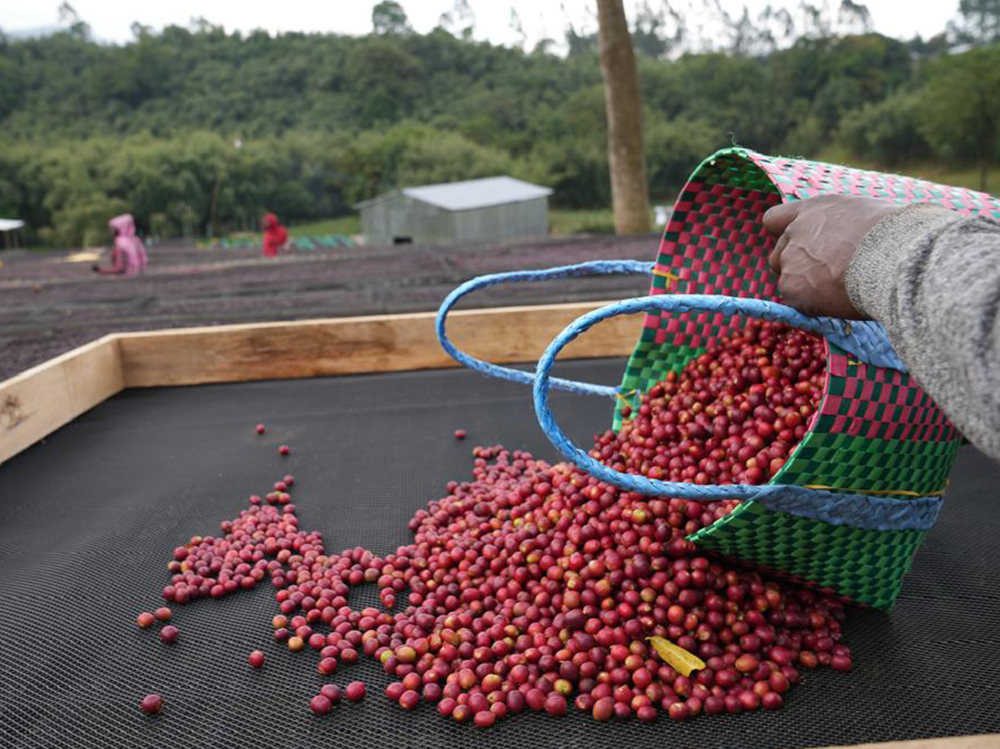
Finally, there’s the increasingly popular honey processed method in recent years. Despite the name, it has nothing to do with actual honey, but rather refers metaphorically to the sticky, syrupy texture and sweet sensation of the retained mucilage during drying. Originating in Costa Rica in the 1990s, this method introduced pressure-adjustable mucilage scrapers that allowed producers to decide how much mucilage to leave on during depulping, followed by direct sun drying. The sugars and microbes in the mucilage undergo slight fermentation during drying, adding extra sweetness and complex acidity to the coffee.
Depending on the amount of mucilage retained, honey processed beans are commonly categorized by industry terms such as “black honey,” “red honey,” “yellow honey,” and “white honey.” Darker colors indicate higher mucilage retention, resulting in flavors closer to sun-dried, often featuring intense floral-fruity notes and wine-like aromas. For instance, Blackberry, when medium-light roasted, can express layers of orange blossom, berries, dried blueberries, and liqueur chocolate. It tastes bright and sweet when cold brewed, shows notable sweetness in pour over, and yields richly aromatic shots in espresso. Honey processing demands high standards in both environment and technique, but the resulting cups are often uniquely flavorful, making it a favorite among many specialty coffee enthusiasts.
The above content is compiled by CoffeeHunters, a coffee news website.


