







Introduction:Espresso is the soul base of many classic coffee beverages, from lattes to cappuccinos. This article delves into its brewing principles, compares the historical background and ratio differences with Americano, introduces the flavor profiles of four common espresso blends, and provides key parameter recommendations such as dose, extraction time, and yield. Additionally, it details a practical seven-step in-store operation process, as well as how to extend various coffee drinks based on espresso — making it a valuable reference for enthusiasts aiming to refine their espresso skills and bean selection logic.
Espresso is not only the foundation of classic drinks like lattes and cappuccinos but also an indispensable cornerstone of coffee culture. This type of coffee is produced by forcing hot water under high pressure through a tightly packed bed of finely ground coffee, extracting a rich and flavorful liquid. Understanding its brewing principles not only helps master the key to a good shot of espresso but also further reveals how other derivative drinks evolve from it.
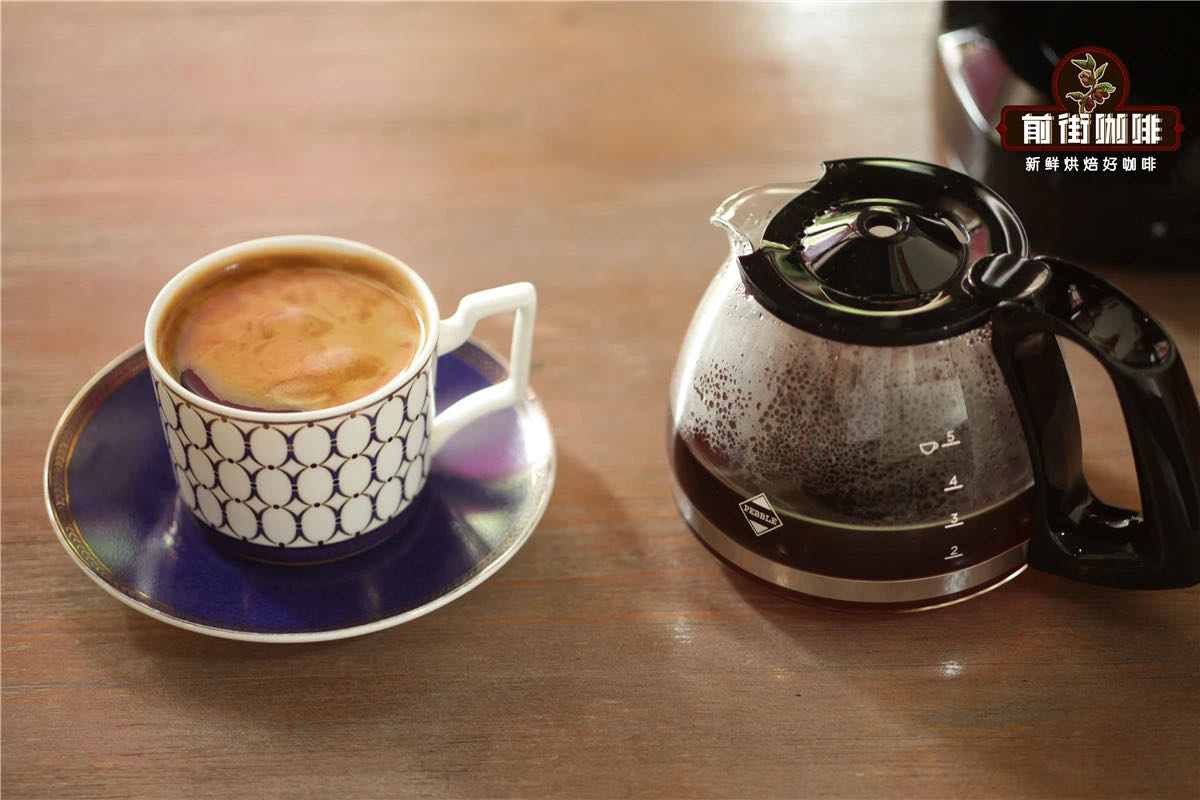
Internationally, espresso is referred to as 'espresso', and its caffeine content per unit volume is generally higher than that of most other coffee beverages. This coffee is made using a professional espresso machine, where hot water at around 92°C passes through finely ground and compacted coffee under high pressure, extracting a concentrated liquid containing both solids and dissolved components. Although it is often seen as the starting point for many coffee drinks, it is also a beverage with a uniquely bold flavor. Many people also tend to compare it with Americano — so what exactly is the difference between the two?
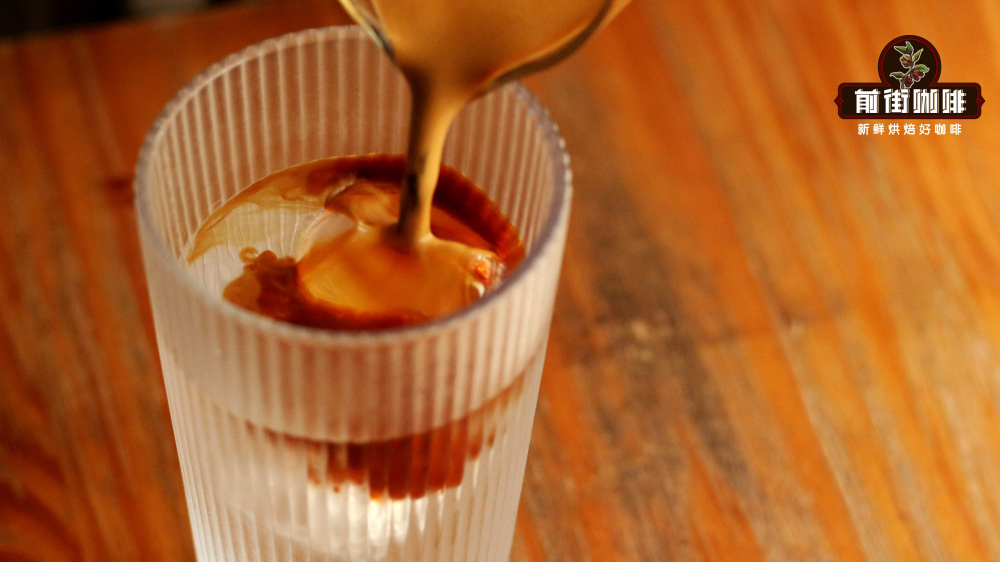
There are two main ways to make Americano: one is by using a drip coffee machine to extract the coffee, and the other is by diluting espresso with hot water. Looking back at its history, American drip coffee machines were commonly found in American households, where local consumers preferred coffee with a lighter taste, low body, and a noticeable wateriness. However, during World War II, American officers stationed in Europe first encountered the popular European-style espresso, whose intense and sharp flavor was vastly different from what they were used to. To make the espresso more similar to the taste of drip coffee, they chose to add hot water to it, successfully softening the strong intensity. Since this preparation method was not common in other parts of Europe at the time, it was jokingly called 'Americano', and even carried a hint of sarcasm — the French privately mocked it as 'coffee in socks' (café filtre), describing its taste as unpleasant, like socks.
Currently, most Americanos on the market are made by diluting espresso with water in varying ratios. Common water-to-espresso ratios range from 1:4 to 1:9, with different shops adjusting according to the characteristics of the beans and their serving needs. For example, some shops may offer a hot Americano at a ratio of 1:4.5, while an iced Americano might go up to nearly 1:9 to deliver a crisper taste. Additionally, different blends can influence the final flavor — for instance, some Americanos exhibit rich wine-like aromas, thick crema, and long chocolatey finishes, catering to consumers who enjoy a bold profile. In terms of blends, common market options include those designed specifically for moka pots, commercial blends with high body, as well as blends tailored for specialty flavors or overall balance.
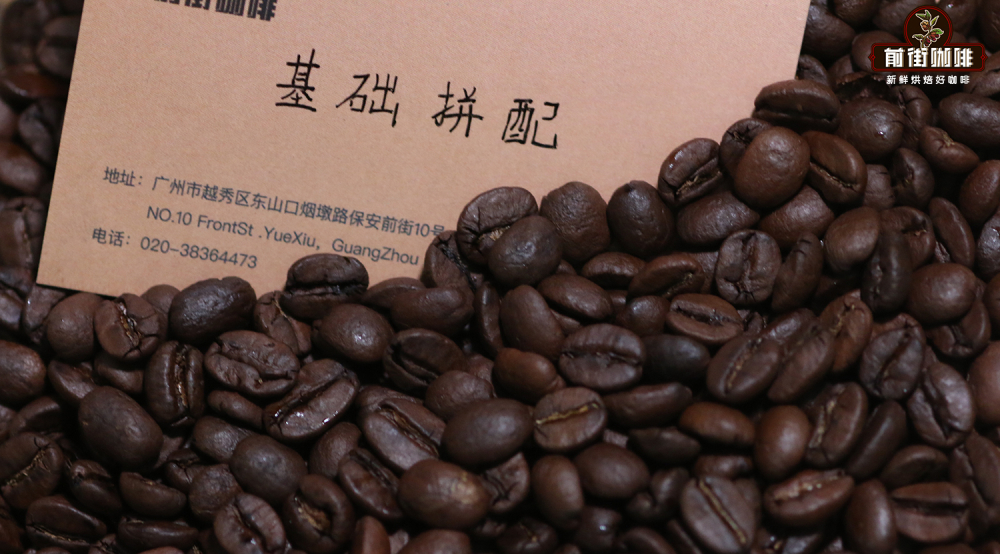
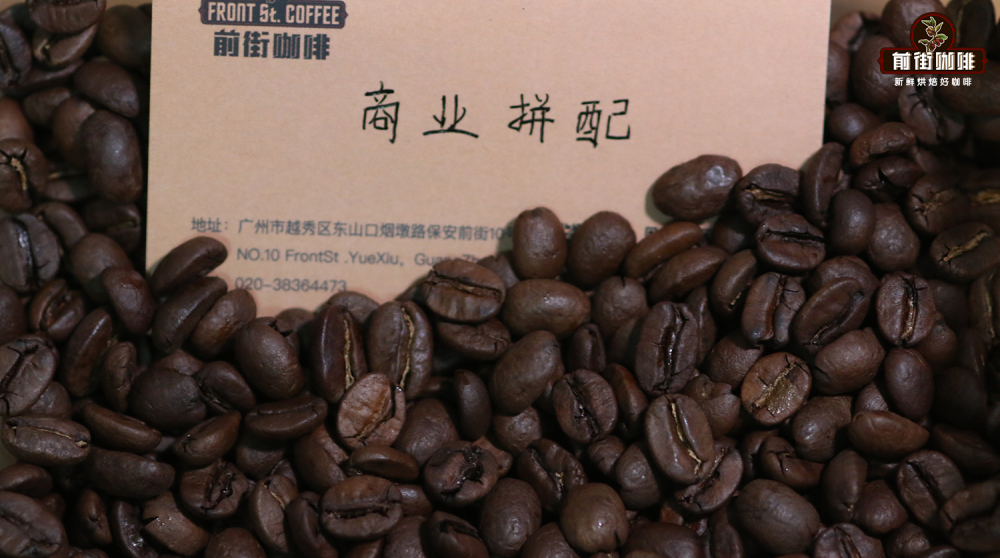
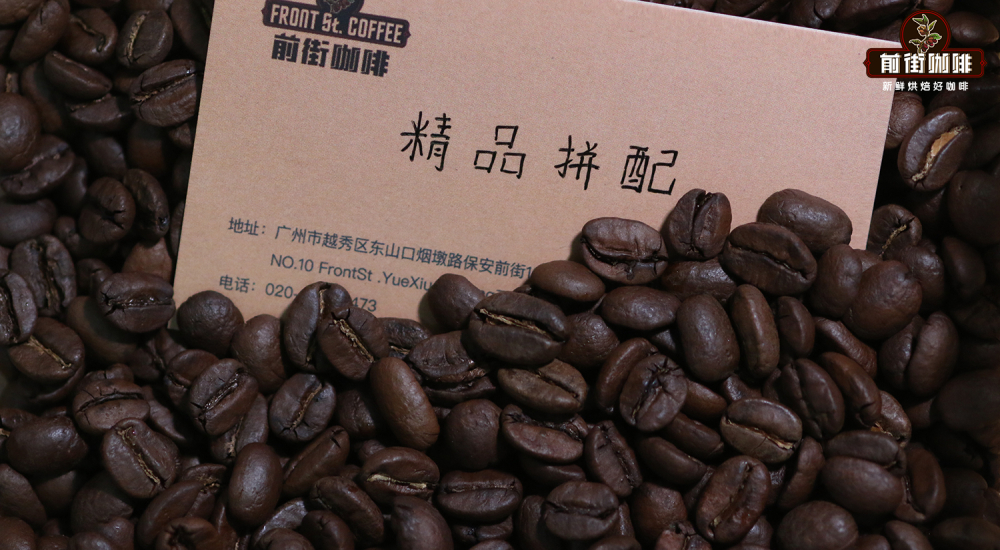
Among the many blend choices, there are those designed for moka pot users, delivering good flavor and sufficient crema at a lower cost; there are also commercial blends that include 10% Robusta beans to enhance overall body and aroma, especially when paired with milk, offering an excellent balance of nutty and chocolatey notes. For those preferring a cleaner taste and mellow character, specialty blends use Arabica beans from Brazil and Colombia, showcasing nutty and chocolatey tones, suitable for most espresso-based drink needs. Moreover, there are blends crafted for specialty flavor profiles, such as those combining Yirgacheffe red cherry and Honduran beans, characterized by vanilla creaminess and fermented wine-like aromas, appealing to consumers seeking unique flavor experiences. There are also classic dark roast blends using Brazilian, Indonesian, and Vietnamese beans to intensify boldness and produce dense crema, performing exceptionally well either as a base for Americano or paired with latte.
Espresso extraction has a basic range of parameters. It is generally recommended to use 18 to 22 grams of coffee grounds, depending on the size of the portafilter basket. During extraction, the yield is often set to about twice the dose — for example, 18 grams of coffee yields around 36 grams of liquid. Exceeding this ratio can easily lead to over-extraction and undesirable flavors. However, adjustments can be made based on specific needs in practice. For instance, some shops choose to extract 36 grams of liquid from 20 grams of coffee to enhance the flavor intensity of Americano or latte. It’s worth noting that the liquid weight is usually 1 to 3 times the weight of the coffee grounds, with 2 times being the most commonly used reference value.
Extraction time refers to the total seconds from the moment the extraction starts until it finishes, with the recommended range being 25 to 35 seconds. If the time is too long or too short, it is usually directly related to the grind size of the coffee, which may need to be adjusted accordingly to optimize extraction parameters. Too fast an extraction speed may result in prominent acidity and insufficient sweetness; too slow often leads to bitterness and dullness. Furthermore, many professionals rely not only on taste but also use a refractometer to measure the Total Dissolved Solids (TDS) of the espresso, calculating the extraction percentage to more precisely control extraction strength and efficiency. The calculation formula is: (%TDS × extracted coffee weight) / coffee dose = extraction percentage. This method provides a more objective quality reference.
The actual operation of an espresso machine may seem complex, but by mastering seven basic steps, you can consistently pull high-quality shots. First, ensure the portafilter basket is completely dry and free of moisture. Next, use an electronic scale to accurately weigh the coffee dose, with an error margin controlled within ±0.1 gram. Then proceed with distribution, ensuring the coffee grounds are evenly spread in the basket. The next step is tamping, applying even pressure. After tamping, gently tap the handle to confirm the coffee bed is level. Then, place the handle onto the machine’s group head, ready to start extraction. Finally, press the extraction button, wait for the shot to finish, then gently remove the handle and immediately clean the group head to maintain equipment in optimal condition. This process effectively ensures consistency and stability in every extraction.
For daily extraction, it is recommended to follow the standard combination of 20 grams of coffee, 40 grams of yield, and 30 seconds of extraction time. This parameter setup balances flavor expression and extraction efficiency, suitable for most coffee beans and shop needs. Once the espresso is pulled, extending it into other coffee drinks becomes very simple — just add water, milk, or sugar as needed. For example, to make a hot Americano, simply pour about 160 ml of hot water into 200 ml and add a shot of espresso; for an iced Americano, you can directly pour the espresso over cold water or ice. To make a latte, use the machine’s steam wand to froth milk into microfoam, then mix the espresso and milk in appropriate proportions to create a smooth coffee drink with rich flavor layers. Nowadays, many chain brands use fully automatic coffee machines, simplifying the process — just select the drink with one touch, and the machine automatically completes the extraction and blending.
In summary, from understanding extraction principles and familiarizing oneself with blend characteristics, to mastering extraction parameters and operational steps, each stage influences the final flavor of the coffee. Whether you are a beginner looking to deeply understand espresso or a coffee professional aiming to refine your technique, grasping these foundational and practical insights is key to elevating coffee quality and the drinking experience.
The above content is compiled by CoffeeHunters, a coffee news website.


