







Introduction:The washed processing method is a classic technique in the specialty coffee industry, widely recognized for its ability to highlight clean acidity and distinct flavor layers. From dissecting the structure of the coffee cherry to a practical breakdown of the seven key steps in washed processing, this article takes you deep into this method that delivers bright fruit acids and refined flavors. Through real-world case comparisons, we explore how altitude and variety influence the final cup profile. Whether you're new to specialty coffee or seeking beans with a clear flavor outline, you'll find practical guidance here.
The washed process (Washed Process) is one of the most esteemed techniques in specialty coffee production, known for its refreshing flavors, bright acidity, and uniform bean appearance. This method precisely separates the coffee bean from the fruit flesh through meticulous fermentation and washing procedures, preserving the pure essence of the seed while imparting a unique clean taste and clear layering.
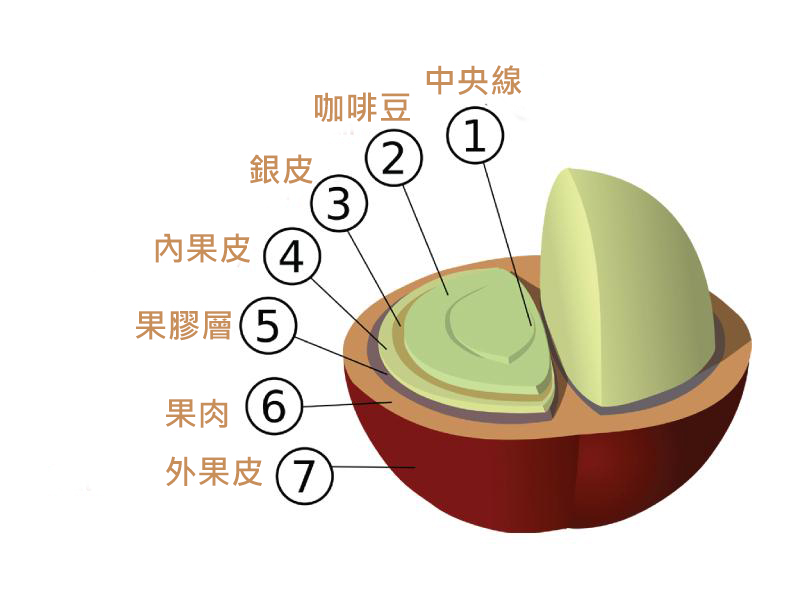
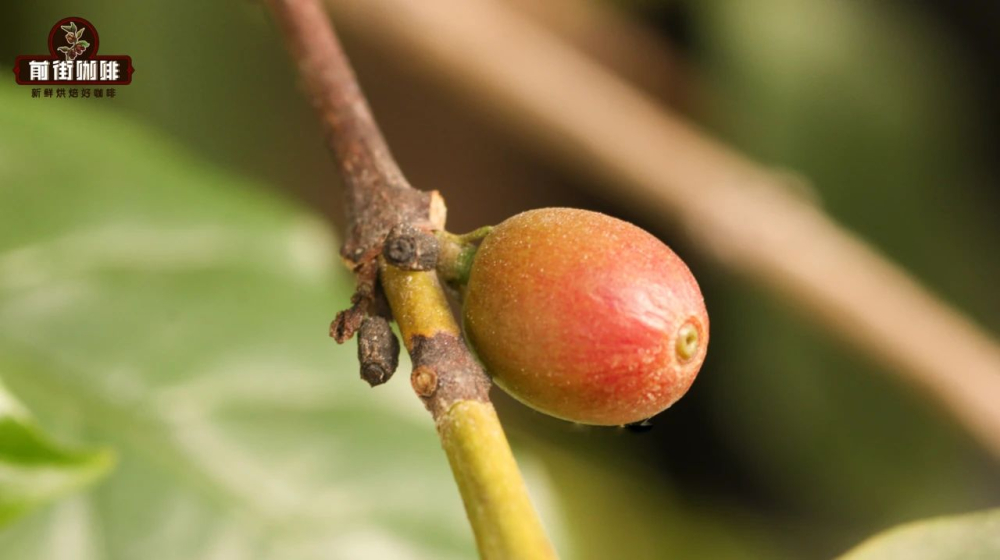
The coffee cherry, commonly referred to as the coffee fruit, resembles a miniature cherry and typically ripens to red or yellow. However, what consumers commonly call a "coffee bean" is actually the seed inside the fruit. A whole coffee cherry can be divided from the outside in into the outer skin, pulp, mucilage layer, parchment (also called silverskin), silver skin, and seed. The core of washed processing is to isolate and refine the seed from these outer layers through a series of standardized operations.
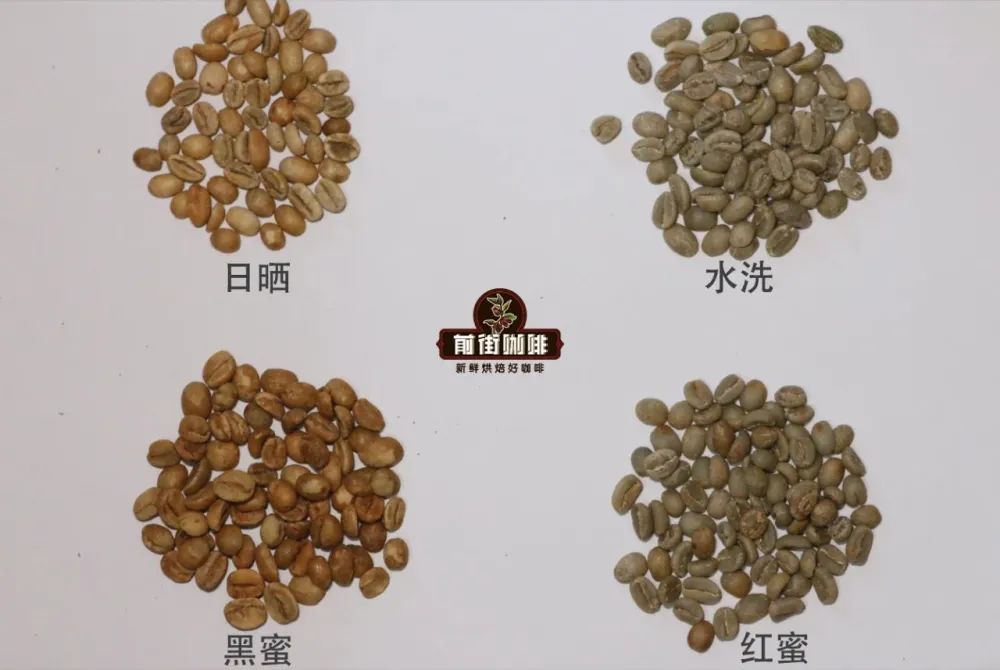
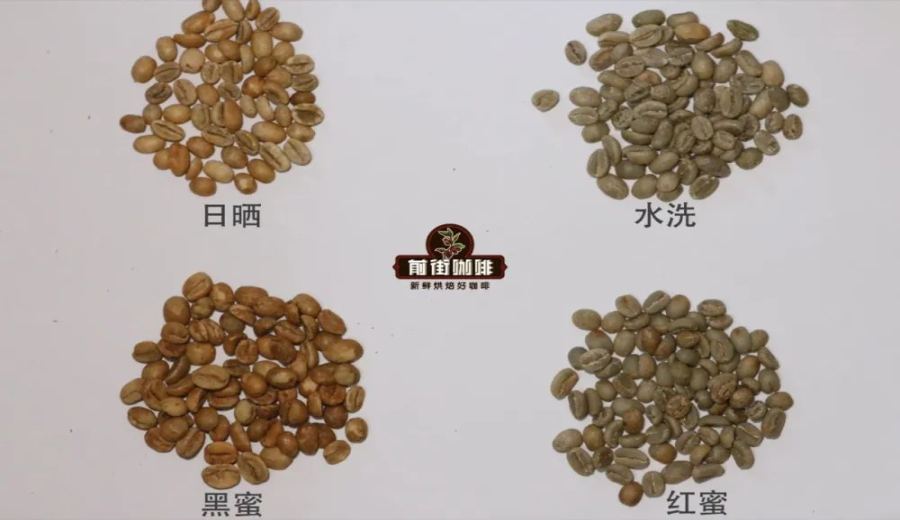
The appeal of the washed process lies in its high controllability and stability. Compared to natural or honey processing, the washed method can be carried out indoors, significantly reducing the risks of contamination and mold while effectively removing the mucilage layer through fermentation and washing. This results in coffee beans with a clearer acidity and fewer off-flavors. Beans processed this way usually have a uniform appearance and low defect rate, providing roasters and brewers with a clear and consistent base flavor profile.
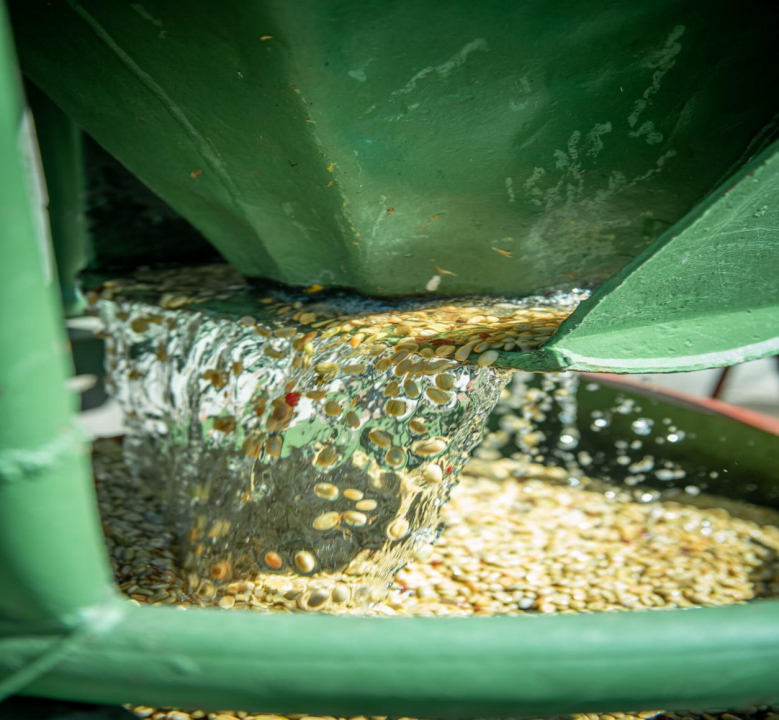
The washed processing workflow can be subdivided into the following seven main steps: First is the floatation screening, where coffee cherries are poured into a water tank. Unripe or overripe beans, being less dense, float to the surface, while ripe and plump ones sink, allowing for the initial removal of defective beans. Next, a pulper is used to remove the outer skin and most of the pulp, though the beans still retain a sticky mucilage layer on their surface.
The third step is fermentation, which is a critical phase in washed processing. By controlling water temperature and time, natural microorganisms are utilized to break down the mucilage. This step requires close monitoring to avoid over-fermentation, which can produce unwanted off-flavors. After fermentation, the beans are thoroughly rinsed with large amounts of clean water to remove loosened mucilage and fermentation byproducts. This stage consumes significant water—approximately 40–50 liters of water per kilogram of coffee beans produced—making it less feasible in water-scarce regions.
Drying is the subsequent crucial step. The washed beans (still encased in parchment and silver skin) are evenly spread out and dried either by sun exposure or mechanical means until their moisture content is reduced to 10%–14%. Finally, a hulling machine is used to remove the parchment and silver skin, completing the production of washed green coffee beans.
The advantages of the washed process include producing coffee beans with high consistency, low impurity and defect rates, attractive appearance, and ease of storage and transportation. Flavor-wise, it typically showcases pronounced acidity notes such as lemon or green apple, along with good sweetness and a clean aftertaste. However, this method also has limitations, including a complex process, high water consumption, and strict requirements for fermentation control and hygiene conditions. Consequently, it tends to be more costly and less practical in resource-limited regions.
To better understand the actual impact of washed processing on flavor, we can examine two washed beans from different origins: Kenya’s Asali and Ethiopia’s Yirgacheffe Guddatu. Though both use the washed method, differences in region, altitude, and variety result in distinctly unique flavor profiles.
Kenya’s Asali is sourced from the Thika region, grown at an altitude of 1550–1750 meters, and uses the renowned local SL28 and SL34 varieties. It undergoes a unique 72-hour segmented fermentation washed process. This technique involves three 24-hour fermentation cycles, each followed by a thorough rinse with clean water, enhancing the depth and layering of acidity. The final roast is light to accentuate its vivid fruit acidity and tightly structured mouthfeel. When brewed, it often exhibits the bright juice-like qualities of black plum and cherry tomato, with a balanced tart-sweetness of plum in the mid-palate, and a lingering elegant aroma reminiscent of pears.
In contrast, Yirgacheffe Guddatu comes from the Gedeo Zone at an altitude of 1900–2300 meters and uses the local heirloom variety. Its washed process is relatively traditional yet refined. When roasted lightly, this bean often releases bright citrus notes paired with a soft black tea base. As the cup cools, creamy, caramel, and almond sweetness gradually emerge, resulting in an overall clean, refreshing taste with a long-lasting finish. This bean is best brewed using a medium-fine grind with a V60 filter, at 90°C water temperature and a 1:15 coffee-to-water ratio, with a pulsed pouring technique to achieve optimal flavor balance.
The actual performance of these two washed beans demonstrates that even when the same processing method is used, differences in regional altitude, microclimate, and variety genetics can significantly influence the final flavor profile. For coffee enthusiasts, understanding the principles and processes of washed processing helps in more accurately identifying flavor cues during tasting and selecting suitable beans and brewing parameters based on personal preference.
In summary, the washed processing method stands out as the preferred choice for many specialty coffee lovers due to its clean, bright flavor characteristics and highly stable quality. Whether you're a beginner or a seasoned coffee enthusiast seeking bright acidity and refined layers, gaining a deeper understanding of the washed process and its flavor impact will allow you to more fully appreciate the story and craftsmanship behind each bean.
The above content is compiled by CoffeeHunters, a coffee news website.


