







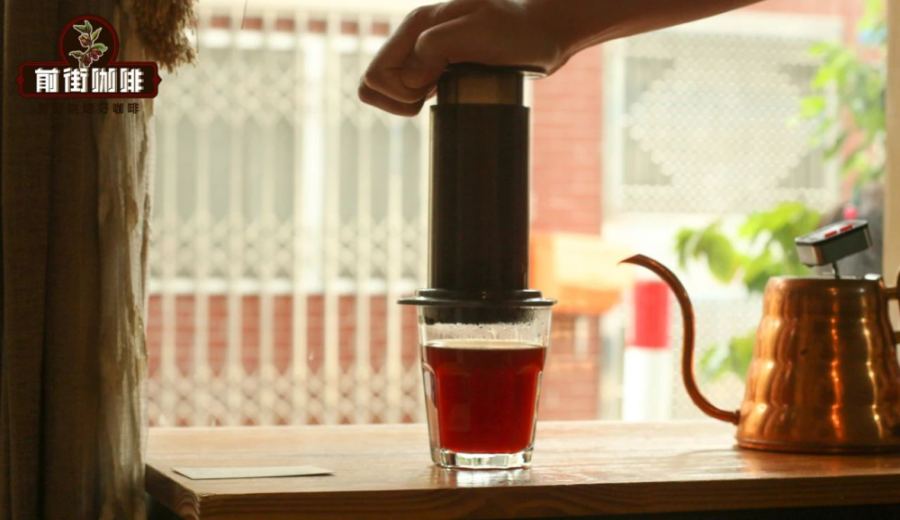
Introduction:The AeroPress is a coffee brewing device that combines innovation and practicality. Since its debut in 2005, it has not only captivated coffee enthusiasts worldwide but also inspired the creation of its own dedicated competition — the World AeroPress Championship (WAC). This article delves into the design principles of the AeroPress, compares it with the French press, and explores how the WAC fosters a culture of creative brewing. We also use a Kenyan single-origin coffee as an example to share detailed brewing parameters including dose, grind size, water temperature, brew ratio, and the inverted brewing method to help you consistently brew a cup with bright acidity and juicy flavors.
The AeroPress, a uniquely designed coffee brewing tool, was born from a company originally focused on flying discs. Launched in 2005, it quickly rose to prominence within the specialty coffee community. Not only loved by enthusiasts, its high level of innovation led to the establishment of the “World AeroPress Championship (WAC),” which even has a documentary showcasing its charm. Combining the advantages of manual pressure, fast extraction, and easy cleaning, it has become a go-to tool for many for daily or outdoor coffee enjoyment.
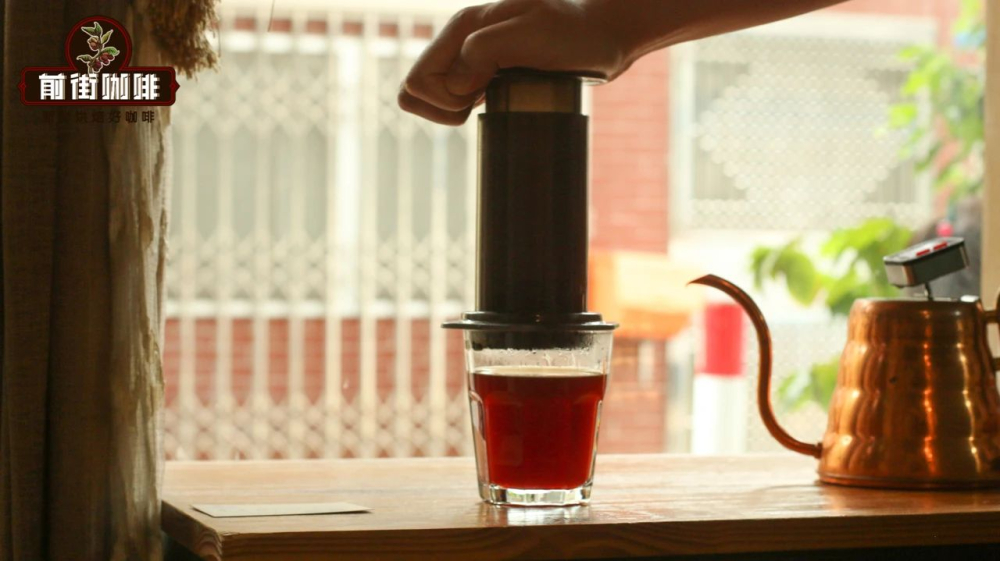
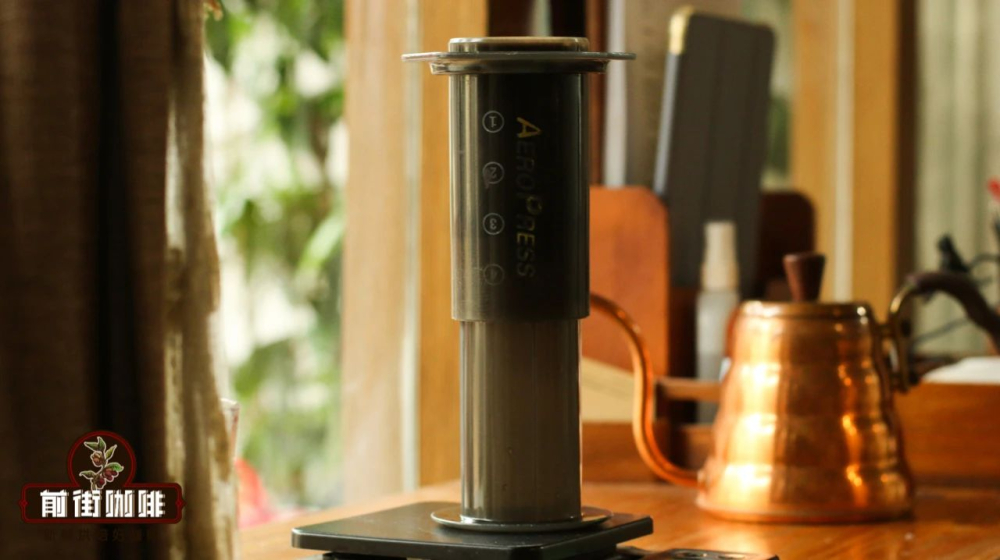
This device, made up of two main components, operates on a very simple principle: using heated water to pass through a bed of coffee grounds, then manually pressing to extract the brew. Its design was actually inspired by espresso machines, but unlike them, the AeroPress requires no electricity or complex levers — instead, it relies on the user’s manual pressure to complete the extraction. Initially, many industry professionals were skeptical about its practicality and innovation, dismissing it as just an experimental product from a toy company. However, as more real-world brewing results emerged, the AeroPress gradually earned market recognition.
Although its appearance differs significantly from common pour over or immersion brewers, the AeroPress shares some similarities with the French press in usage — both involve steeping and then filtering the coffee. However, the recommended brewing temperature for the AeroPress is generally lower than that of the French press, and the overall brewing time is noticeably shorter. Especially when it first hit the market in early 2005, its short yet efficient brewing method helped it stand out as a uniquely distinctive choice.
The inventor of the AeroPress, Alan Adler, was originally an engineer. His original goal in designing this tool was to reduce the bitterness and astringency in coffee. He found that shortening the extraction time could effectively minimize over-extracted flavors, so he conceived a system that creates a sealed pressure environment, allowing for a more concentrated and rapid extraction through manual pressing. (It’s worth noting that over time, the AeroPress brewing methods have diversified greatly, with some techniques now taking even longer than typical drip brewing.)
The World AeroPress Championship (WAC) was established in 2008, initially launched by Norwegian coffee enthusiast Tim Varney and renowned barista Tim Wendelboe in Oslo. It started with just three participants. Today, the competition has expanded globally — in 2018, there were 3,157 contestants from 61 countries onsite, attracting over 68,265 online viewers. The WAC encourages free creativity and experimentation. Whether brewing right side up or inverted, different pressing techniques, brew ratios, and water temperature controls all become avenues for competitors to explore the extremes of flavor.
For this hands-on demonstration, we selected a Kenyan single-origin coffee. This bean is known for its bright plum and cherry tomato-like acidity, paired with a sweet aftertaste reminiscent of pears — making it highly suitable for showcasing its complexity via the AeroPress. Recommended parameters are as follows: 18g coffee dose, grind size roughly equivalent to EK43s setting 7 or 90% passing through a #20 sieve (finer than typical pour over), brew ratio of 1:11 (total water around 200ml), water temperature at 90°C, and using the inverted (upside-down) method for brewing.
For the brewing steps, it is recommended to place two round paper filters inside the filter cap and pre-wet them with hot water to ensure they adhere tightly. If round filters are unavailable, standard filters can be cut to size. First, assemble the plunger and chamber, then pre-press the plunger down to around mark ④ before flipping the entire device upside down. Next, add the coffee grounds and pour an equal amount of hot water, then start the timer immediately. It is advised to stir the coffee grounds evenly for about 10 seconds using a stirring spoon (a slow circular motion is recommended). Then attach the filter cap with the pre-moistened filters, and place the receiving vessel on top. At the one-minute mark, flip the entire device back to its normal position and slowly press the plunger down to “push” the coffee out. The total brewing time is approximately 1 minute and 20 seconds. The inverted method not only enhances extraction stability but is especially beginner-friendly, effectively reducing the chance of mistakes. This approach allows the sweet-acid balance and juicy character of the Kenyan beans to fully shine.

The above content is compiled by CoffeeHunters, a coffee news website.


