








Introduction:An in-depth exploration of the historical origins, major producing regions, and the unique wet-hulling processing method of premium Mandheling coffee from Sumatra, Indonesia. This article begins with the introduction of Arabica coffee during the Dutch colonial period, covers the grading differences between G1 and Golden Mandheling, and analyzes how the wet-hulling method shapes its rich and bold cup profile. It also provides practical pour over parameters and flavor guidance, making it a comprehensive reference for understanding this classic Southeast Asian coffee.
Mandheling coffee is one of Indonesia’s most representative coffee varieties, known for its bold and full-bodied flavor, mild acidity, and rich aroma. This coffee often exhibits complex notes of herbs, spices, nuts, and caramel, with distinct layers that appeal to coffee enthusiasts worldwide. To truly understand Mandheling, we need to explore its historical development, regional distribution, processing techniques, as well as its flavor characteristics and brewing recommendations.

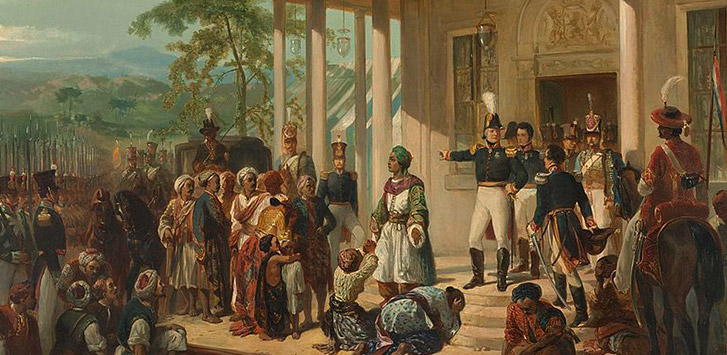
Indonesia is not only a major global coffee producer but also a hub of coffee culture in Asia. As early as 1699, the Dutch East India Company (VOC) introduced Arabica coffee trees from India to Java, aiming to break the Arab monopoly on coffee trade. Subsequently, coffee cultivation expanded to Sumatra, Sulawesi, Bali, and Timor. However, the leaf rust epidemic of 1876 severely damaged the local Typica variety, prompting the Dutch to switch to the disease-resistant Robusta, which later became dominant in Indonesia.
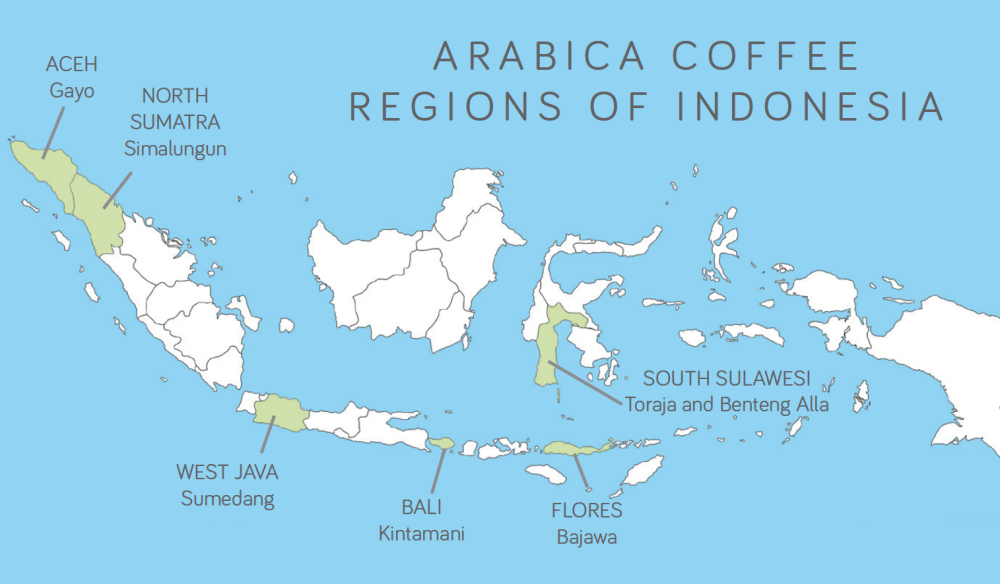
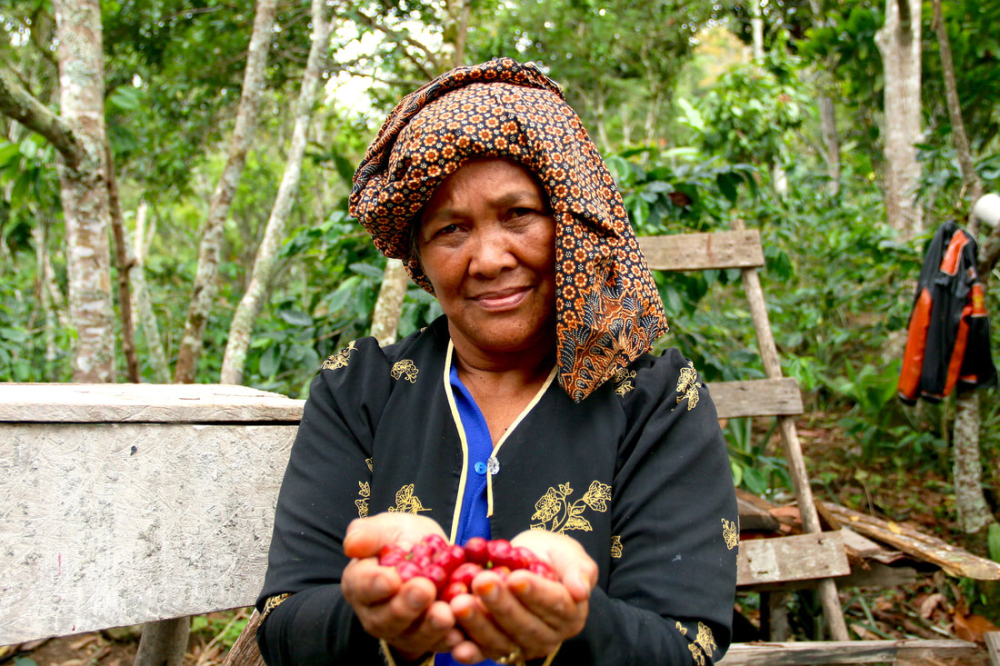
Today, over 90% of Indonesia’s coffee is grown by smallholder farmers, with an average farm size of less than one hectare. Robusta accounts for about 85% of total production, mainly grown in low-altitude areas, while Arabica is concentrated in high-altitude mountainous regions such as Sumatra and Sulawesi, making up around 15%. These high-altitude areas are also the key origins of premium Mandheling.
Sumatra is the largest island in Indonesia, the world’s largest archipelagic nation, and the primary origin of “Mandheling” coffee. Located near the equator, the island features a typical tropical rainforest climate with high temperatures, high humidity, minimal day-night temperature variation, and a volcanic landscape that creates mineral-rich, fertile soil—ideal for growing Arabica coffee. The coffee harvest season here mainly runs from November to March each year, supplying the global market with early fresh beans.
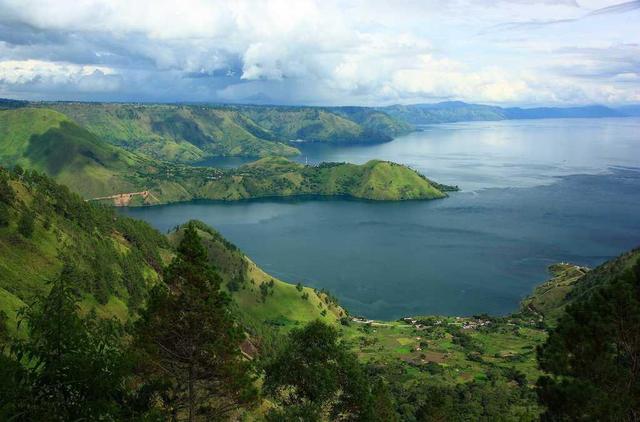
The commonly mentioned “Lintong Mandheling” comes from the Lintong mountainous region in north-central Sumatra, near the famous Lake Toba. This area is not only one of Indonesia’s earliest developed coffee regions but also the birthplace of many classic Mandheling flavor profiles. Additionally, the Lake Tawar area in the special region of Aceh and the Gayo mountains also produce high-quality Mandheling, especially the old-tree variety coffee from the Gayo mountains, which is renowned as “green coffee” or “Gayo organic coffee” due to its organic farming and high-altitude environment, earning high praise in the market.
Mandheling from Sumatra is typically processed using the wet-hulling method (known as Giling Basah in Indonesian). This technique was developed to adapt to the region’s hot, humid climate and limited sunlight. Traditional washed processing requires ample sunlight to dry the parchment layer, which is often impractical in Sumatra. The wet-hulling method involves removing the outer parchment layer while the coffee beans are still semi-dried, significantly shortening the drying time. However, this can also lead to bean damage, resulting in the so-called “elephant ear” or “puckered” appearance, which is actually normal and not a defect.
Indonesia’s coffee grading system is primarily based on the number of defective beans and bean size. Typically, a 300-gram sample is used to calculate defect counts, and beans are categorized into six grades from G1 to G6, with G1 being the highest grade. G1 beans have minimal defects, uniform size, and form the foundation of specialty coffee. Both the commonly available “Lintong Mandheling” and “PWN Golden Mandheling” belong to the G1 grade. Among them, PWN (Pawani Coffee Company) further refines its selection through one mechanical sort and three manual hand-pickings, ensuring batches with consistent color, uniform shape, and extremely low defect rates, resulting in the highly acclaimed “Golden Mandheling” in the market.
It is worth noting that the name “Golden Mandheling” is a registered trademark of PWN, and not all high-quality Mandheling can bear this name. True PWN Golden Mandheling undergoes stricter processing and screening, resulting in a cleaner, brighter cup profile often featuring distinct notes of spices, nuts, and dark chocolate. Compared to regular Mandheling, it has fewer off-flavors and a more pronounced sweetness.
For brewing Sumatran Mandheling, it is recommended to use beans roasted to a medium-dark to dark level, paired with a filter that enhances body, such as the KONO filter. This filter features fewer drainage holes and straight ribs, which slow down the water flow rate, allowing for more thorough extraction and a richer, rounder cup. A 1:15 coffee-to-water ratio is suggested, with a grind size of approximately 75% passing through a 20-mesh sieve, water temperature controlled at around 88°C, and a three-stage pouring method.
Specific brewing suggestions are as follows: First, perform a 30-second bloom with twice the amount of coffee grounds in water (about 30 grams) to aid degassing. Then, pour water in small circles until reaching 125 grams for the first pour, continue pouring to 225 grams, and then stop to allow the filter to fully drain. The total extraction time is approximately 2 minutes. Finally, swirl the coffee before pouring into the cup to better experience its rich and layered flavors.
In summary, Sumatran Mandheling stands out as a representative of Southeast Asian coffee, thanks to its unique wet-hulling process, high-altitude growing environment, and complex, captivating flavor profile. Whether you prefer a bold cup or are curious about distinctive processing methods, this classic bean variety offers surprises and inspiration for every coffee enthusiast.
The above content is compiled by CoffeeHunters, a coffee news website.


